The world faces a “narrowing window” to restore its forests — ecosystems essential for food security, climate resilience and the livelihoods of nearly a third of humanity — according to the UN Food and Agriculture Organization’s new State of the World’s Forests report.
FAKTA
- More than 489 million hectares of forest have been cleared globally since 1990, and an even larger area has been degraded, the FAO’s State of the World’s Forests report says.
- Over the past two decades, initiatives promised to place more than 1 billion hectares under restoration — but barely a fifth is actually being restored.
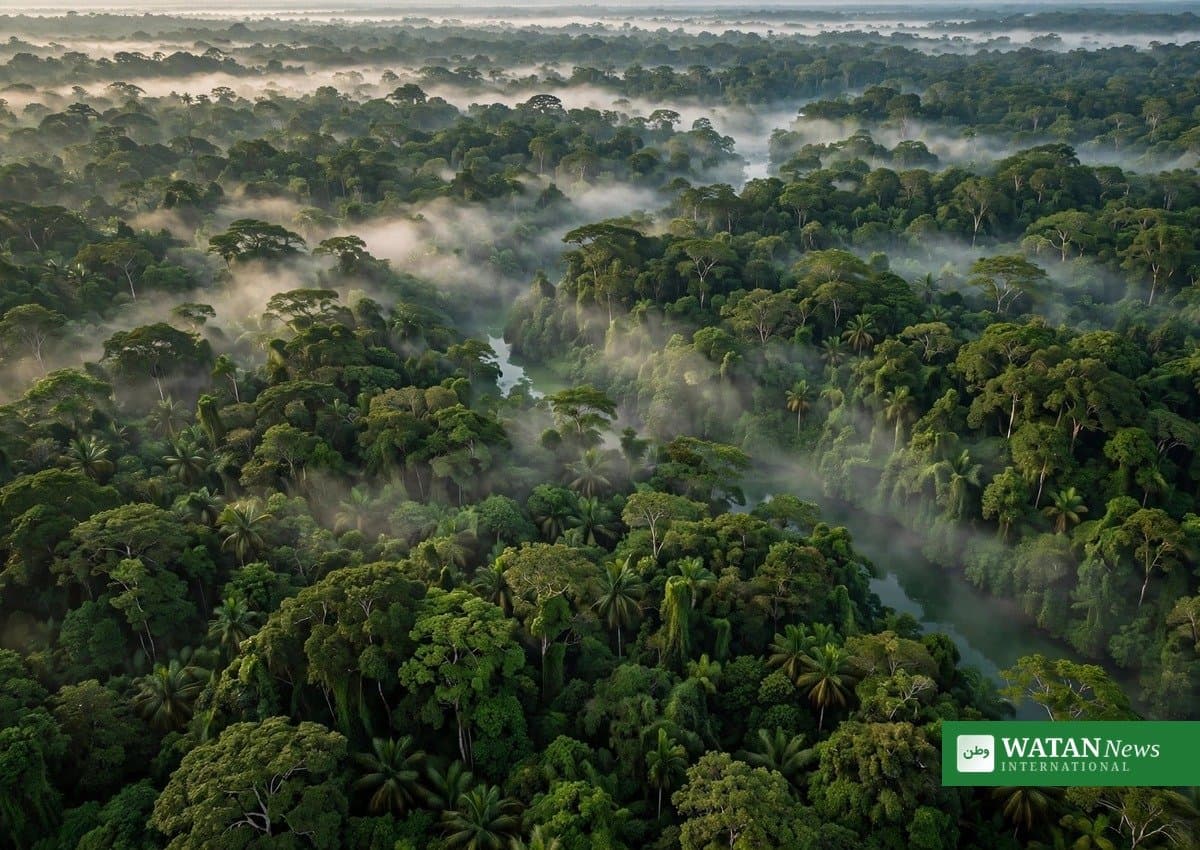
- Forests cover 4.14 billion hectares (about a third of Earth’s land), store 714 gigatonnes of carbon and host up to 80% of terrestrial biodiversity.
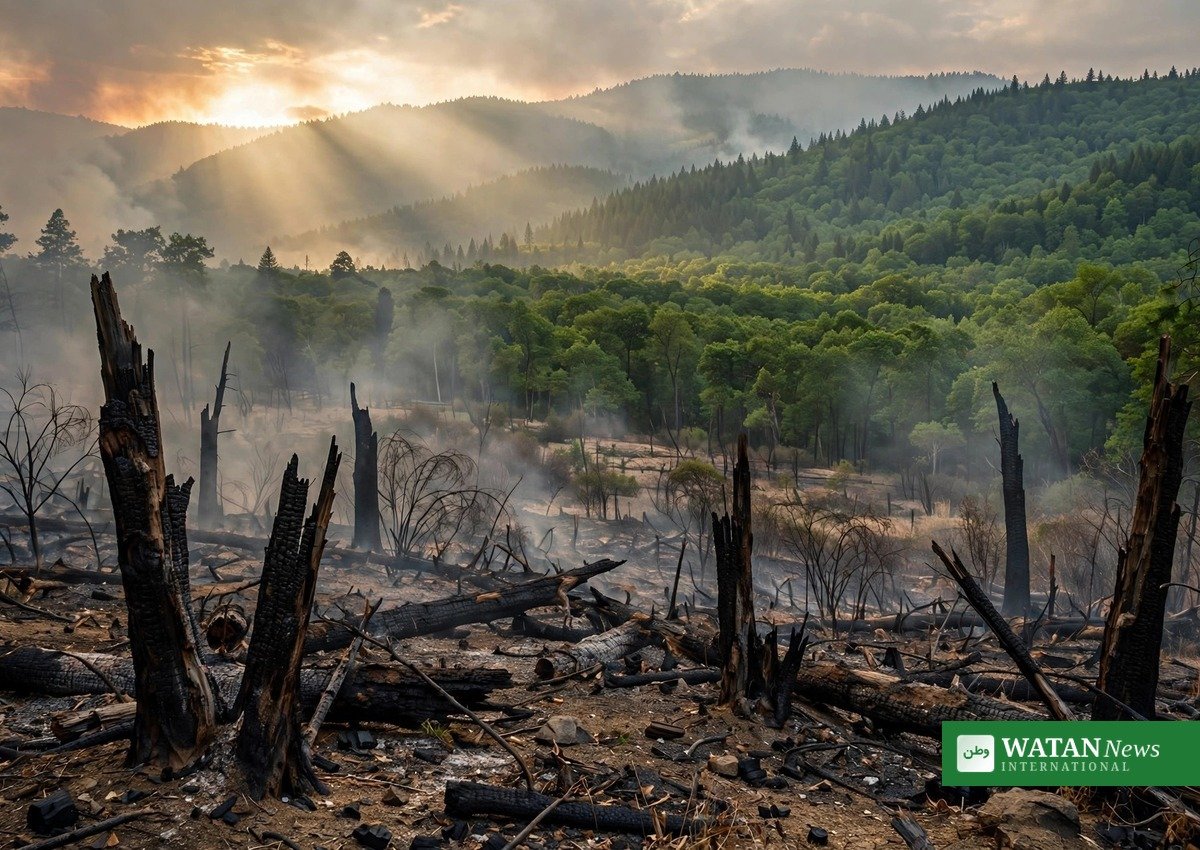
- About 127 million hectares of forest are affected by fires every year, with further damage from insects, disease and severe weather.
- Restoring 1 billion hectares could generate an estimated $1.8 trillion in benefits annually.
- FAO Director-General Qu Dongyu: forest restoration is a strategic investment in resilient agrifood systems — but delayed or poorly designed action will raise long-term costs and deepen inequalities.
Forest restoration: the promises vs the reality
The report acknowledges real progress in forest protection, conservation and tree planting in recent years. But it says action has not kept pace with commitments: “Progress is uneven, and it is insufficient to meet growing global needs.”
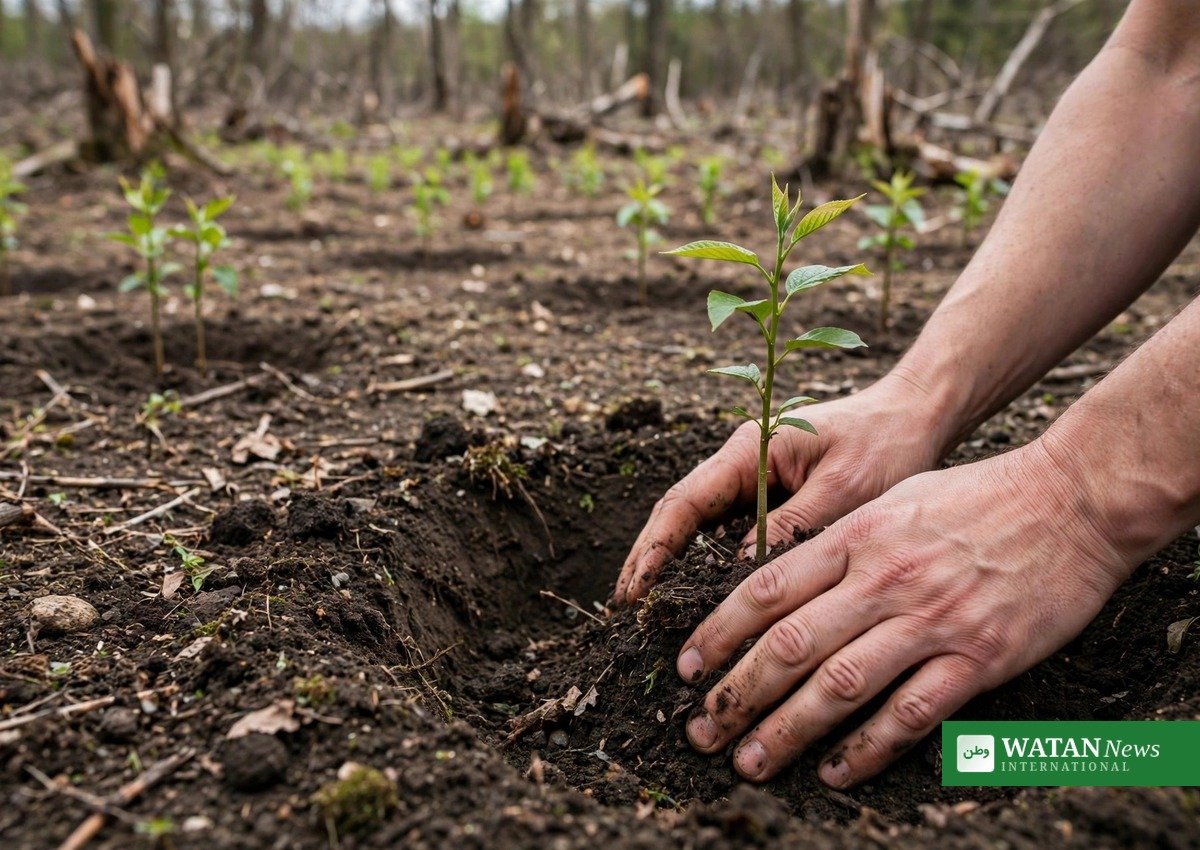
The scale of the gap is the story. National, regional and global initiatives have pledged more than 1 billion hectares of land for restoration over the past two decades. Barely a fifth of that is actually being restored — leaving a chasm between rhetoric and result.
Why forests matter — and what is destroying them
Forests regulate rainfall, reduce hunger, store carbon and sustain nearly one-third of the global population’s livelihoods. The threats are intensifying: every year, about 127 million hectares are affected by fires, layered on top of damage from insects, disease and severe weather — plus pressure from farm expansion, the climate crisis, pollution and the extraction of fossil fuels and other resources.
The report warns of a “structural imbalance”: the widening gap between demand for forest products and services and what forests can sustainably supply threatens both ecological integrity and the long-term viability of forest-based economies.
Restoring forests is not just about planting trees
The FAO stresses that the gap is not simply a question of planting more trees: the quality and design of restoration matter, as does the speed. Delayed action can leave landscapes on paths that are harder and more expensive to change — locking them into unsustainable trajectories.
Qu Dongyu frames restoration as more than an environmental priority: it is a strategic investment in resilient agrifood systems and rural development. But he warns that delayed or poorly designed efforts “will increase long-term costs, exacerbate inequalities and risk locking landscapes into unsustainable trajectories.”
Frequently asked questions
How much forest has been lost since 1990?
More than 489 million hectares (1.2 billion acres) of forest have been cleared since 1990, according to the FAO — and an even greater area has been degraded.
What is the economic case for restoration?
The FAO estimates that restoring 1 billion hectares of degraded land would generate $1.8 trillion in benefits annually, for people, food security and the economy.
Read more climate stories at Watan News. Coverage via The Guardian’s reporting, SkimNews summary and The English Chronicle.