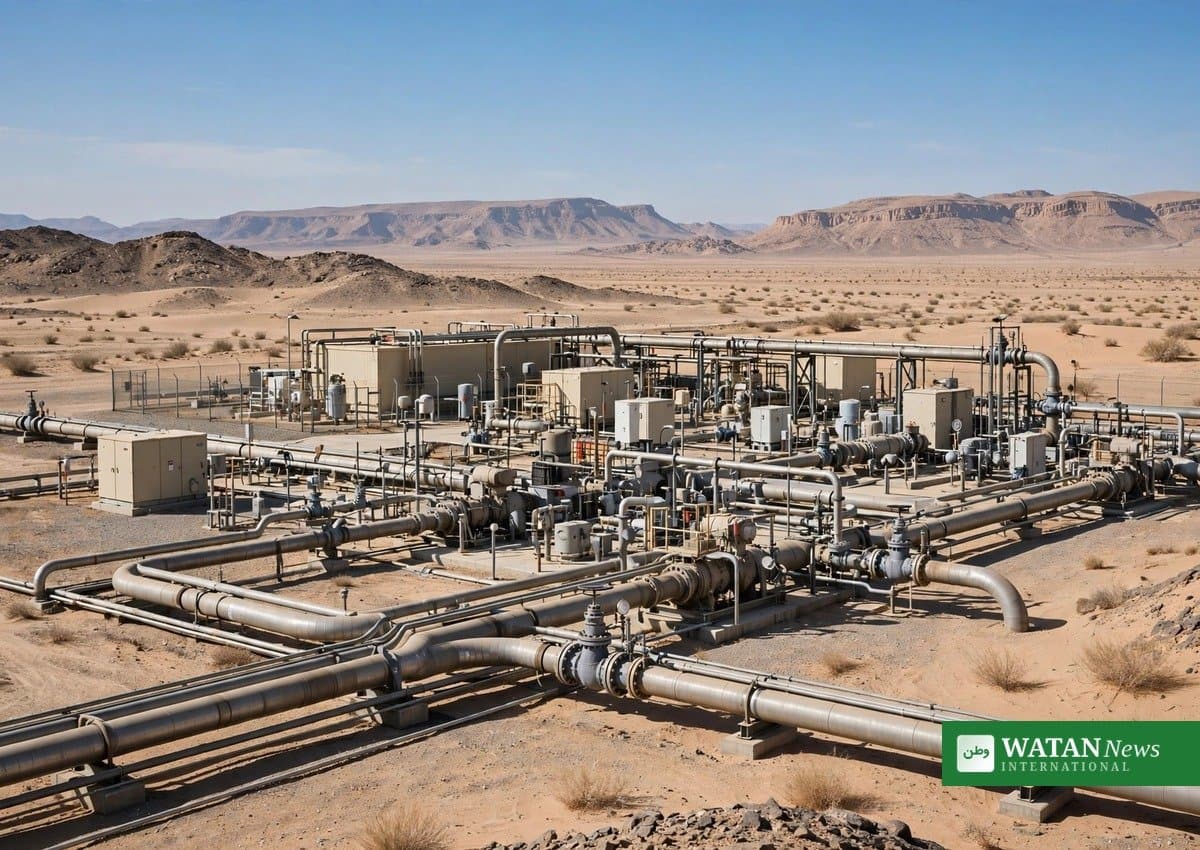
Yemen’s Houthi movement said on Monday that it had attacked pumping stations on the Saudi oil pipeline and Riyadh airport, in the latest escalation of a confrontation putting pressure on regional energy supplies. Saudi authorities did not immediately confirm damage from the claimed strikes, while the Saudi-led coalition said it had intercepted a missile fired towards the capital.
FAKTA
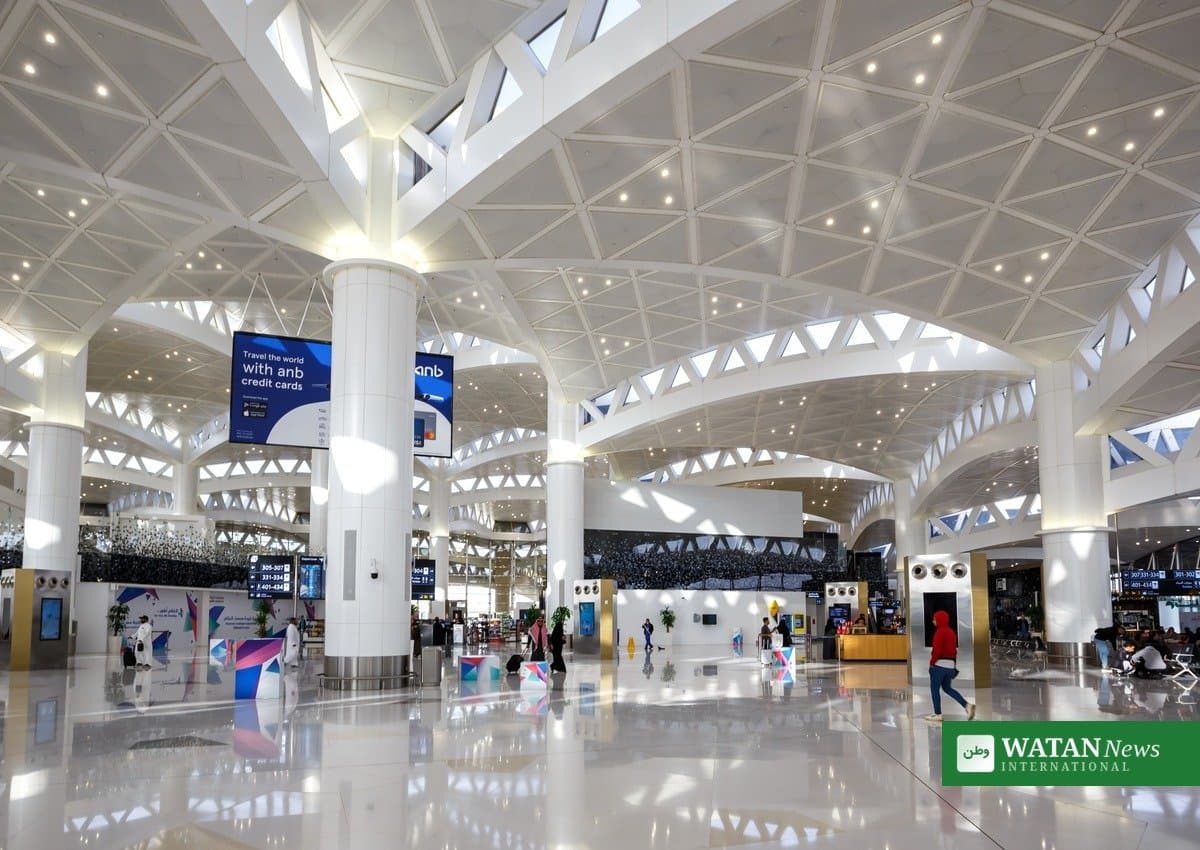
- Claim: Yemen’s Houthis said they struck East-West pipeline pumping stations and King Khalid International Airport in Riyadh on Monday, 26 October 2026.
- Spokesman: Houthi military spokesman Yahya Saree said a ballistic missile was fired towards the airport and drones were used against the pipeline.
- Coalition response: The coalition said it intercepted a missile bound for Riyadh and destroyed two ballistic missile launchers in Sanaa.
- Damage: No immediate confirmation of damage or casualties from the claimed attacks.
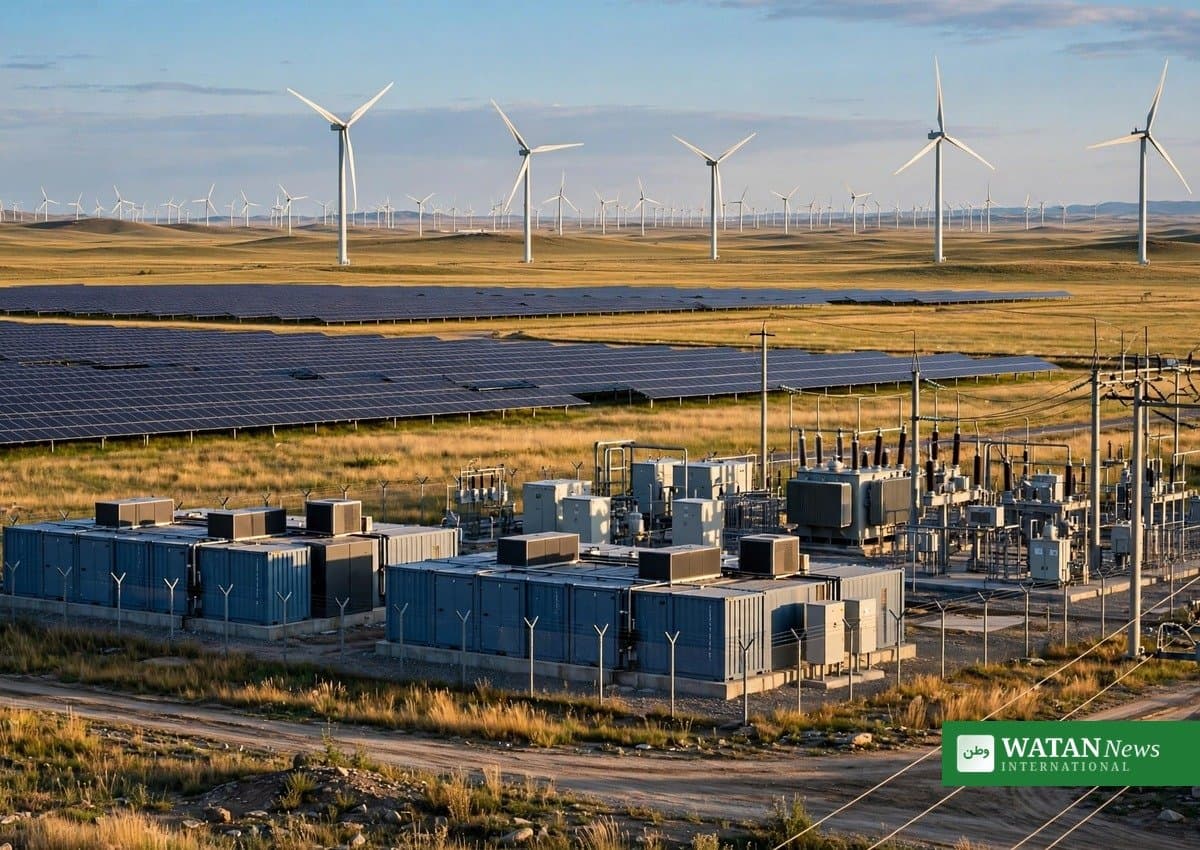
- The pipeline: The 1,200-kilometre East-West pipeline, operated by Saudi Aramco, carries crude from the Abqaiq area to the Red Sea port of Yanbu.
- Diplomacy: Officials from Saudi Arabia, Turkiye and Pakistan were due to meet Iranian officials in Tehran on Monday.
Claims and coalition response
According to the Houthi statement, the group fired a ballistic missile towards King Khalid International Airport and sent drones against pumping stations along the pipeline, one of the kingdom’s most important energy routes. Saudi civil defence authorities had earlier issued a danger alert for Riyadh after the reported missile threat.
The Saudi-led coalition said its forces had destroyed two ballistic missile launchers in the Yemeni capital, Sanaa, including one used to fire the missile towards Riyadh. It said it had carried out an operation against Houthi targets inside Yemen, destroying tunnels used to store ballistic missiles, launchers and a storage facility. Coalition spokesman Major General Turki al-Maliki said the operation also targeted supply lines, fighters and military equipment, pledging continued measures to deter attacks and protect civilians.
Why the Saudi oil pipeline matters
The East-West pipeline is a strategic alternative to oil shipments through the Strait of Hormuz, allowing Saudi crude to reach refineries and export terminals on the Red Sea coast. Saudi Arabia temporarily shut it down in September as a precaution after a drone attack that Riyadh and Baghdad said originated in Iraq.
The Houthis have increasingly targeted Saudi airports, ports and oil installations with missiles and drones. Two terminals at King Khalid International Airport resumed operations on Sunday after an earlier claimed attack killed 13 people, described as the deadliest assault in the kingdom in more than a decade.
Diplomacy amid escalation
The claims come as officials from Saudi Arabia, Turkiye and Pakistan were set to meet Iranian officials in Tehran to discuss regional coordination, the first high-level contact between Iran and all three countries since attacks on Saudi Arabia escalated. The fighting has also raised concerns about shipping through the Bab el-Mandeb Strait, a major route connecting the Red Sea with the Gulf of Aden. For now, the scale of any disruption to oil flows remains unclear. Find more international coverage on Watan News International.