The world’s largest luxury group has delivered another disappointing set of results, deepening a downturn that has now wiped hundreds of billions of dollars off the value of Europe’s biggest fashion houses. LVMH, the owner of Louis Vuitton and Dior, reported on 12 October that sales in its key fashion and leather goods division fell 5% organically in the third quarter — a sharper drop than analysts had expected.
FAKTA
- Fashion and leather goods: Organic sales fell 5% in Q3 2026, against an expected decline of about 1.6%.
- China: Sales in mainland China fell by double digits in the quarter, and Chinese shoppers also pulled back when travelling abroad.
- Asia excluding Japan: Organic sales fell 5%, the only major region to decline, while sales grew in the United States, Europe and Japan.
- Shares: LVMH shares are down more than 40% this year, with Gucci owner Kering down 29% and Hermès down about 40%.
- Sector value: The top 10 European luxury firms have lost around $350 billion in market capitalisation since the start of the year.
A worse quarter than expected
The 5% organic decline in fashion and leather goods, home to Louis Vuitton and Dior, was the division’s first setback after it had posted its first organic gain in two years in the previous quarter. Analysts had expected a decline of only about 1.6%, making the miss a significant disappointment for investors who had hoped the luxury downturn was easing.
China was again the central problem. The world’s largest luxury group said sales in mainland China fell by double digits in the third quarter, and Chinese shoppers also spent less when travelling abroad. Organic sales in Asia excluding Japan fell 5%, making it the only major geographic region to report a decline, while sales grew in the United States, Europe and Japan.
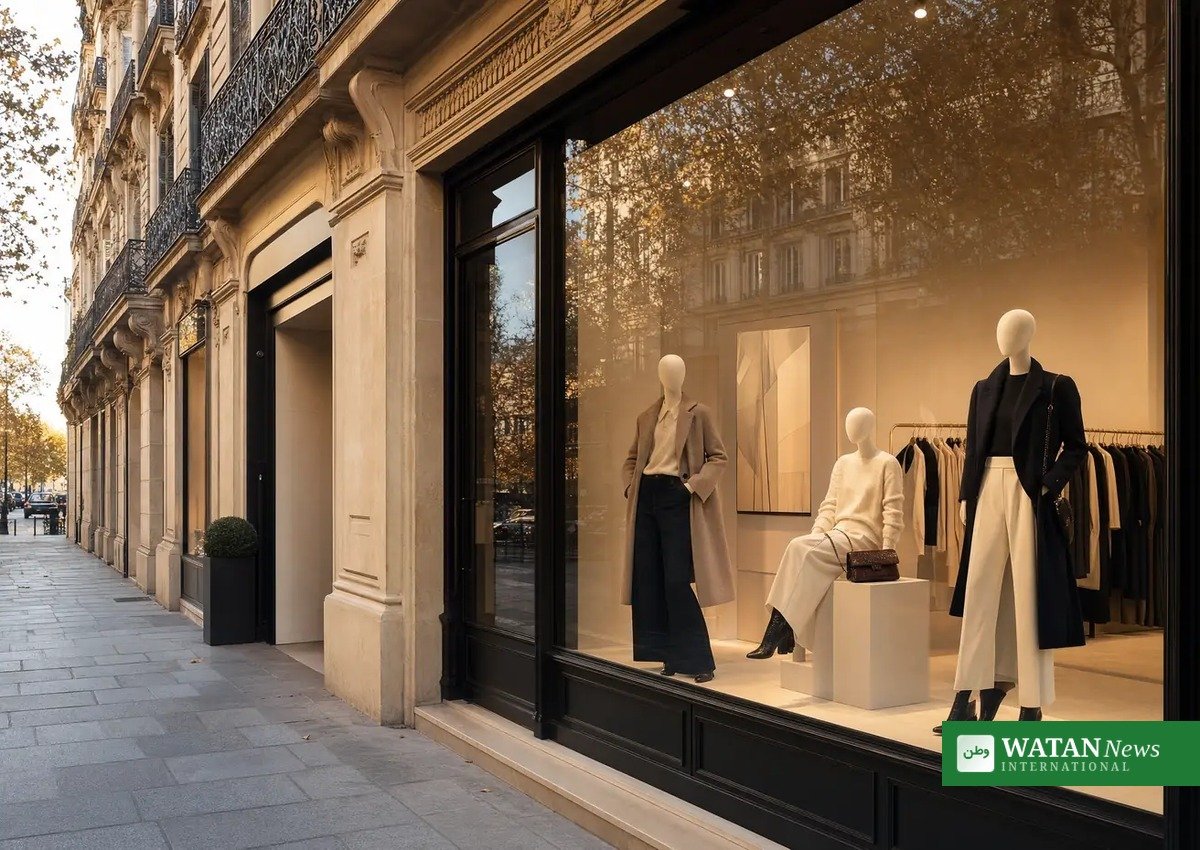
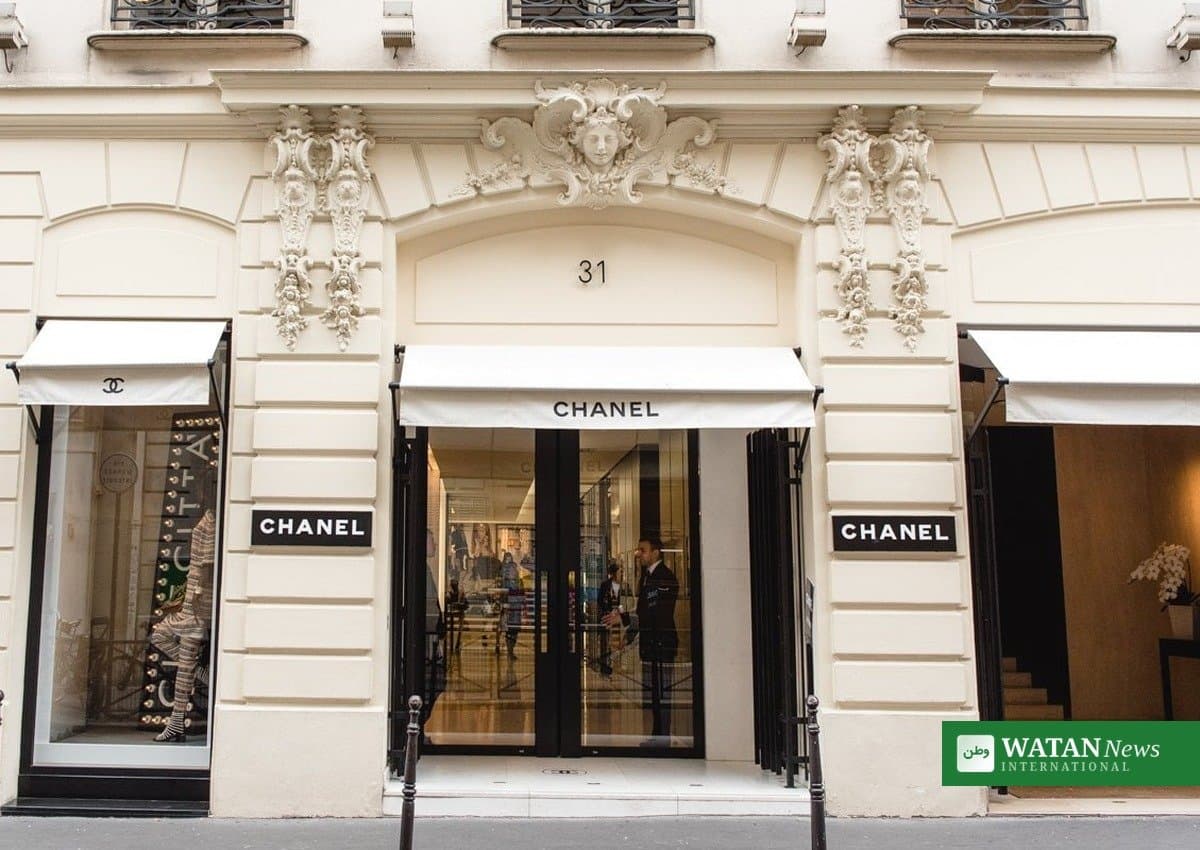
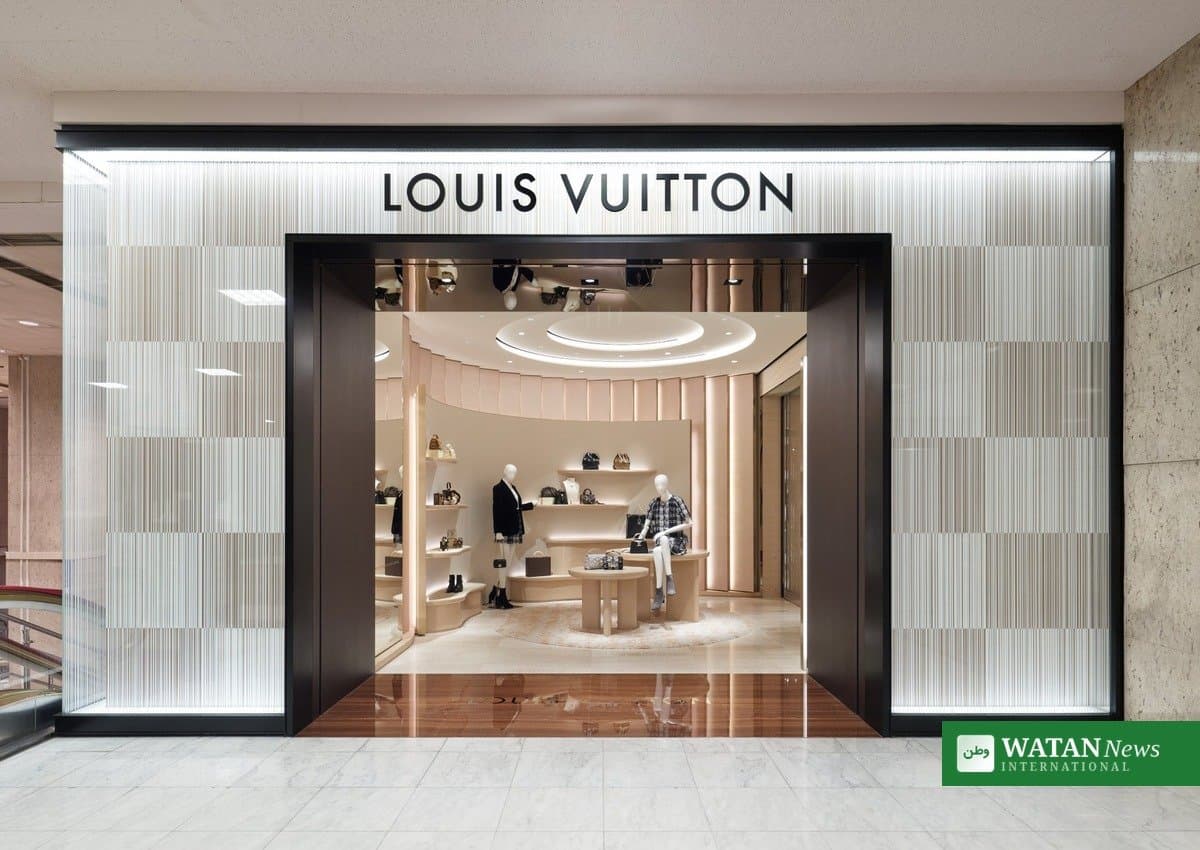
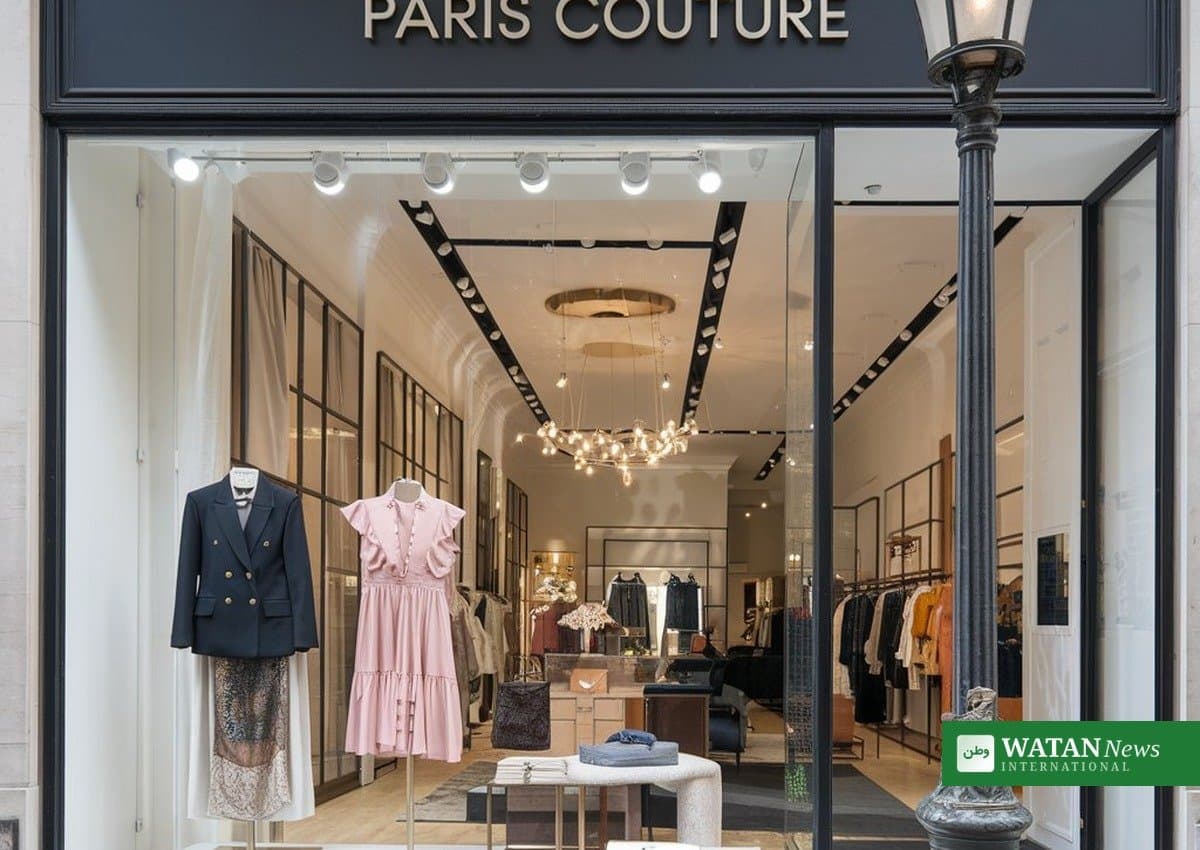
Luxury fashion on display. Shoppers are becoming more selective about which brands deserve their money, analysts say.
A $350 billion blowout
LVMH’s results landed in a sector already under severe pressure. According to Reuters, the top 10 European luxury firms on the STOXX Europe Luxury 10 index have lost around $350 billion in market capitalisation since the start of the year, as hopes of a sector rebound have faded and weakness in China has persisted.
Europe’s big four — LVMH, Hermès, Gucci owner Kering and Richemont — have seen their combined market capitalisation nearly halve since around 2024. Richemont, more focused on watches and jewellery, has bucked the wider trend. The slide has also dented the fortune of LVMH chief Bernard Arnault, according to Forbes wealth tracking data cited by Reuters.
China’s tax squeeze adds to the pressure
The weak quarter came as wealthy Chinese faced a new tax crackdown at home. Under Beijing’s new rules, wealthy individuals who used offshore trusts to shelter assets had until 22 October to declare and pay years of back taxes. Analysts said the 20% levy was hitting spending by ultra-high-net-worth individuals, a group that had until recently proved more resilient than middle-class consumers hurt by China’s prolonged property downturn.
“Until the deadline to pay the tax, some people may face liquidity issues,” Alexis Bonhomme, head of Shanghai-based luxury consultancy Trinity Asia, told Reuters. “This doesn’t mean they won’t start buying again, but right now, the mood just isn’t there.”
Chinese consumers account for roughly a fifth of global luxury purchases and were long the driving force behind the sector’s growth. Demand has weakened sharply since the COVID pandemic, and summer shopping mall data in mainland China pointed to a sharp deceleration in growth, according to Bernstein analysts.
Selective shoppers, not absent shoppers
Analysts caution against reading the results as proof that luxury shoppers have stopped spending altogether. The emerging picture is one of selectivity: shoppers have not disappeared, but they are becoming more choosy about which brands deserve their money. That shift could favour some brands over others as the sector’s three-year slowdown continues, and investors will be watching forthcoming results from rivals Kering and Hermès for signs of whether the weakness is spreading or contained.
For now, the message from LVMH’s quarter is clear: the luxury rebound that many had hoped for in 2026 has not arrived, and China — the engine that powered the industry’s growth for a decade — remains its biggest question mark.