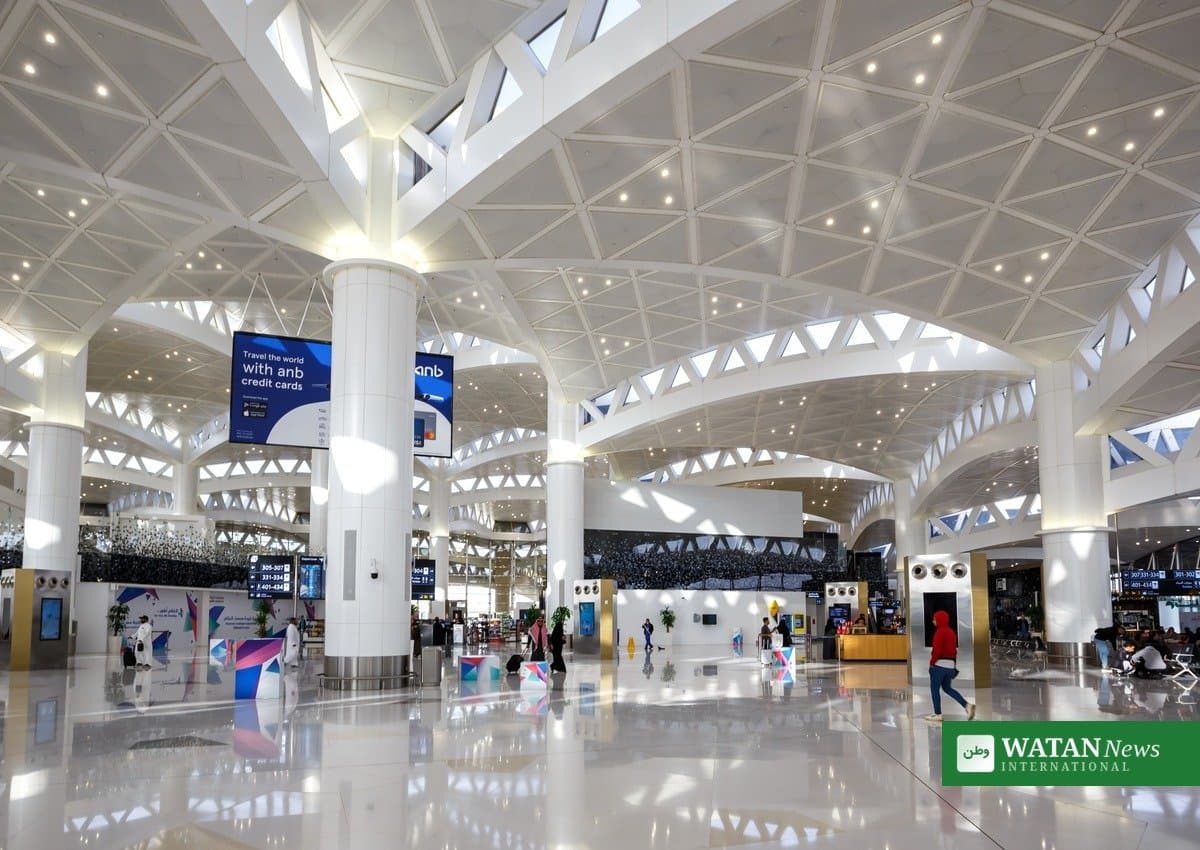
Riyadh’s King Khalid International Airport resumed flights on Sunday after a two-week closure caused by strikes by Yemen’s Houthi fighters, even as fresh attacks targeted the Saudi capital on the airport’s first day back in operation.
The airport announced on Saturday that Terminal 1 would handle domestic flights and Terminal 2 would handle international flights operated by national carriers, effective Sunday, 25 October 2026. Flight-tracking data showed a plane taking off from Riyadh early on Sunday, heading to the Saudi city of Jeddah.
FAKTA
- Airport: King Khalid International Airport, Riyadh, Saudi Arabia
- Closure: Operations were halted on 10 October after a Houthi attack on the airport killed 13 people and wounded more than 300
- Reopening: Flights resumed on Sunday, 25 October 2026 — Terminal 1 for domestic flights, Terminal 2 for international flights by national carriers
- First flight: A plane departed Riyadh early on Sunday for Jeddah, according to flight-tracking data
- Fresh attacks: On Sunday, Saudi air defences intercepted a ballistic missile fired towards Riyadh, two drones in the Riyadh area and a cruise missile fired towards Khamis Mushait
- Houthi warning: Houthi military spokesman Yahya Saree warned airlines, airport staff and travellers against using the airport, calling it unsafe and a military target
Flights resume after two-week closure
The airport had been closed for two weeks after strikes by the Houthis on the Saudi capital. The attack earlier this month that forced the closure killed 13 people and wounded more than 300, making it the deadliest attack in the kingdom in more than a decade.
“Please be advised that Terminal (1) will be designated for domestic flights and Terminal (2) for international flights operated by national carriers at King Khalid International Airport in Riyadh, effective Sunday, 25 October 2026,” the airport posted on X on Saturday.
Fresh attacks on reopening day
Explosions were heard in Riyadh in the early hours of Sunday as the airport prepared to reopen, and residents received emergency alerts warning of a hostile aerial threat and advising them to move to safe locations.
The Saudi-led military coalition said its air defences intercepted a ballistic missile fired towards Riyadh, along with two drones in the capital area. It later announced that a cruise missile launched towards the southern city of Khamis Mushait had also been intercepted, and that 10 Houthi missiles fired towards the kingdom’s southern areas had been intercepted.
Houthis warn airport remains a target
Houthi military spokesman Yahya Saree renewed the group’s warning against using the airport, saying it remained unsafe and a military target.
“The Yemeni Armed Forces warn all international, regional, and local airlines — as well as staff and travellers — against using King Khalid Airport in Riyadh, as it is unsafe and serves as a military target for our forces,” he said.
Wider conflict context
Saudi Arabia, along with Yemen’s internationally recognised government, which it backs, has faced a wave of Houthi attacks in recent weeks after a years-long truce broke down in the summer. The fighting has shifted the focus of the wider US-Iran war and deepened a humanitarian disaster crippling Yemen, one of the world’s poorest countries.
More on the region: Middle East news on Watan News.