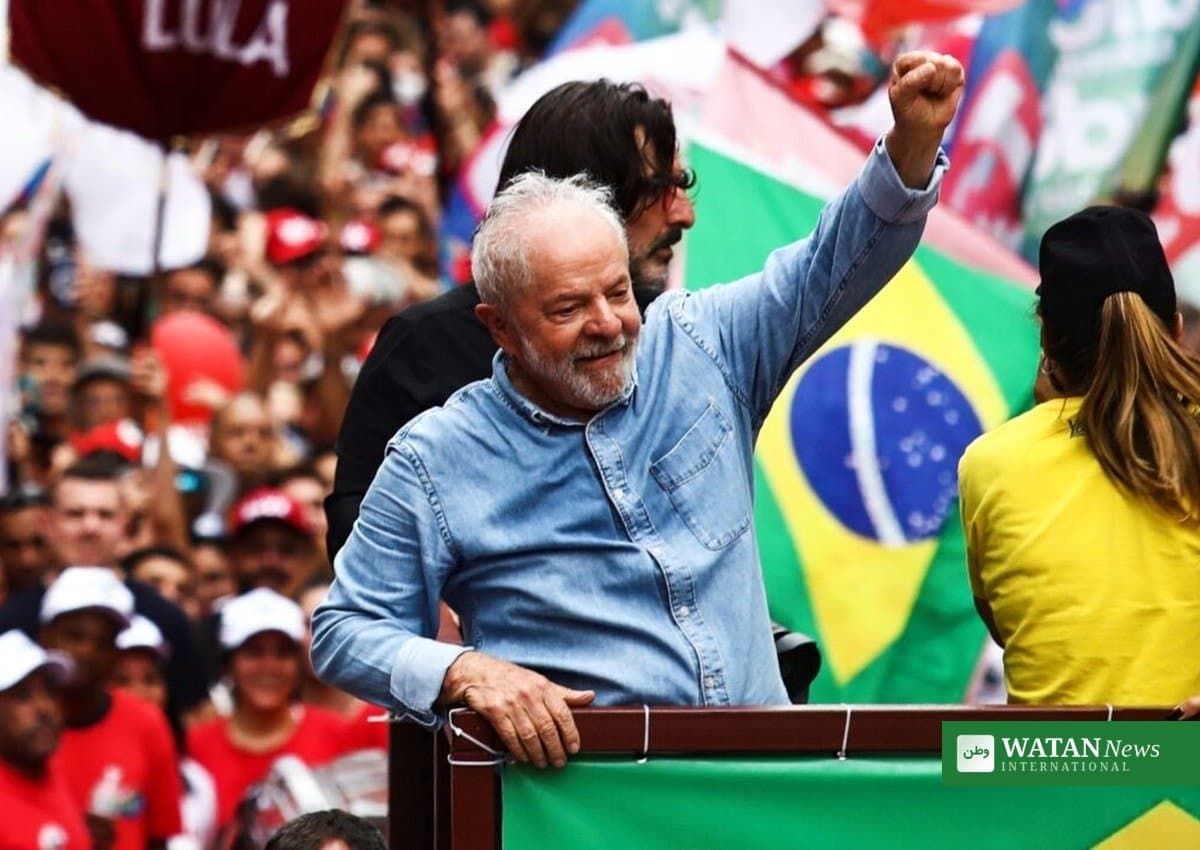
Luiz Inácio Lula da Silva has won Brazil’s presidential runoff, defeating Senator Flávio Bolsonaro to secure a historic fourth term as president. Lula wins Brazil runoff with 51.8% of the vote against 48.2% for Bolsonaro, electoral authorities said with more than 99% of votes counted.
Brazil’s electoral authority declared Lula the winner on Sunday after a deeply polarised campaign dominated by the cost of living, crime and corruption. The 80-year-old leftist leader becomes the first Brazilian president to be elected to the office four times.
It is also the first time since the return of direct presidential elections in 1989 that a candidate has won the presidency after finishing second in the first round. On October 4, Bolsonaro finished ahead with 47.03% of valid votes against Lula’s 45.16%, a difference of roughly 2.2 million votes.
FAKTA
- Winner: Luiz Inácio Lula da Silva, 51.8% of the vote
- Runner-up: Senator Flávio Bolsonaro, 48.2% of the vote
- Count: More than 99% of votes counted when the result was declared
- First round: October 4 — Bolsonaro 47.03%, Lula 45.16%
- Historic first: Lula is the first president elected four times, and the first to win a runoff after trailing in the first round since 1989
- Abstention: 19%, one of the lowest rates on record
Lula wins Brazil runoff after first-round comeback
Lula trailed Bolsonaro in the first round and in several late polls, which had put Bolsonaro narrowly ahead within the margin of error. A late mobilisation of first-round abstainers proved decisive: with Sunday’s abstention rate at 19%, one of the lowest on record, turnout surged where Lula needed it most.
Celebrations broke out in São Paulo as the result became clear, with cheers from apartment windows and car horns sounding across the city, according to reports from the scene.
“What the people did in this second round is something I’ve never seen before in my life,” Lula said after voting in São Bernardo do Campo, where his political career began as a trade unionist.
A turbulent election day
The runoff count was briefly thrown into confusion on Sunday when voting was extended by two hours. Supreme Court Justice Cristiano Zanin granted requests from both campaigns: Lula’s campaign cited incidents affecting buses taking voters to polling stations in several states, while Bolsonaro’s campaign cited heavy rain making it difficult for voters to reach polling stations.
The order came around 5 p.m. in Brasília, just as polls were due to close, and many stations had already shut. The electoral court later clarified that only stations that had not closed should remain open until 7 p.m. local time, and the count was paused during the extension.
What the result means
Lula’s victory keeps Latin America’s largest country on a more independent foreign-policy path, with the president emphasising Brazil’s sovereignty and closer ties with the Global South and China. It also runs against a broader rightward shift across Latin America, where recent presidential elections in Ecuador, Bolivia, Honduras, Chile, Costa Rica, Colombia and Peru have gone to right-wing or centre-right candidates.
Flávio Bolsonaro, 45, is the eldest son of former president Jair Bolsonaro, who was convicted over the attempt to overturn his 2022 defeat to Lula. Flávio had campaigned on tougher action on crime, including designating major criminal factions as terrorist groups, expanding prisons and lowering the age of criminal responsibility.
Lula, by contrast, campaigned on protecting social rights won during his earlier terms, while facing voter frustration over everyday prices despite low unemployment and easing inflation. Crime was the top concern for many voters: a September survey found 28% of Brazilians saw violence as the country’s biggest problem, followed by corruption at 22% and the economy at 19%.
Related coverage: America news on Watan News.
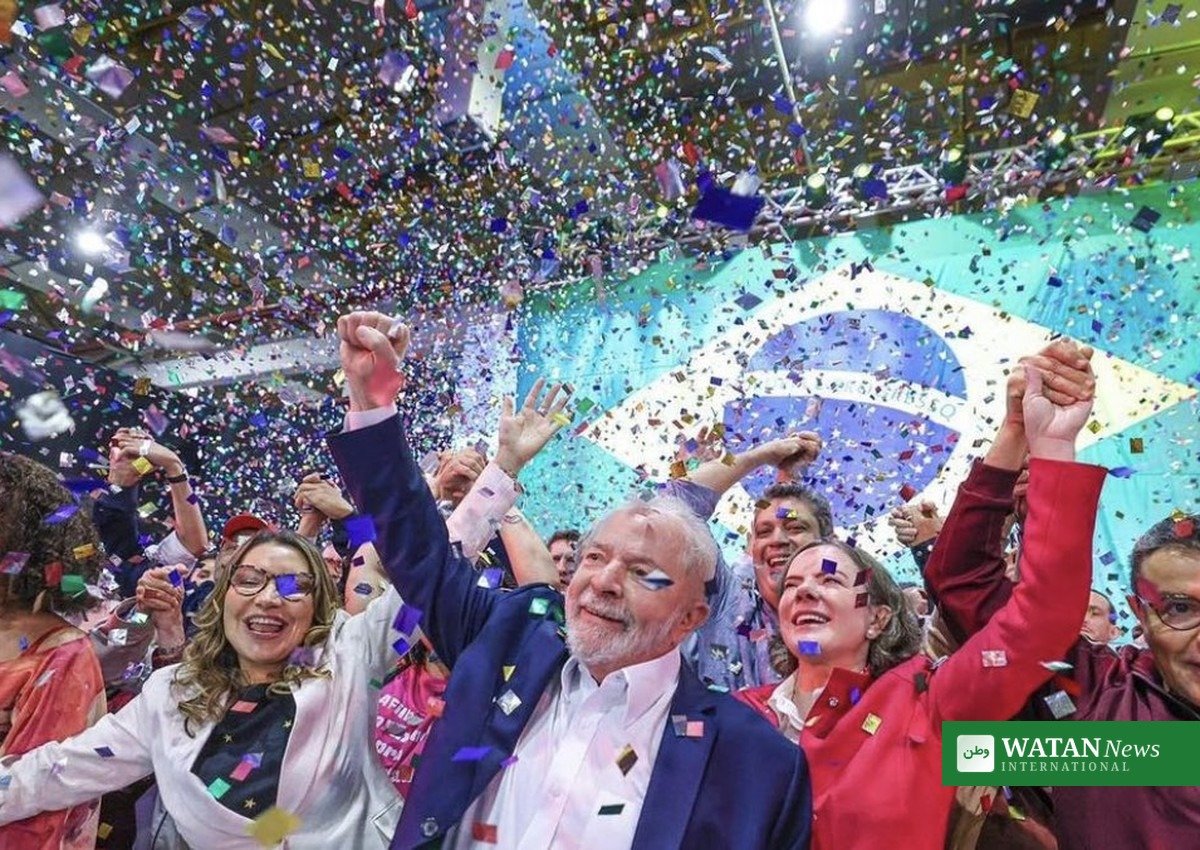
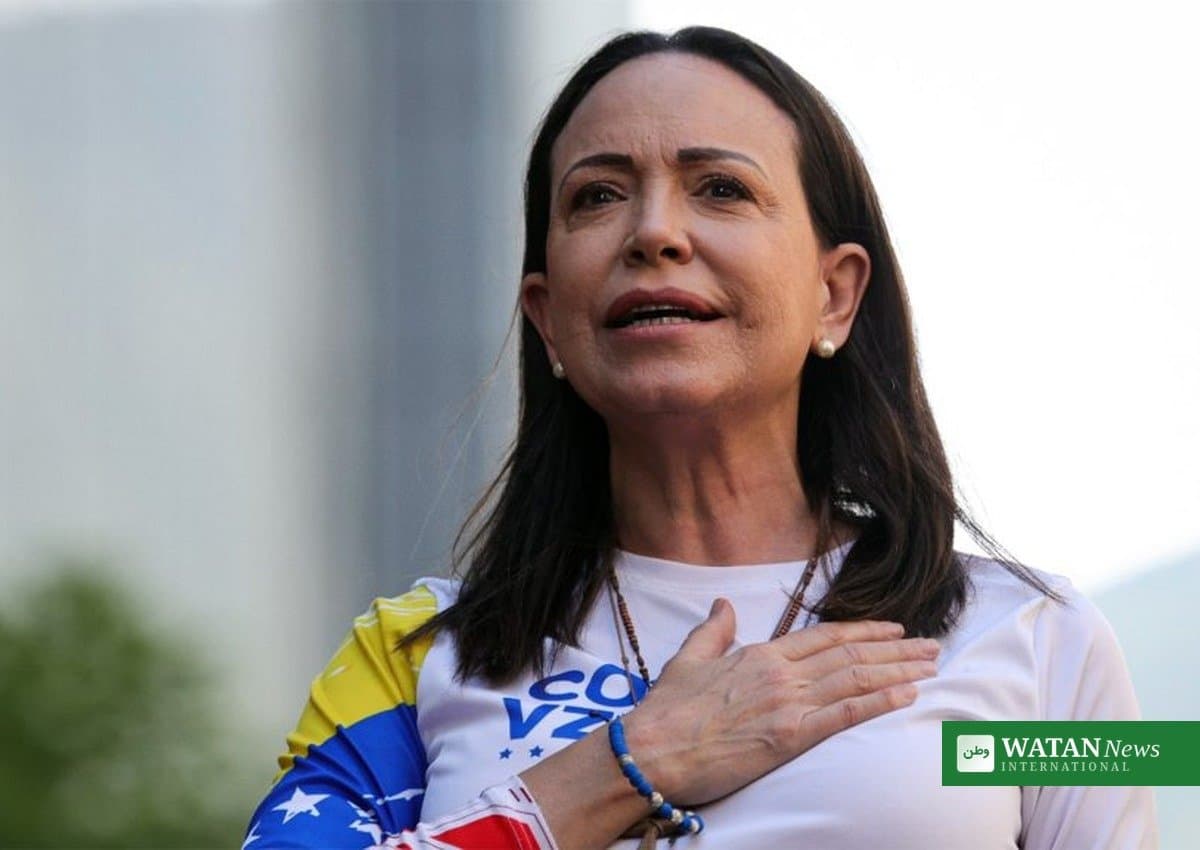
Luiz Inácio Lula da Silva, reelected as president of Brazil.