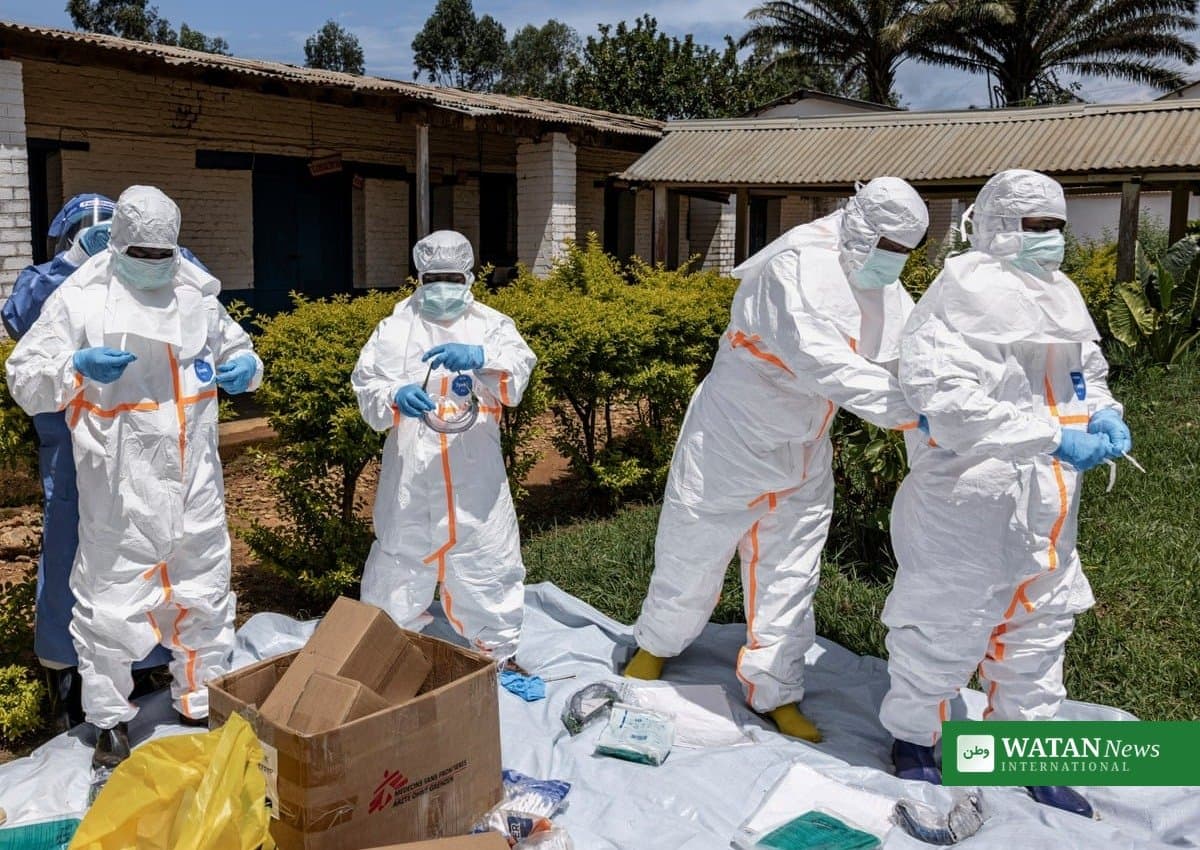
Kenya has recorded its first confirmed Ebola case after a Kenyan citizen who had been living in the Democratic Republic of Congo fell ill and died following his arrival in Nairobi, Health Minister Aden Duale announced on Tuesday.
FAKTA
- The Kenya Ebola case — the country’s first-ever — was confirmed on 6 October 2026.
- The patient, a Kenyan citizen living in DR Congo, arrived in Nairobi on Saturday, 3 October, after travelling through Uganda, and later died.
- 28 contacts have been identified so far, including family members and health workers.
- DR Congo is battling its largest-ever Ebola outbreak: more than 8,000 cases and over 4,000 deaths.
- The outbreak is caused by the rare Bundibugyo species of the Ebola virus.
- Ebola spreads through direct contact with the bodily fluids of infected people, living or dead.
Kenya’s first Ebola case confirmed in Nairobi
Health Minister Aden Duale told a press conference that the patient was diagnosed with Ebola virus disease at Nairobi Hospital after arriving from Congo on Saturday. The patient has since died.
Kenyan health authorities said 28 contacts have been identified so far, including the patient’s family members and the health workers who treated him, and contact tracing is underway.
DR Congo’s largest-ever outbreak
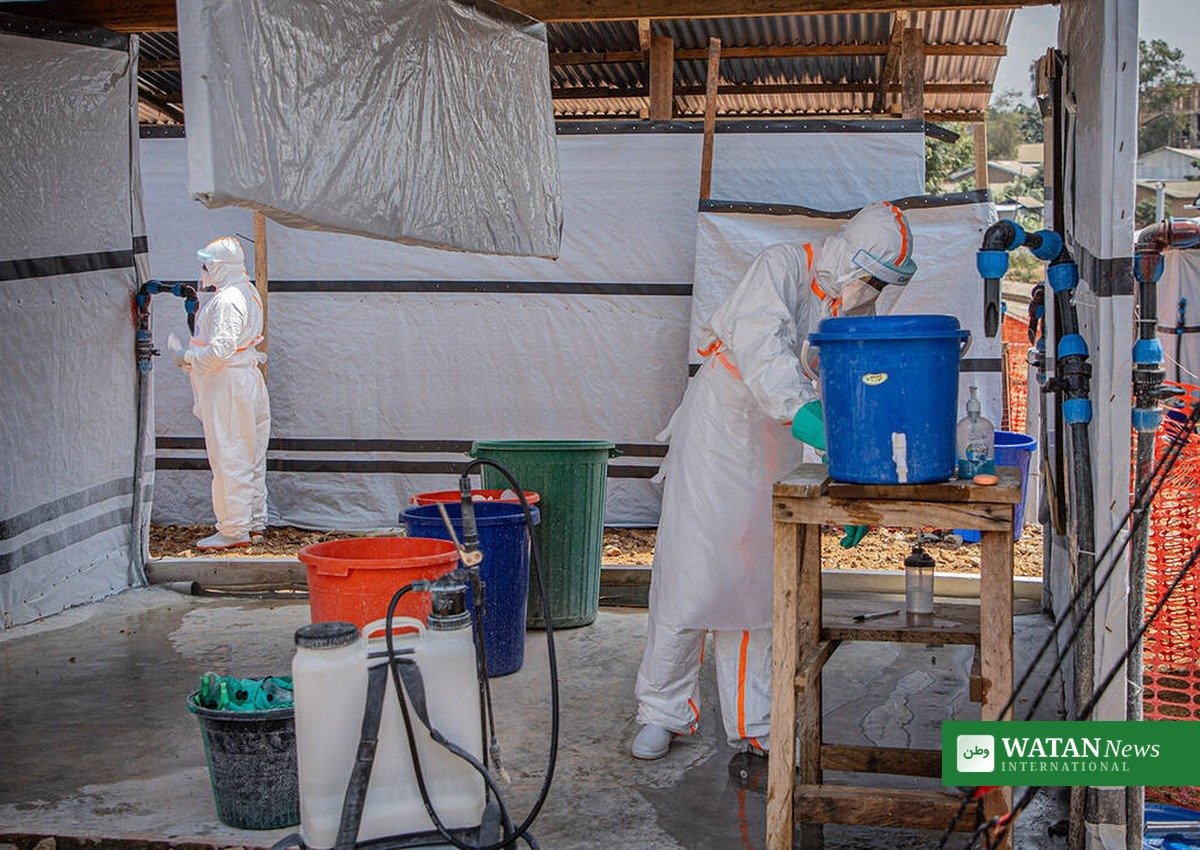
The Democratic Republic of Congo has been battling its largest-ever Ebola outbreak, caused by the rare Bundibugyo species. The outbreak was declared in mid-May but may have started months earlier, and it has so far resisted containment efforts.
More than 8,000 cases and over 4,000 deaths have been recorded in the Central African country. The outbreak earlier spread to Uganda, which reported 20 cases and two deaths before the World Health Organization declared Uganda free of the disease in August. Follow our World news section for continuing coverage of the outbreak.
What is Ebola?
Ebola virus disease is a severe and often fatal illness. It can cause fever, vomiting, diarrhoea and, in severe cases, internal and external bleeding.
How it spreads
Ebola spreads through direct contact with the blood or bodily fluids of infected people — living or dead — or with contaminated materials.
Symptoms
Symptoms typically begin with fever, muscle pain, headache and sore throat, followed by vomiting, diarrhoea and in the most severe cases unexplained internal and external bleeding.
Kenya’s health ministry said surveillance and screening measures remain in force, and urged anyone with symptoms after recent travel from affected areas to seek medical attention immediately.