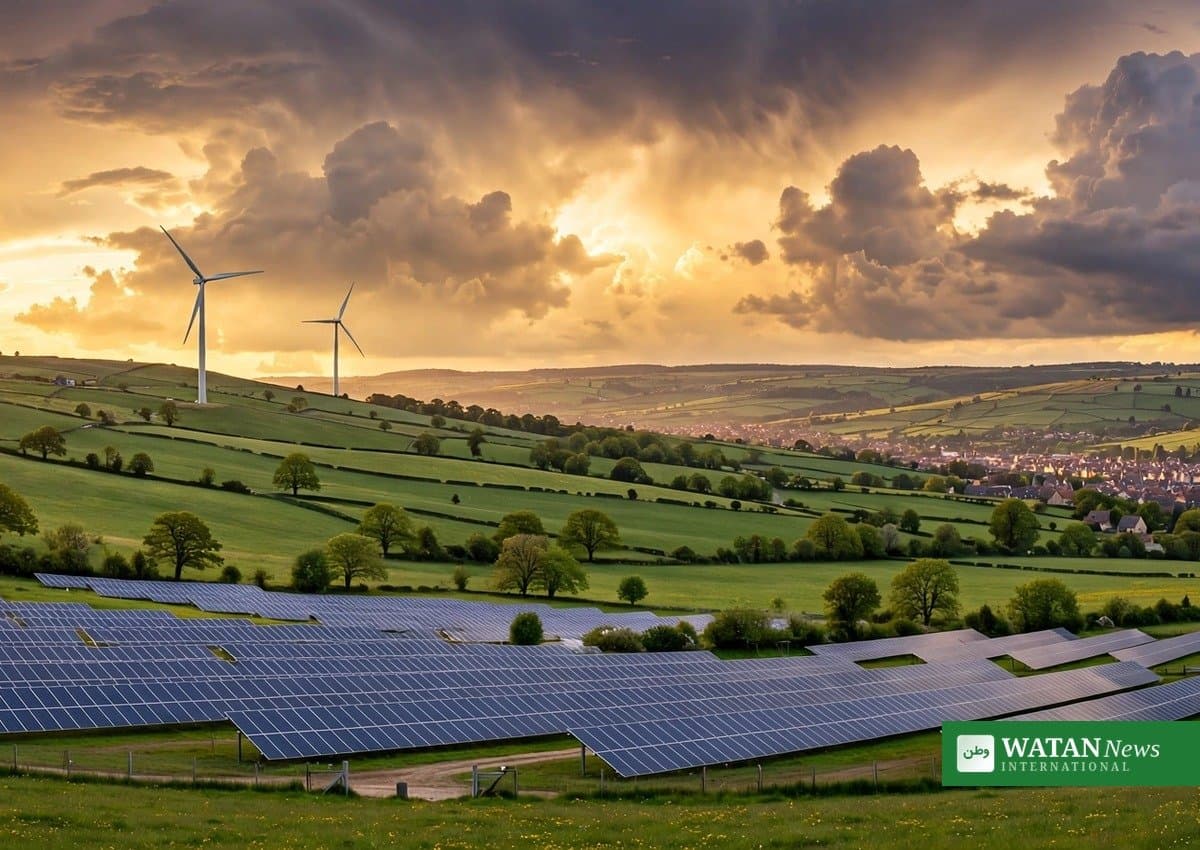
The European Commission has awarded three renewable energy projects official cross-border status, making them eligible to seek EU funding for studies and construction. The announcement, published on 1 October 2026 by the European Climate, Infrastructure and Environment Executive Agency (CINEA), covers an onshore wind farm in Ukraine, a combined wind-and-solar plant on the Polish-German border, and a shared cross-border heating network between Austria and Germany.
What the three projects are
The three projects were added under the fifth selection round of the EU’s cross-border renewable energy (CB RES) scheme. Each is a cooperation between two countries:
- WIND (Ukraine–Romania): a planned 650-megawatt onshore wind development in Ukraine, in cooperation with Romania. CINEA estimates its annual generation at approximately 2 terawatt-hours of electricity.
- DEPLOY (Poland–Germany): a hybrid project near the Polish town of Gubin and the German city of Guben, combining wind and solar installations with a total capacity of 180 megawatts. The electricity will be converted into heat for industrial customers in Guben and will also help decarbonise the city’s district heating.
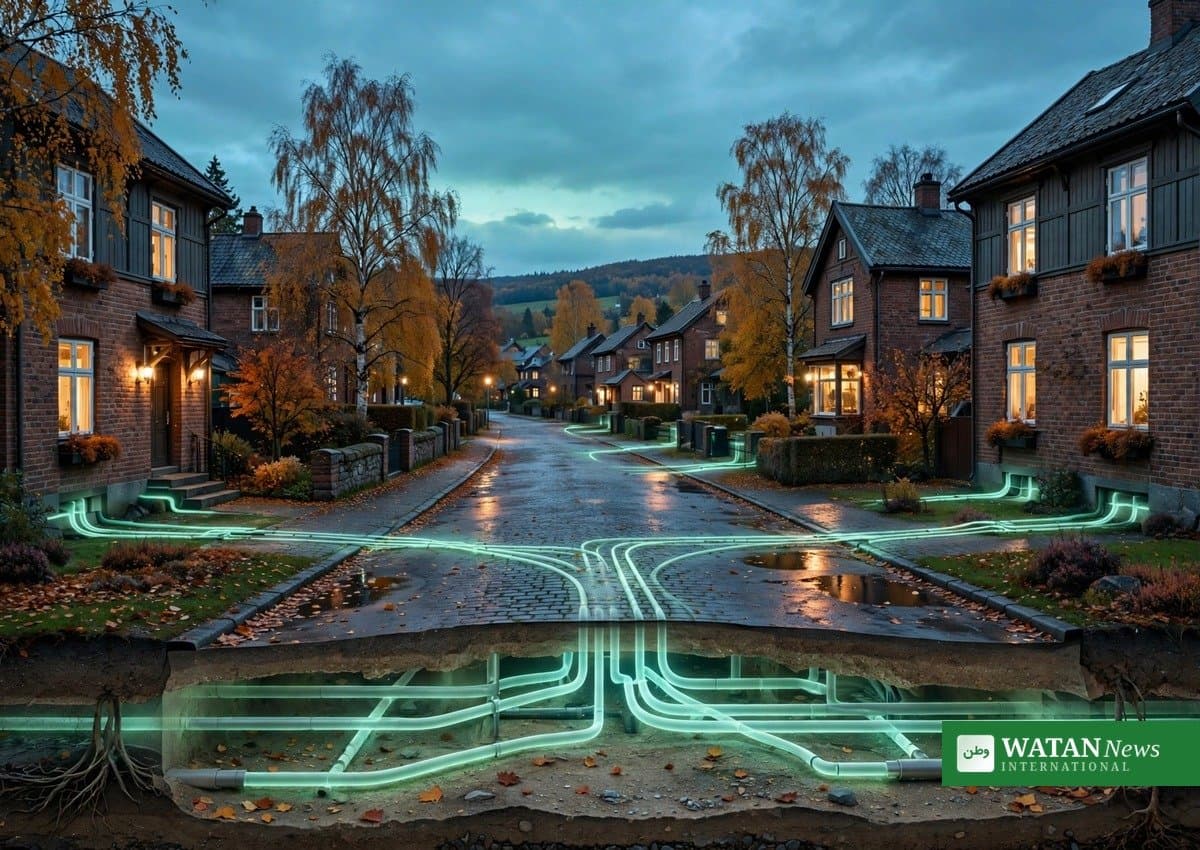
- ZEGA-LINNK (Austria–Germany): builds on an existing heating network shared by Braunau in Austria and Simbach in Germany. The project plans a 5-megawatt heat pump in Simbach and a new geothermal borehole in Braunau with 12 to 15 megawatts of thermal capacity, replacing part of the network’s reliance on natural gas during periods of high demand.
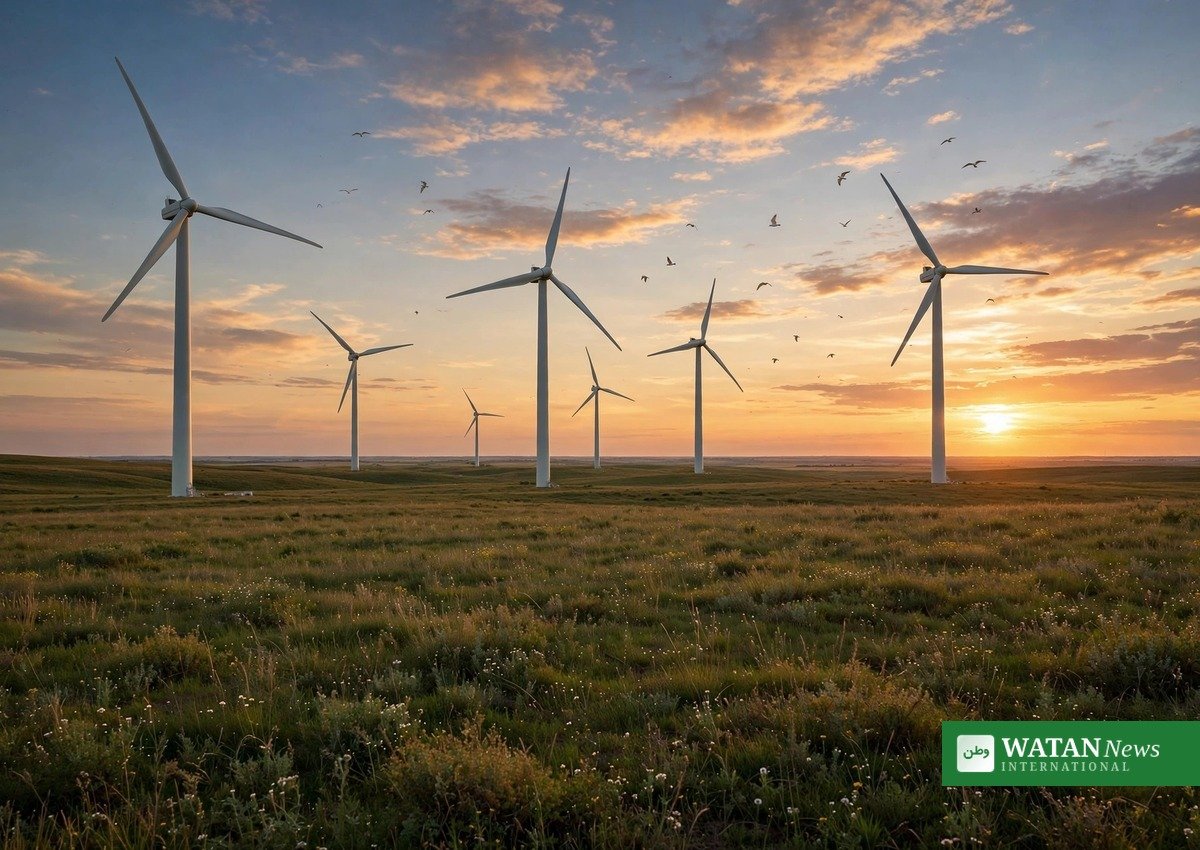
Wind turbines turning on a grassy plain at sunset — the kind of wind capacity behind the WIND and DEPLOY projects now holding EU cross-border renewable energy status.
What cross-border status actually means
Cross-border renewable energy status, or CB RES, was launched in 2021 and identifies projects organised through cooperation between countries. It is a precondition for applying to the renewable-energy funding window of the Connecting Europe Facility’s energy programme, which supports cross-border infrastructure.
An important distinction: the 1 October decision concerns eligibility only. It does not announce a grant amount for any of the three projects, nor does it establish that their planned facilities are already operating. Funding for studies and construction follows through a separate process — on 17 September, for example, the Commission approved 125.81 million euros for three earlier projects that had already moved from status to funded work.
With the three additions, 15 projects now hold CB RES status, after one earlier project, PONTIS, withdrew from the list. Another example already on the list is Medlink, a collaboration between Italy, Algeria and Tunisia planning 10 gigawatts of renewables, which received the status in September 2025.
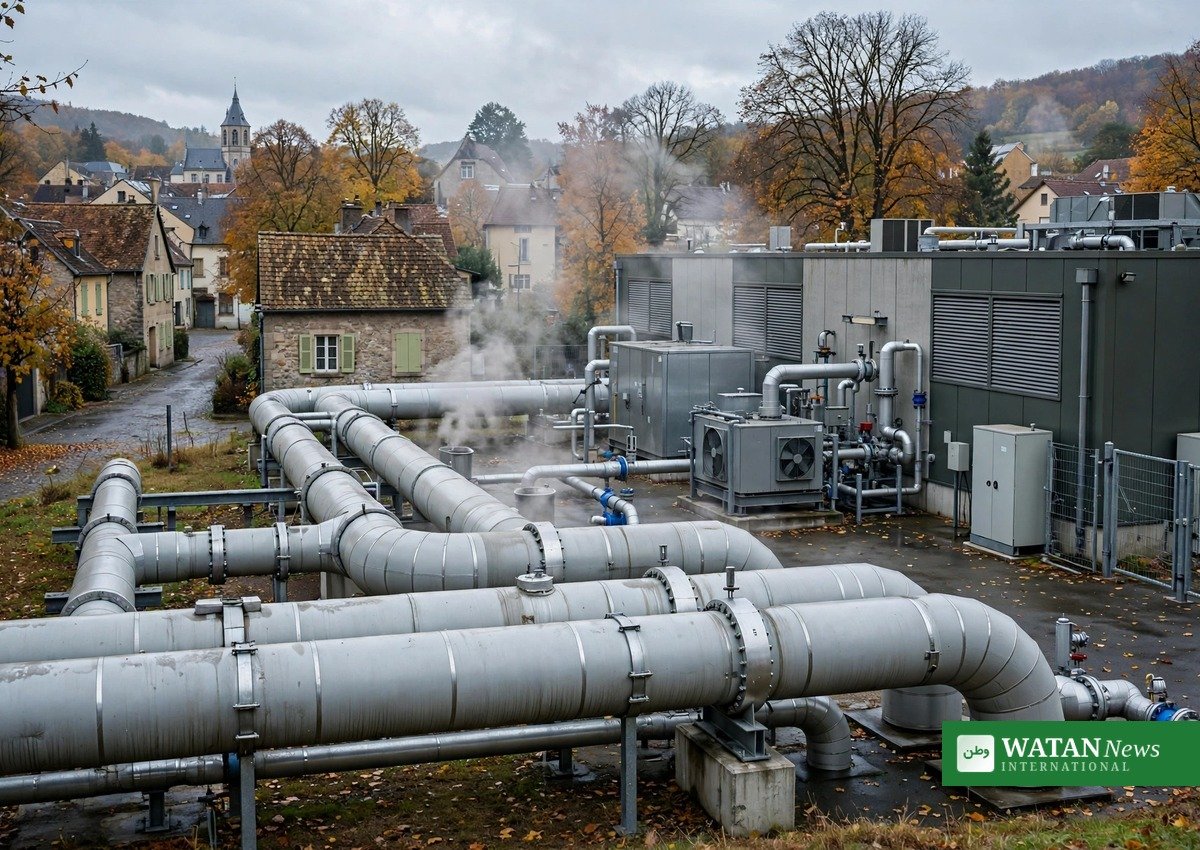
District-heating pipes and a heat-pump station in a European town — the ZEGA-LINNK project will extend this kind of shared heating network across the Austrian-German border.
Why it matters for the climate fight
Cross-border cooperation lets countries jointly fund renewable electricity or heating projects and share the contribution towards their renewable-energy targets — without energy necessarily crossing a border physically. The cooperation can concern how costs and benefits are shared, which makes projects viable that would be harder to finance in one country alone.
The heating angle is especially significant: heat accounts for a large share of Europe’s energy use, and shifting district heating from natural gas to heat pumps and geothermal energy directly cuts emissions. The DEPLOY project even links the two sectors, converting Polish wind and solar electricity into heat for German industry.
The sixth call for CB RES projects opened in June 2026 and is the last planned under the EU’s current 2021–2027 budget framework. Feasibility and design studies for DEPLOY are already underway, with a final investment decision expected by mid-2028, construction starting in January 2029 and commissioning planned for January 2030. For more climate and energy stories, see Read the same story on Watan News’ English main site, and find more at our English renewable-energy coverage..
FAKTA
- Announcement: 1 October 2026, by CINEA for the European Commission (fifth CB RES selection round).
- WIND: 650 MW onshore wind in Ukraine (with Romania), ~2 TWh per year.
- DEPLOY: 180 MW wind + solar at Gubin/Guben (Poland–Germany); electricity converted to heat for industry and district heating in Guben; commissioning planned January 2030.
- ZEGA-LINNK: 5 MW heat pump in Simbach (Germany) + 12–15 MW geothermal borehole in Braunau (Austria); cuts natural-gas use at peak demand.
- What the status does: makes projects eligible to apply for EU funding for studies and works — it is not itself a grant.
- Total: 15 projects now hold CB RES status.