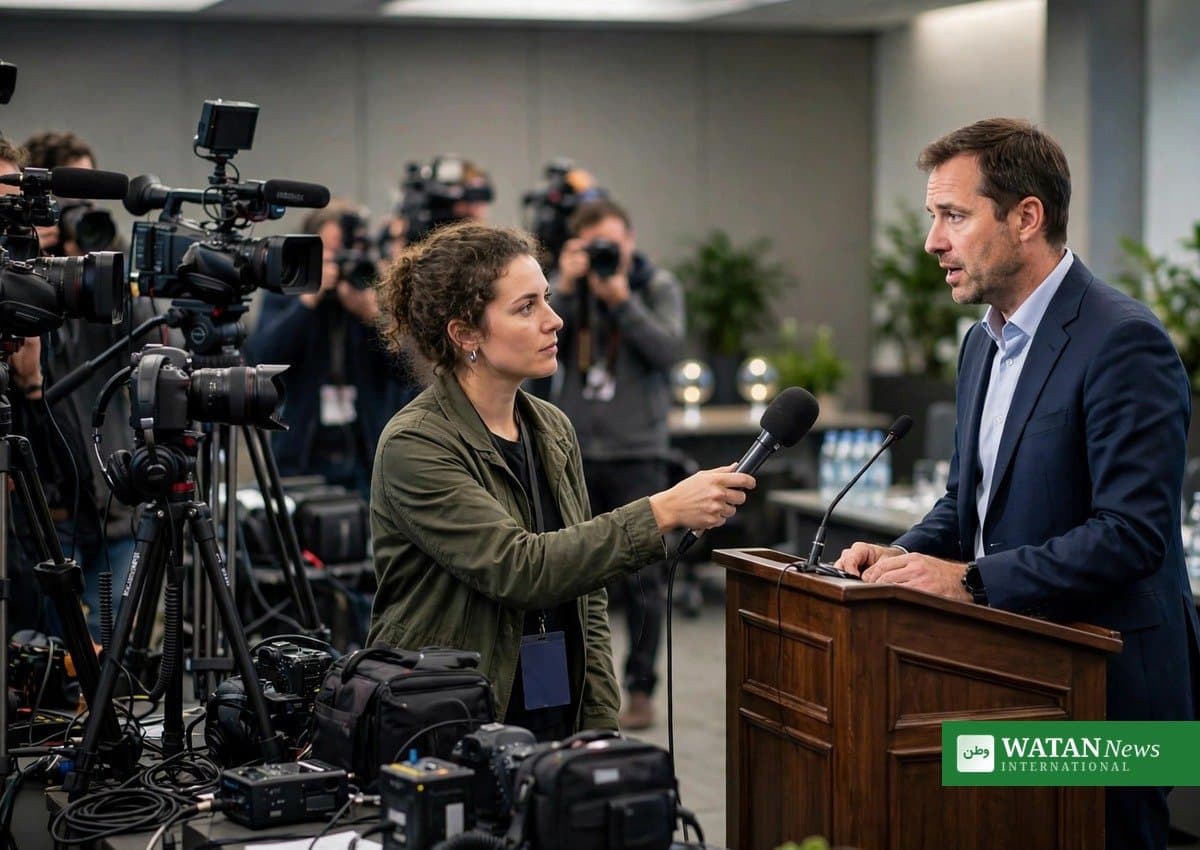

ISLAMABAD, Oct 6 – Pakistan and the International Finance Corporation (IFC) on Tuesday reaffirmed their commitment to mobilising private capital and expanding financial access to drive sustainable, investment-led growth. Federal Minister for Finance and Revenue Senator Muhammad Aurangzeb met Simon Andrews, Divisional Director for Pakistan, Afghanistan and Central Asia at the IFC, to review cooperation on private-sector financing, investment and infrastructure development.
The discussions focused on widening access to finance, supporting entrepreneurship and mobilising greater domestic and international capital, so that Pakistan’s economic gains translate into higher investment and capital formation.
Key Facts
Who: Federal Minister for Finance and Revenue Senator Muhammad Aurangzeb met Simon Andrews, Divisional Director for Pakistan, Afghanistan and Central Asia at the International Finance Corporation (IFC).
When and where: Tuesday, Oct 6, at the Finance Division in Islamabad.
Agenda: Mobilising private capital and expanding financial access for SMEs, start-ups, agriculture and affordable housing, plus public-private partnerships in infrastructure.
Context: According to finance ministry briefings, the IFC’s investment portfolio in Pakistan now exceeds $2 billion annually, focused on the financial sector, local-currency financing and private-sector projects.
Pakistan and IFC Target Private Capital for SMEs and Start-ups
Both sides agreed to scale up private-sector financing and investment-led growth. According to the ministry’s readout, key areas for mobilising private capital include entrepreneurship, small and medium enterprises (SMEs), agricultural finance, affordable housing and public-private partnerships.
The IFC team updated the minister on work towards an entrepreneurs’ fund designed to strengthen Pakistan’s start-up ecosystem. The parties also explored expanding local-currency and longer-term financing options for private-sector projects, with the minister stressing that affordable, long-term finance is critical for SMEs, entrepreneurs, agriculture and housing.
Agriculture, Housing and Infrastructure
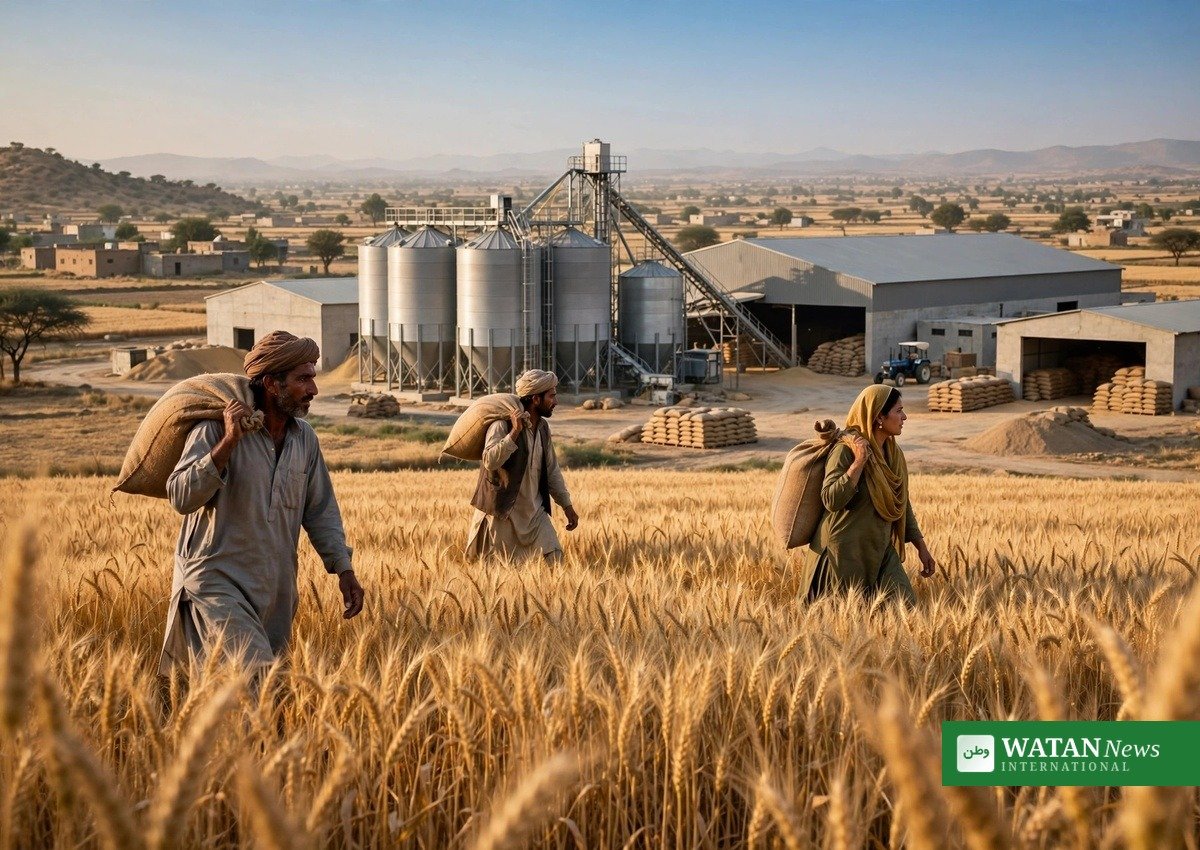
A significant part of the discussion was dedicated to agricultural finance, with particular focus on the IFC’s AgriConnect initiative. The initiative aims to improve agricultural practices through enhanced storage infrastructure and the use of electronic warehouse receipts as collateral, according to the ministry.
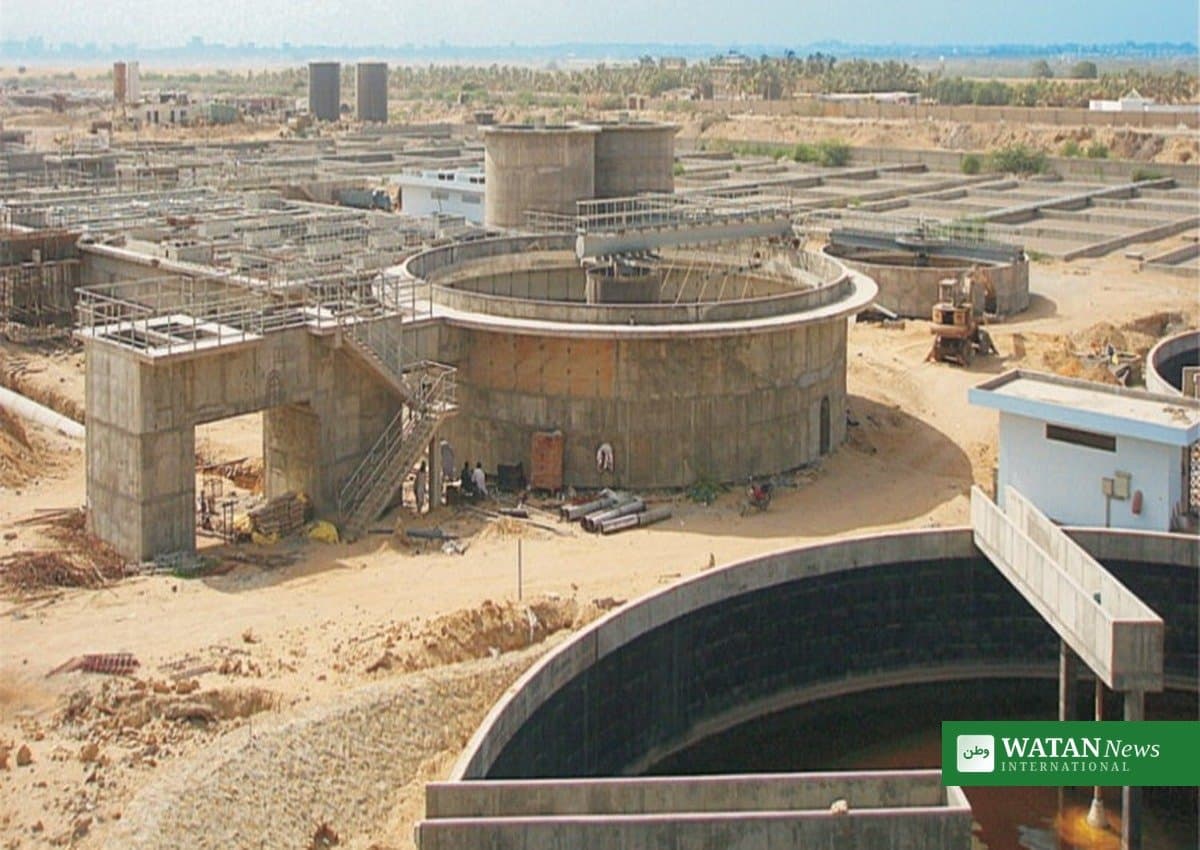
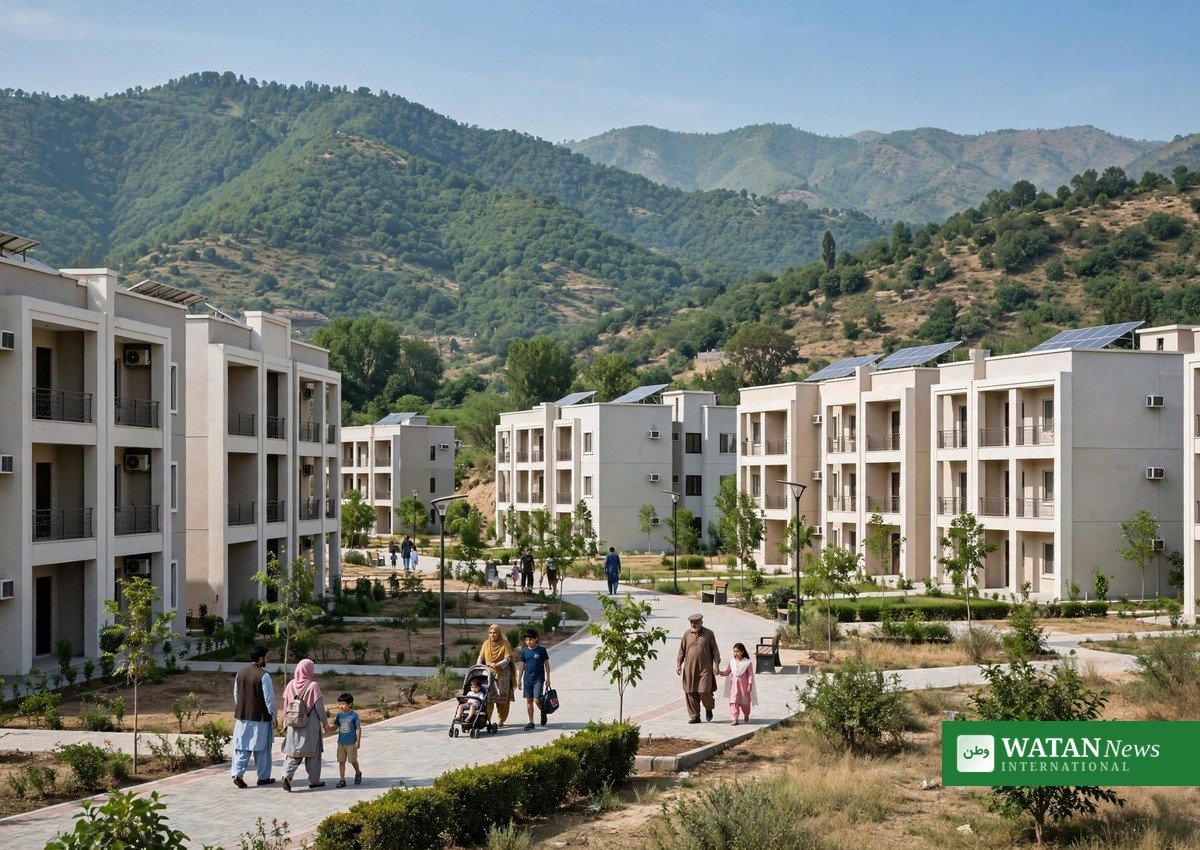
The IFC side also briefed the minister on affordable housing initiatives aimed at easing supply-side constraints through potential developer-financing models. Talks further covered public-private partnership projects in the water and power sectors – including water quality and safety, as well as advanced metering infrastructure.
Read more about Pakistan’s economy on Watan News Pakistan.
Conclusion
The Islamabad meeting reinforced Pakistan’s push for private-sector-led growth, with both sides agreeing that mobilising domestic and international capital – channelled through SMEs, agriculture, housing and infrastructure – is central to sustainable development. The emphasis on longer-term and local-currency financing signals a shift towards financing solutions tailored to Pakistan’s productive sectors rather than short-term, dollar-denominated flows. Follow the story at watannews.dk.