
As the Maine Senate race intensifies, voters along the scenic US Route 1 in Aroostook County are voicing significant concerns about economic issues — particularly the rising costs of heating oil and gasoline, alongside the impact of Canadian tariffs. This northernmost county, home to both Republican incumbent Senator Susan Collins and Democratic challenger Troy Jackson, is poised to be the critical battleground in a race widely considered a toss-up.
Key Facts
- The candidates: five-term Republican incumbent Sen. Susan Collins vs Democrat Troy Jackson, former Maine Senate president and fifth-generation logger.
- How Jackson got here: Jackson secured the Democratic nomination on July 25, 2026, at a special convention in Bangor, replacing Graham Platner, who withdrew after a sexual assault allegation that he denied.
- Top voter concerns on Route 1: heating oil prices ahead of winter, gasoline costs, and Canadian tariffs affecting local businesses.
- Why Aroostook matters: the northernmost county in the contiguous US is home to both candidates — Collins from Caribou, Jackson from Fort Kent — and has swung between parties in recent presidential elections.
- What’s at stake: the November 2026 midterm election, with control of the US Senate on the line.
Aroostook County: A Political Crossroads in the Maine Senate Race
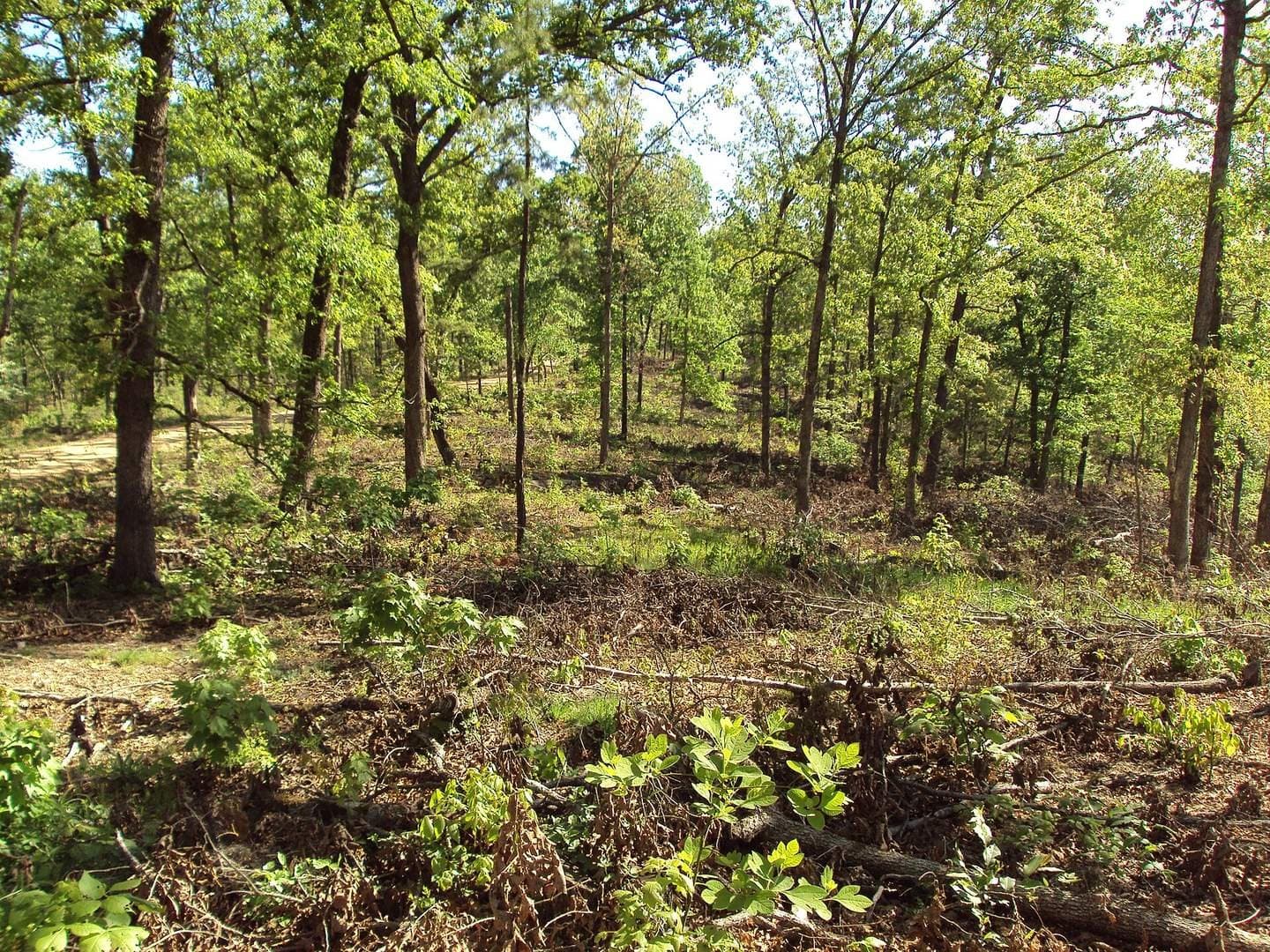
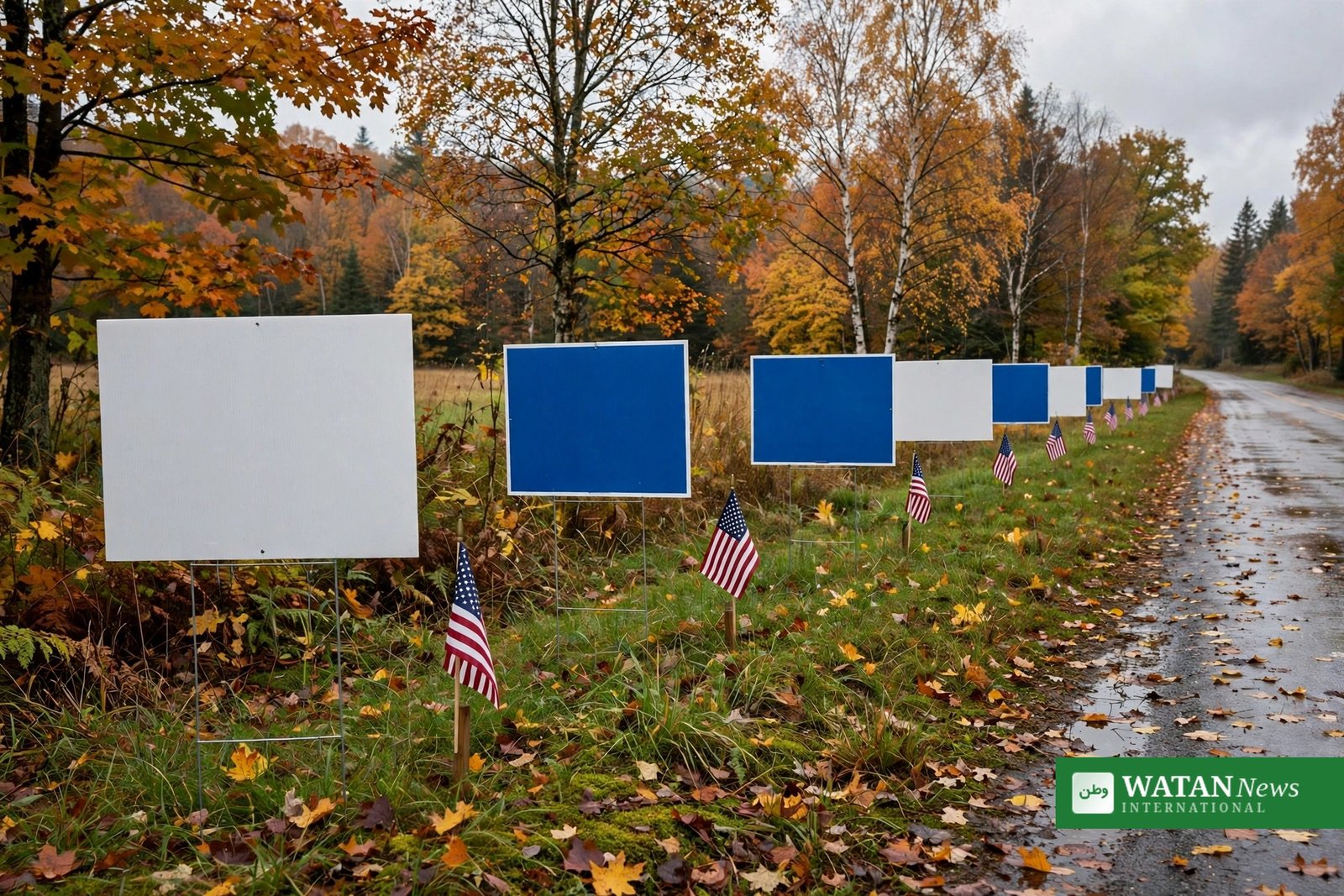
Fall foliage paints a vibrant backdrop along US Route 1 in Aroostook County, a region with a well-earned reputation for political independence — voting for Barack Obama in 2012 and Donald Trump in 2016. This year, campaign signs for both Collins and Jackson dot the landscape, underscoring the county’s pivotal role in the closely watched contest.
US Route 1 passes through the hometowns of both candidates — Caribou for Collins and Fort Kent for Jackson — making this stretch of highway the symbolic and literal center of the Maine Senate race.
Economic Anxieties: Heating Oil and Gas Prices
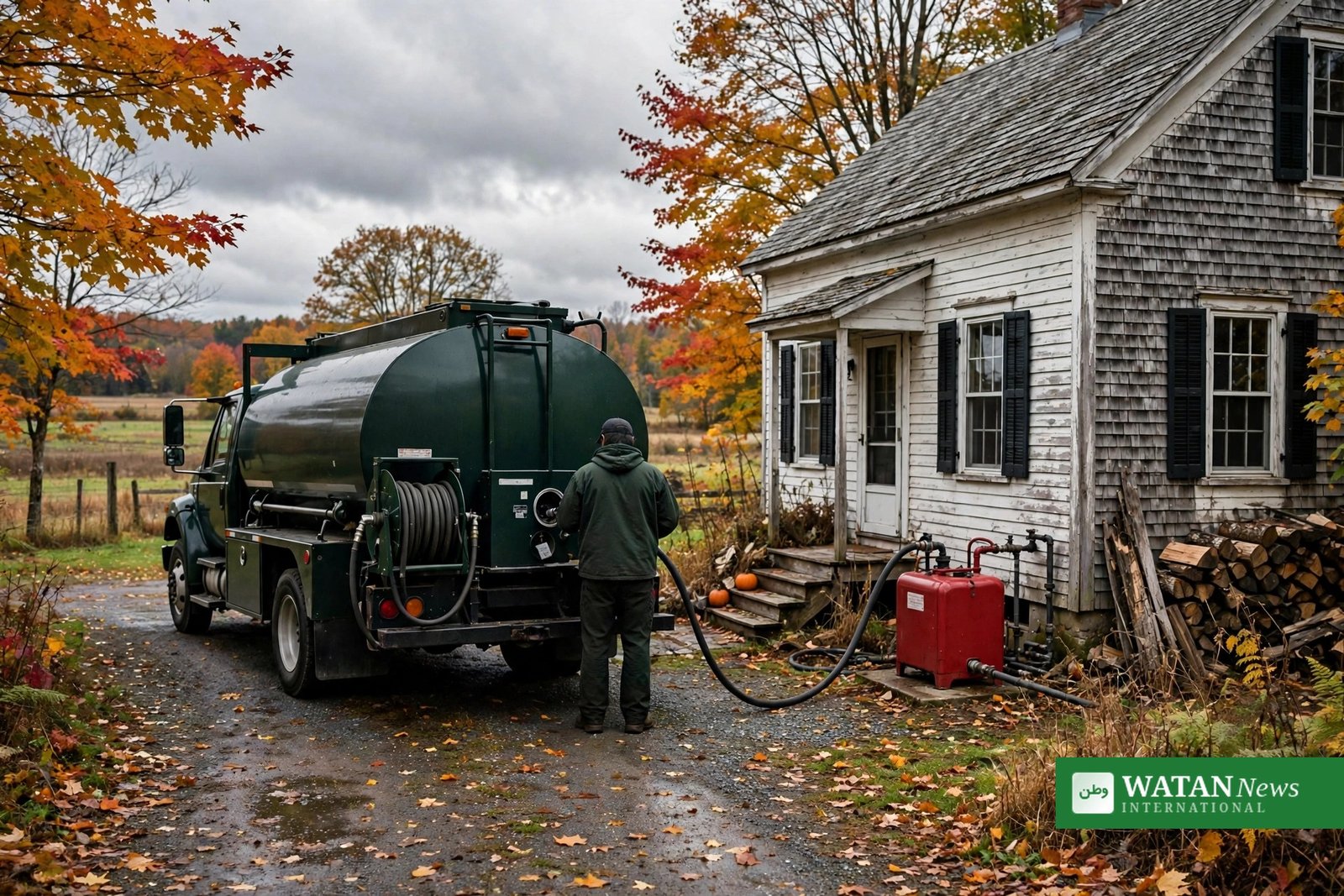
The dominant concern echoing from voters along Route 1 is the cost of staying warm and getting around. Heating oil, essential for surviving Maine’s harsh winters, is a major source of anxiety as households stock up for the cold months. Rising gasoline prices hit equally hard in a rural county where long commutes are a fact of life and local commerce depends on affordable transport.
Many voters say economic pressures are overshadowing every other issue in the campaign — and that whichever candidate offers a credible plan to lower everyday costs will earn their vote.
Canadian Tariffs Add Another Layer of Pressure
Beyond household expenses, trade policy looms large in a county that shares a long border with Canada. Tariffs raise the cost of imported goods and threaten the competitiveness of Maine businesses that export across the border, from agriculture to manufacturing.
For residents and business owners alike, the uncertainty around US–Canada trade relations adds economic stress on top of already-high energy costs — and voters say they want clear answers from both campaigns on how tariffs will be handled.
Candidate Strategies in the Maine Senate Race
Political analysts say both campaigns face distinct mobilization challenges in Aroostook County. Andrew Smith, director of the University of New Hampshire Survey Center, notes that Collins benefits from her established record but must energize rural, blue-collar voters. Jackson, meanwhile, must convert the grassroots energy of the Democratic base into turnout.
Collins’ Established Base
Christopher Lydon, chair of the Aroostook County Republican Committee, expresses confidence in Collins’ enduring appeal, pointing to her record of constituent service and her history of winning her home county by double-digit margins. Her campaign is emphasizing her seniority and her record of delivering for Maine.
Jackson’s Labor-Backed Challenge
Supporters of Troy Jackson believe he can break Collins’ streak in Aroostook County. Matt Schlobohm, executive director of the Maine AFL-CIO, highlights Jackson’s deep ties to organized labor and working-class issues. Jackson won the nomination with overwhelming delegate support after party leaders rallied behind him, and his campaign is focused on lowering costs for working families.
Conclusion
The Maine Senate race in Aroostook County is a microcosm of the economic anxieties shaping the 2026 midterms: heating oil, gasoline, and tariffs are not abstract policy debates here but daily realities. With both candidates’ hometowns on Route 1 and the county’s history of swinging between parties, rural turnout in northern Maine may well decide not just this seat, but the balance of the US Senate. For more international political coverage, see Watan News World.