Nairobi, 7 September 2026. Every US$1 invested in tackling climate change and air pollution together can generate around US$15 in economic benefits, according to a landmark report from the UN Environment Programme (UNEP) and the Climate and Clean Air Coalition (CCAC). Released on the International Day of Clean Air for blue skies, Hidden Assets: The Economic and Health Case for Climate and Clean Air Action is the first comprehensive global economic assessment of integrated climate and clean air action — and it finds the joint return is higher than tackling either challenge alone.
FAKTA: The UNEP climate and clean air report
- Headline finding: US$1 spent on integrated climate and clean air action can return about US$15 in market and non-market economic gains. Market benefits alone return about US$4 per US$1.
- Who published it: UNEP and the Climate and Clean Air Coalition, released 7 September 2026 in Nairobi on the International Day of Clean Air for blue skies.
- The package: 25 measures across six sectors — energy and fossil fuel systems, industry, transport, agriculture and food systems, residential cooking and heating, and waste management.
- Annual benefits: equivalent to 2.8% of global GDP in 2035, 4.5% in 2050 and 11.4% in 2100, with an internal rate of return of 60%.
- Health impact: in 2025, human-caused outdoor PM 2.5 and ozone were linked to about 6.4 million premature deaths and household air pollution to another 2 million, including around 300,000 children.
- Cost of delay: every year of delayed action forgoes more than US$1.5 trillion in benefits — about 0.5% of global GDP.
Clean air as an economic asset
UNEP Executive Director Inger Andersen said the report overturns the way climate and clean air policy has long been framed. “For too long, we have treated climate action as a cost to be managed and air pollution as the unfortunate outcome of development,” she said. “This report shows the opposite: clean air is a key driver of development, health, food and energy security, and climate stability — an asset we must invest in.”
Andersen added that the solutions already exist. “Proven solutions already exist. What we lack is the decisive leadership from governments, financial institutions, and businesses to deliver them with the speed and coordination this crisis demands.” Simon Dietz, co-chair of the assessment and professor of environmental policy at the London School of Economics, said joint modelling showed returns “larger than each could show alone because the same sources, sectors and policies so often drive both.”

What the 25 measures would deliver
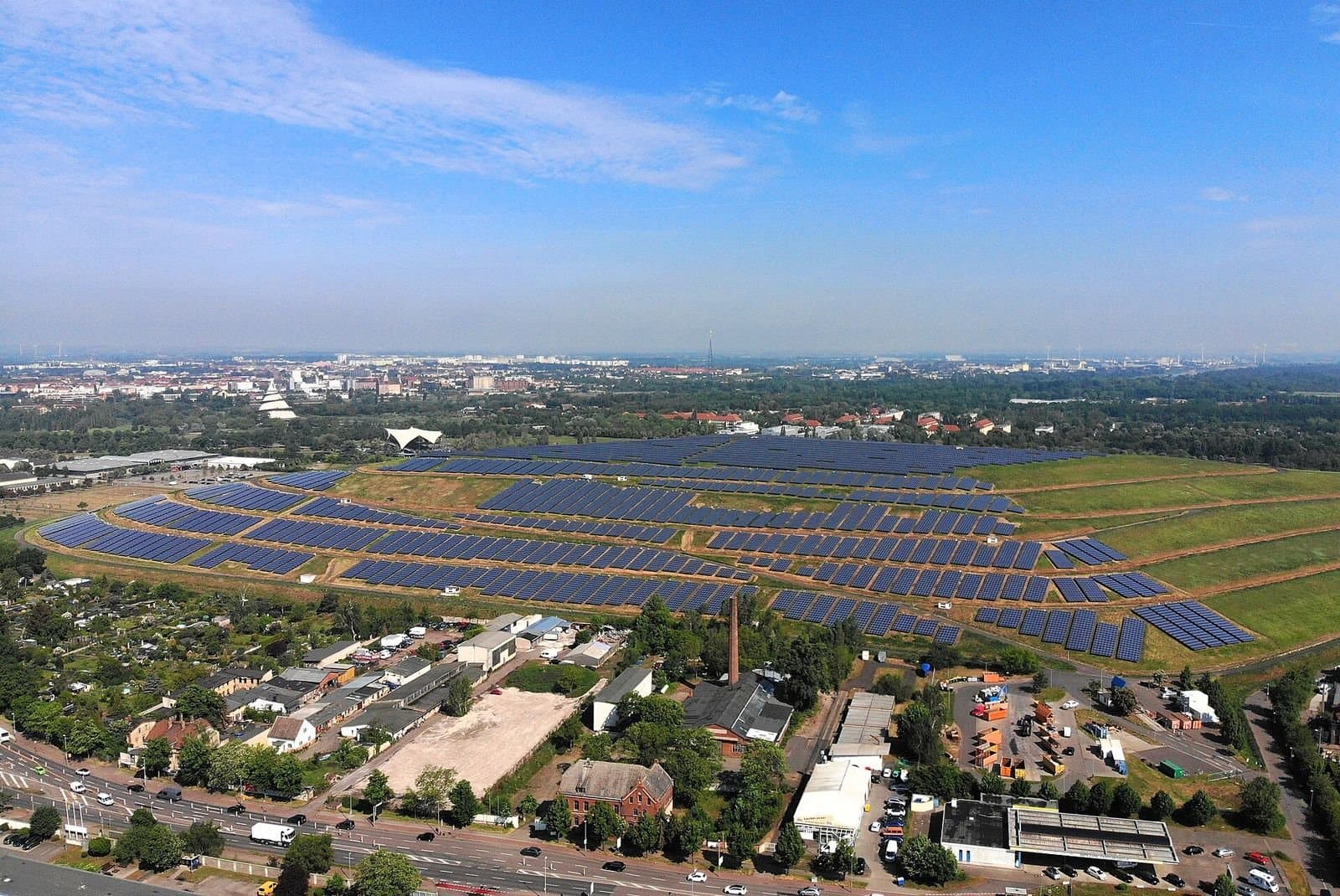
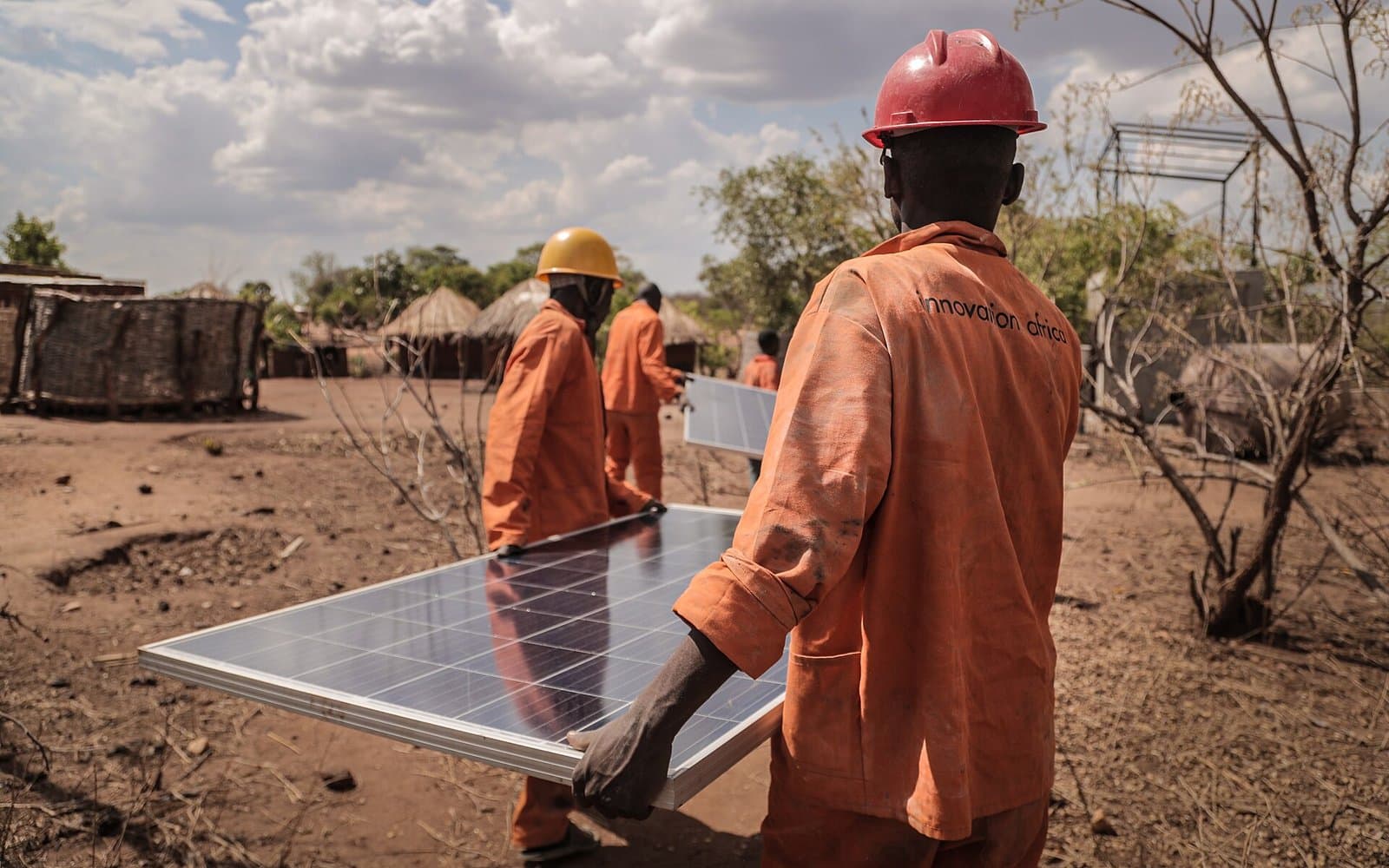
The report’s package of 25 measures covers renewable power and energy efficiency, clean cooking and heating, tighter vehicle emission standards, electric vehicles, low-sulphur shipping fuels, gas recovery to end routine venting and flaring, better manure and fertiliser use, improved rice cultivation, alternatives to crop-residue burning, better solid-waste and wastewater management, and phasing down hydrofluorocarbons.
Full implementation would bring annual benefits equal to 2.8 per cent of global GDP in 2035 and 4.5 per cent in 2050, or about US$4 per US$1 if non-market welfare is left out. Implementing the measures would cost the equivalent of 0.7% of global GDP over the next decade, falling to about 0.5% by the end of the century — less than the 2.18% of global GDP spent on explicit fossil fuel subsidies in 2022.
| Year | Annual economic benefit (% of global GDP) | Health and climate milestones |
|---|---|---|
| 2035 | 2.8% | — |
| 2050 | 4.5% | 144 million premature deaths prevented; CO2 emissions halved; methane −60%; major air pollutants −70%; about 0.34°C of warming avoided |
| 2100 | 11.4% | About 1.4°C of warming avoided; CO2 net negative; major air pollutants down by up to 85% |

The cost of delay
Each year of delay would forgo more than US$1.5 trillion in combined market and non-market benefits. “Every year of delay costs the world more than US$1.5 trillion in benefits that we cannot recover,” said Elliott Harris, Independent Co-Chair of the assessment. The report identifies fragmented decision-making, weak enforcement capacity and poor coordination between government institutions as the biggest barriers — delaying full implementation globally by almost eight years.
Addressing those barriers through stronger regulation, fiscal incentives and better government coordination could accelerate the deployment of profitable emissions-reduction technologies and unlock up to US$10 trillion in additional health benefits by 2040, the report finds. About 95% of premature deaths attributable to air pollution occur in low- and middle-income countries, which stand to gain the most from faster action.
Read also: UN: US$1 on climate and clean air together can return about US$15 on Watan News’ English main site, and UNEP’s press release on the report.
Conclusion
The Hidden Assets report reframes the economics of environmental policy: integrated action on climate and clean air is not a cost to be managed but an investment with a 15-to-1 return — higher than either agenda can deliver alone. The numbers are stark — 144 million preventable deaths, trillions in forgone benefits for every year of delay — and the measures are proven. As Inger Andersen put it, what is missing is not technology but decisive leadership from governments, financial institutions and businesses.