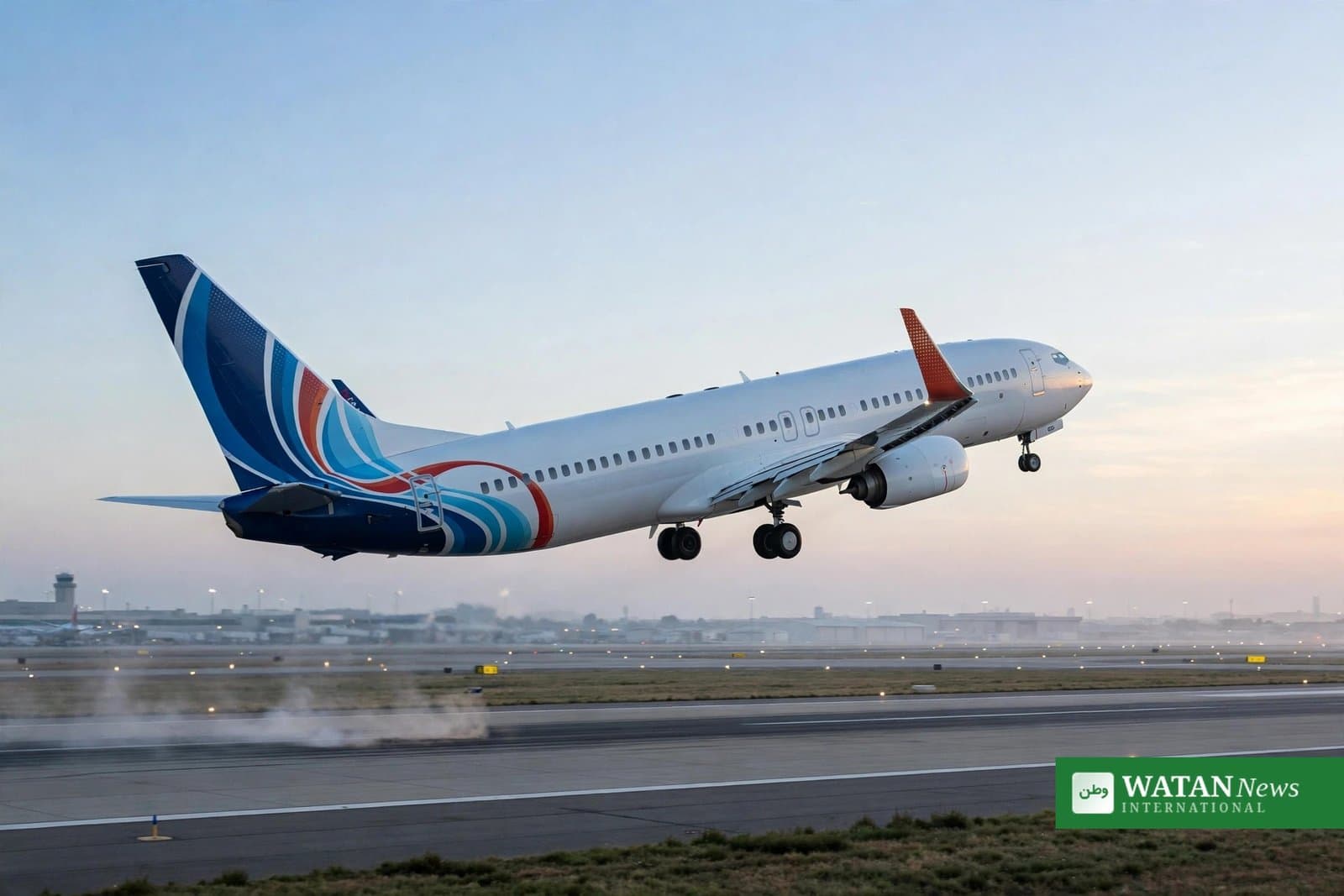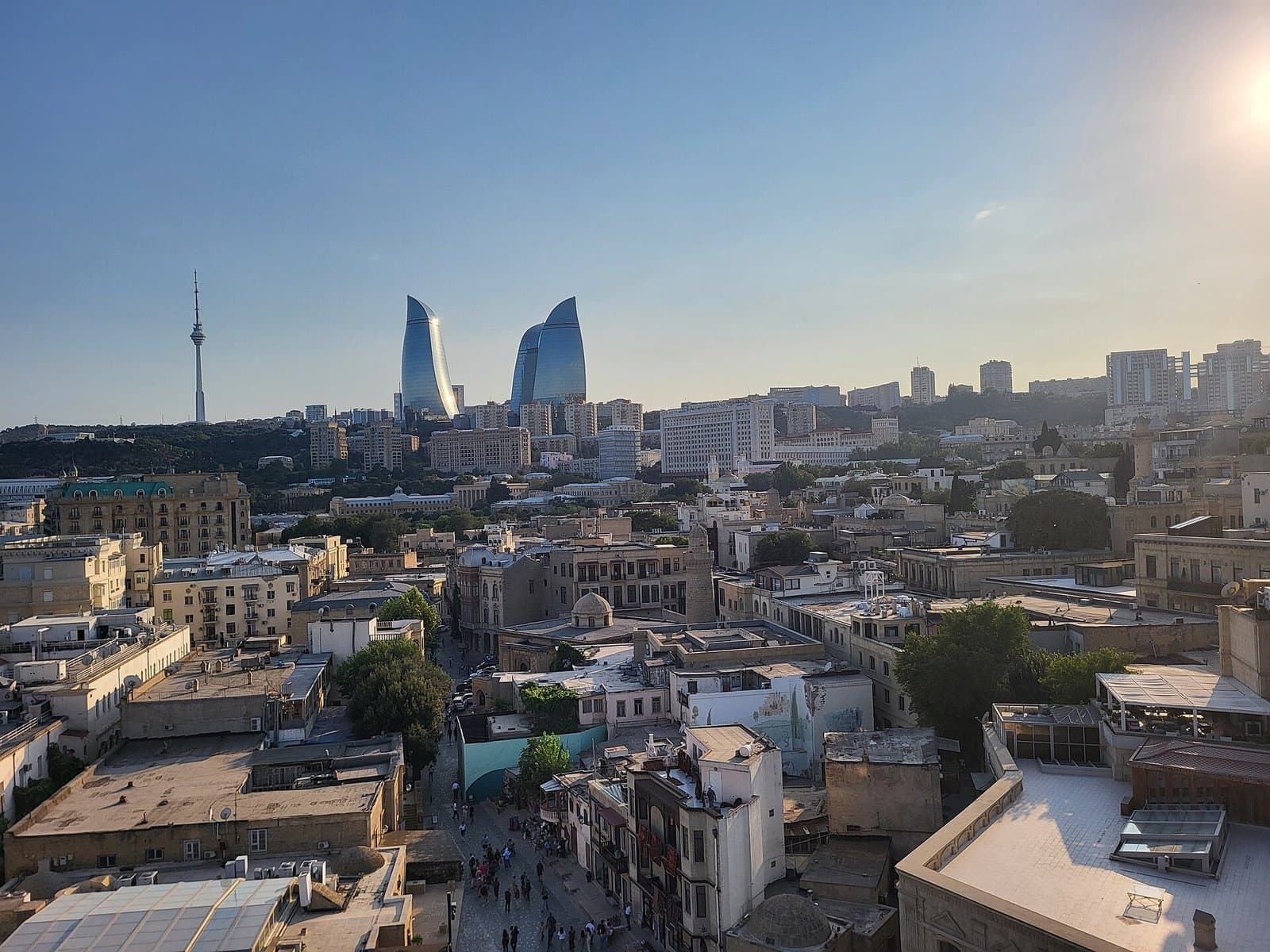
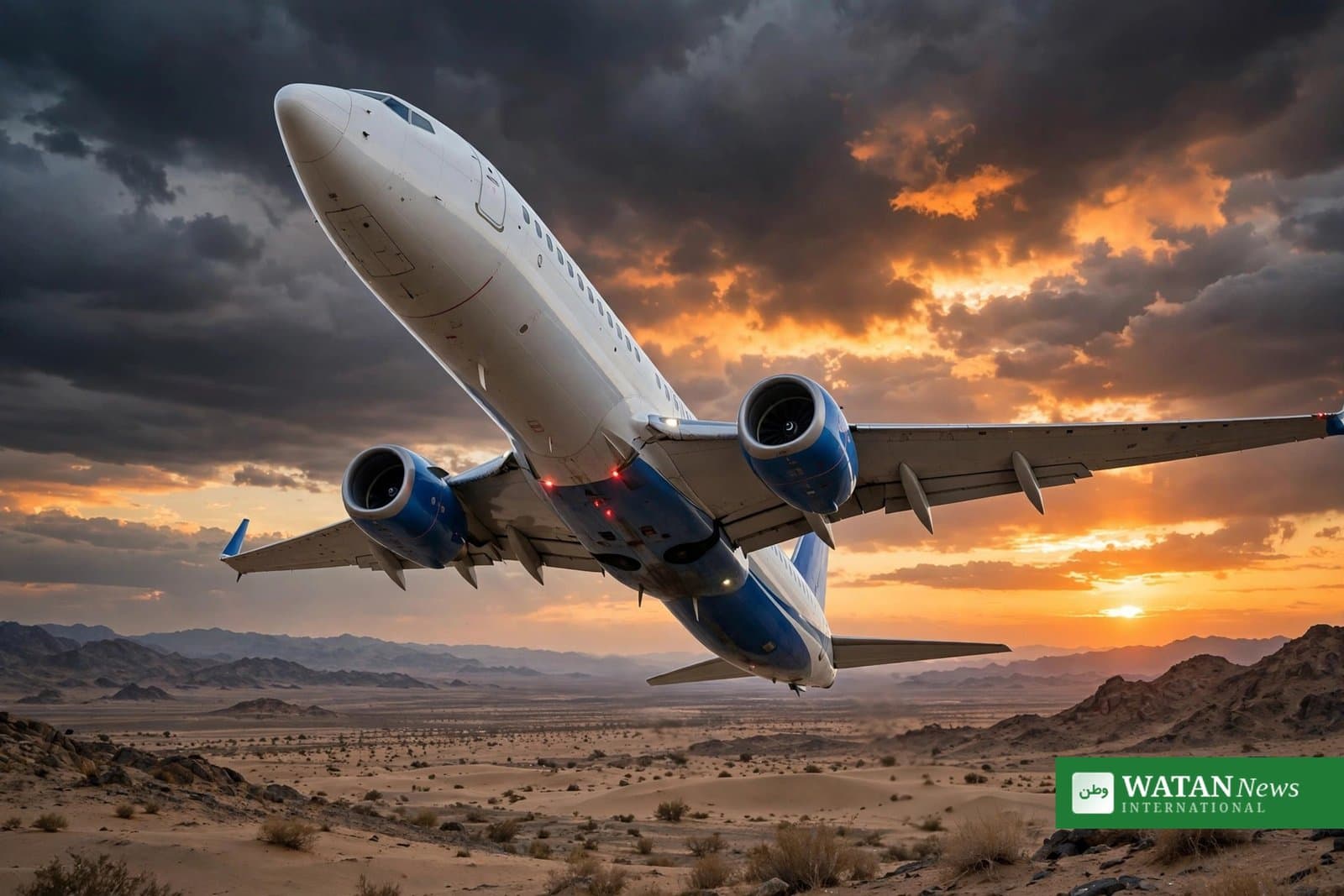
What should have been a routine three-and-a-half-hour hop from Dubai to Tel Aviv turned into one of the most frightening episodes in recent aviation history on Wednesday, September 30. In a FlyDubai cockpit attack at cruising altitude, the first officer allegedly stabbed his captain and tried to bring the aircraft down — and 174 lives were saved only because the wounded captain and passengers fought back. The Boeing 737 MAX 8, operating as FlyDubai flight FZ1073, eventually landed safely in Tabuk, Saudi Arabia, after a terrifying sequence of dives captured live on flight-tracking data.
FAKTA: FlyDubai flight FZ1073
Flight: FZ1073, Dubai International (DXB) → Ben Gurion International, Tel Aviv (TLV), September 30, 2026
Aircraft: Boeing 737 MAX 8, registration A6-FKF
On board: 174 people (passengers and crew)
Cruise: 34,000 feet over Saudi Arabia; attack began roughly 2.5 hours after takeoff
Descent: plunged some 17,000 feet in two minutes, according to Israeli media; Flightradar24 data shows a steep descent, a sharp climb, a second descent, and stabilization near 15,000 feet
Emergency codes: 7700 (general emergency), 7500 (unlawful interference / hijacking), 7700 again on approach
Diversion: Tabuk Airport (TUU), northwestern Saudi Arabia — after briefly entering Jordanian airspace
Victim: Capt. Smit Machchhar, Indian national from Mumbai — seriously injured, stable condition in a Saudi hospital
Outcome: first officer restrained; FlyDubai suspended Israel flights pending investigation; passengers reached Tel Aviv on a replacement aircraft Wednesday evening
FlyDubai cockpit attack: mid-flight violence at 34,000 feet
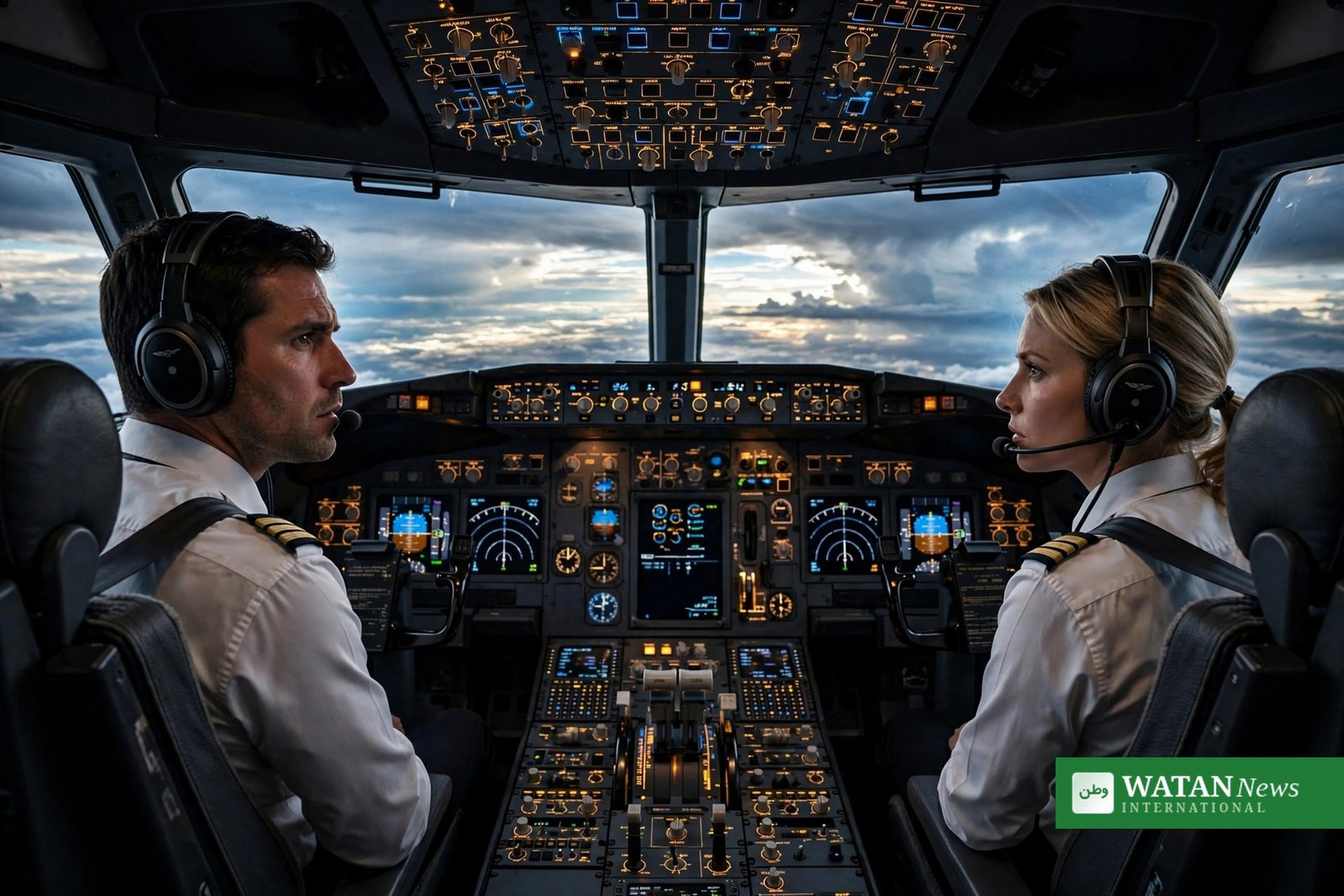
According to Israeli Prime Minister Benjamin Netanyahu, cited by Reuters, the first officer stabbed Captain Smit Machchhar and attempted to crash the aircraft. Israeli officials say the wounded captain managed to unlock the cockpit door, allowing passengers and crew to rush in and restrain the attacker mid-flight.
FlyDubai’s own statement is more restrained but confirms the core facts. The airline acknowledged “an altercation” on the flight deck and said the aircraft “was successfully secured by on-duty flydubai crew travelling on the flight, who diverted and landed the aircraft safely at Tabuk Airport”. The airline says the underlying reasons and motives remain unknown and are subject to a formal investigation.
Passenger Almog Italie told Reuters the aircraft rapidly dropped, stabilized, and then dropped again, while passengers rushed toward the cockpit. Reuters also verified a video showing two bloodied men lying on the floor of the aircraft after the struggle. Tabuk Airport confirmed both pilots were injured and taken to hospital.
What the Flightradar24 data shows
Tracking data tells a story of a cockpit struggle expressed in altitude. After cruising at 34,000 feet, the aircraft entered a steep descent, climbed sharply, descended again, and finally settled around 15,000 feet. During the incident it transmitted three transponder codes in sequence: 7700, the general emergency code; 7500, the code for unlawful interference commonly associated with hijacking; and 7700 again as it approached Tabuk. The aircraft briefly crossed into Jordanian airspace before returning to Saudi airspace and landing.
Captain Smit Machchhar hailed as a hero
The man credited with averting catastrophe is Capt. Smit Machchhar, an Indian national from Mumbai who has worked for FlyDubai for about four years after joining as a direct-entry captain in June 2022. He previously spent 11 years with SpiceJet, the Indian low-cost carrier, where he served as a senior commander and line training captain, and has logged more than 9,750 flying hours.
Despite being seriously injured, Machchhar fought back and got the cockpit door open — the decisive moment that let Israeli passengers and the Emirati crew intervene, as Israel’s Foreign Ministry put it in a public tribute: “This man is a hero.”
Indian Prime Minister Narendra Modi echoed that on Thursday, writing: “In the face of the gravest danger and despite being seriously injured, he showed immense courage and an unwavering resolve to protect the lives of others. His valor helped save hundreds of lives and avert a great tragedy.” Machchhar was in stable condition, and the Indian Embassy in Riyadh said it was in contact with his family and Saudi authorities.
Emergency landing in Tabuk
The stricken jet touched down safely at Tabuk Airport in northwestern Saudi Arabia. The UAE’s General Civil Aviation Authority described the episode as a security incident, confirmed the injured crew members received hospital treatment, and said its investigation covers both operational and security aspects.
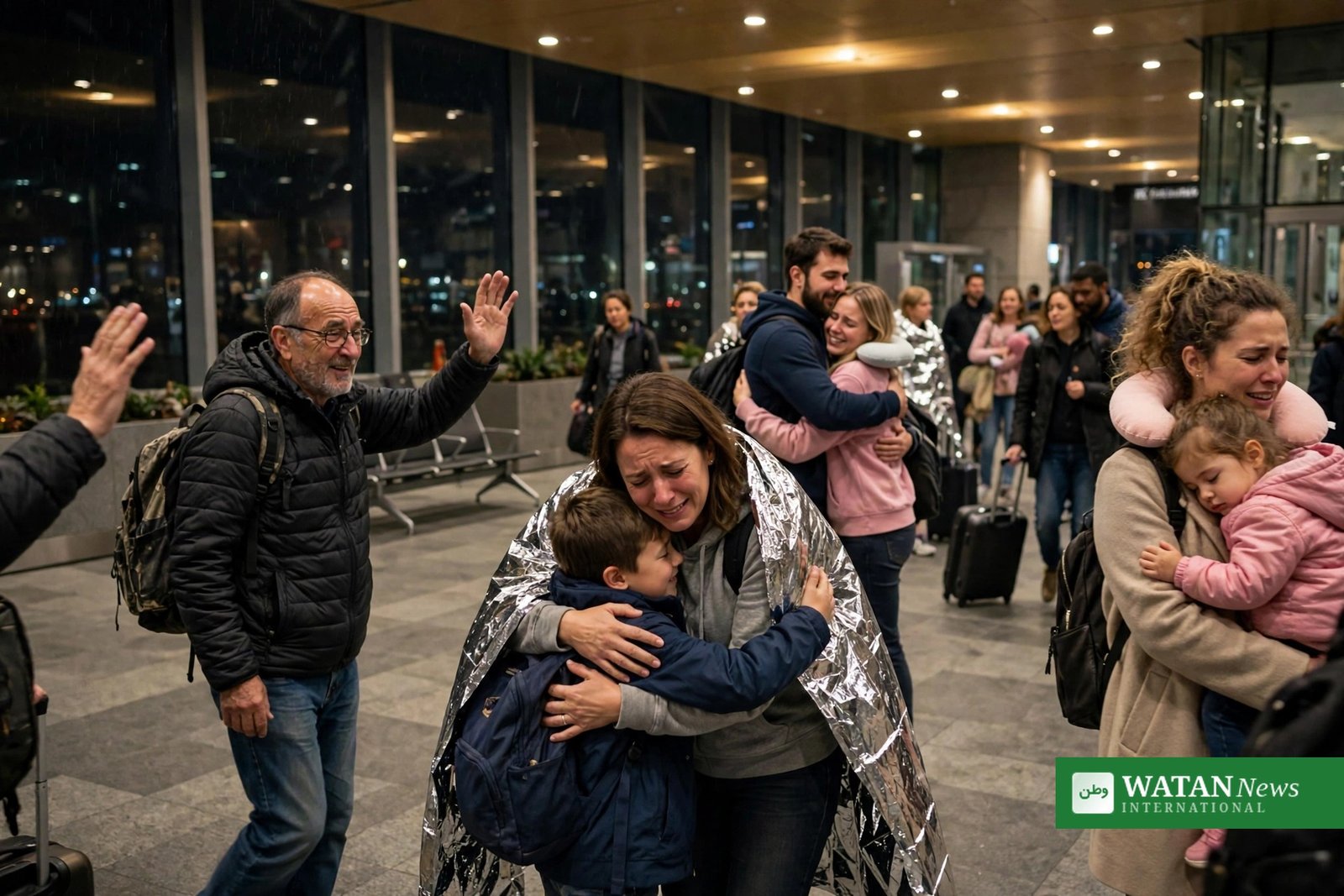
FlyDubai sent a replacement aircraft to Tabuk, and the shaken passengers continued to Tel Aviv, where they were welcomed at Ben Gurion Airport on Wednesday evening. The airline has now suspended flights to and from Israel while the investigation continues.
Investigation: conflicting accounts
Two narratives are emerging, and investigators have yet to reconcile them. Israeli officials, including the prime minister, describe a deliberate attempt to crash the aircraft — Israeli media reports the attack is being investigated as an attempted terror attack. FlyDubai and the UAE aviation regulator have not gone that far, confirming a cockpit altercation while saying the motive remains unknown.
Early reports were muddled: some described a routine fight between pilots, and there were incorrect claims about the pilots’ nationalities — including a supposed dispute between a Russian and a Ukrainian pilot. Those claims appear wrong; the captain is confirmed as Indian. As one aviation analyst noted, a cockpit fight and an attempted crash could be part of the same incident — but the second claim goes much further, and the motive has not yet been revealed.
Conclusion
The FlyDubai cockpit attack over Saudi Arabia came perilously close to becoming an unprecedented air disaster. That 174 people walked off a plane in Tel Aviv instead is owed to a seriously wounded captain who refused to give up the aircraft, and to the passengers and crew who stormed the flight deck. With FlyDubai’s Israel flights suspended and investigations running in the UAE, Israel, and Saudi Arabia, the central question — why the first officer did it — remains unanswered.