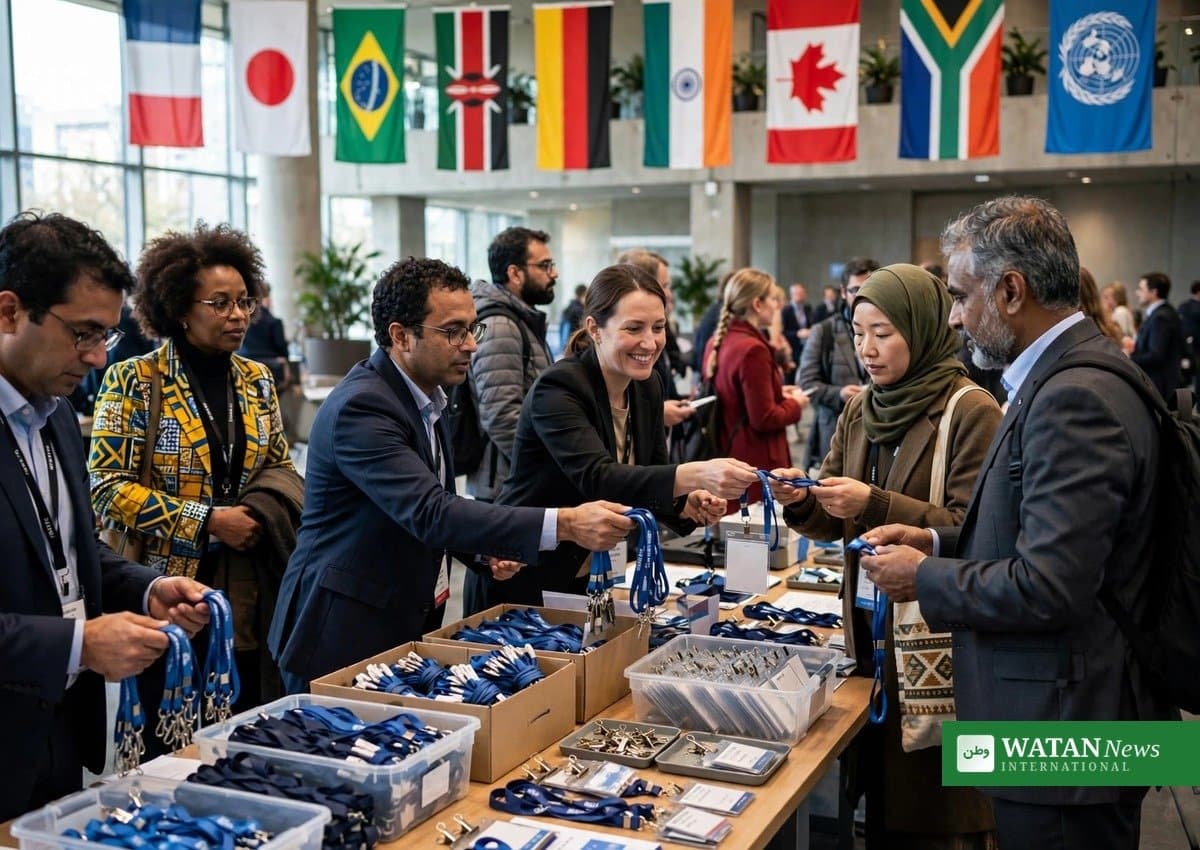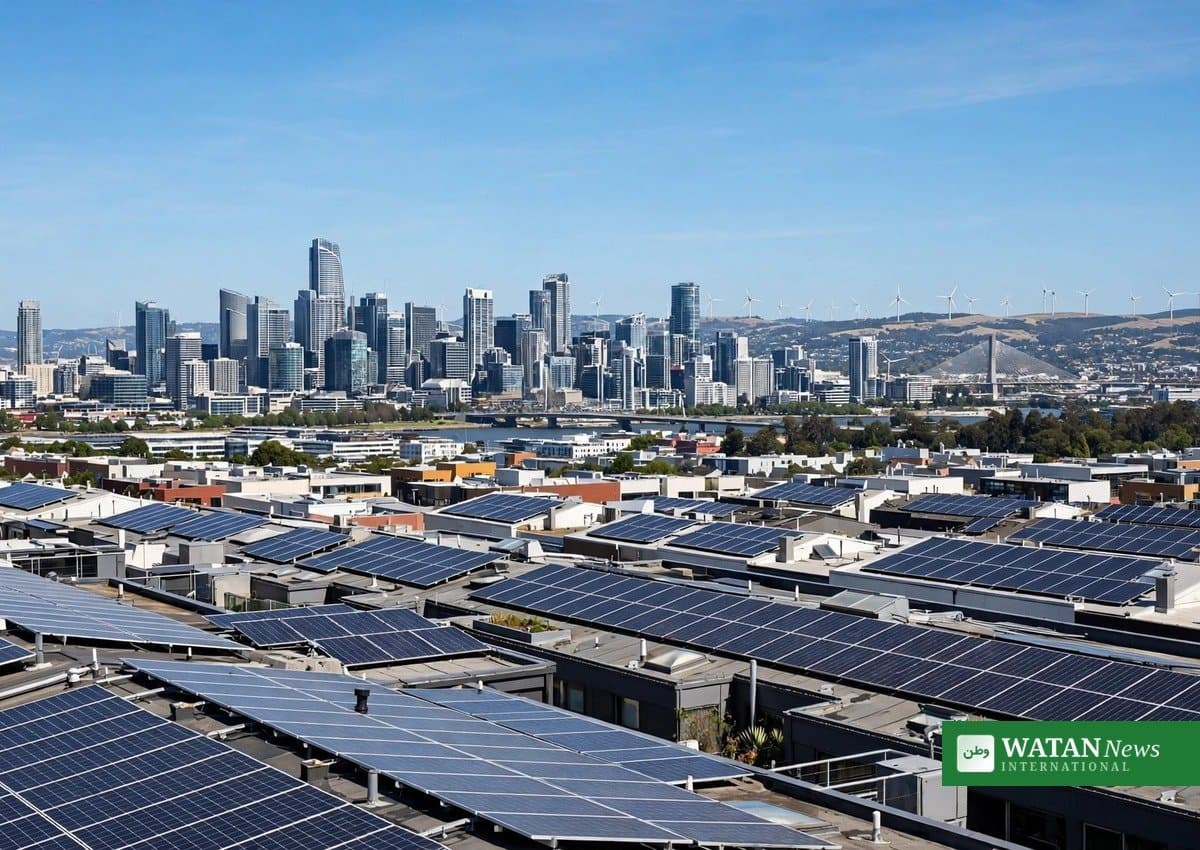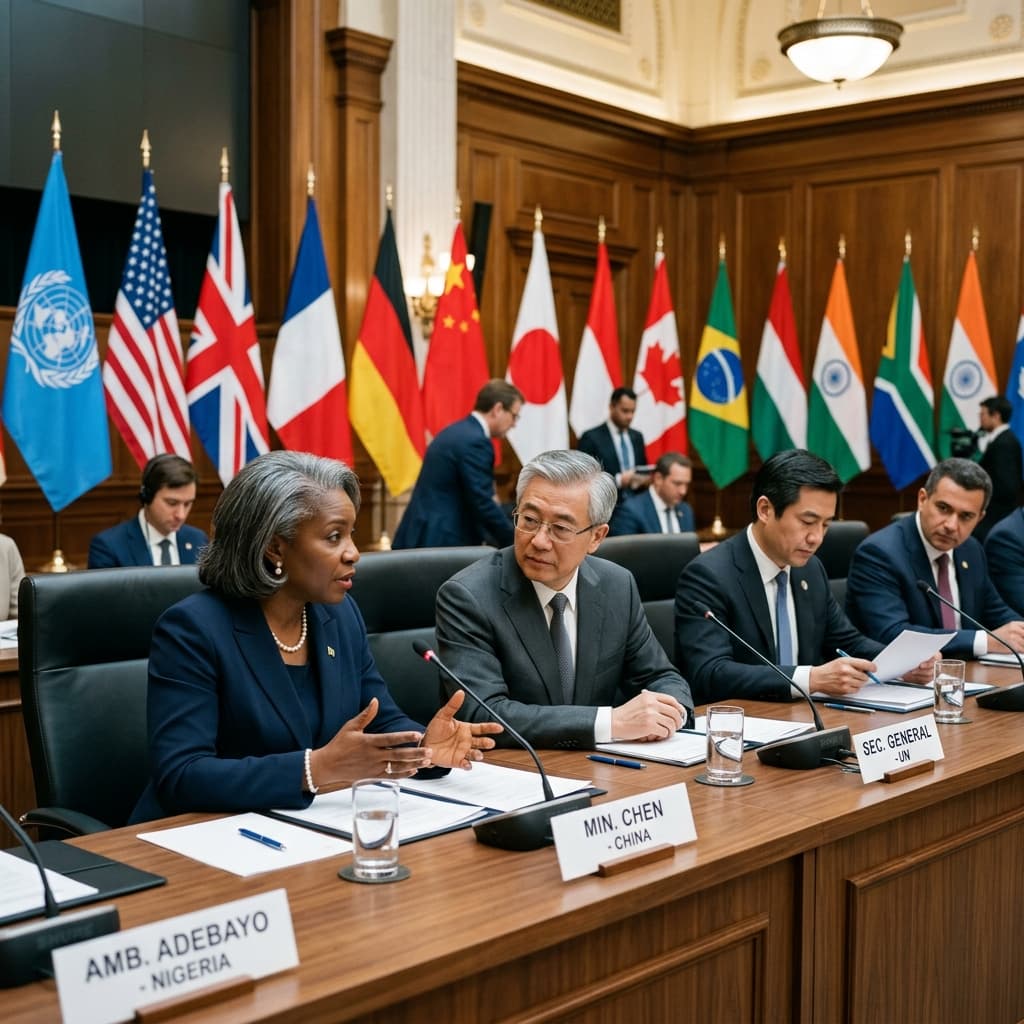
On 25 September 2026, during the 81st UN General Assembly in New York, governments launched a funding alliance for the Global Ocean Observing System.
European Commission President Ursula von der Leyen and Canadian Prime Minister Mark Carney opened the OceanEye International Alliance for the system, known as GOOS. UNESCO’s Intergovernmental Oceanographic Commission and the World Meteorological Organization, both co-sponsors, organized the pledging event.
The European Union pledged an additional €92 million. Carney pledged 82 million Canadian dollars over five years to expand Canada’s ability to observe the ocean. Partners have so far secured more than 339 million Canadian dollars, or €211 million, in cash, in-kind support and assets such as research vessels, sensors, drones and data-processing facilities. Organizers said the observations are essential for safe navigation, weather forecasting, climate predictions, coastal resilience, protection of the high seas and thriving economies, coastal and landlocked alike.
A fixed watch is missing
GOOS is led by the UNESCO ocean commission and co-sponsored by WMO, the UN Environment Programme and the International Science Council. It coordinates about 120,000 observations a day from 8,000 platforms operated by 64 countries and 17 networks. WMO and the commission say the data underpin forecasts, early warnings and longer-term climate monitoring. They also say the system is at risk, including from a lack of long-term investment. The EU announced the alliance in March 2026, as part of OceanEye, to secure that funding.
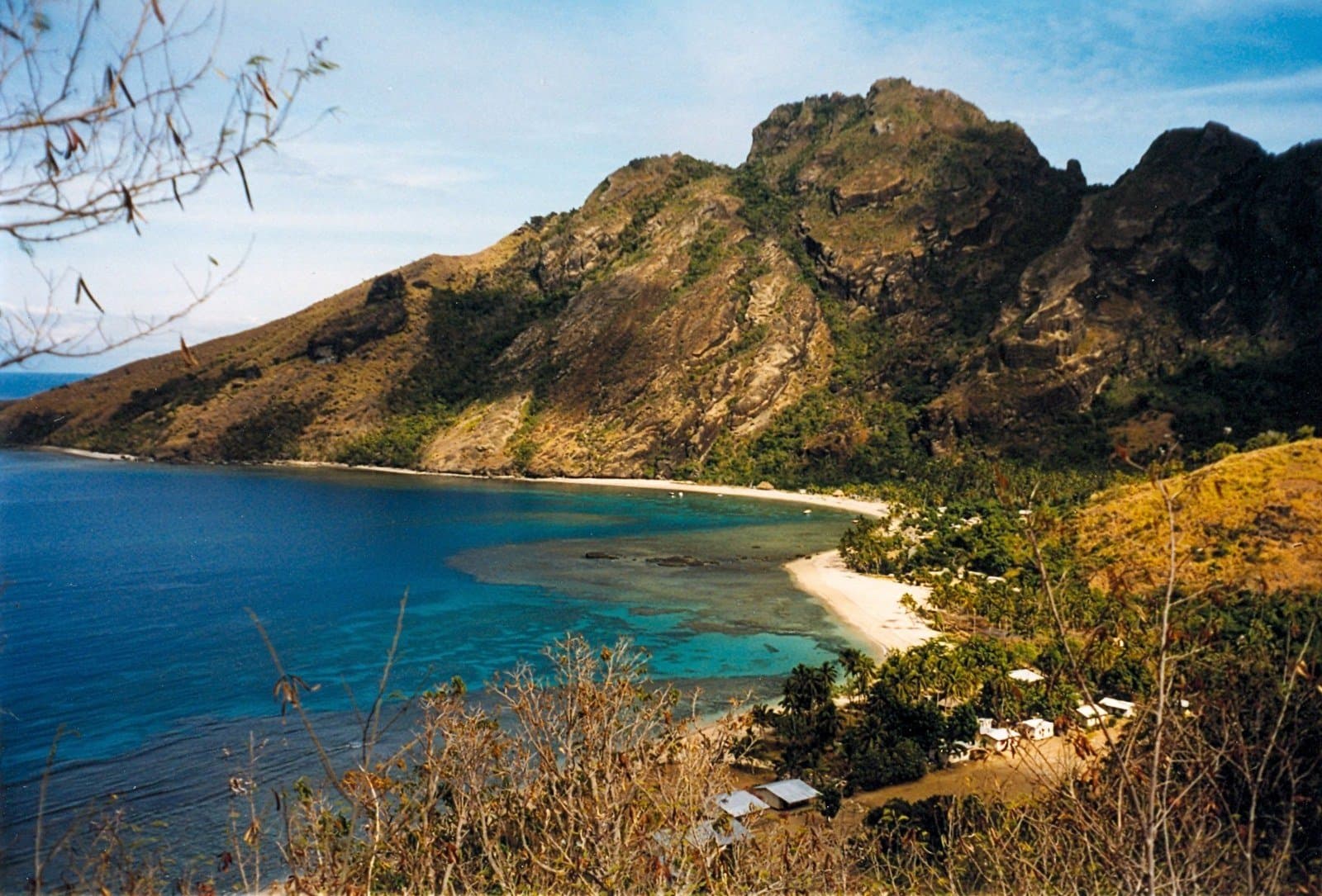
No near-equatorial moored buoys are operating west of 165 degrees East in the tropical Pacific, so part of the western Pacific warm pool has no fixed observing presence. That region helps shape El Niño and La Niña and, with them, rainfall and drought patterns around the world. Warnings of tropical cyclones, severe precipitation and extreme heat also depend on real-time ocean observations, the organizers said. The Southern Ocean, the poles and the deep ocean need stronger coverage.
Thirty-one members have joined, including Canada, the EU and 29 countries. Further pledges are expected at COP31 in Antalya, from 9 to 20 November 2026.