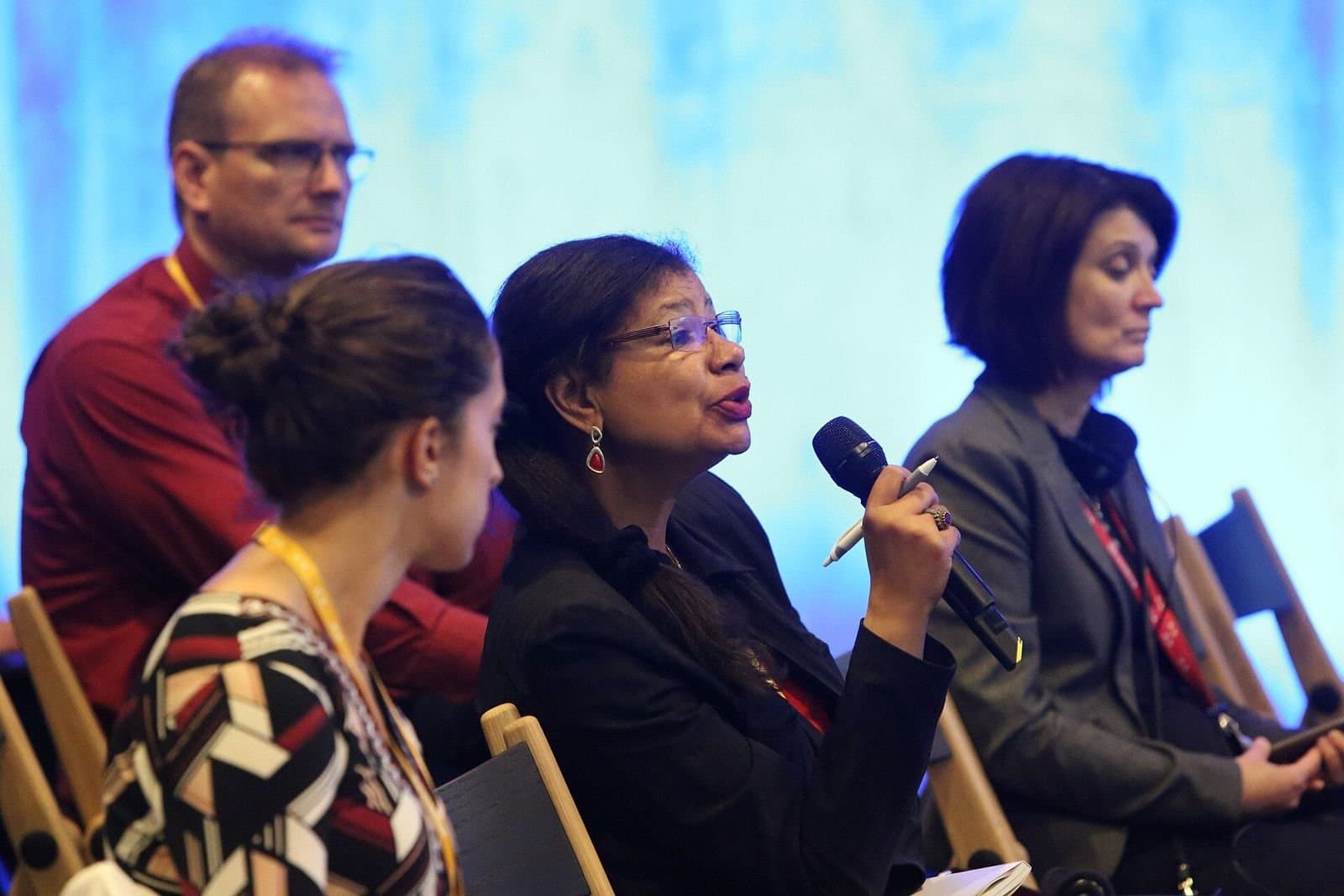
Singapore, the United Arab Emirates and Dong Mingzhu, chairwoman of Gree Electric Appliances, are the first Cool Leaders named by the UN Environment Programme.
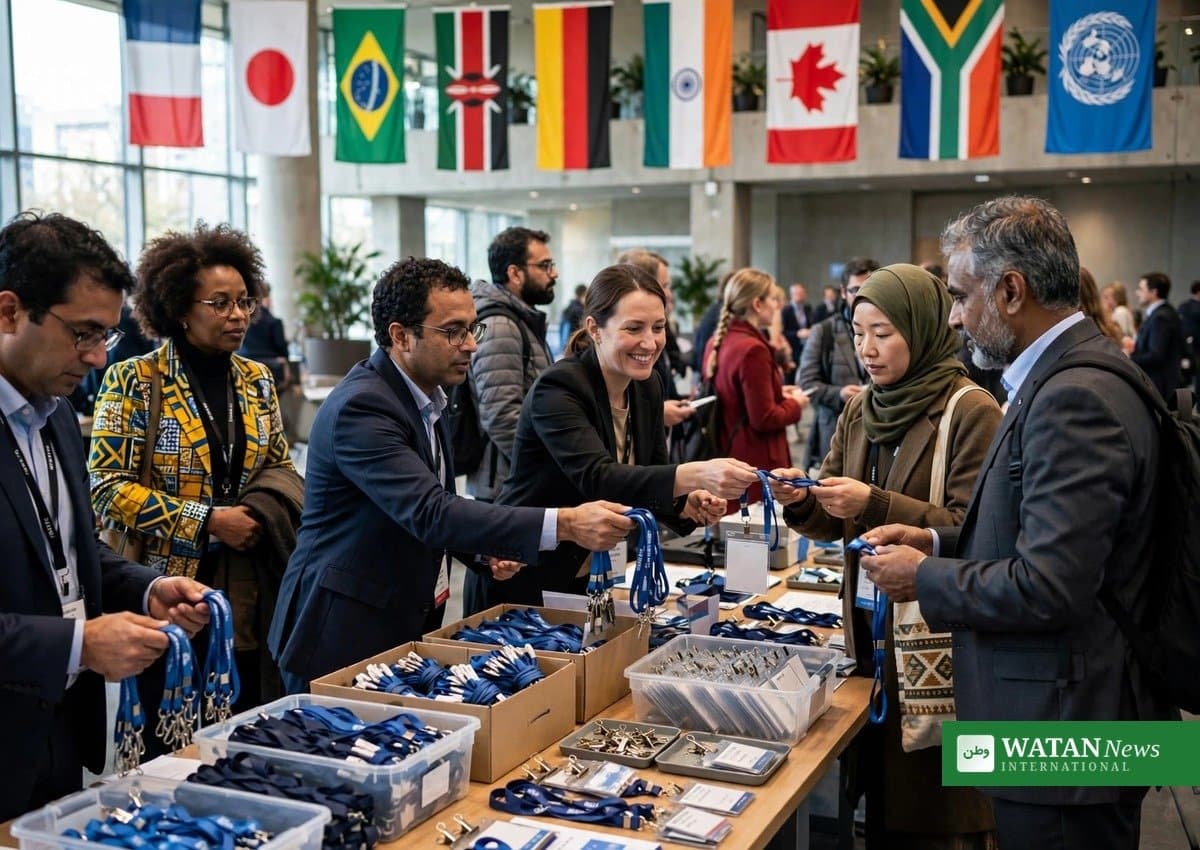
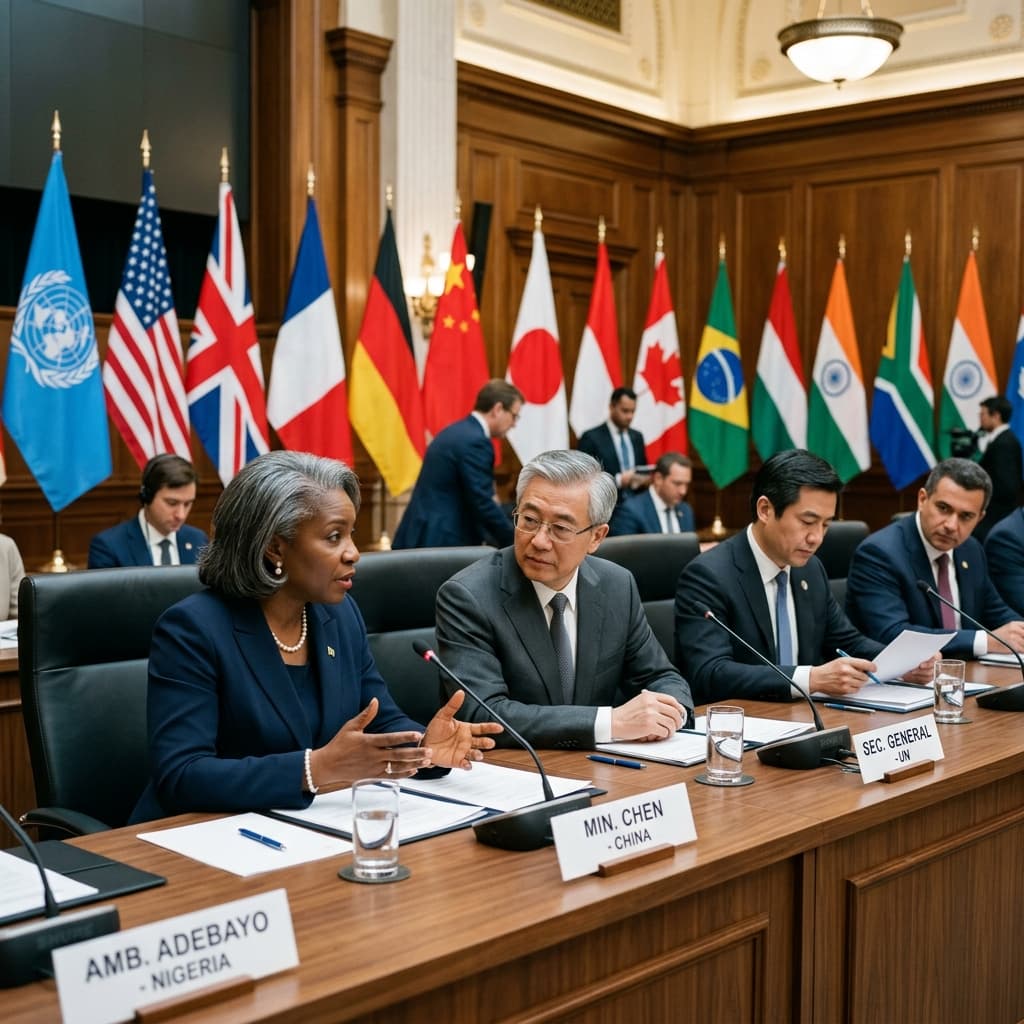
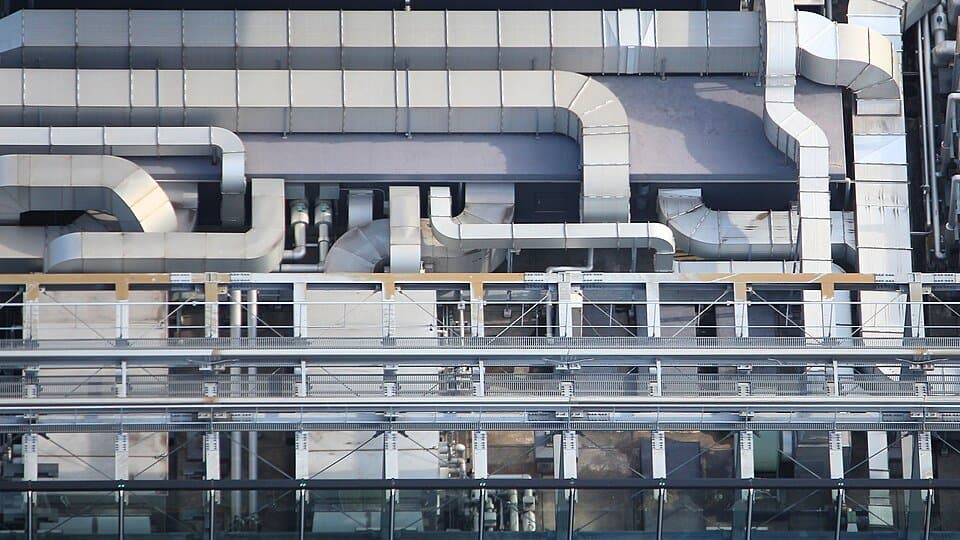
UNEP announced the awards on 17 September 2026 at the Global Cooling Pledge Assembly in Singapore. Singapore was recognised for passive cooling and heat resilience. The Emirates were recognised for district cooling and for advancing cooling in global climate and development policy. Dong was recognised for ultra-efficient, low-carbon cooling technologies, including the Zero Carbon Source air-conditioning system.
UNEP called extreme heat one of the deadliest and fastest-growing climate risks. By 2050, it said, the world is expected to have 5.6 billion air conditioners, nearly three times today’s number.
Inger Andersen, UNEP’s executive director, said the Global Cooling Pledge was created to meet rising demand through passive cooling, super-efficient technology and climate-friendly refrigerants. “Three years later, the world has never understood the danger of extreme heat better,” she said.
What was launched with the awards
Brazil, Cambodia and Côte d’Ivoire joined a Nature for Cooling Challenge led by UNEP and Sustainable Energy for All, backed by a US$3 million Global Environment Facility grant and 33 million in co-financing. UNEP said urban forests, parks, green roofs and other nature-based projects can cut peak summer temperatures by up to 5°C.
Governments began shaping a Global Roadmap on Heat Resilience for a Warming World, to protect schools, hospitals, workplaces and energy systems and to limit the climate cost of cooling. A Manufacturing Platform under the Cool Coalition, run by UNEP’s United for Efficiency programme, is meant to spread efficient equipment and refrigerants with low or ultra-low warming impact. Gree joined. The meeting was also the first of an Intergovernmental Committee on Cooling.
Launched at COP28 in 2023, the pledge aims to cut cooling-related emissions by at least 68 per cent below 2022 levels by 2050, widen access to sustainable cooling by 2030, and raise the average efficiency of new air conditioners sold by 50 per cent by 2030. Denmark, Italy, Switzerland and the United Kingdom are among the funders.