Morocco will stay committed to the ceasefire in Western Sahara despite the end of the United Nations peacekeeping mission in the territory, the Royal Palace said on Wednesday, in Rabat’s first formal statement on the post-mission security arrangements. The Morocco Western Sahara ceasefire commitment, described by the palace as voluntary, will not change now that the mission’s monitors are gone.
FAKTA
- Morocco says its voluntary commitment to the Western Sahara ceasefire will not change after the UN mission ends.
- The statement followed a meeting chaired by King Mohammed VI with the prime minister, a royal adviser and the army chief.
- The 35-year-old UN mission, MINURSO, ended after the Security Council failed to renew its mandate last week; 1 November marked the start of its liquidation phase.
- Morocco welcomed the non-renewal; the Polisario Front said it was concerned and Algeria expressed deep regret.
- The palace also ordered an orderly coordination of the mission’s withdrawal and liquidation.
Morocco Western Sahara ceasefire: what the palace said
According to the palace statement, reported by Reuters from Rabat, Morocco’s “voluntary commitment” to the ceasefire will not change with the end of the UN mission. The statement followed a working session chaired by King Mohammed VI, attended by the prime minister, a royal adviser and the army chief.
The palace said the UN mission had proven unable to ensure compliance with the ceasefire and that its initial functions had become outdated. The king urged vigilance in ensuring “strict respect for the Kingdom’s territorial integrity, national security and the tranquility of its citizens,” the statement said.
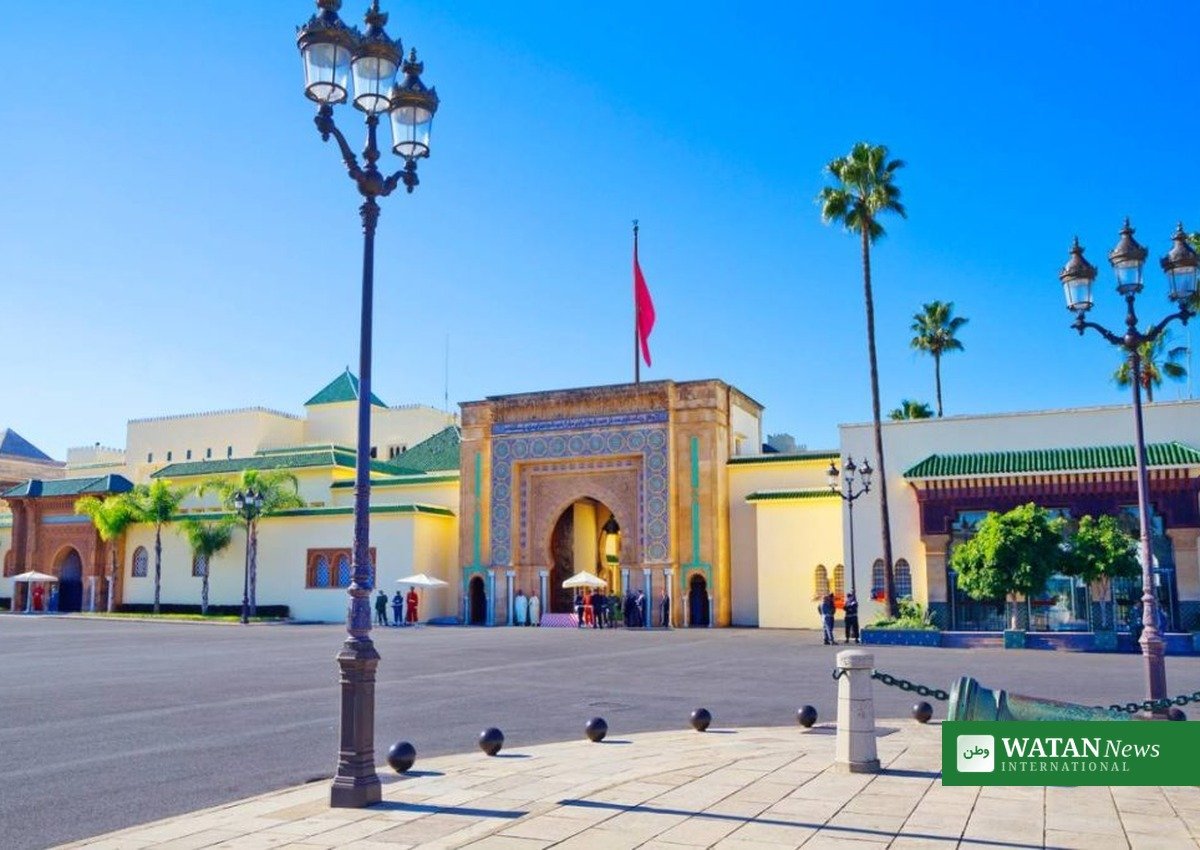
The king also directed the Office for Coordination with MINURSO, operating under the Ministry of the Interior, to coordinate and support the mission’s orderly liquidation and withdrawal, according to a report of the Royal Office statement.
Why the mission ended
The UN Mission for the Referendum in Western Sahara, known as MINURSO, had been in place since a UN-brokered ceasefire in 1991. It was tasked with monitoring the ceasefire and organising a referendum on the territory’s future — a vote that never took place because of disagreements over voter eligibility.
Last week, the Security Council failed to agree on the mission’s future: Russia vetoed a US-backed draft resolution, and a rival Russian draft for a one-year extension failed to win the nine votes needed. The mandate expired at midnight on 31 October, and the UN said 1 November marked the start of a liquidation phase, with a smaller team returning equipment to troop-contributing countries.
The palace said last week that the end of the mission means the withdrawal of the Western Sahara issue from consideration by the Security Council. Foreign Minister Nasser Bourita said in an interview with state media on Saturday that the next step for Rabat would be to seek the removal of Western Sahara from the UN’s decolonisation committee, saying Rabat had the support of two-thirds of UN member states.
A dispute that outlasted the mission
The Western Sahara conflict pits Morocco, which considers the territory its own, against the Algeria-backed Polisario Front, a political and military organisation seeking a separate state since the departure of former colonial power Spain in 1976. Morocco controls all of the territory’s urban centres and its coastline, and built a security wall in the 1980s stretching 2,700 kilometres, leaving most of the territory under its control.
The Polisario operates east of the wall, with rear bases in the area of Tindouf in southwestern Algeria, where it administers refugee camps. In 2020, the Polisario said it resumed its “armed struggle” when Morocco took a border crossing with Mauritania, although the UN describes the conflict as of low intensity — a reminder that the ceasefire Morocco now pledges to uphold has been contested for years.
What happens next
For the first time since 1991, no international mission is watching the territory, and the fear voiced by analysts is that the mission’s departure could leave security gaps in an already fragile environment. Morocco’s statement is intended to answer that concern directly: the monitors are leaving, Rabat says, but its ceasefire commitment is not.
What remains uncertain is how the withdrawal itself will unfold, how long the liquidation phase will last, and whether the political process around the territory moves to a new framework now that the Security Council’s mission has ended. The UN has said it stands ready to continue supporting efforts towards a peaceful resolution through the secretary-general’s personal envoy.
For more world news, visit Watan News World.