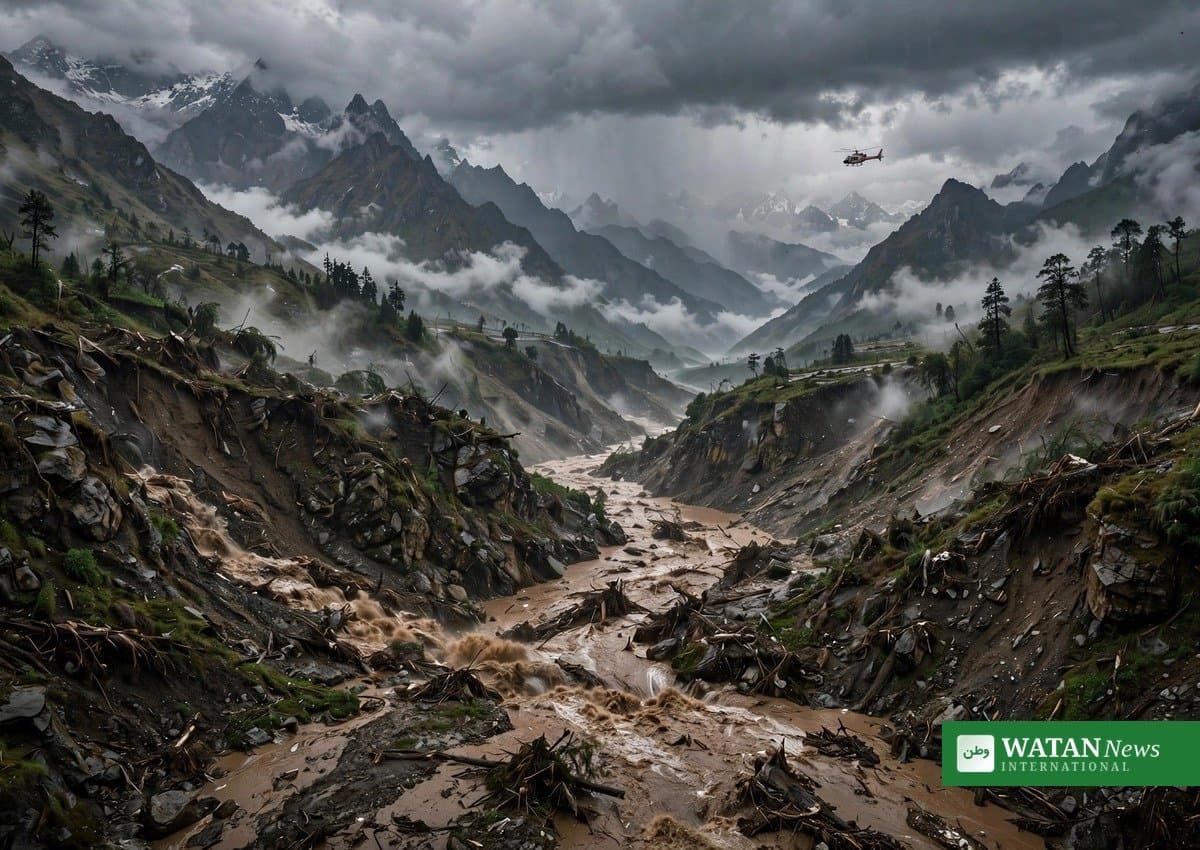
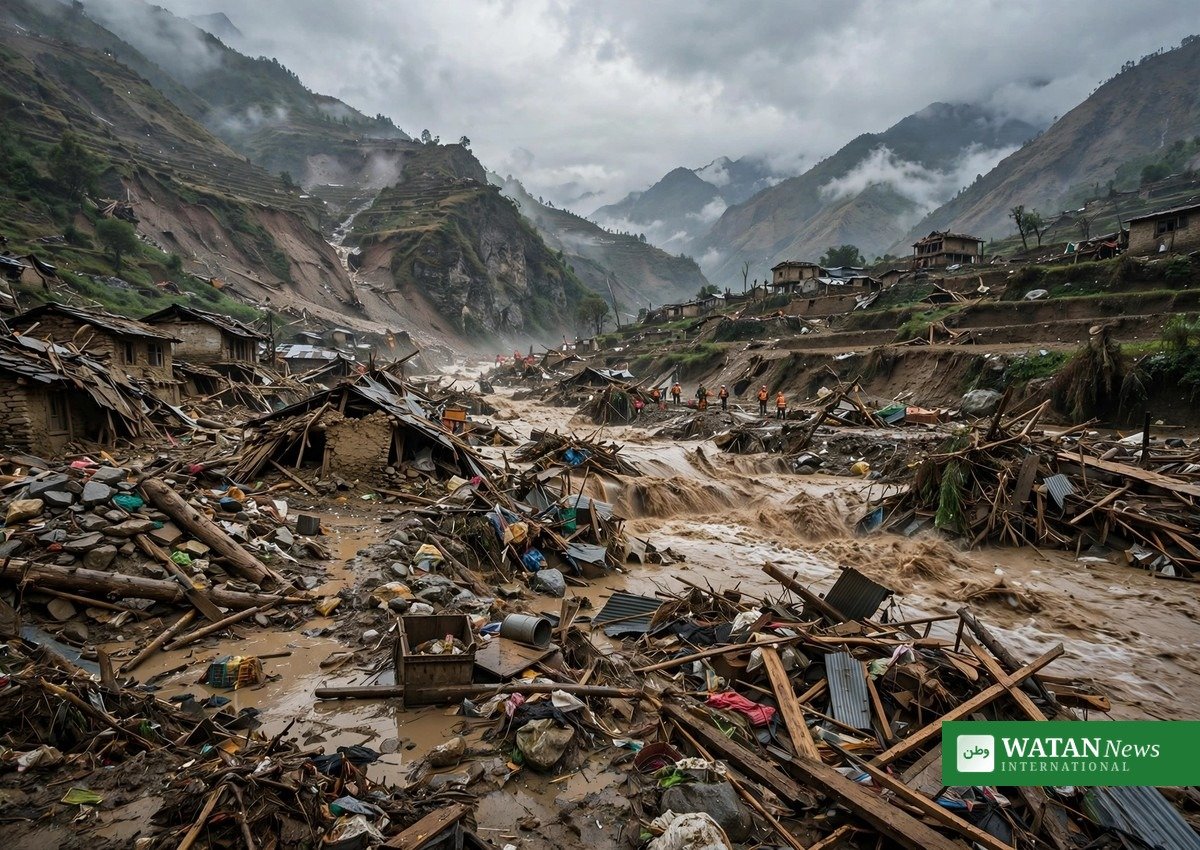
Rescue operations in the Nepal floods were suspended after a huge barrier lake on the Nepal–China border began overflowing, raising fears that a second flood wave could surge down the already devastated valleys below.
The death toll from the disaster has climbed to at least 469, with around 2,400 people still missing across Nepal and Tibet, according to Nepali and Chinese authorities. Officials warn both figures are still changing as search teams reach remote settlements.
FAKTA
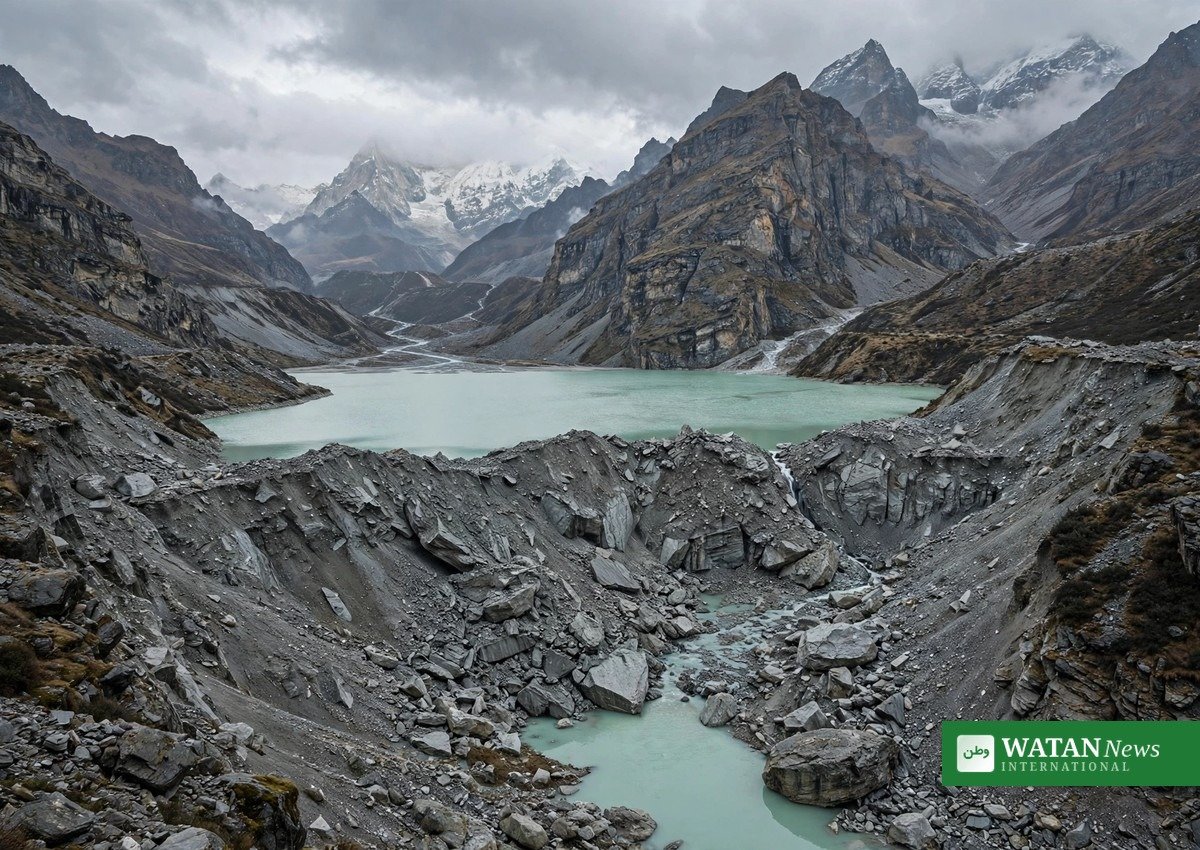
- Barrier lake formed at the confluence of the Chhochen Khola and Purepu Tsangpo rivers, on the Tibet side of the border
- About 2.5 million cubic metres of water had accumulated by Friday morning, according to state broadcaster CCTV; another 3 million cubic metres was expected to flow in within days
- China’s Ministry of Water Resources warned of a “high risk” of the lake breaching and causing a second flood downstream
- At least 469 people confirmed dead and around 2,400 missing in the wider Nepal–Tibet flood disaster (figures still being updated)
- The original 26 August flood was triggered by a massive rock-ice avalanche from Langtang Lirung in the Himalayas
Nepal Floods Barrier Lake Forces Rescue Halt
Most of the Chinese emergency teams were stuck at a village about 7 km from Gyirong Port, the major land crossing linking Nepal and China that was destroyed in the first flood. A CCTV report said the barrier lake was “overflowing non-stop”, which could trigger fresh floods or debris flows at any moment.
Because of the danger, search and rescue operations near the Nepal–Tibet border had to be suspended, leaving thousands of stranded survivors waiting in cut-off villages along the Bhote Koshi and Trishuli rivers.
A Lake Born of the Langtang Collapse
The lake formed after debris from the catastrophic 26 August avalanche dammed the river near the Chhochen Khola–Purepu Tsangpo confluence. Scientists say the avalanche – a wall of rock and ice that broke away from the north flank of 7,227-metre Langtang Lirung – travelled more than 20 km in about seven minutes before smashing into the border region.
Authorities sent engineering teams to monitor the lake’s water levels around the clock, while heavy rain continued to fall across the region, adding to the pressure on the unstable natural dam.
Cross-Border Response and What Comes Next
Nepali authorities warned people to stay away from the Bhote Koshi and Trishuli rivers until further notice, fearing that blockages could unleash further floods without warning. Read more of our climate coverage for continuing updates on the disaster.
By Friday afternoon, Chinese state media reported that the “risk from the upstream barrier lake had come under control” and that rescue operations had resumed – but with the monsoon still active, officials say the valleys remain on high alert. Independent reporting on the disaster is available from ExplorersWeb and the Tribune Content Agency’s analysis of the Bhotekoshi–Trishuli flood.