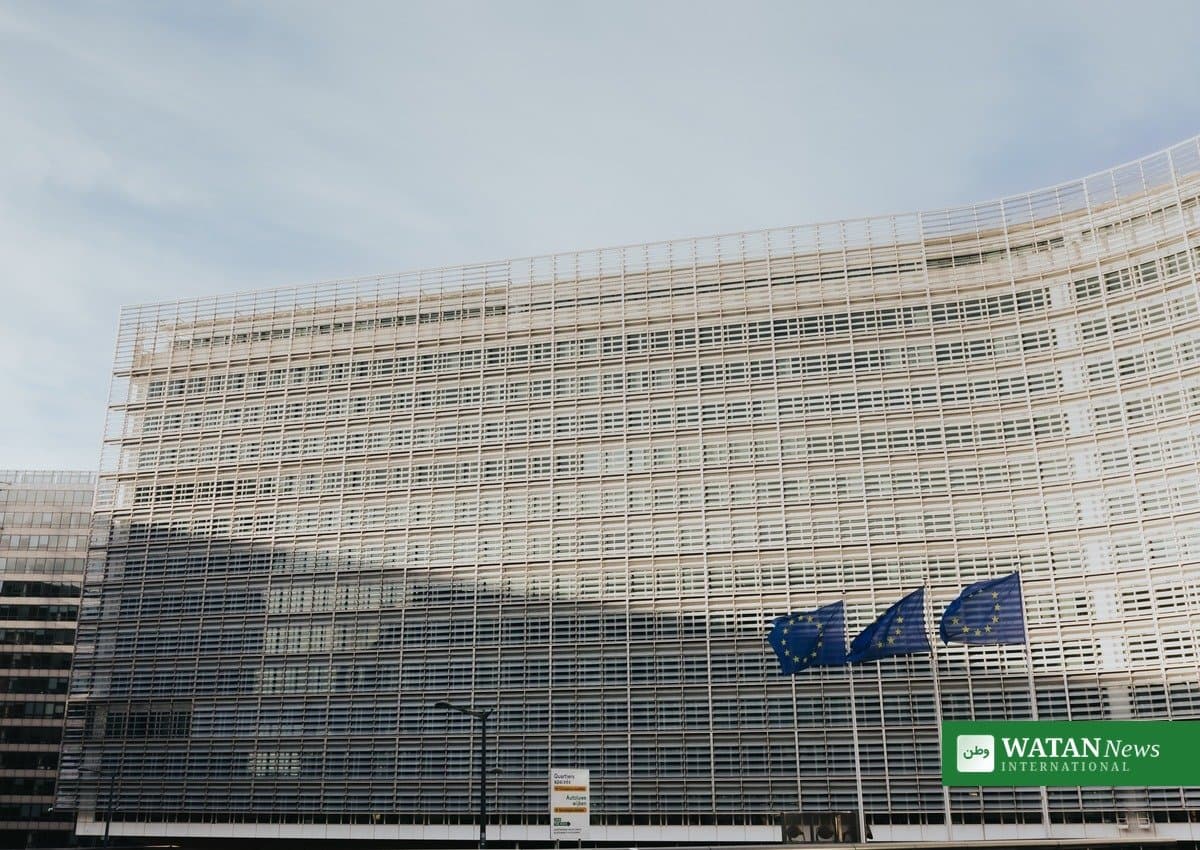
The European Commission has proposed extending Poland’s exemption from the European Union’s mandatory migrant relocation rules for another year, into 2027, saying the country still faces heavy migration pressure. The proposal, presented in Brussels on Friday by the Commissioner for Internal Affairs and Migration, Magnus Brunner, would allow Poland to avoid compulsory relocation duties from 1 January to 31 December 2027 under the EU Migration and Asylum Pact. The decision now rests with the Council of the EU, where member states must approve the plan.
FAKTA
- Proposal: Poland exempt from mandatory migrant relocation for 2027.
- Proposed by: European Commission, presented by Commissioner Magnus Brunner in Brussels on 6 November 2026.
- Legal basis: EU Migration and Asylum Pact, adopted in 2024 and now being put into practice.
- Other states eligible for relief: Bulgaria, the Czech Republic, Estonia, Croatia and Austria.
- Countries set to receive support in 2027: Spain, Italy, Greece and Cyprus.
- Decision-maker: Council of the EU.
What the Commission proposed
The proposal forms part of the Commission’s second annual migration management cycle, which sets out how solidarity will work in 2027. Under the pact, countries facing high numbers of arrivals can receive help from other member states in the form of relocated asylum seekers, financial contributions, equipment, technical support or responsibility offsets. Each member state can choose how it contributes.
The Commission identified four countries as under migratory pressure in 2027 — Spain, Italy, Greece and Cyprus — which will be eligible for assistance through a new solidarity pool. A third group of six countries — Bulgaria, the Czech Republic, Estonia, Croatia, Austria and Poland — was found to face a significant migratory situation because of the cumulative effects of migration over the past five years. Those six may ask the Council for a full or partial deduction from their solidarity contributions.
Why Poland qualifies for relief
Brunner said Poland’s situation had not changed much since it received a similar exemption last year, after making a formal request. The country still hosts large numbers of Ukrainians under temporary protection following Russia’s invasion, and it faces sustained pressure from migrants at its border with Belarus. Poland has long argued that hosting Ukrainians, plus the border situation, justifies relief from relocation.
For 2026, the Commission had proposed relocating 21,000 people between EU countries and collecting 420 million euros in financial support. In practice, member states agreed to relocate fewer than 9,000 people. Under EU rules, the first member state a migrant enters is generally responsible for that person’s asylum case.
What happens next
The Commission’s assessment and its proposed solidarity pool now go to the Council of the EU, which will decide on the size of the pool and the contributions required from each member state. Poland’s exemption, if approved, would run for the whole of 2027. The solidarity mechanism remains sensitive, with several governments reluctant to relocate people while frontline states press for shared responsibility. Read more European coverage on Watan News.