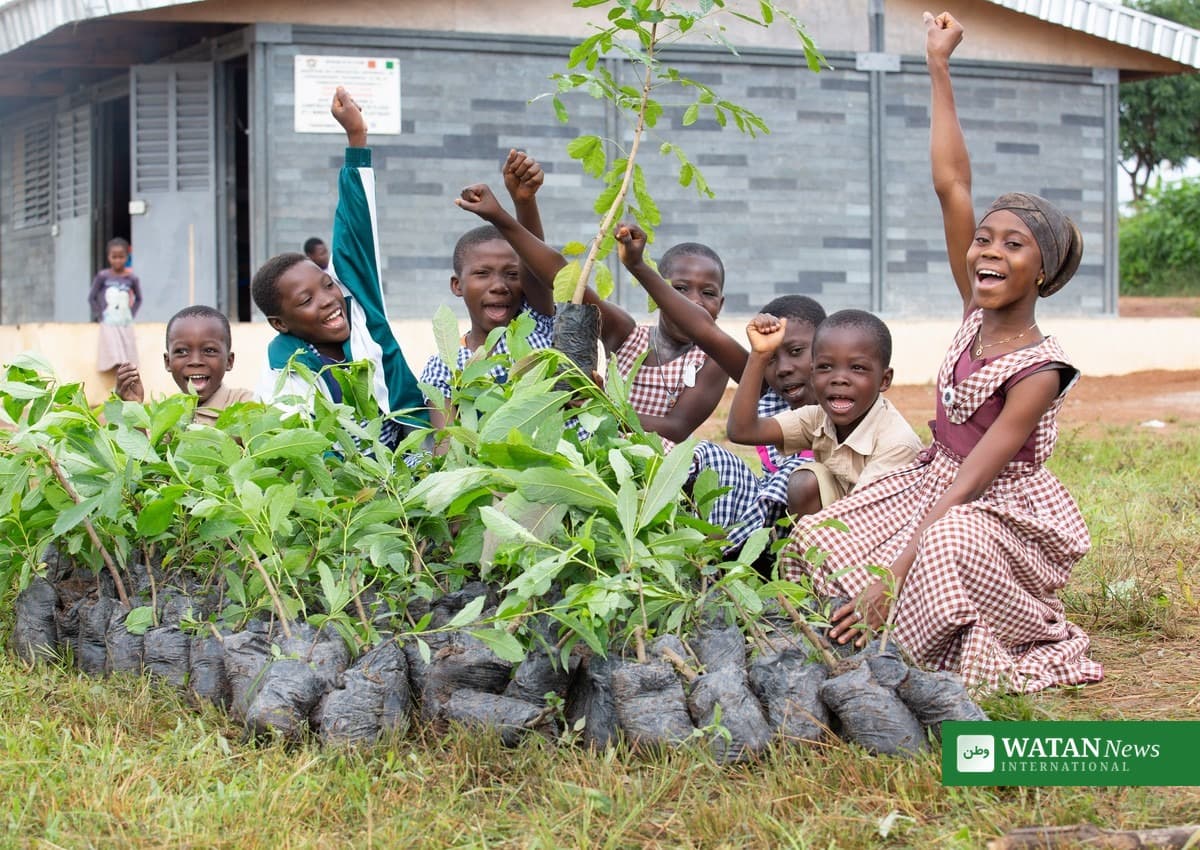
The Sanofi Foundation has opened its 2026 call for proposals on climate action and youth resilience, offering youth climate health grants of €50,000 to €100,000 per project per year to locally led projects that protect children and young people from the health effects of climate change in seven African countries. Organisations have until 11 December 2026 to submit a concept note.
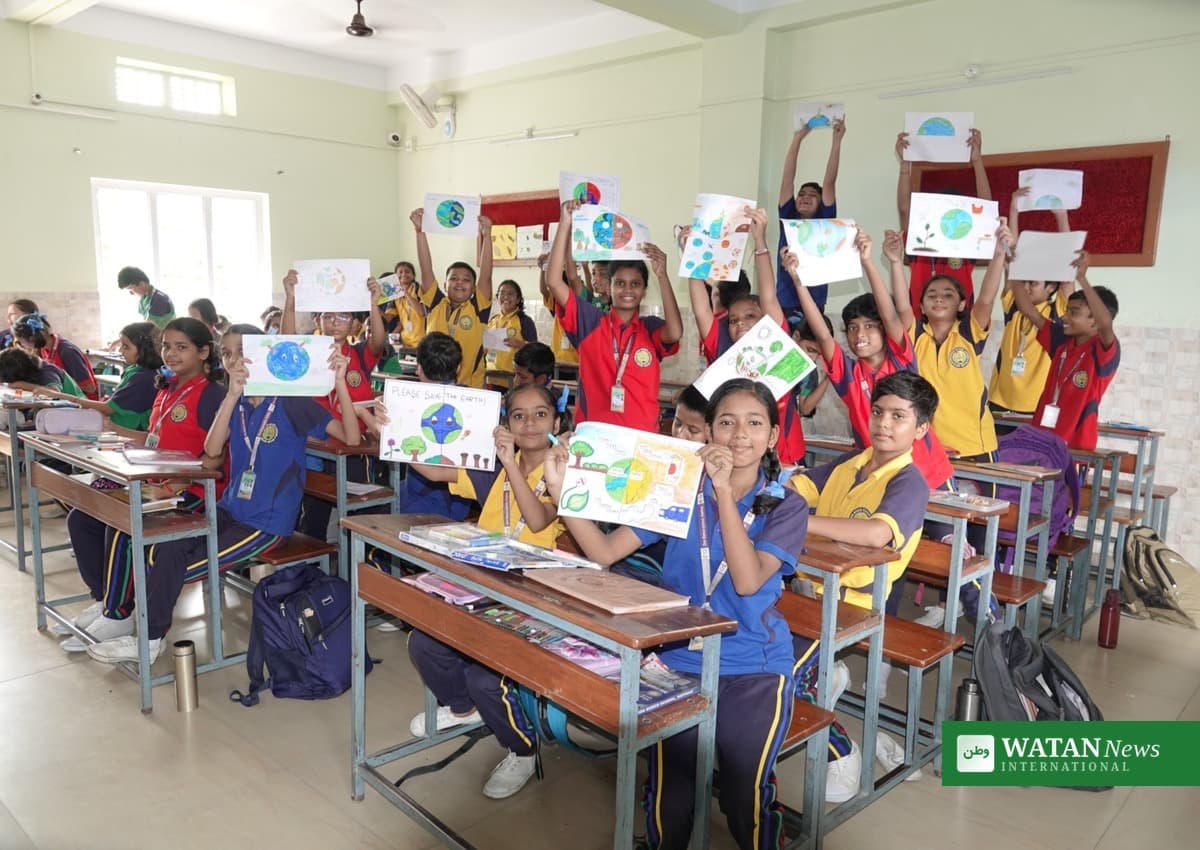
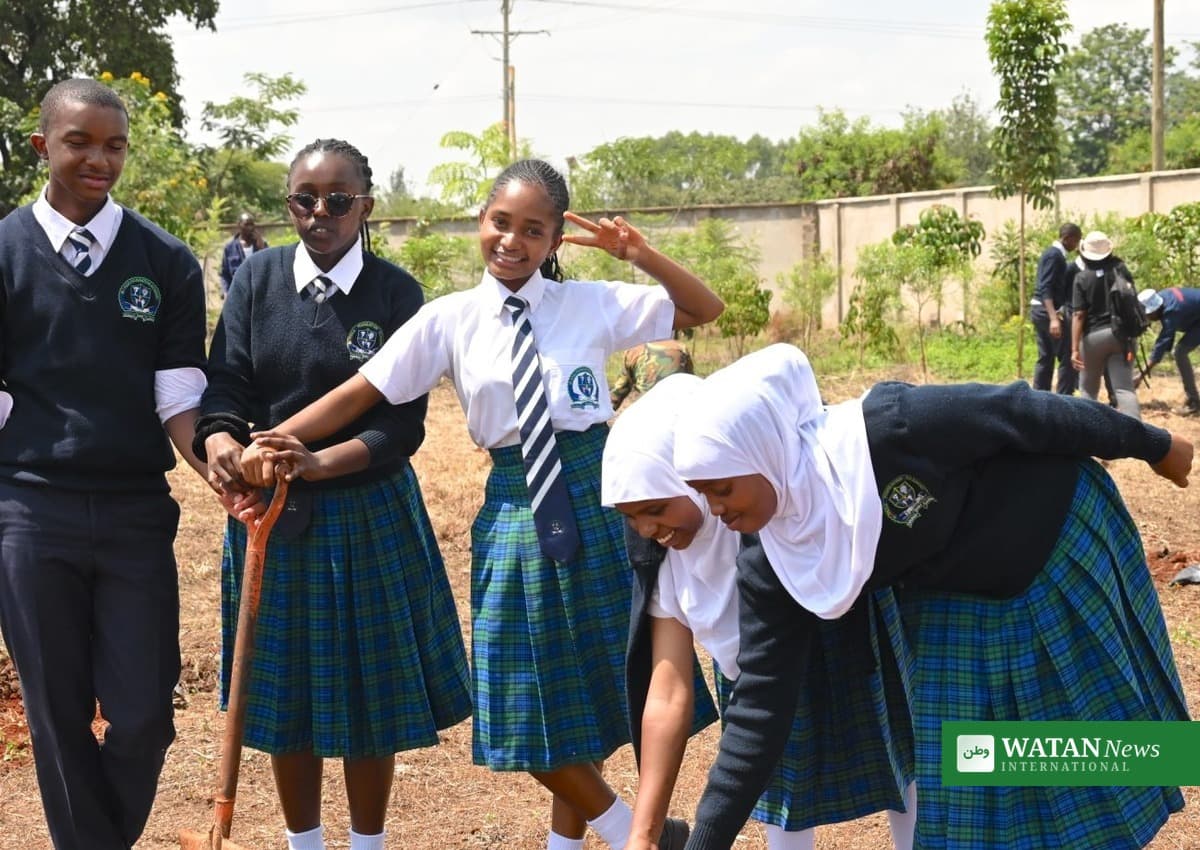
The call puts young people at the centre of the response. It is aimed at youth-led organisations, community-based organisations and non-governmental organisations working where climate change is already damaging health — through extreme heat, flooding, air pollution, food insecurity and climate-sensitive diseases — and it gives priority to projects designed and led by young people themselves.
FAKTA: The grants at a glance
- Funder: Sanofi Foundation (Foundation S)
- Call: 2026 Climate Action and Youth Resilience
- Funding: €50,000–€100,000 per project per year
- Project length: 12 to 24 months
- Eligible countries: Chad, Ethiopia, Kenya, Malawi, Senegal, Uganda and Zimbabwe
- First step: a concept note, in English or French, through the Foundation’s online platform
- Deadline: 11 December 2026, 23:00 CET
What the grants will support
According to the call, the Foundation is looking for bold, locally rooted ideas that respond to real needs in the community they serve. Projects should strengthen the ability of communities to prepare for and manage climate-related health pressures, give young people a meaningful role in designing and leading the work, and show how their benefits could last beyond the funded period.
The call lists the health challenges proposals may address: extreme heat, flooding and the health risks that follow it, air pollution, food insecurity and nutrition, climate-sensitive diseases, access to safe water, and access to essential health services. A community facing recurrent flooding will have different priorities from one facing extreme heat, the Foundation notes, so proposals must explain the problem they intend to solve and why their approach fits that place.
Who can apply
The call is open to eligible organisations based in the seven countries: Uganda, Kenya, Ethiopia, Malawi, Senegal, Chad and Zimbabwe. Youth-led organisations and organisations working directly with young people are given priority. The first stage is a concept note, submitted in English or French through the Foundation’s online application platform. Full proposals follow only for shortlisted applicants.
Why this funding matters now
Children and young people face some of the sharpest health risks from a warming climate. UNICEF’s Children’s Climate Risk Index found that 1 billion children live in countries at extremely high risk from the impacts of the climate crisis. A newer UNICEF report, the Children’s Climate Risk Report published in June 2026, found that nearly half of the world’s children are exposed to at least three climate hazards at once, and that more than 296 million children live in areas facing drought, extreme heat and heatwaves together.
The World Health Organization projects about 250,000 additional deaths a year between 2030 and 2050 from malnutrition, malaria, diarrhoea and heat stress as the climate changes, with children among the most vulnerable. Young people are already answering with their own action: more than 150 young people aged 13 to 22 took part in the Bermuda Youth Climate Summit in November, and students and young workers walked out in 25 European countries in a youth strike that put climate justice among its demands. The Sanofi Foundation’s grants are aimed at turning that energy into funded, locally led projects where the health risks are greatest.
A wider push for young people
The grants are part of a wider shift at the Foundation. In June 2026, Sanofi announced a new chapter for its Foundation centred on future generations, with an annual budget of €15 million and a goal of positively affecting more than 6 million children and young people by 2030. The 2026 call builds on a 2025 round of the same grants programme, which offered the same funding range and closed on 28 November 2025; the new round narrows the focus to seven African countries and puts youth leadership at its centre.
Separately, the Foundation is running a Climate-Health Resilience for Youth Challenge with MIT Solve, offering a total of US$325,000 across up to six winning teams developing youth-led solutions in India and Brazil. Applications for that challenge opened on 9 November 2026 and close on 20 January 2027. It is a different programme from the grants call for Africa, with its own countries, timeline and rules.
For organisations in the seven eligible countries, the next step is the concept note. With the deadline set for 11 December 2026, groups planning to apply have just over two weeks to put their idea forward.