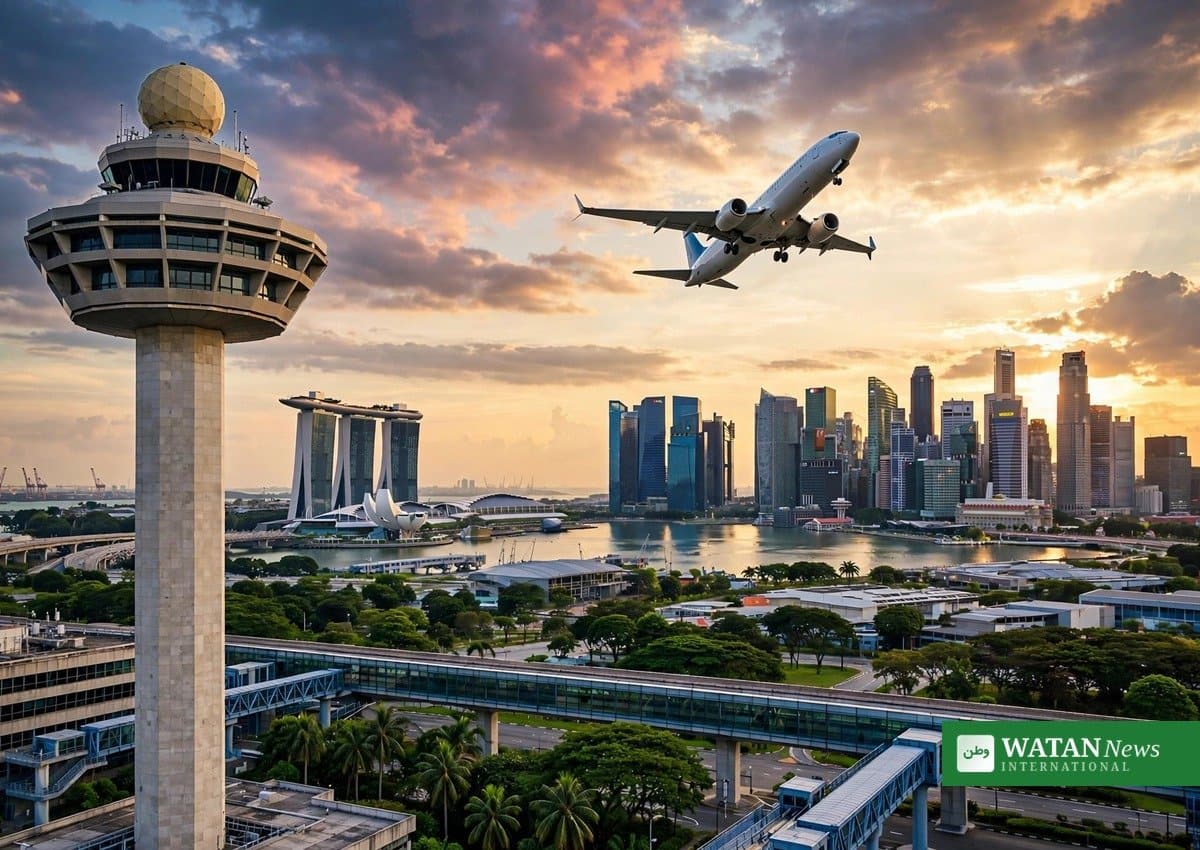
SINGAPORE — The Singapore SAF levy begins collection on 1 October 2026, applying to tickets and services sold from that date for origin-destination passenger flights — and general and business aviation — departing Singapore from 1 January 2027, the Civil Aviation Authority of Singapore (CAAS) confirmed on 3 September 2026.
FAKTA
- Collection starts 1 October 2026 on tickets or services sold from that date for Singapore departures from 1 January 2027; tickets sold earlier escape the charge even if travel falls in 2027.
- Transit and transfer passengers through Singapore are exempt — only origin-destination departures pay.
- The air-cargo SAF levy is deferred by one year: it will apply to services sold from 1 October 2027 for flights departing from 1 January 2028, after industry feedback on cargo’s wider stakeholder set.
- The levy must appear as a distinct line item in the fare breakdown.
- Rates by destination band: Band 1 (Southeast Asia) S$1 economy / S$4 premium cabins; Band 2 (Northeast Asia, South Asia, Australia, Papua New Guinea) S$2.80 / S$11.20; Band 3 (Africa, Central and West Asia, Europe, Middle East, Pacific Islands, New Zealand) S$6.40 / S$25.60; Band 4 (Americas) S$10.40 / S$41.60.
- The levy is tied to a 1% sustainable aviation fuel target from 2027, expected to rise to 3–5% by 2030, when the levy would also increase.
- Proceeds go into a statutory SAF Fund, managed by SAFCo — a non-profit wholly owned by CAAS — to purchase SAF and associated environmental attributes.
How the Singapore SAF levy will work
Singapore is the first country to impose a dedicated SAF levy on departing flights, rather than a broad green tax, according to Executive Traveller’s analysis of the scheme. Airlines collect the charge as part of the ticket price; the money funds centralised SAF procurement and its environmental attributes, which can be used for CORSIA compliance or corporate sustainability reporting.
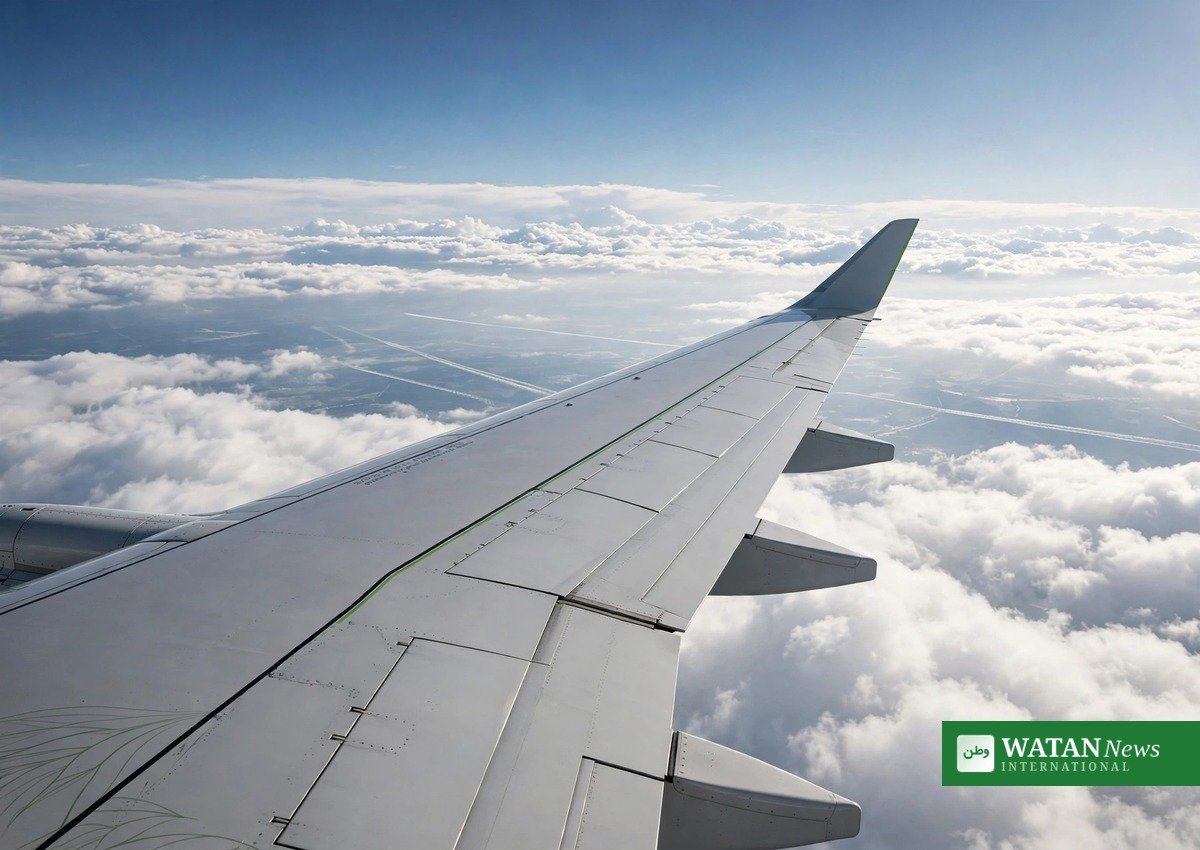
The four-band rate structure means most economy passengers pay modest amounts — S$1 to S$10.40 each way depending on destination — while premium cabins pay four times the economy rate. For multi-stop itineraries, the levy is based on the immediate next destination after Singapore. CAAS said it had worked closely with airlines and global industry partners to set up the collection, procurement and environmental-attributes regime behind the levy.
Centralised procurement and the road to 2027
Instead of a mandatory blending requirement, Singapore will use the fixed levy to aggregate demand and procure SAF centrally — pooling policy-driven demand with voluntary airline and corporate purchases to improve scale and price transparency in the Asian SAF market.
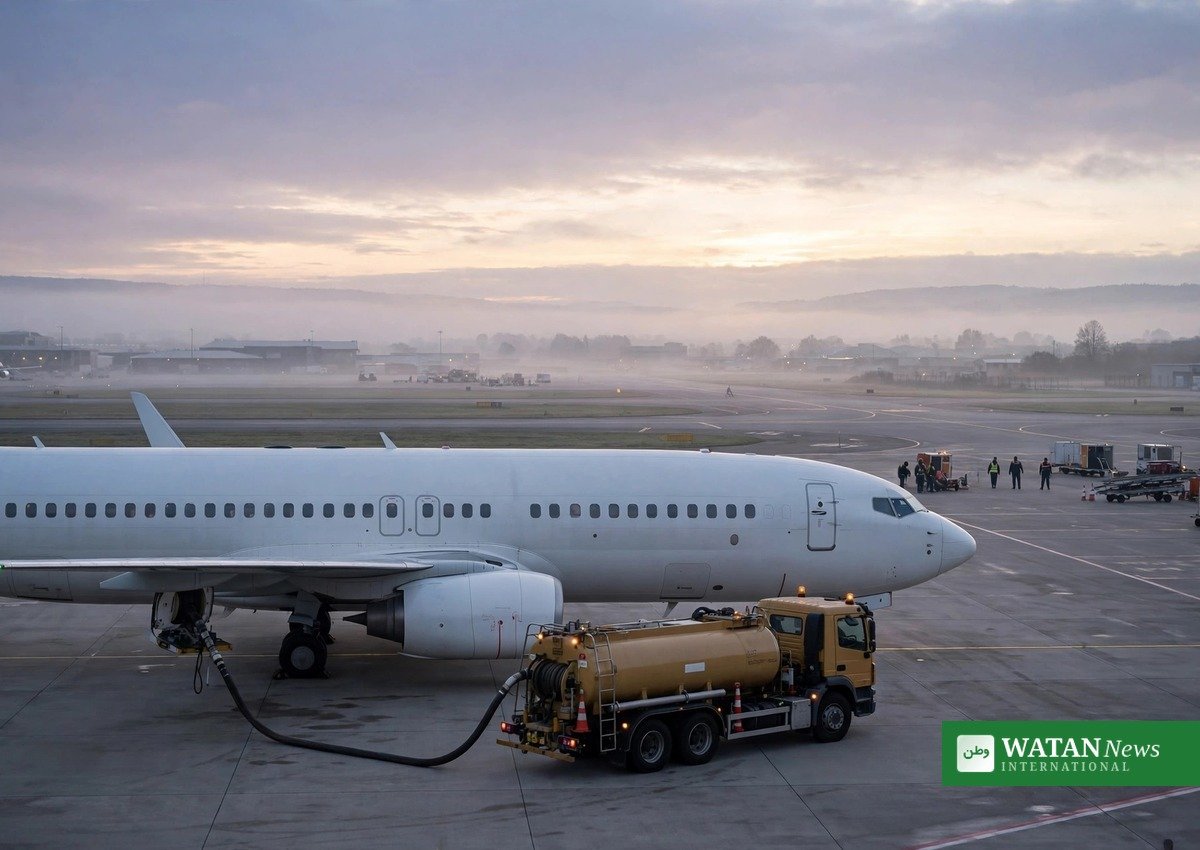
As the Singapore Business Review reports, SAFCo completed a voluntary SAF procurement trial in August 2026 with nine participants — including Singapore Airlines, Scoot, Changi Airport Group, DBS, GenZero, Google, OCBC and Temasek — validating the procurement and accounting processes. SAFCo plans to launch a request for proposal for levy-funded SAF procurement by the end of 2026, with the first batch of fuel expected to be delivered in mid-2027.
Related on Watan News: Singapore SAF levy collection starts 1 Oct 2026 for 2027 passenger departures.