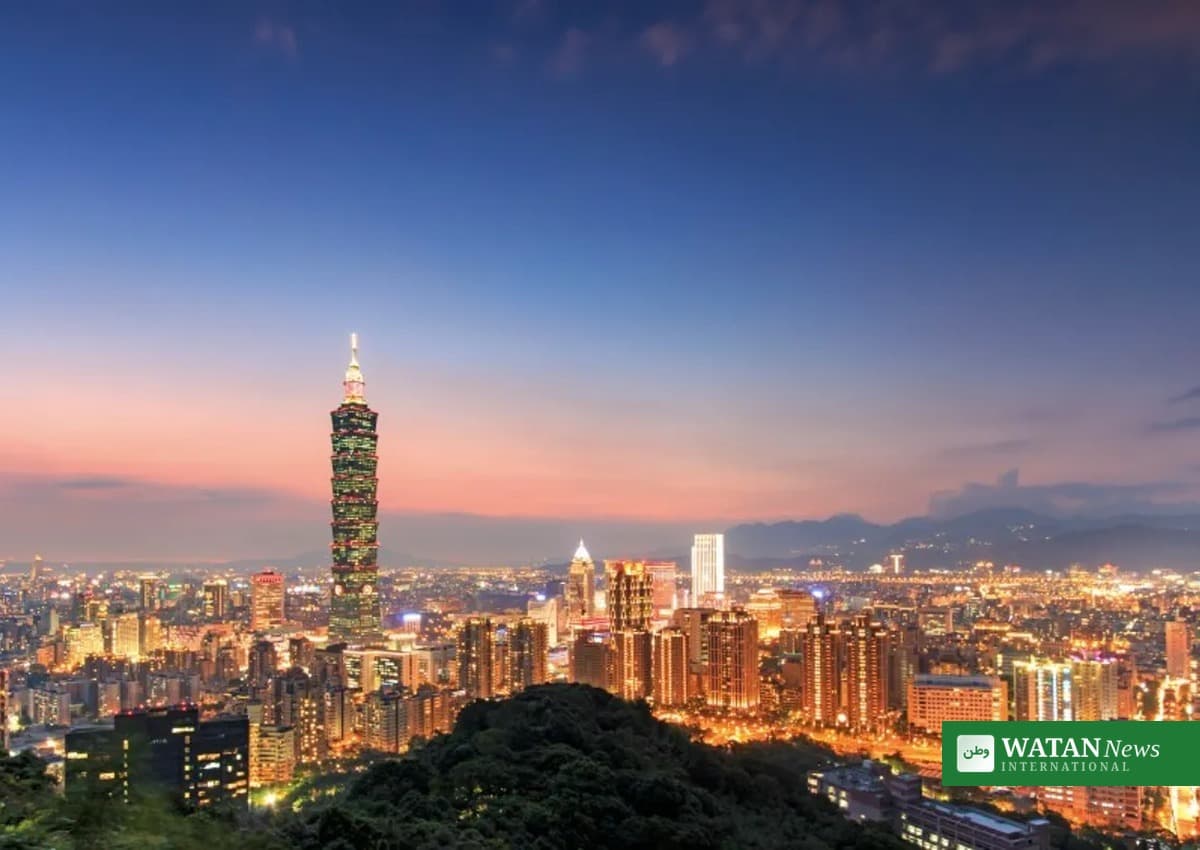
Taiwan goes to the polls on Saturday, 28 November, in mayoral and county chief elections that will test the strength of the island’s two main parties ahead of presidential and parliamentary votes in early 2028. Although the contests are officially about local issues, the Taipei mayoral race has pulled Beijing into the campaign.
FAKTA
- Election day: Saturday, 28 November 2026 — mayors and county chiefs across Taiwan
- The Taipei race: incumbent Chiang Wan-an (Kuomintang) against Puma Shen (Democratic Progressive Party)
- Beijing’s stance: China has called Shen a “traitor” and listed him as a “Taiwan independence” separatist since October 2024
- Surveillance case: in October, Taipei prosecutors indicted four people over monitoring devices found near Shen’s home
- History: the DPP has held the Taipei mayor’s office only once before, from 1994 to 1998
Taiwan elections: Beijing turns its attention to the Taipei race
China, which views Taiwan as its own territory but does not govern the democratic island, has accused Shen of playing up the China threat to win votes. In October, state broadcaster CCTV said he was seeking votes by “playing the oppose China card”. Last month, China imposed sanctions on his father’s business in China, adding to sanctions already placed on Shen himself in 2024, along with the Kuma Academy, the civil defence organisation he co-founded.
Taiwan’s top China policy official, Chiu Chui-cheng, said Beijing had tied its Taiwan policy to election results for years, and warned that interference could increase resentment among voters. China’s Taiwan Affairs Office has long rejected accusations that it interferes in Taiwan’s elections. Taipei has repeatedly accused Beijing of stepping up pressure before local elections, including military activity, cyberattacks and information campaigns.
Two campaigns focused on local issues
Shen, 44, a lawmaker since 2024 and an academic known for his work on Chinese disinformation, has built his campaign around detailed local policy — urban renewal, transport, childcare and artificial intelligence — rather than China. He has drawn strong support from a movement known as the “Ocean Current”, which first gathered voters concerned about China.
His opponent, Chiang Wan-an, 47, the incumbent from the Kuomintang, which traditionally favours closer ties with Beijing, has campaigned on water safety and urban development, and has pointed to Nvidia’s agreement to build a new headquarters in Taipei. The Kuomintang chairwoman, Cheng Li-wun, met Chinese President Xi Jinping in Beijing earlier this year. Chiang’s team has said it opposes any outside interference in the election.
A bellwether before 2028
Shen was given little chance at the start, but voter surveys before the blackout showed him closing in on Chiang. Reporting on opinion polls is banned by law in the final 10 days before the vote. The DPP hopes to win Taipei for the first time in nearly 30 years, and the results, expected by early Saturday evening, will be read as a gauge of party support ahead of the 2028 presidential vote.
Read more of Watan News International’s coverage of Asia on our English homepage.