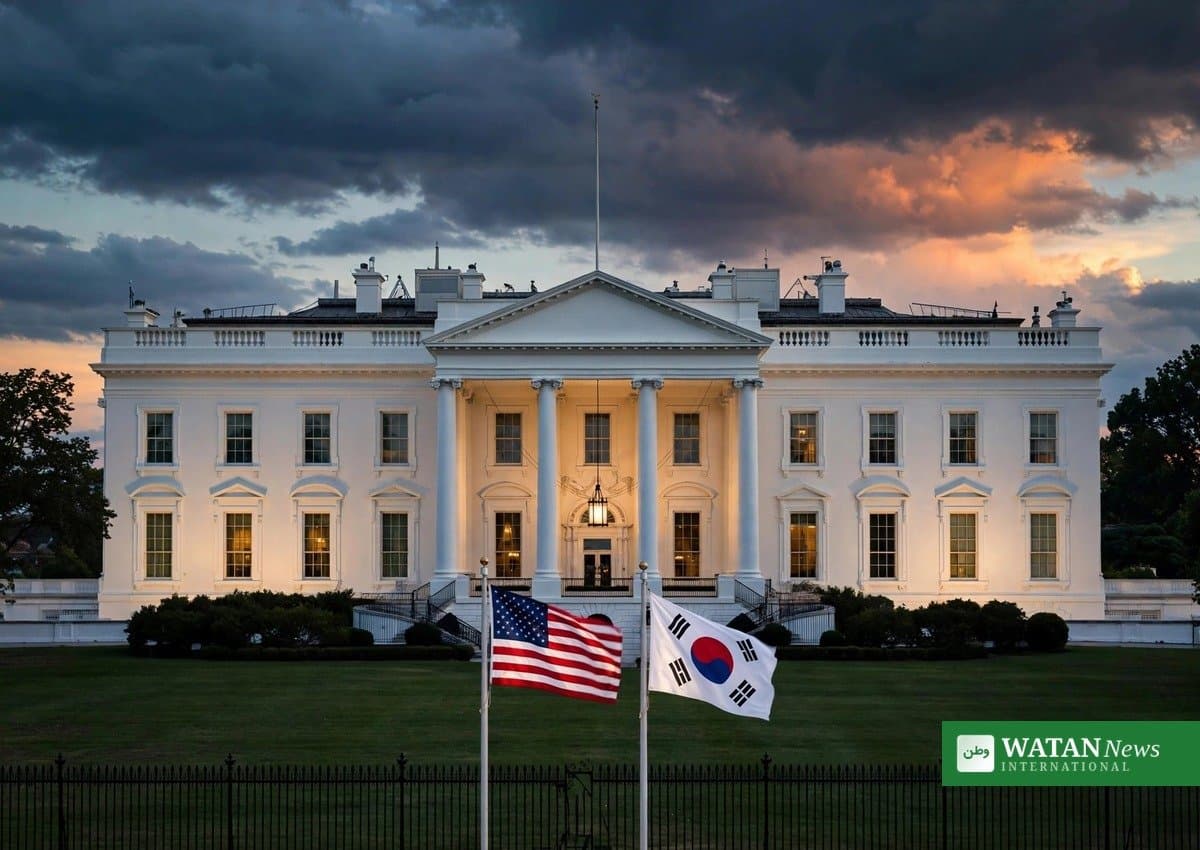
Former President Donald Trump has threatened to double tariffs on South Korean imports if the nation does not agree to fund a significant portion of an Alaska natural gas pipeline project. Trump claims this payment was part of a prior agreement, a assertion that South Korean officials have reportedly contested, stating only a review was initiated.
- Trump alleges South Korea owes billions for an Alaska natural gas pipeline.
- He threatens to double tariffs on South Korean imports if payment is not made.
- South Korean officials reportedly state only a review of the investment was agreed upon.
- The dispute highlights ongoing trade tensions and differing interpretations of past deals.
Trump’s Claim on Pipeline Funding
During a departure from the White House, Donald Trump asserted that South Korea had committed to paying for a $54 billion natural gas pipeline project in Alaska. This announcement, made on Wednesday, was reportedly intended to secure billions in investments from South Korea into the United States.
However, a South Korean official contradicted this claim the following day, stating that the nation had only agreed to “initiate a review” of the potential investment. This discrepancy has fueled speculation about the specifics of any prior agreements between the two nations regarding energy infrastructure and trade terms.
The Alaska Natural Gas Pipeline Project
The proposed Alaska natural gas pipeline project is a significant infrastructure undertaking aimed at developing and transporting natural gas resources from Alaska’s North Slope. The project’s substantial cost, estimated at $54 billion, necessitates considerable investment and international cooperation.
- The project aims to tap into Alaska’s vast natural gas reserves.
- It involves constructing extensive pipeline infrastructure across the state.
- International partnerships are crucial for financing and execution.
- The project’s success is tied to global energy demands and market stability.
Tariff Threats and Trade Implications
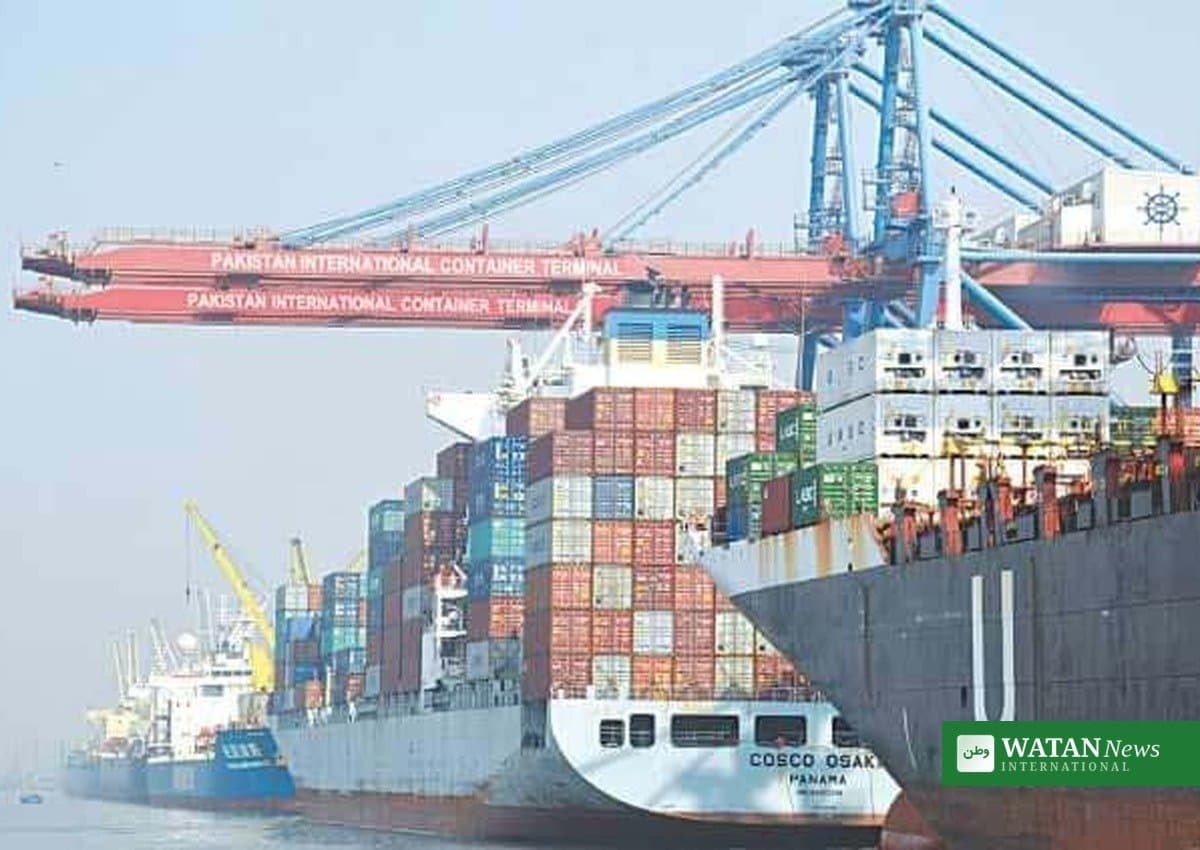
Trump’s threat to double tariffs on South Korean goods represents a significant escalation in trade policy. Tariffs are taxes imposed on imported goods, and doubling them could substantially increase the cost of South Korean products for American consumers and businesses.
- Tariffs are a tool used to influence trade balances and protect domestic industries.
- Increased tariffs can lead to higher prices for consumers.
- They may also prompt retaliatory measures from the targeted country.
- The automotive and electronics sectors are key South Korean exports to the US.
Differing Accounts of Agreements
The conflicting statements from Trump and South Korean officials underscore the complexities of international negotiations and the potential for misinterpretation or differing recollections of agreements. Such disputes can strain diplomatic relations and create uncertainty in economic partnerships.
Trump’s administration was known for its assertive trade stance, often employing tariffs as a negotiating tactic. This latest threat suggests a continuation of that approach, particularly concerning deals he views as unfavorable or incomplete.
Broader Economic Context
This dispute unfolds against a backdrop of global economic shifts and ongoing trade negotiations. The US economy, particularly ahead of midterm elections, is a focal point, with reports indicating mixed signals on job growth and inflation.
Economic Indicators and Political Climate
Recent economic data has presented a complex picture, with weaker-than-expected job growth and an uptick in unemployment. These figures come as Democrats criticize Trump’s economic agenda, while the White House touts reindustrialization efforts.
- Jobs report shows slower growth than anticipated.
- Unemployment rate sees a slight increase.
- Experts label the economic growth as mediocre.
- Political maneuvering continues around economic performance.
Potential Ramifications for South Korea
For South Korea, a doubling of US tariffs could have significant economic consequences. The country relies heavily on exports, and increased trade barriers with its major partner, the United States, could impact its manufacturing sector and overall economic stability.
The nation’s response will likely involve diplomatic efforts to clarify the terms of any past agreements and to mitigate the impact of potential tariffs. This could include engaging in further negotiations or exploring alternative markets for its goods.
Conclusion
The escalating dispute over the Alaska natural gas pipeline funding highlights the volatile nature of international trade relations, particularly under the assertive approach of former President Donald Trump. His threat to double tariffs on South Korea, based on his interpretation of a past deal, contrasts sharply with South Korea’s stated position of only initiating a review.
This situation underscores the critical importance of clear communication and mutually agreed-upon terms in large-scale international projects. The economic repercussions for both nations, as well as the broader implications for global trade dynamics, remain to be seen as this conflict develops.