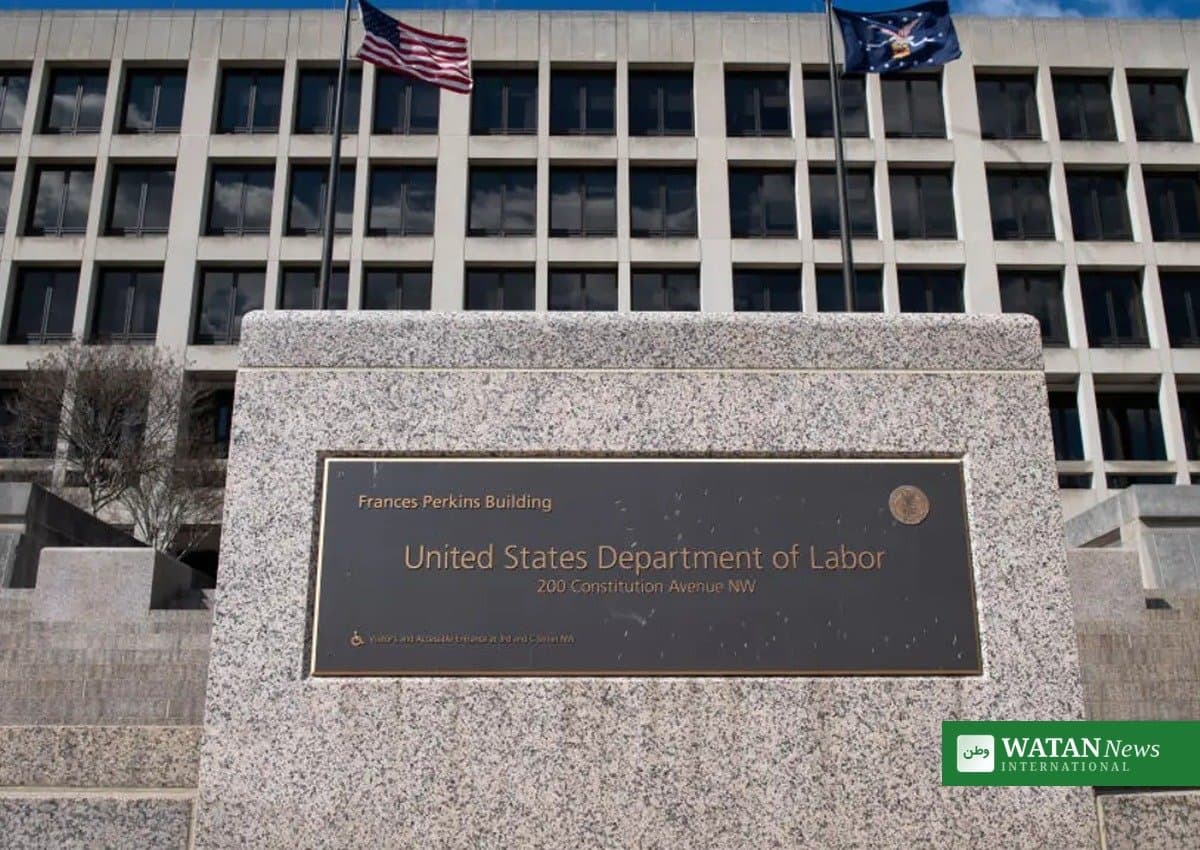
The US jobs report for October beat forecasts by a wide margin on Friday, as American employers added 165,000 jobs and the unemployment rate fell to 4.1%, the Labor Department said.
FAKTA
- Jobs added in October: 165,000, against a forecast of 65,000.
- Unemployment rate: 4.1%, down from 4.2% in September.
- Revisions: August revised up by 53,000 to 186,000; September revised up to 60,000 — 84,000 more jobs than first reported.
- Wages: Average hourly earnings rose 0.4% to $38.00 in October and are up 3.1% over the past year.
- Labour force participation: 61.9%.
- Released by: The US Bureau of Labor Statistics, Friday, November 6, 2026.
US Jobs Report Beats Forecasts by 100,000
The US jobs report showed hiring far stronger than expected in October. Economists polled by Reuters had forecast payrolls rising by 65,000, after a previously reported increase of 29,000 in September. The actual gain of 165,000 was more than triple the average monthly increase of 48,000 over the previous 12 months.
Professional and business services led the hiring, adding 70,000 jobs in the month, far above the sector’s average monthly gain of 15,000 over the past year.
The unemployment rate fell to 4.1% from 4.2% in September, against a forecast that it would hold at 4.2%.
Revisions Add 84,000 More Jobs
Job growth in the previous two months was also stronger than first reported. August was revised upwards by 53,000 to 186,000, and September’s gain was revised up to 60,000 from 29,000 — a combined 84,000 more jobs than previously reported.
The stronger hiring offers some reassurance for an economy entering a new political chapter after the Democrats’ sweep in this week’s midterm elections. At the same time, the cost of living remains a major concern for households, and employers are navigating elevated inflation, demographic shifts and the rapid adoption of artificial intelligence.
Wages Rise, but Prices Rise Faster
Average hourly earnings rose by 14 cents, or 0.4%, to $38.00 in October, and are up 3.1% over the past 12 months, slower than the upwardly revised 3.2% recorded a month earlier.
With prices rising faster than pay in recent months, driven higher by a war-driven energy shock, real average hourly earnings declined. Brian Jacobsen, chief economic strategist at Annex Wealth Management, said the headline number “blew the consensus out of the water by 100,000”, adding that the gap between wage growth and inflation was “the affordability crisis in one stat”.
The number of people working part time for economic reasons rose by 339,000 to 4.8 million, while long-term unemployment held at 2.0 million, or 27.6% of all unemployed people.
Markets React as Rate Bets Rise
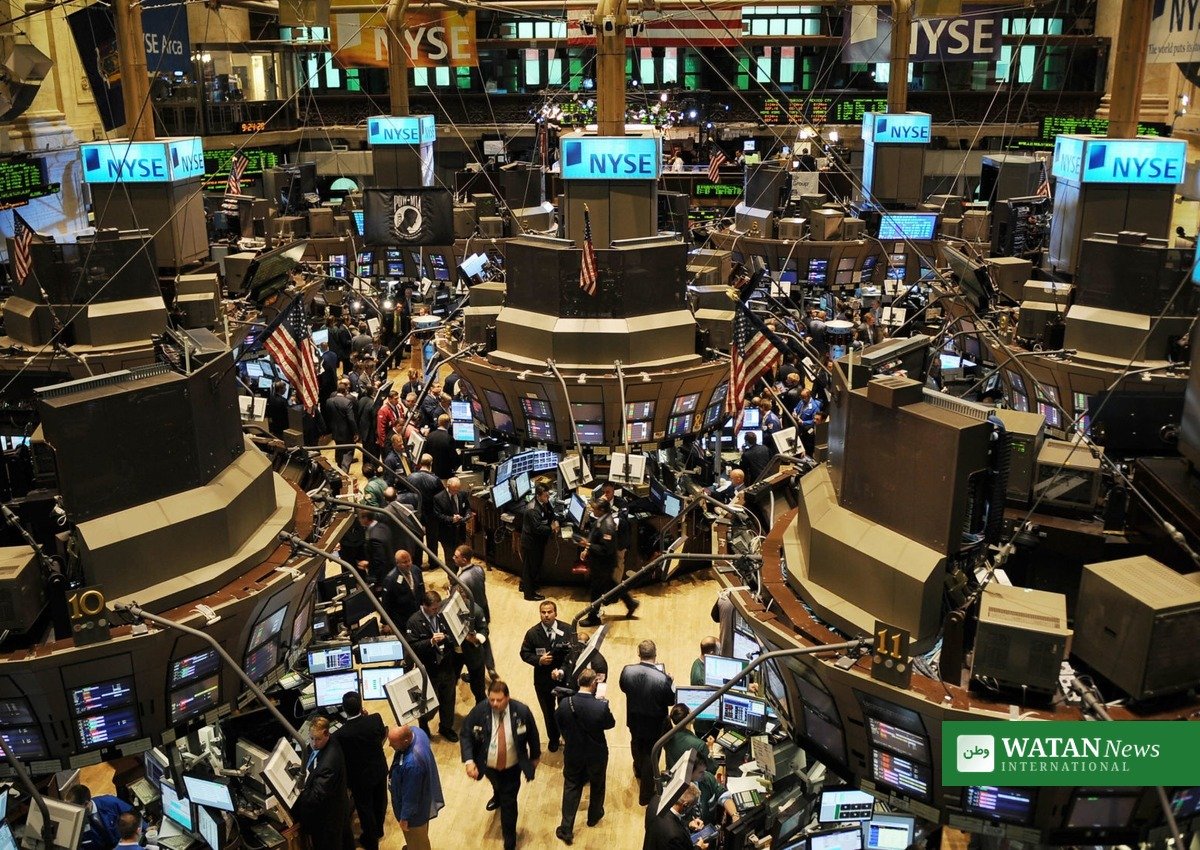
The report landed a day after Wall Street’s worst sell-off since April 2025, when technology and chip shares dragged the Nasdaq down 5.5% on Thursday and wiped about $3 trillion off S&P 500 companies. The sell-off spread across Asia on Friday, with Japan’s Nikkei index falling 6%.
After the jobs figures, futures tracking the Nasdaq rose 1.4% and those tied to the S&P 500 were up 0.3%, while Dow futures were down 450 points, or 0.87%. Treasury yields rose, with the two-year yield up 5 basis points at 4.52% and the 10-year yield up 4 basis points at 4.88%. The US dollar index rose 0.7% to 102.18.
What It Means for the Federal Reserve
The stronger labour market gives the Federal Reserve more scope to focus on inflation stemming from the Middle East conflict. Bets that the Fed will raise rates next month rose to 78% after the data, from 70% earlier.
Peter Cardillo, chief market economist at Spartan Capital Securities, said the report showed the labour market was extending a long period of growth. “With a 4% unemployment rate, we are at full employment. The jobs market is at full capacity,” he said, adding that the figures confirmed the Fed would raise rates in December, with the only question whether by 25 or 50 basis points.
Read more business news on Watan News.