Researchers at ETH Zurich have developed a simpler, low-energy method for acrylic glass recycling that recovers up to 98% of the material as pure monomers, making high-quality recycling of acrylic glass economically realistic for the first time.
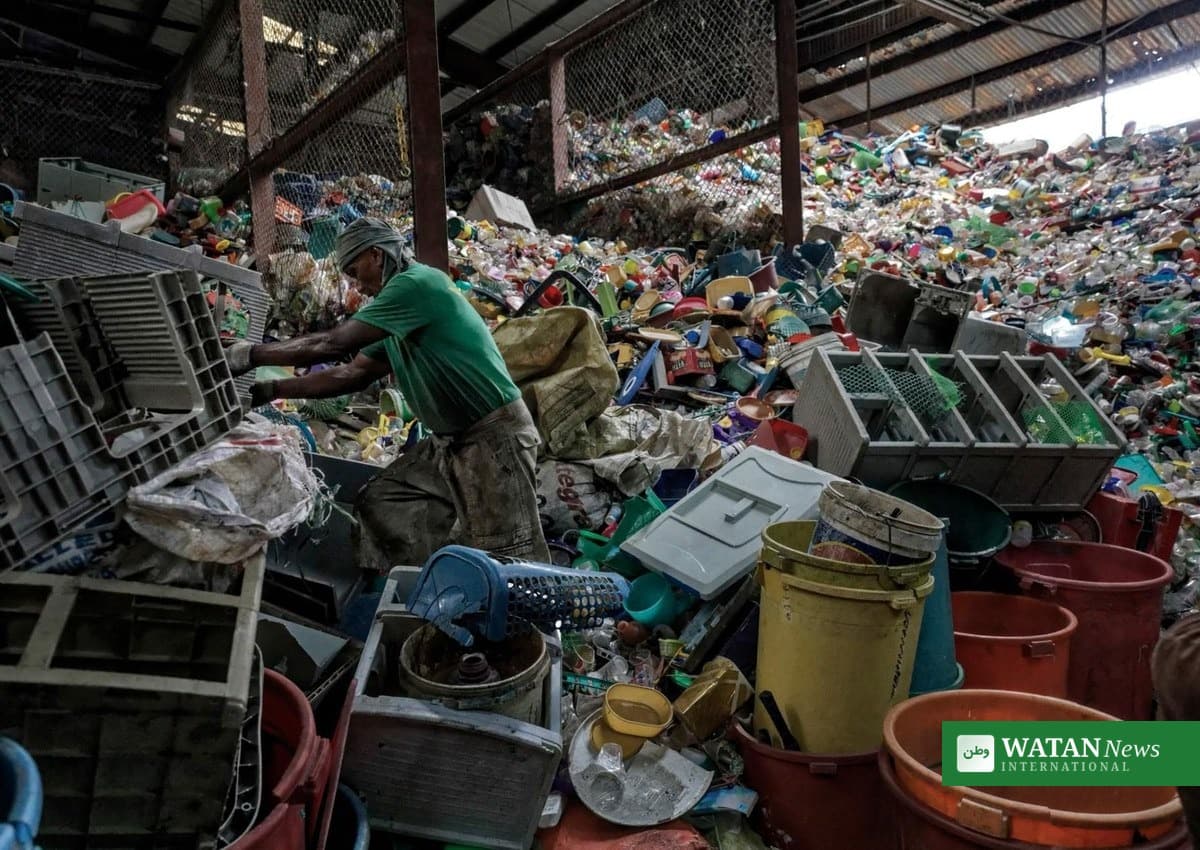
Acrylic glass, widely known by the brand name Plexiglas, is used in window panes, car tail lights, furniture and protective barriers. Yet most of it still ends up as waste, because older recycling methods were too costly, too energy-intensive or too complicated for companies to adopt.
The new study, published in Nature Chemistry, changes that calculation. The team reports that the recovered monomers are pure enough to make new polymers of the same quality as those produced from virgin material, even when the starting material was dyed or contained impurities.
How the new acrylic glass recycling method works
At the heart of the method is a single, commercially available and inexpensive chemical compound from a class known as N-hydroxyimides. Once added, the reagent attacks the acrylic glass polymer chains, breaks them apart and releases the monomers, and the reaction then proceeds on its own.
Previous approaches often required researchers to chemically modify polymer chains to introduce weak links, or relied on large quantities of solvents or catalysts, or on ultraviolet light, to start or sustain depolymerisation. The ETH Zurich team searched systematically until it found a substance that could do the job alone.
“What makes our new approach so exciting is its simplicity,” said Richard Whitfield, lead author of the study and a former research associate in Professor Athina Anastasaki’s group. “The only thing that surprised us was that a single chemical really was sufficient for the reaction,” Anastasaki said.
Half the heat, no solvents
Depolymerisation with the new method begins at just over 200 degrees Celsius, compared with a minimum of 400 degrees previously required. The process uses no solvents whatsoever, which cuts both energy use and process complexity.
That matters because other chemical recycling routes, such as pyrolysis, typically break plastics down at temperatures usually above 400 degrees Celsius, and the recovered monomers are often relatively impure, with impurity levels of up to 3%, which can affect the quality of the plastic made from them.
The team collaborated with ETH chemistry professors Tae-Lim Choi and Gunnar Jeschke to answer open questions about the reaction. Anastasaki said the next steps are to scale up the method and gain a detailed understanding of its mechanisms, and then to develop substances that further accelerate polymer breakdown and improve monomer yield.
Why acrylic glass recycling matters now
Keeping acrylic glass in use, rather than sending it to landfill or incineration, fits the circular economy at the heart of the zero waste agenda. When a durable plastic can be broken back down into pure building blocks, manufacturers need less virgin material and waste loses its status as an end point.
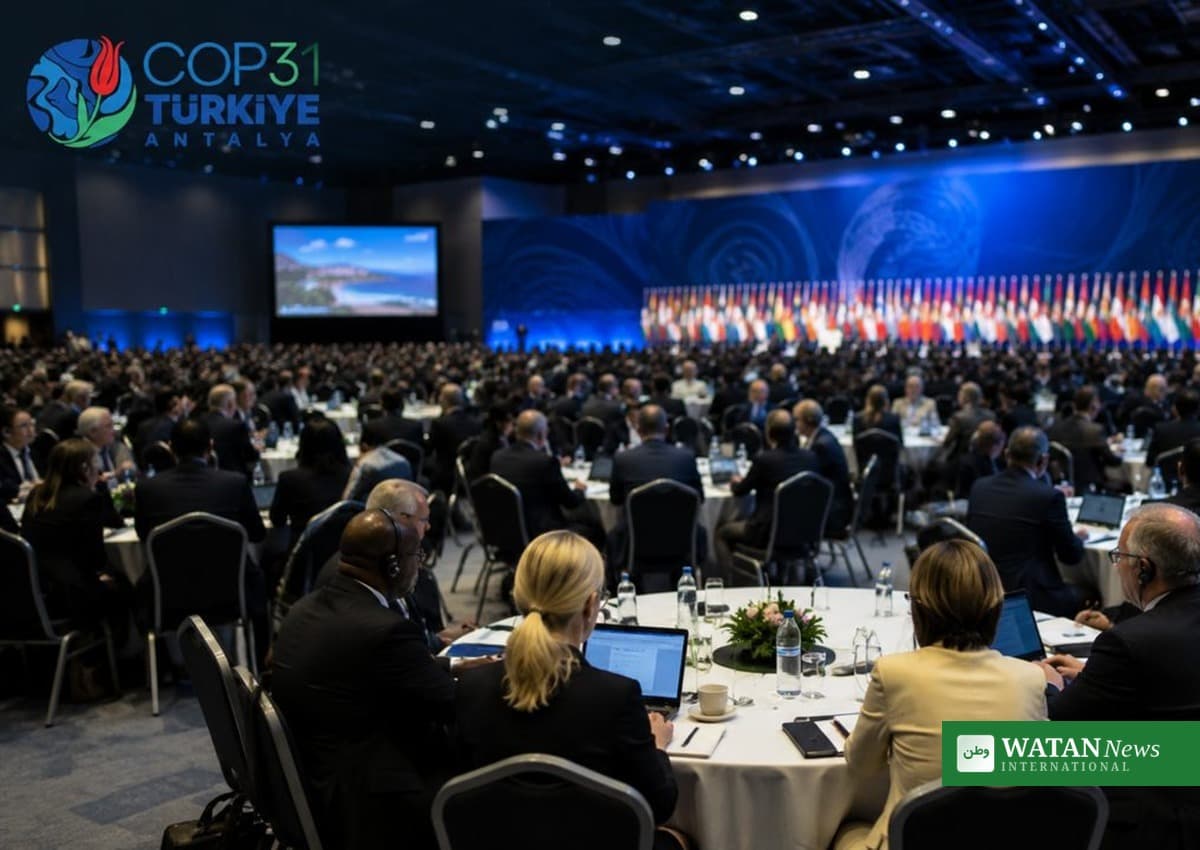
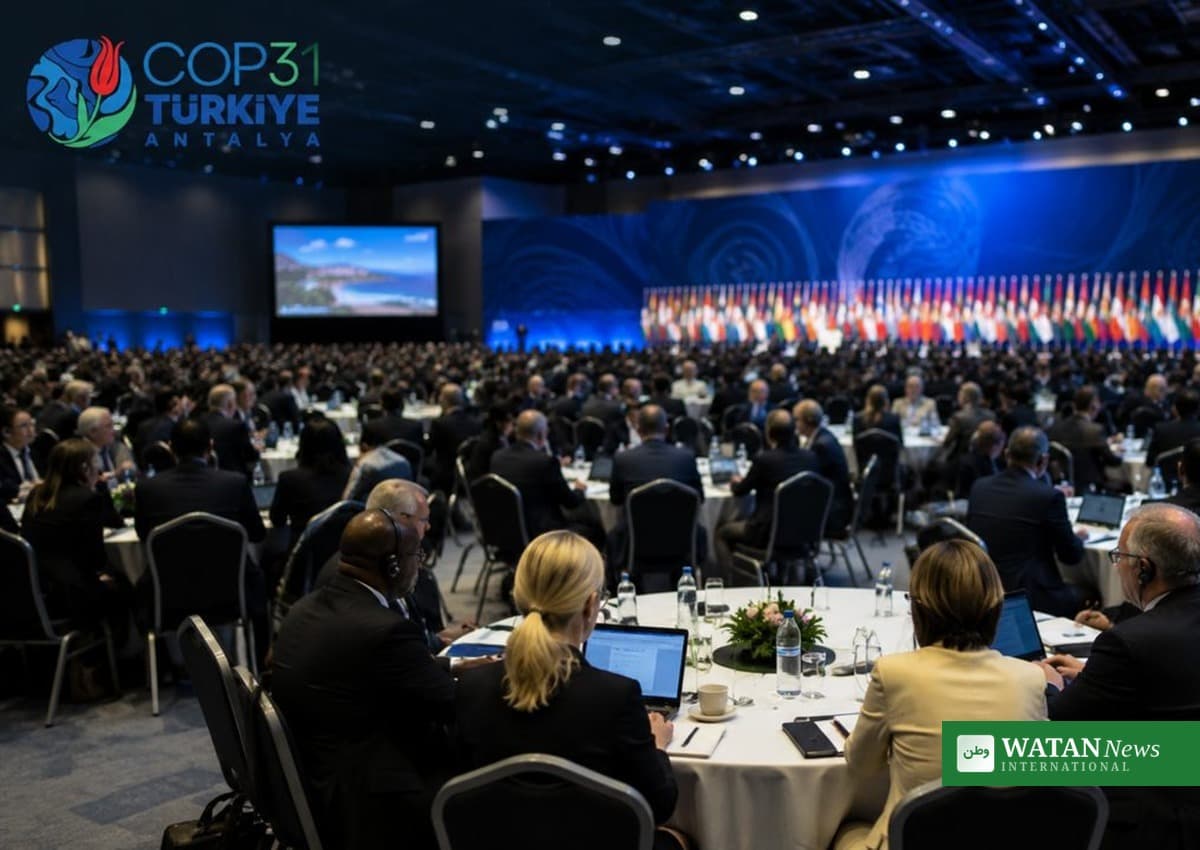
The timing also matters for climate policy. The COP31 presidency has made zero waste one of its ten Action Agenda themes, with a target of halving the projected growth in global municipal waste by 2035 and lifting the global circular material use rate to at least 15% by 2035. Low-energy recycling advances of this kind are exactly the practical steps that agenda depends on.
ETH Zurich has filed a patent application for the method and is now seeking licensees. The chemical industry has shown interest, and a key advantage is that the method could be implemented using existing infrastructure and standard processes, without companies having to modify their equipment.
There is one clear limit: the method only works with acrylic glass, and different approaches are needed for other plastics. Anastasaki remains optimistic, saying the team will try to apply the same principle to polystyrene, one of the most widely used plastics in the world.
For readers following practical waste solutions, Watan News also reported on Hawaii turning ocean plastic into roads, where recycled material from fishing nets was tested in asphalt.
Key facts
- What: A new low-energy method to recycle acrylic glass into pure monomers.
- Yield: Monomer yield can be as high as 98%.
- Temperature: Depolymerisation begins at just over 200 degrees Celsius, against a previous minimum of 400 degrees.
- Solvents: None used in the new process.
- Quality: Recovered monomers can produce new polymers of the same quality as virgin material, even from dyed or impure starting material.
- Status: Published in Nature Chemistry; patent filed; ETH Zurich seeking licensees.