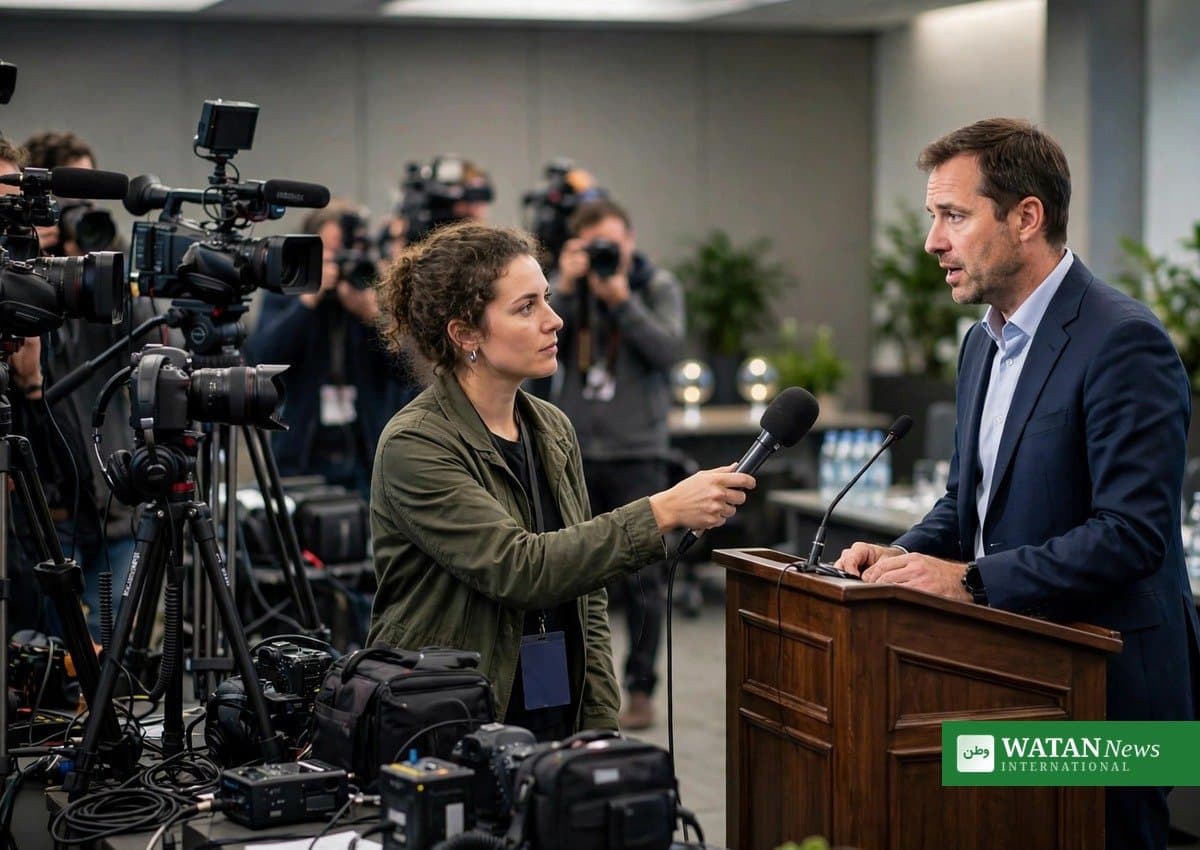
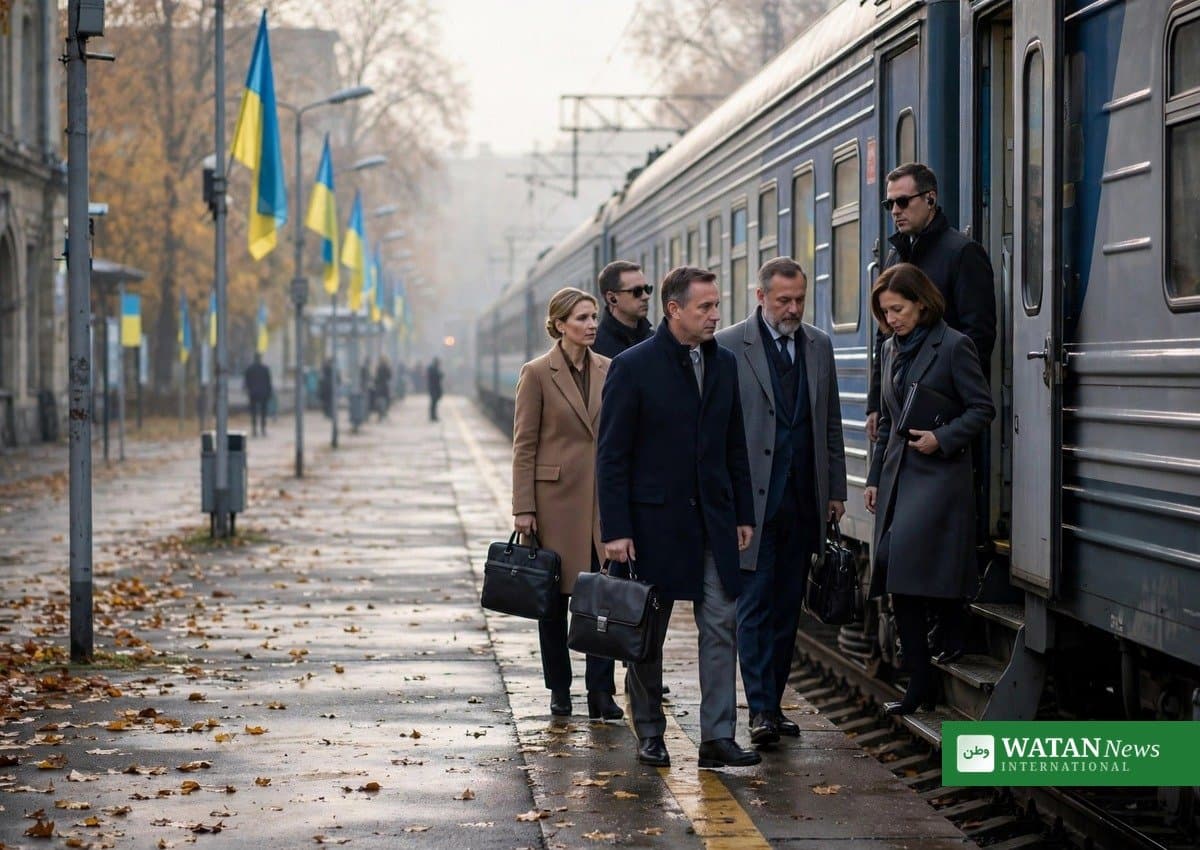
German Chancellor Friedrich Merz arrived in Kyiv on an unannounced visit on Sunday, 4 October 2026, stepping onto the platform of the capital’s central railway station as air-raid sirens sounded across the city. The Merz Kyiv visit comes amid a sharp escalation of Russian strikes on the Ukrainian capital, with the Northern Bridge across the Dnipro struck shortly after his arrival. Merz is expected to announce a €1 billion military aid package and €350 million for energy-sector repairs, and to finalise a German-Ukrainian deal for the joint production of drones.
Key facts
- The visit: Merz arrived in Kyiv by train on Sunday, 4 October 2026, accompanied by Economy Minister Katherina Reiche and executives from Siemens Energy, Hensoldt, Diehl Defence and Quantum Systems.
- The aid package: €1 billion in military aid plus €350 million for repairs in the energy sector, German government officials said.
- The drone deal: a joint German-Ukrainian production deal for drones — including interceptor drones and long-range missiles — is due to be finalised during the visit, with production in both Ukraine and Germany.
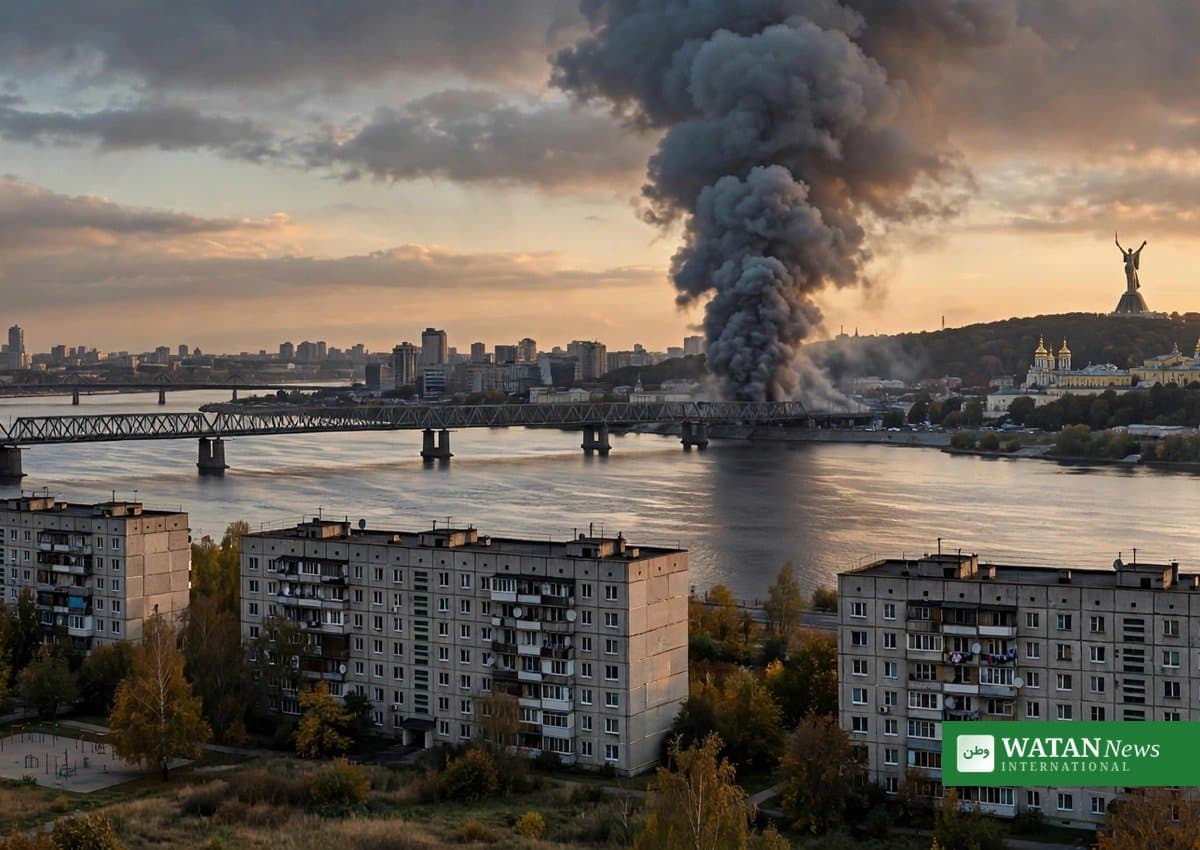
- The strikes: four air-raid alerts sounded in Kyiv on Sunday morning; a Russian strike hit the roadway of the Northern Bridge across the Dnipro, damaging a hot-water supply system, according to mayor Vitali Klitschko.
- The pattern: Russia has stepped up attacks on Kyiv’s bridges since last week, with the South Bridge struck on Friday and Saturday and three of the city’s six road bridges over the Dnipro closed earlier this week.
Strikes hit Kyiv’s bridges as Merz arrives
Four air-raid alerts were heard in Kyiv on Sunday morning as Merz travelled to the capital, and explosions rang out across the city. One of the Russian strikes hit the Northern Bridge across the Dnipro, damaging its roadway — an incident confirmed by Kyiv mayor Vitali Klitschko on Telegram, who said emergency services were heading to the scene and that a hot-water supply system in the area had been damaged. The bridge lies a short drive from the central railway station where Merz’s train pulled in.
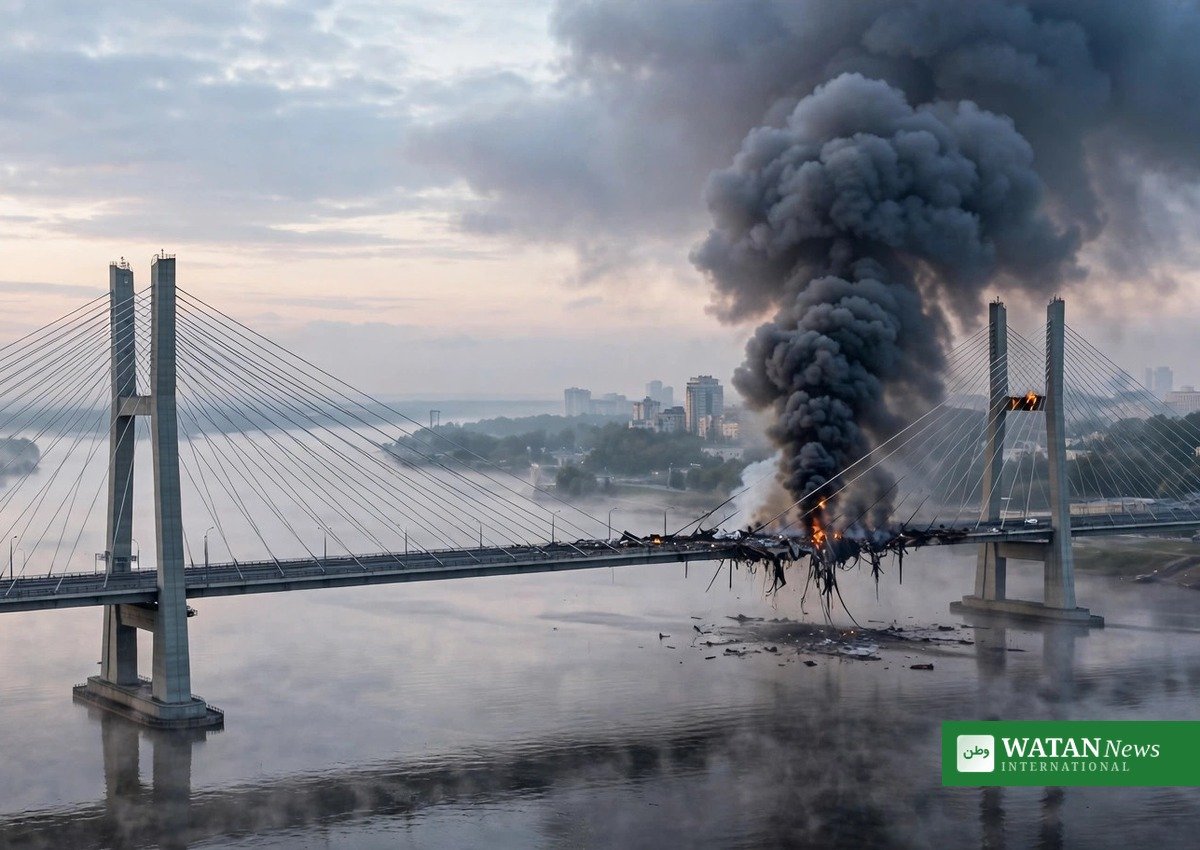
The strike on the Northern Bridge follows Russian attacks on the South Bridge on Friday and Saturday, and several earlier strikes this week that closed three of Kyiv’s six road bridges over the Dnipro. Russia has increasingly targeted the crossings in an effort to disrupt links between the two banks of the capital and logistics routes toward eastern Ukraine — and Ukrainians are steeling themselves for another autumn blitz ahead of a tough winter.
Merz Kyiv visit: drone deal and €1bn aid at the centre
The Merz Kyiv visit is expected to lock in a significant new package of support. German officials said Merz will release €1 billion in military aid and €350 million for energy-sector repairs — a sector under heavy pressure after repeated Russian strikes on heating plants and power infrastructure.
A centrepiece of the trip is the finalisation of a deal for the joint production of various kinds of drones, to be built in Ukraine and in Germany. Ukraine’s President Volodymyr Zelenskyy said after speaking to Merz by phone on Wednesday that Ukraine would soon finalise the deal with Germany for the production of drones, missiles and related software. A key focus is expected to be the rapid production of anti-jet drones — a field in which the German defence-technology firm Quantum has successfully tested systems — as Russia has been using dozens of high-speed jet attack drones daily against civilian and military infrastructure.
Merz’s message to Ukraine
On X, Merz wrote: “Ukraine is facing decisive weeks. That is why I travelled to Kyiv today with the message: you can rely on us.” Speaking in Kyiv, he added that he had travelled “because Ukraine needs all our support in the coming weeks,” noting that Russian forces were bombing towns, residential buildings and heating plants.
“If Russia is not stopped, sooner or later its war machine will turn against us,” Merz said. “I will tell President Zelenskyy today: you can continue to count on our help.”
Broader European context
Merz is scheduled to hold talks with President Zelenskyy during the visit, and the two men paid tribute at the makeshift memorial to fallen Ukrainian defenders at Independence Square. At the railway station, Merz was met by Ukrainian Foreign Minister Andrii Sybiha. The trip is Merz’s second visit to Kyiv since taking office as chancellor.
The chancellor is also expected to press Kyiv for progress on reforms requested by EU partners, including the fight against corruption — a reminder that Europe’s support is tied to Ukraine’s reform path. His visit underlines Germany’s role as one of Ukraine’s strongest European backers as the war enters a critical phase, with a fifth winter of war about to begin for the population.
Conclusion
Merz’s unannounced visit to Kyiv — arriving to the sound of sirens and explosions — is one of the most consequential European trips to Ukraine this year. With a €1 billion aid package, €350 million for the energy sector and a landmark German-Ukrainian drone co-production deal on the table, the chancellor is putting concrete substance behind his message that Ukraine can rely on Germany in the decisive weeks ahead.