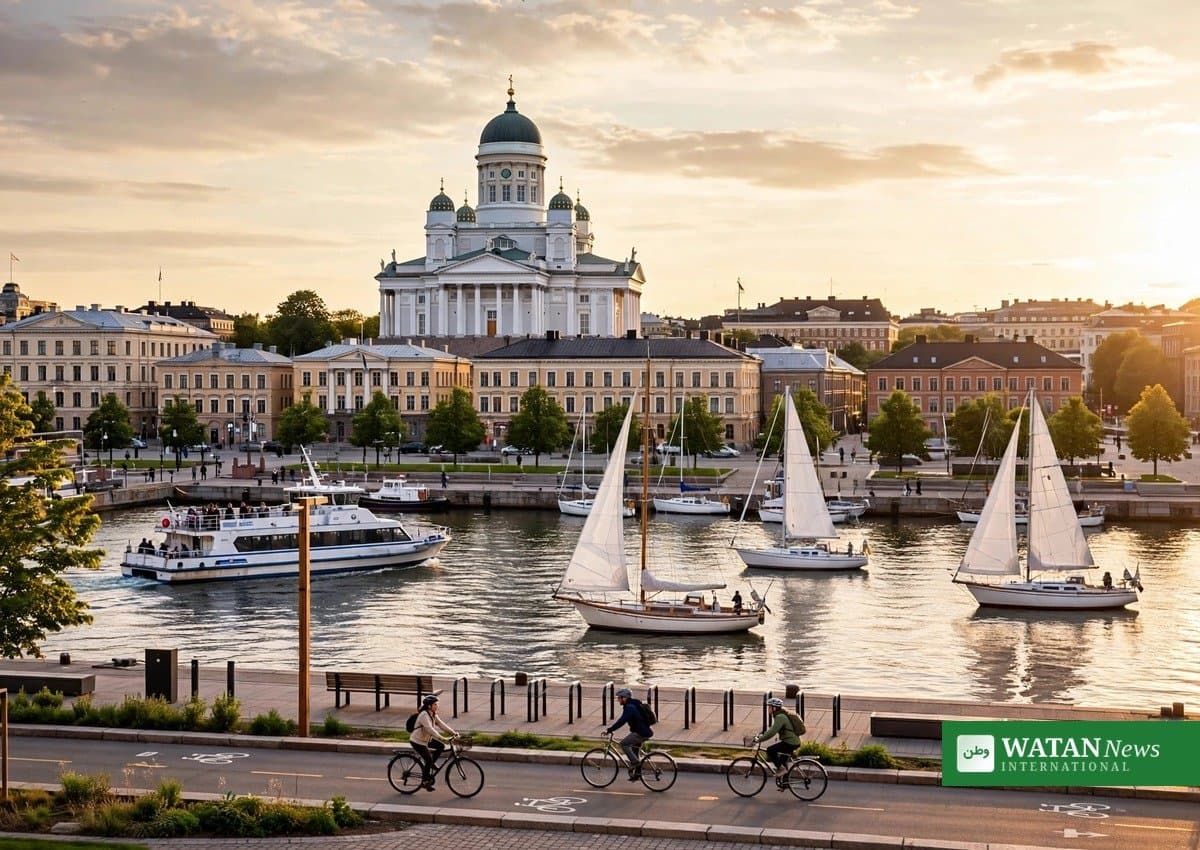
HELSINKI — Helsinki has been named the world’s most sustainable travel destination in the 2026 Global Destination Sustainability Index (GDS-Index), scoring 92.94 percent and holding first place for the third consecutive year.
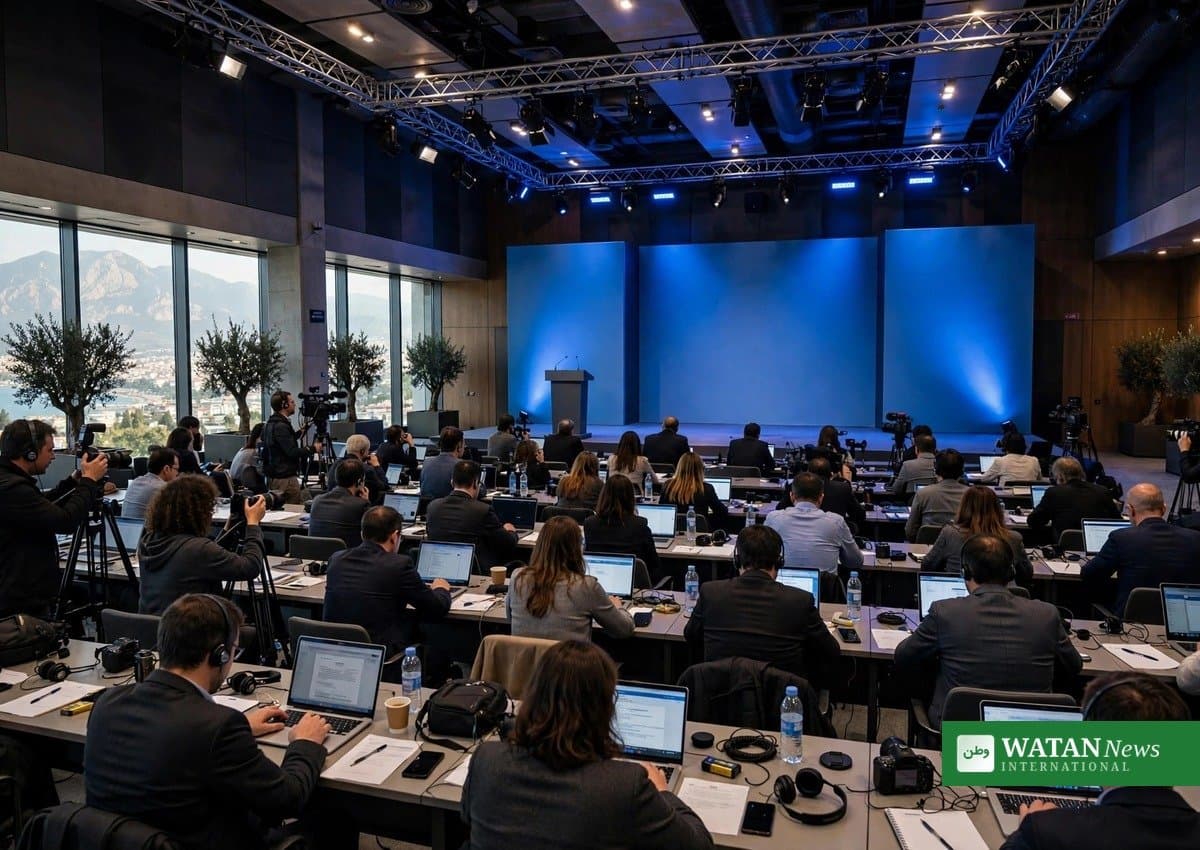
The results were announced by the GDS-Movement at a virtual results celebration on 23 September 2026. Now in its 11th year, the GDS-Index benchmarks tourism and events destinations on more than 70 indicators across four areas: environmental performance, social sustainability, supplier standards and destination management.
FAKTA
- Winner: Helsinki, Finland — 92.94%, first place for the third straight year (2024, 2025, 2026).
- Top five: Gothenburg 91.29% (2nd), Copenhagen 90.35% (3rd), Aarhus (4th), Aalborg (5th).
- Biggest improver: Bremen, Germany — up 22.3 percentage points.
- Wider trend: 89% of destinations improved; the average score reached a record 74.27%.
- Released: 23 September 2026 by the GDS-Movement; the 11th edition of the index.
Nordic cities take four of the top five
Gothenburg, Sweden, finished second with 91.29 percent — its third consecutive year as runner-up to Helsinki, and a city that previously led the index seven times. Copenhagen took third with 90.35 percent and was the only city in the top three to increase its absolute score this year, according to travel industry reporting on the results.
Denmark placed three cities in the top five, with Aarhus fourth and Aalborg fifth. Aalborg is also one of five finalists for the 2028 European Green Capital Award, whose winner will be announced on 8 October in Guimarães, Portugal.
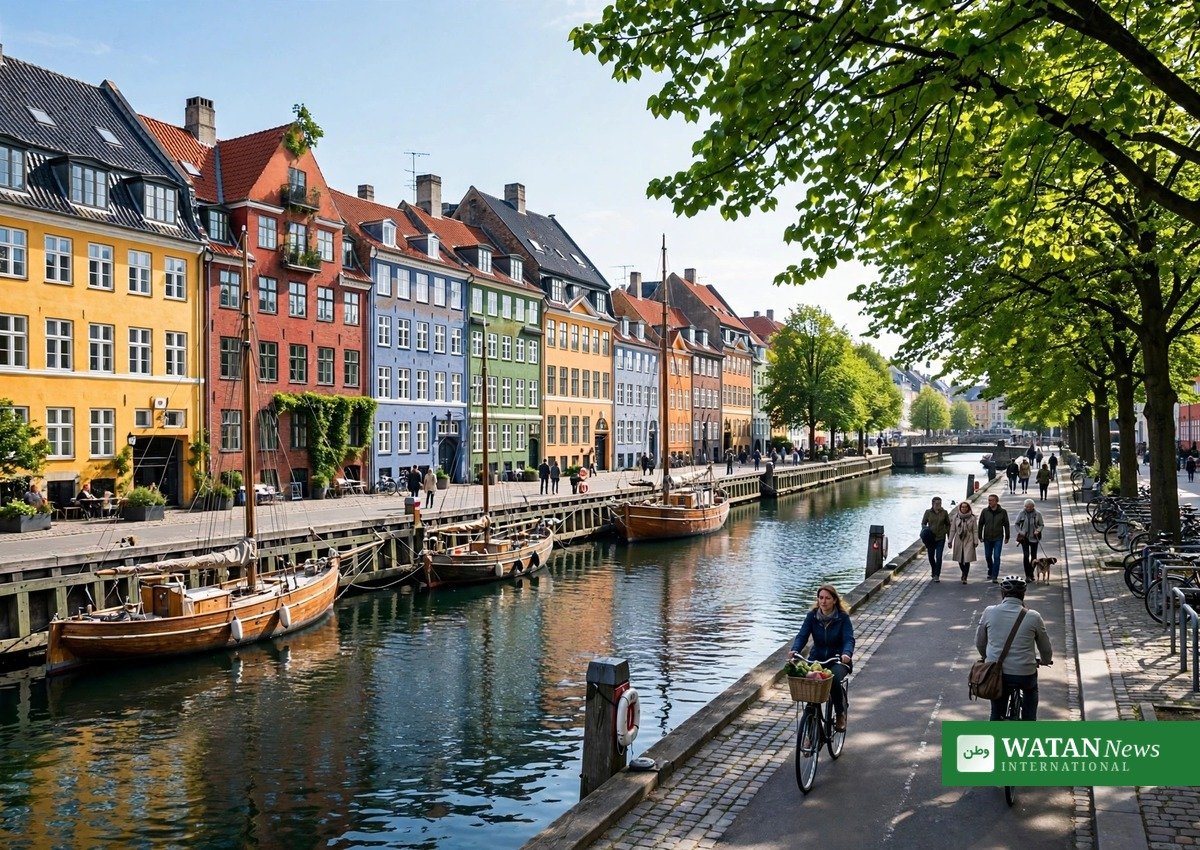
Six of the top ten destinations are in the Nordic region. Glasgow, Sydney, Belfast, Montreal and Reykjavik complete the top ten.
The rest of the world is catching up
The headline beyond the Nordic leaders is momentum: of the destinations assessed in both 2025 and 2026, 89 percent improved their scores, and the overall average reached 74.27 percent — the highest since benchmarking began in 2016. The gap between the top ten and the wider field narrowed for the third consecutive year to 14.5 percentage points, the smallest on record.
Destinations with the most ground to make up gained an average of 8.2 percentage points, compared with 1.5 points among those already near the top. Since the programme began, average destination performance has risen 45.5 percent, while the top ten have improved by 49 percent.
Bremen, Germany, recorded the largest year-on-year improvement of any destination, rising 22.3 percentage points. Madrid, Valencia, Abu Dhabi and The Malverns were also among the most improved, the meetings industry press reported.
Sydney breaks into the top ten
Sydney climbed 18 places to seventh, according to meetings-industry reporting on the results — the only Australian city in the top ten and the highest-ranked destination in Asia-Pacific. The same reporting puts the city among the most improved in the environmental category, up 8.8 percent year on year, and fourth most improved on supplier standards, up 20.5 percent.
“Excellence and momentum”
GDS-Movement chief executive Guy Bigwood said the 2026 results celebrate “both excellence and momentum”, adding that “the narrowing gap shows how ideas, practices, and ambition are spreading” across destinations.
What the index measures
Unlike tourism awards decided by travellers’ votes, the GDS-Index is a performance-improvement programme: destinations submit evidence against the indicator set, and the benchmarking is designed to identify gaps and turn them into action plans. Helsinki’s strengths include, according to reporting on the results, its climate strategy, extensive environmental certification of hotels, efficient public transport and destination-management policies that weigh residents’ needs alongside visitors’. The city also received the Sustainable Travel Finland destination label in 2026.
What it means for travellers
The 2026 results suggest sustainability is moving from a specialist niche into mainstream destination management: the strongest destinations combine climate action with public transport, supplier standards, hotel certification and cooperation with local businesses. For related coverage of Europe’s green city race, see Watan News’ report on the 2028 European Green Capital finalists.