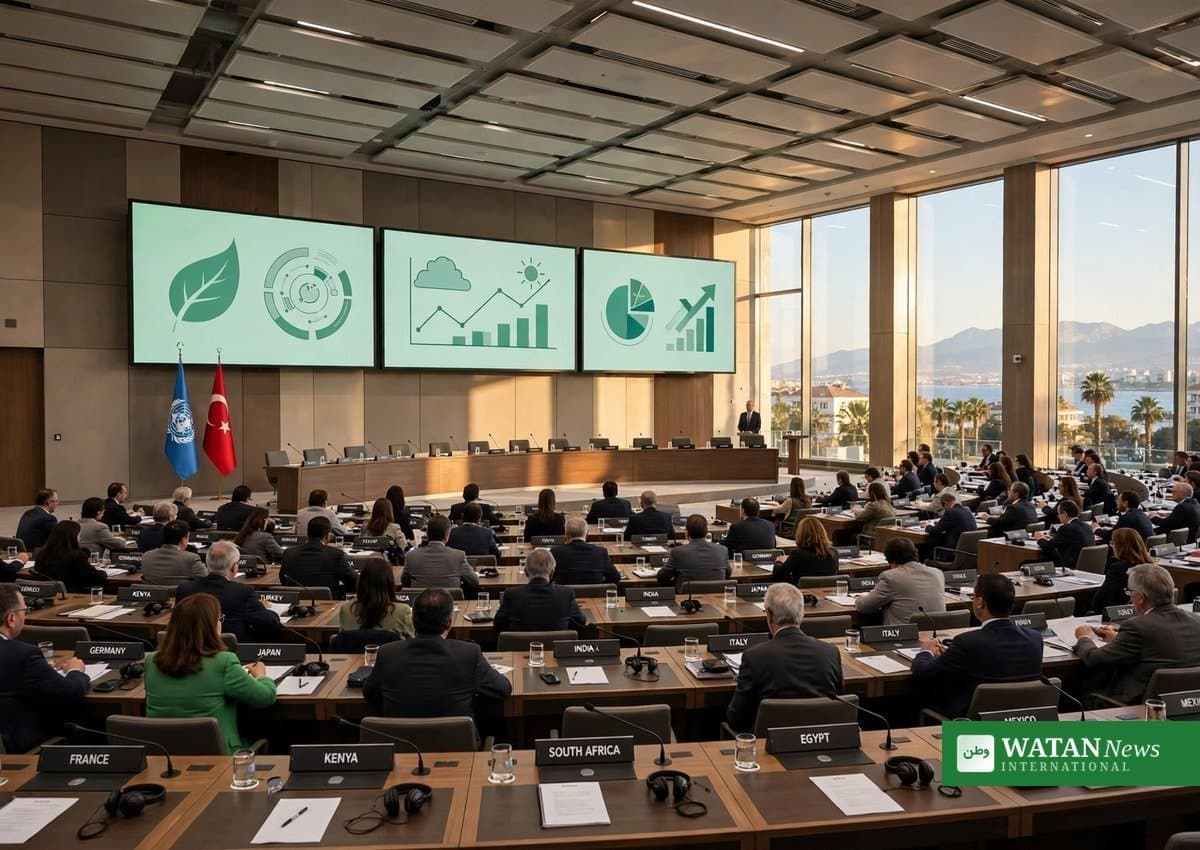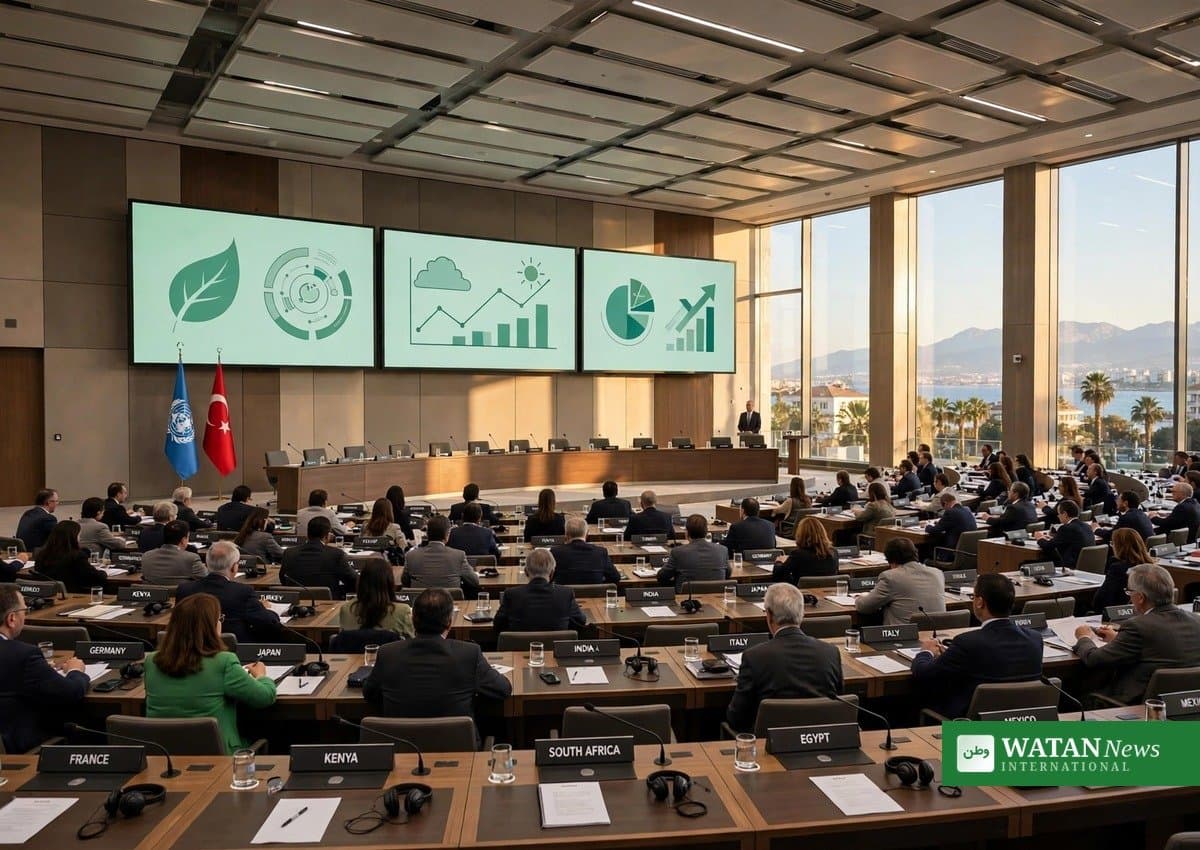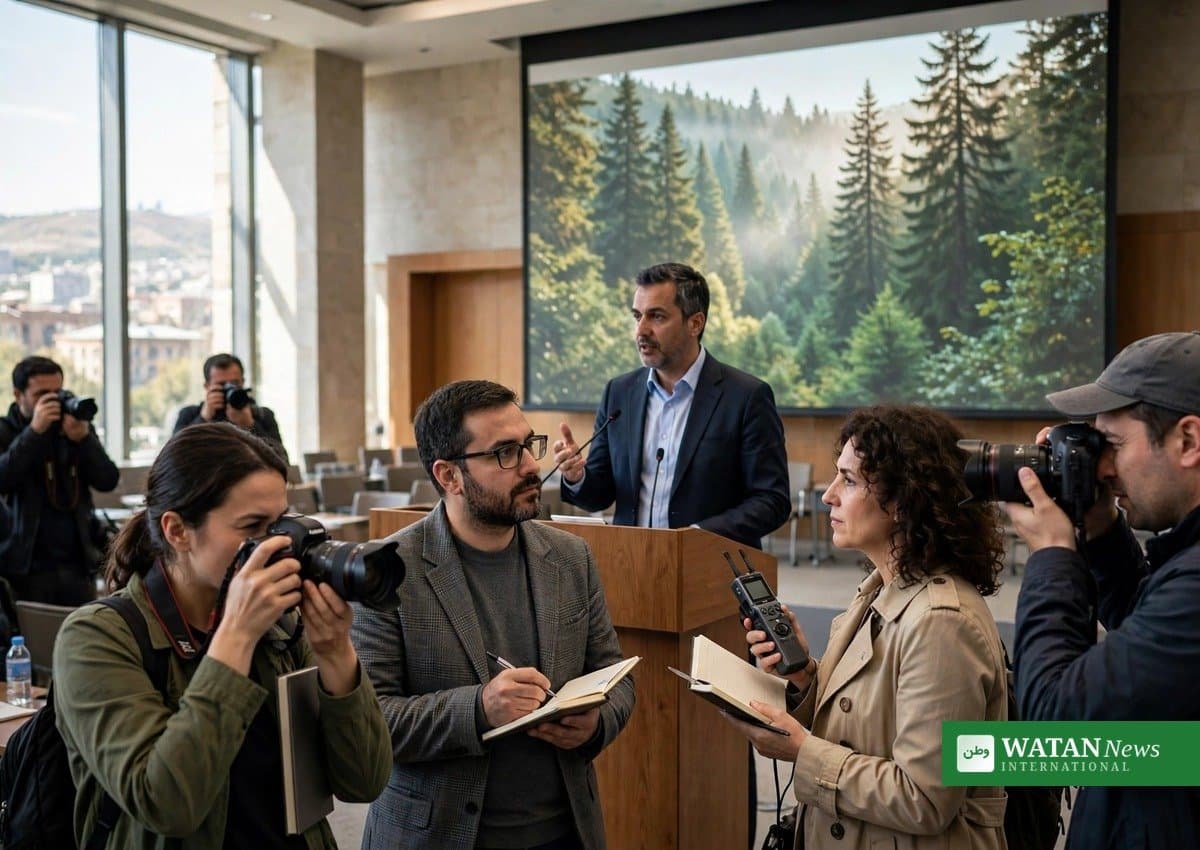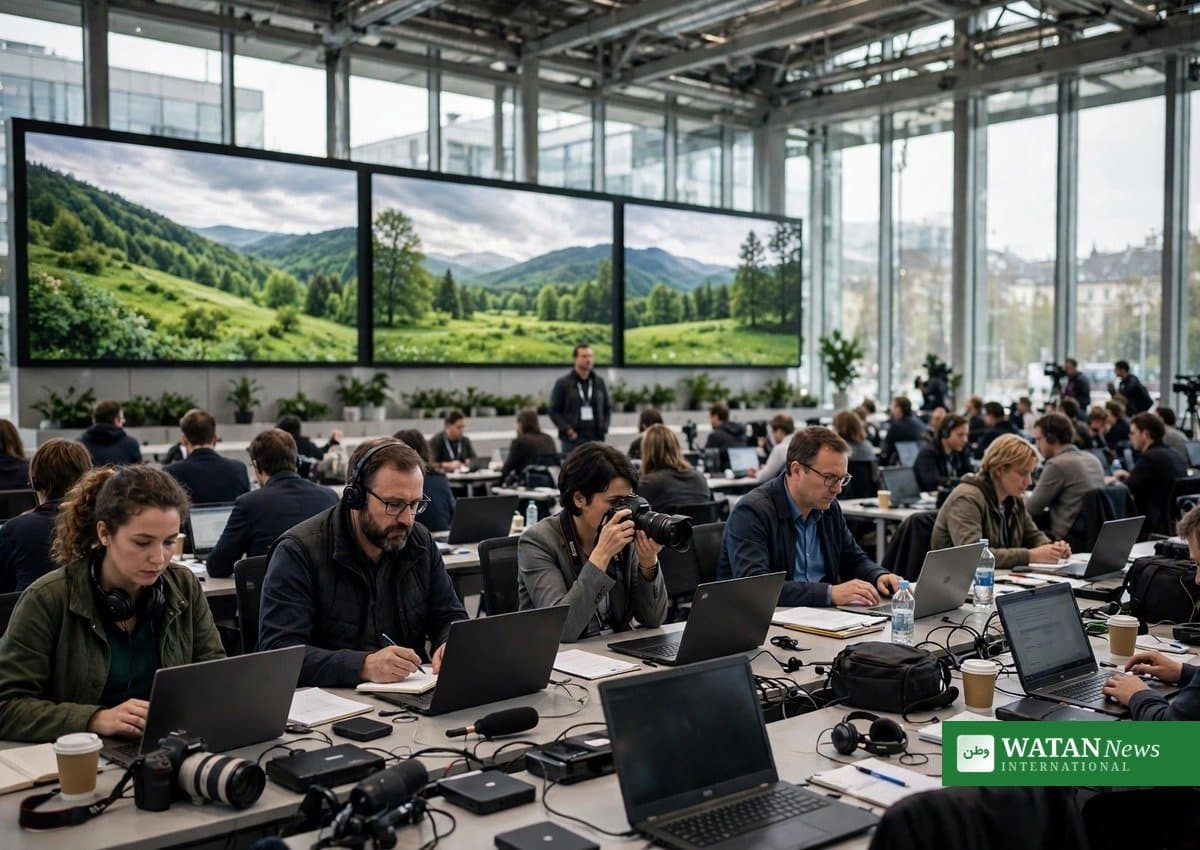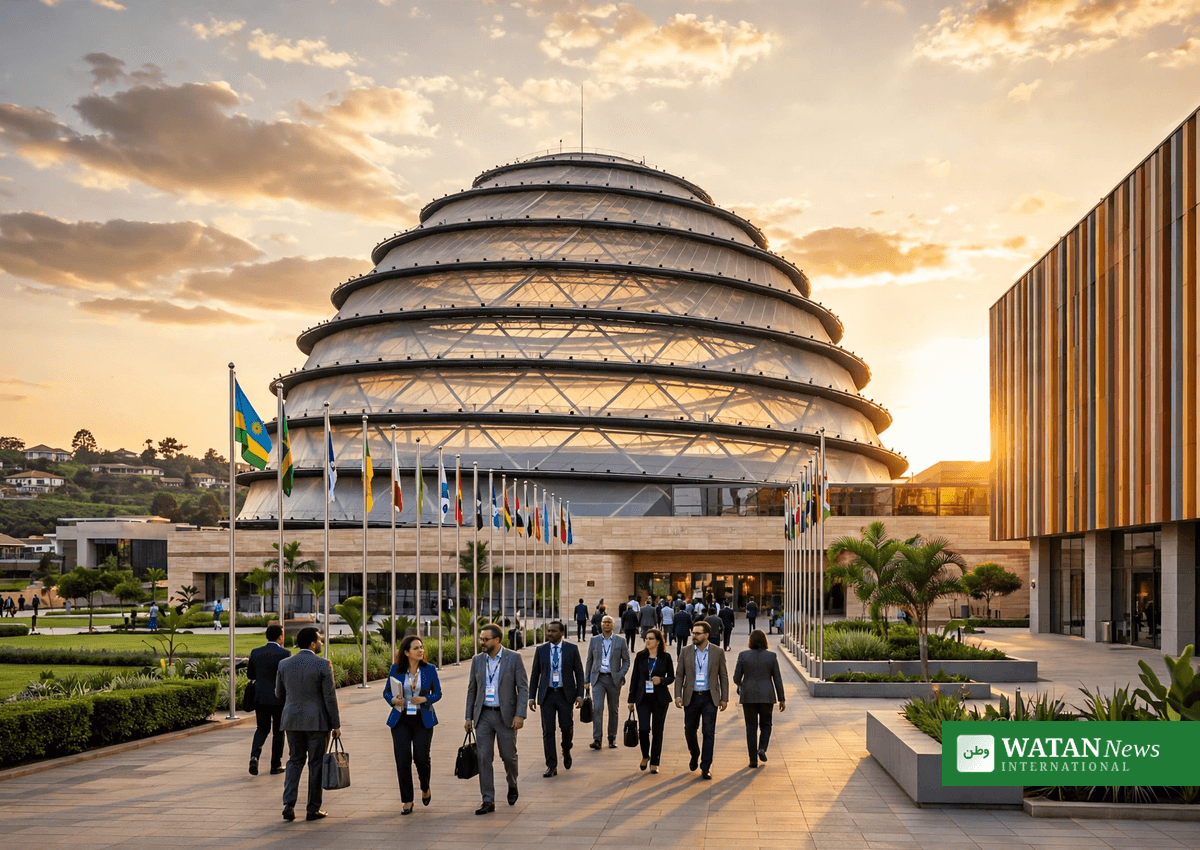
From 2 to 6 November 2026, the city of Kigali in Rwanda will host the Thirty-Eighth Meeting of the Parties to the Montreal Protocol, known as MOP38. Up to 1,000 delegates from governments, international organisations, industry, scientific bodies and civil society are expected to gather at the Kigali Convention Centre.
The meeting is a homecoming with a clear purpose. Ten years ago, in October 2016, the same city hosted the negotiations that produced the Kigali Amendment. Now delegates return to take stock of a decade of progress and to decide what the next decade of implementation must deliver.
Ten years after the Kigali Amendment
The Montreal Protocol, adopted in 1987, is widely recognised as one of the most successful environmental agreements ever negotiated. It orchestrated the global phase-out of the vast majority of ozone-depleting substances such as chlorofluorocarbons (CFCs) and hydrochlorofluorocarbons (HCFCs).
As a result, the ozone layer is on a path toward recovery, reducing risks of skin cancer, cataracts and damage to ecosystems. The Protocol also delivered significant climate co-benefits, because many of the controlled substances were also powerful greenhouse gases.
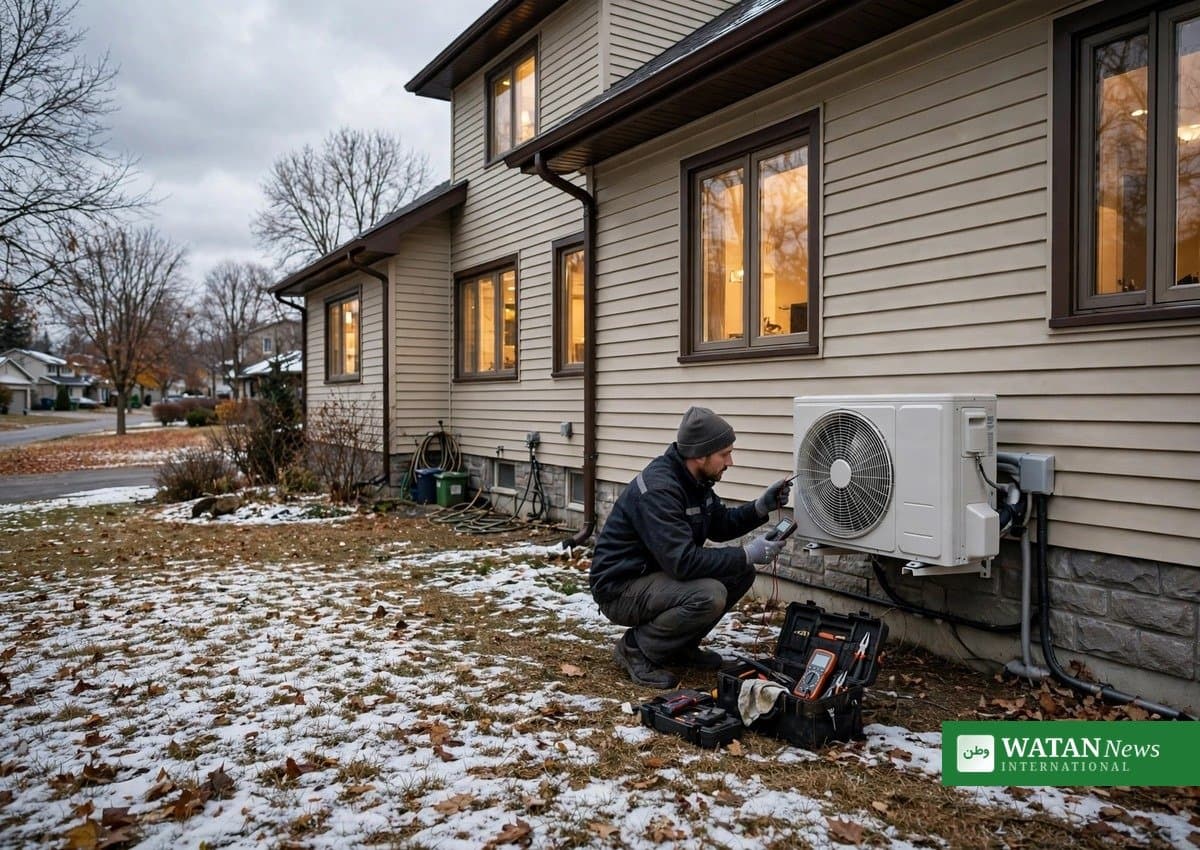
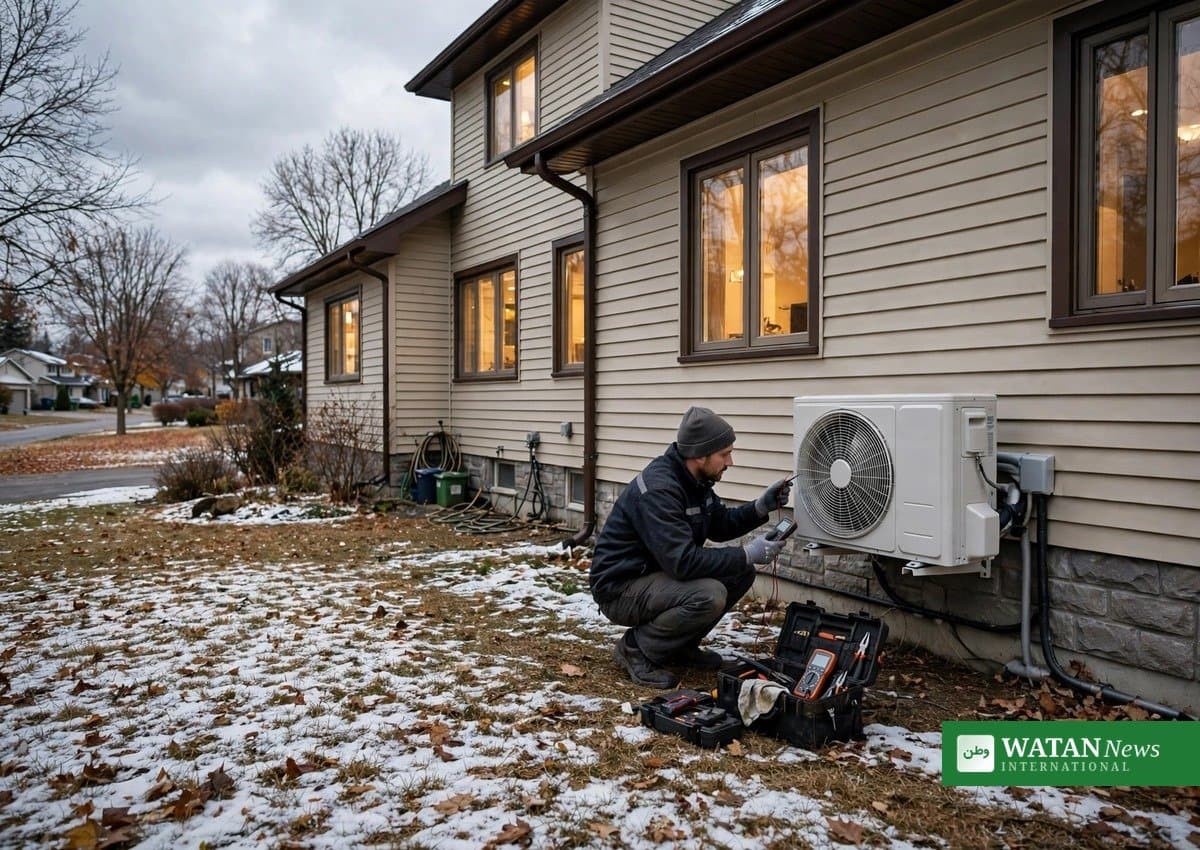
The Kigali Amendment extended this success into the climate arena. It commits countries to a gradual phase-down of hydrofluorocarbons (HFCs), chemicals widely used in refrigeration, air conditioning and heat pumps. HFCs do not harm the ozone layer directly, but they possess very high global-warming potentials.
According to the UN Environment Programme and reporting by Rwanda News Agency, full implementation of the Amendment could avoid up to 0.5 degrees Celsius of global warming by the end of the century. When paired with improvements in the energy efficiency of cooling equipment, the climate benefits can be substantially larger.
What is on the agenda
MOP38 is structured in two main segments. The preparatory segment runs from 2 to 4 November and handles detailed technical and policy negotiations. The high-level segment follows on 5 and 6 November, featuring ministerial statements, presentations from the assessment panels and adoption of decisions.
Central agenda items include the replenishment of the Multilateral Fund for the 2027 to 2029 triennium, which finances implementation support for developing countries. Parties will also examine emissions of HFC-23, options for strengthening regional atmospheric monitoring of controlled substances, organisational issues within the Technology and Economic Assessment Panel, compliance matters and the status of Kigali Amendment ratification.
Related meetings precede the main event. According to the UNEP Ozone Secretariat, the seventy-seventh meeting of the Implementation Committee takes place on 30 and 31 October, a Bureau meeting follows on 31 October, and a workshop on 1 November marks ten years of the Kigali Amendment.
Why cooling matters now
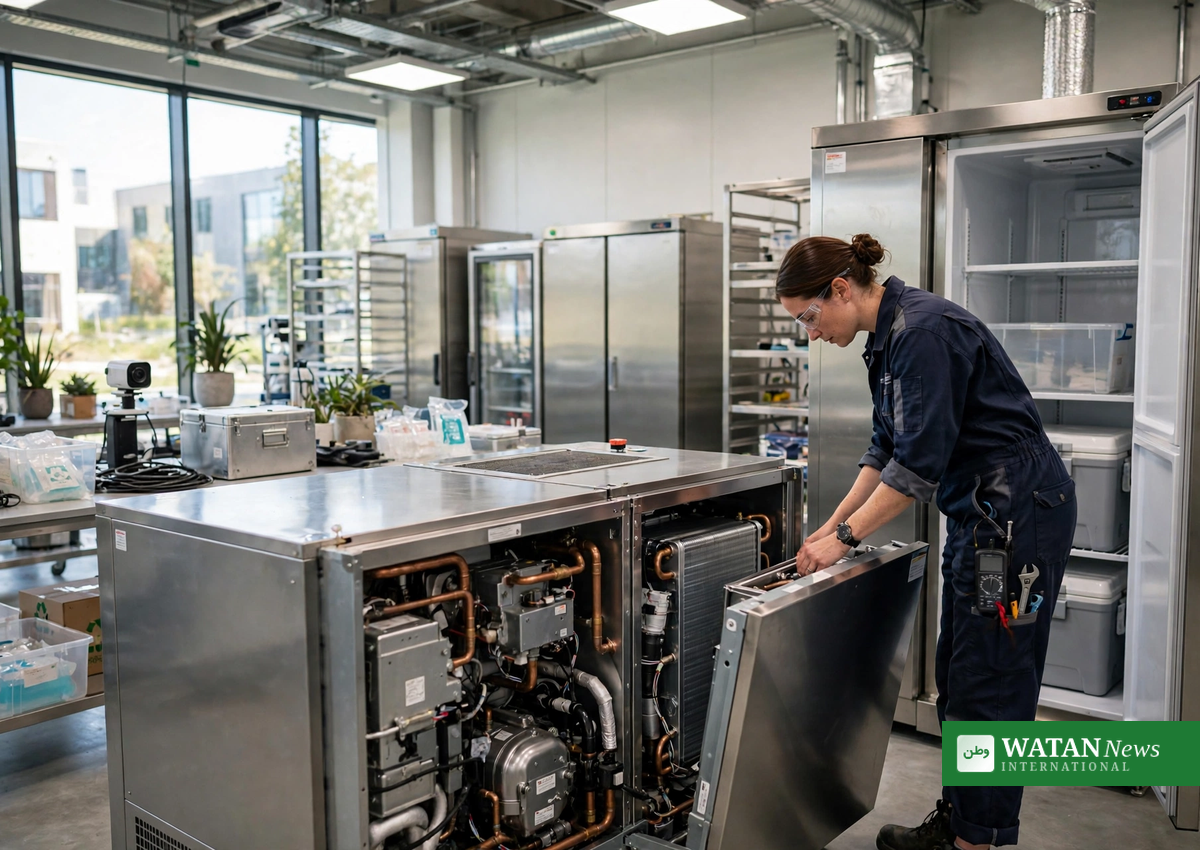
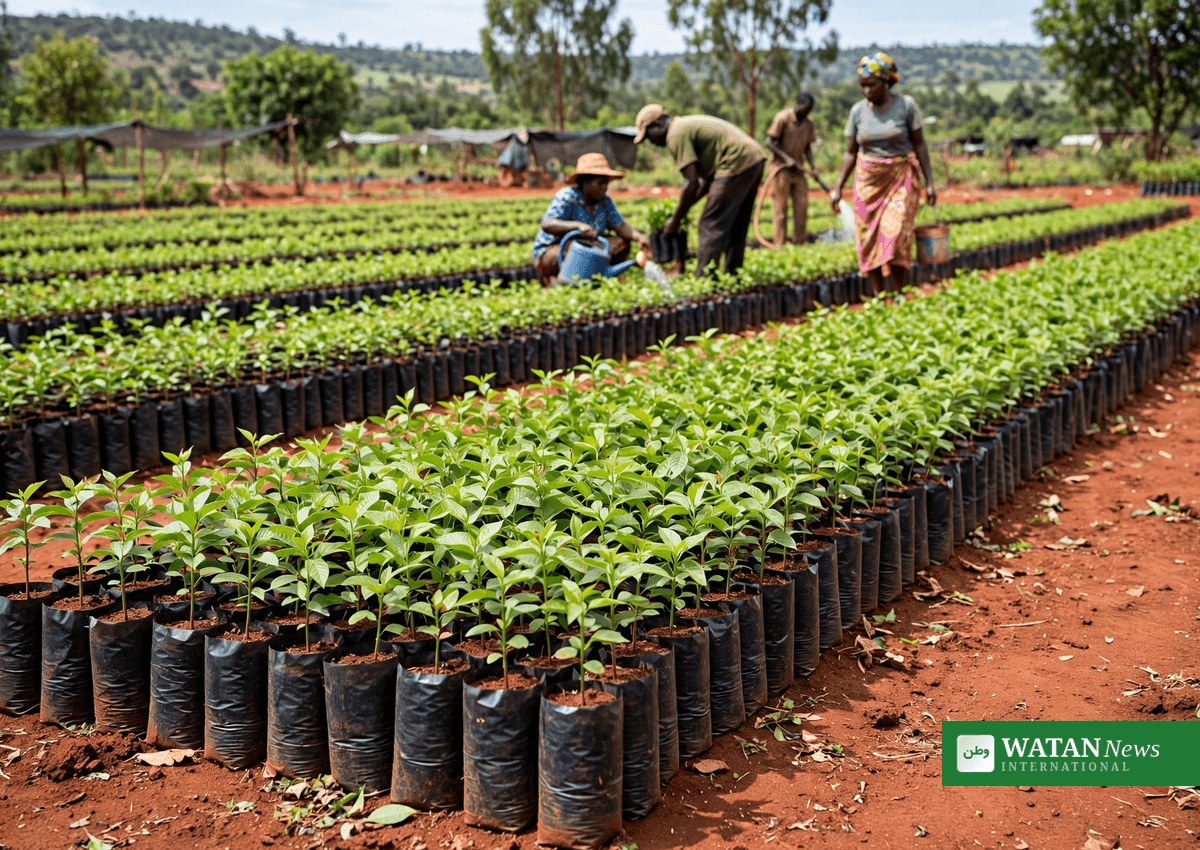
Demand for cooling is growing fast, driven by rising temperatures, urbanisation and economic development. That makes the transition urgent for food security, vaccine and medicine storage, agricultural cold chains and public health.
Rwanda’s Environment Minister, Dr Bernadette Arakwiye, has framed the meeting as both a celebration and a call for continued action, saying the gathering is an opportunity to recognise progress while looking at what more is needed to fully implement the commitments made.
Megumi Seki, Executive Secretary of the Ozone Secretariat, has emphasised the value of sustained cooperation, noting that continuing the HFC phase-down, improving energy efficiency and moving towards universal ratification of the Kigali Amendment will be important to realising its full climate benefits.
Kigali’s own programme
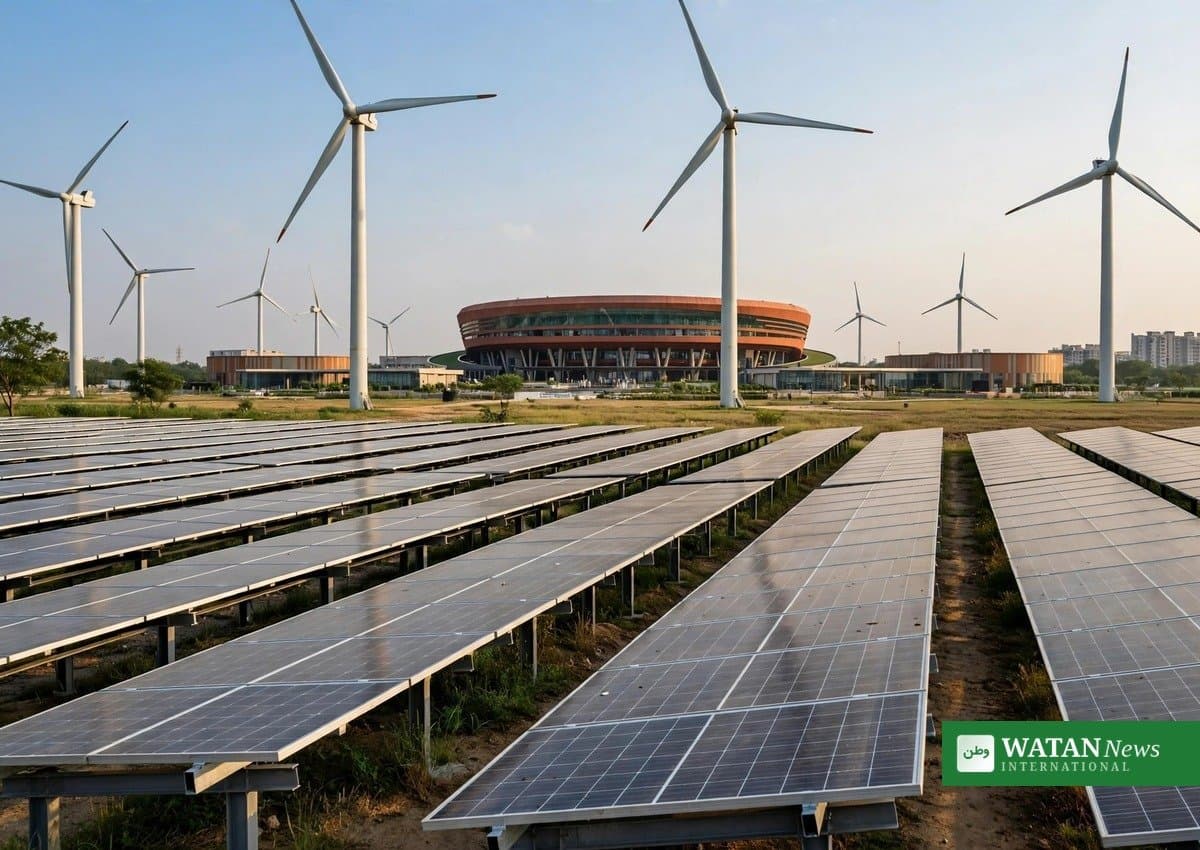
Beyond the formal negotiations, Rwanda is organising a programme of activities focused on implementation and innovation. These include a technical workshop at the African Centre of Excellence for Sustainable Cooling and Cold-chain (ACES), covering technologies and skills development, an Innovation Exhibition at the Kigali Convention Centre showcasing climate-friendly cooling and cold-chain solutions, a Partnership Forum and dedicated Kigali Amendment at 10 events.
The country’s own Kigali Implementation Plan guides its HFC phase-down, and facilities such as ACES position Rwanda as a regional hub for technology testing, training and cold-chain development. The meeting also serves as a reminder that the Protocol’s success has always depended on differentiated timelines, financial support through the Multilateral Fund and technology transfer.
Just days after MOP38 closes, the world’s attention moves to Antalya, Türkiye, for COP31 from 9 to 20 November 2026. The two gatherings together will test whether the same spirit of pragmatic cooperation can turn phase-down commitments into measurable reductions in super-pollutant emissions. Readers can follow related climate diplomacy in our earlier report on Congo Basin voice at COP31 as Türkiye courts Congo ahead of Antalya.
Key facts
- Event: MOP38, the 38th Meeting of the Parties to the Montreal Protocol
- Dates: 2 to 6 November 2026, with a preparatory segment on 2 to 4 November and a high-level segment on 5 and 6 November
- Place: Kigali Convention Centre, Kigali, Rwanda
- Expected attendance: Up to 1,000 delegates
- Anniversary: Ten years since the Kigali Amendment was adopted in Kigali in October 2016
- Key agenda item: Replenishment of the Multilateral Fund for 2027 to 2029
- Climate prize at stake: Up to 0.5 degrees Celsius of avoided warming by the end of the century, according to UNEP-linked reporting, if the Kigali Amendment is fully implemented