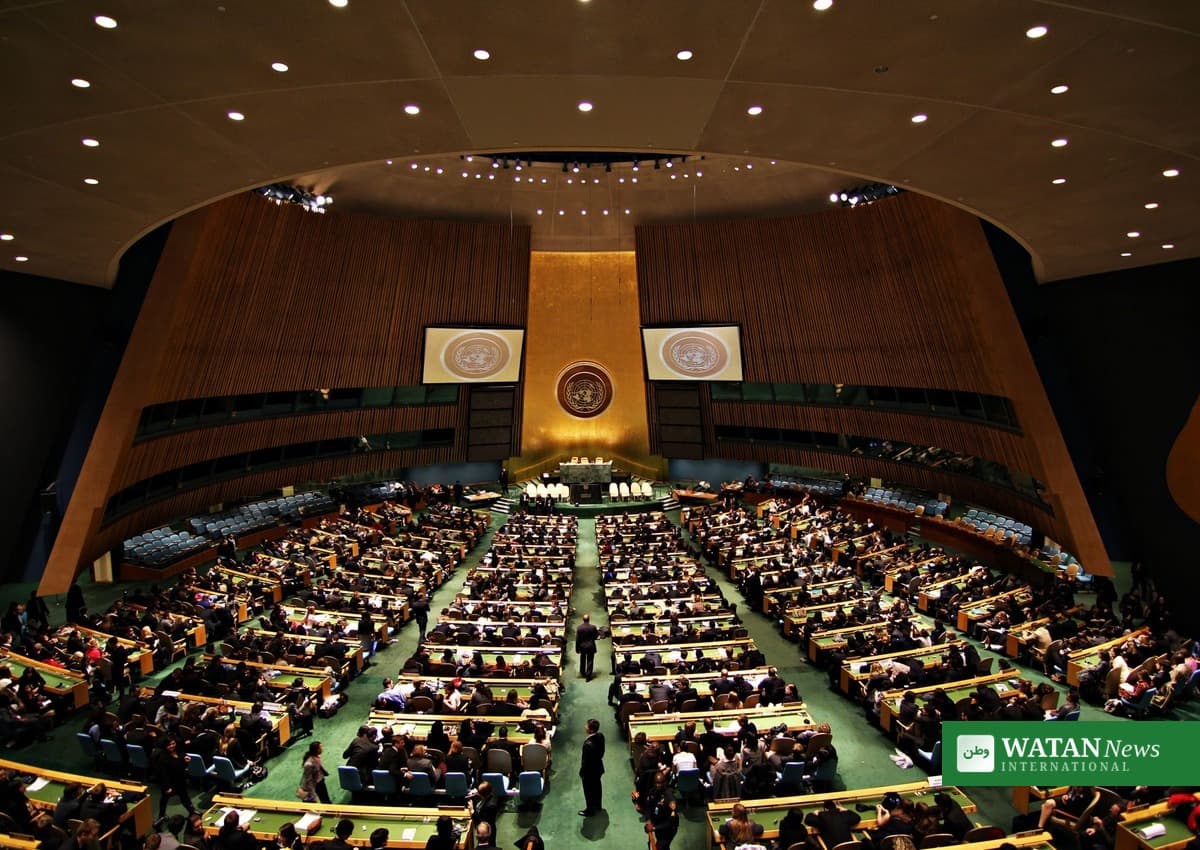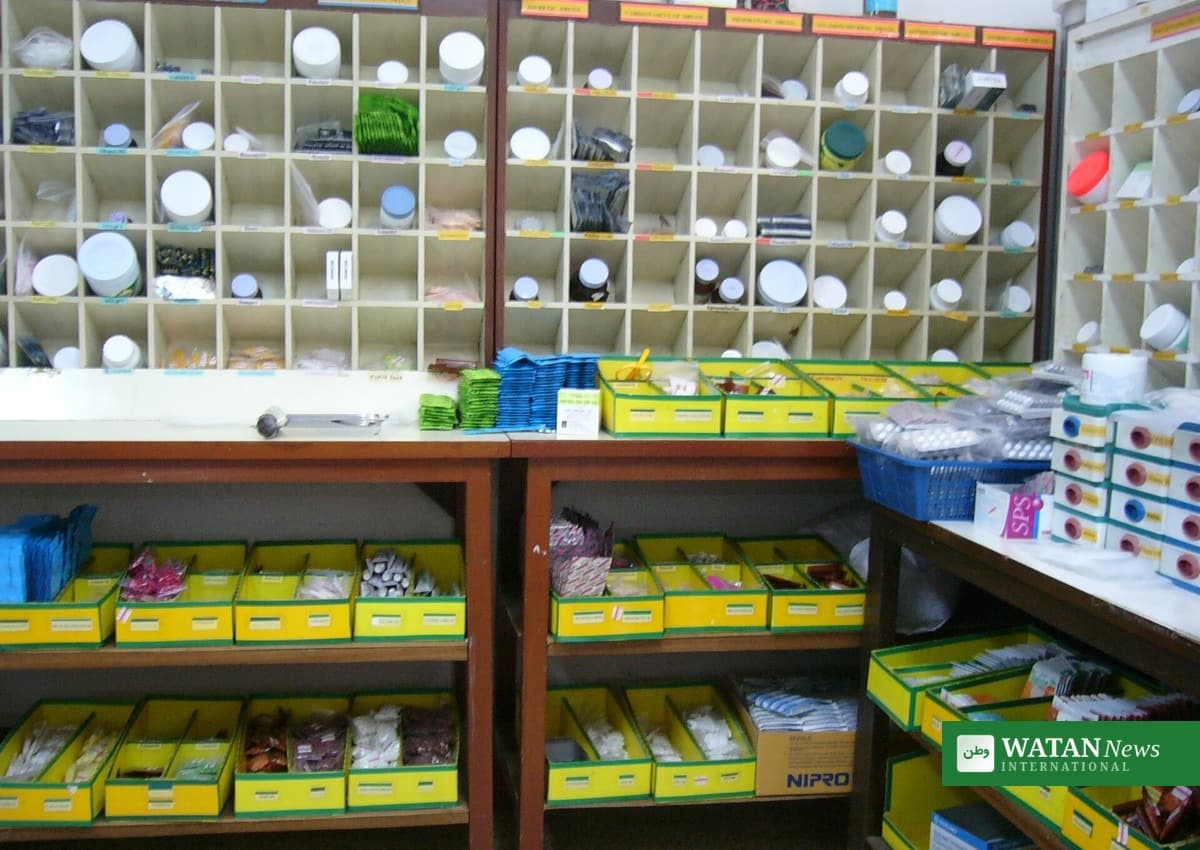
The Nordic countries are stepping up their cooperation on buying medicines together, signing an expanded agreement on Nordic antibiotics procurement to secure stable supplies of antibiotics and fight antibiotic resistance. The agreement, dated 3 November 2026, will let regions in Finland and Sweden join the existing joint procurement partnership between Denmark, Iceland and Norway, with a joint tender for hospital antibiotics as the first step.
Read this story on Watan News: Nordic Countries Expand Joint Procurement to Secure Antibiotic Supplies
FAKTA
- The Nordic ministers for health have signed an expanded agreement on the joint procurement of medicines, dated 3 November 2026.
- Regions in Finland and Sweden will be able to join the existing procurement partnership between Denmark, Iceland and Norway.
- As a first step, a joint tender for hospital antibiotics is planned, to attract more suppliers and improve access to important antibiotics.
- The Nordic countries have some of the lowest levels of antibiotic resistance in Europe and are global frontrunners in the fight against it.
- The agreement is part of wider Nordic cooperation on preparedness, after the Nordic Council approved a new societal security strategy in Helsinki on 28 October.
- Norway will take over the presidency of the Nordic Council of Ministers next year, with preparedness and resilience as priorities.
A Wider Partnership for Medicines
Until now, the joint procurement partnership has covered Denmark, Iceland and Norway, whose procurement organisations have run joint tenders for older, well-known medicines facing supply problems. The expanded agreement opens the partnership to regions in Finland and Sweden, so that more of the region’s health systems can buy together.
“To address the challenges, the Nordic countries are now stepping up co-operation on the procurement of medicines. As a first step, a joint tender for hospital antibiotics is planned. The aim is to attract more suppliers and improve access to important antibiotics,” said Ida Auken, Denmark’s Minister for Health.

Nordic Antibiotics Procurement: Why Antibiotics Come First
Antibiotics are the natural starting point. The Nordic countries are global frontrunners in the fight against antibiotic resistance and have some of the lowest levels of resistance in Europe, but they share a common problem: small markets struggle to secure supplies of older, essential drugs, and suppliers withdraw when volumes are low. Buying together gives the region more weight with manufacturers and more reliable delivery terms.
“The aim is for more regions in Finland and Sweden to join the procurement partnership to improve their access to important medicines,” said Jakob Forssmed, Sweden’s Minister for Social Affairs and Public Health. The expanded partnership is one of several initiatives intended to ensure access to antibiotics in the region while supporting their responsible use.
Part of a Wider Security Push
The agreement comes days after the Nordic Council approved a new societal security strategy in Helsinki on 28 October, calling for closer cooperation across Denmark, Finland, Iceland, Norway and Sweden to protect essential supplies, infrastructure and democracy during crises. Adopted unanimously, the strategy treats security as the capacity to keep society functioning, including access to medicines and energy and the protection of digital services.
Its health section proposes a Nordic forum for pharmaceutical supplies, covering medicines, vaccines and equipment. The strategy points to the COVID-19 pandemic, Russia’s invasion of Ukraine, cyberattacks, disinformation and climate-related disasters as reasons for closer cooperation. Its recommendations are directed at national governments and do not constitute a new treaty.
| Joint Nordic medicines procurement | Role |
|---|---|
| Denmark | Existing partner (Amgros) |
| Iceland | Existing partner (Landspitali) |
| Norway | Existing partner (Sykehusinnkjop) |
| Finland | Regions now able to join |
| Sweden | Regions now able to join |
What Happens Next
The first concrete step is the joint tender for hospital antibiotics, which is intended to draw in more suppliers. Norway will take on the leadership of three Nordic cooperation platforms next year, including the presidency of the Nordic Council of Ministers, and has said it will work to deliver concrete results on preparedness and resilience. For patients, the test of the agreement will be simple: whether essential antibiotics are on the shelf when they are needed.
Conclusion
The expanded medicines agreement is a modest document with a practical purpose. By buying antibiotics together, five small countries hope to solve a problem none of them can solve alone: keeping essential, low-margin medicines available. It is Nordic cooperation at its most concrete, and it fits a region that is steadily treating health supplies as a matter of security.