Residents of the Russian-held town of Oleshky in southern Ukraine began leaving on Friday, 30 October, under a localised ceasefire, in the first joint relief operation of its kind between Russia and Ukraine in four years and eight months of war. The Oleshky evacuation is the first time the two sides have worked together on a humanitarian operation of this scale since Russia launched its full-scale invasion in February 2022.
FAKTA
- What happened: Residents began evacuating Oleshky, in the Kherson region, on Friday, 30 October, under a localised ceasefire.
- The ceasefire: In force across the Kherson region since Tuesday, 27 October, and due to expire at 22:59 Kyiv time on Sunday, 1 November.
- The convoy: 25 buses, 50 medical professionals and ambulances were laid on to evacuate more than 750 people who voluntarily chose to leave.
- Two destinations: Residents were given the choice of travelling to Russian-controlled territory or towards Ukraine, via Russia and Belarus.
- How many are leaving: The exact number is still unclear; Kyiv’s prime minister retracted an earlier figure of 527.
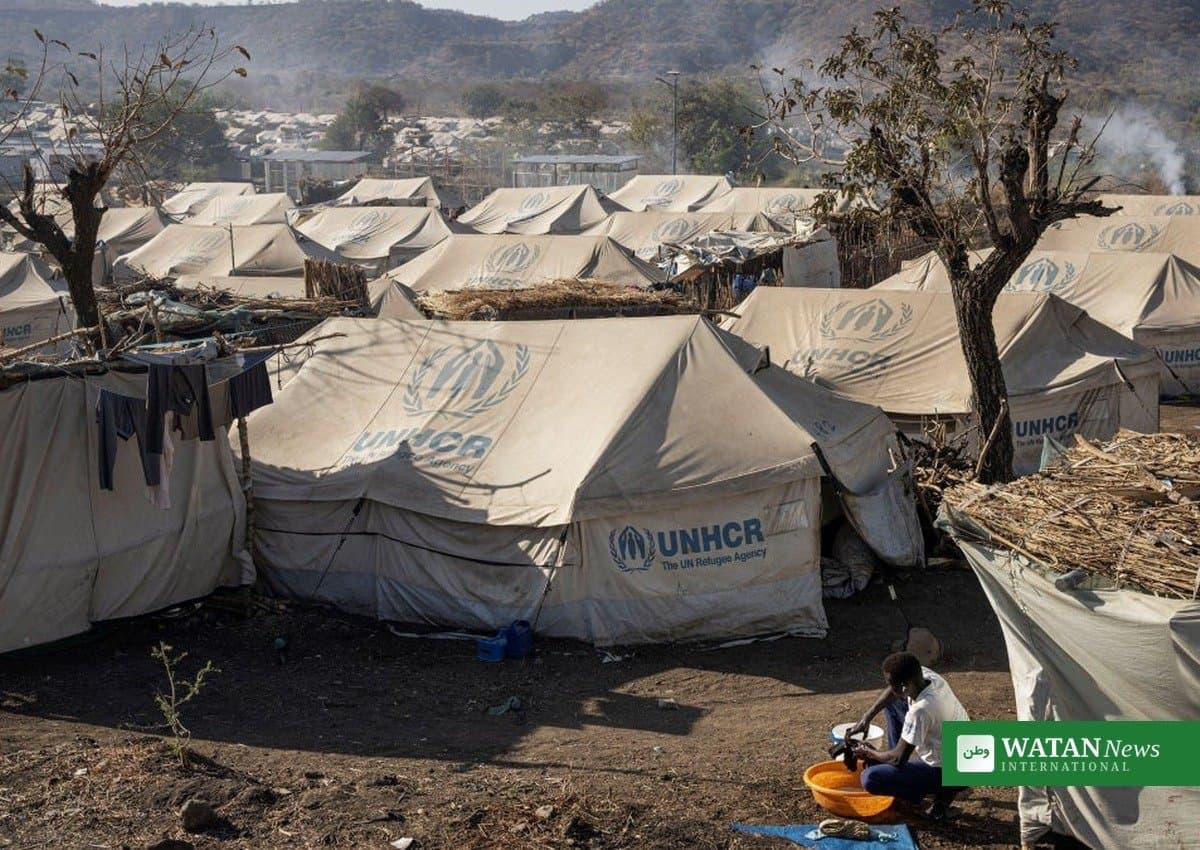
- The town today: An estimated 1,700 to 2,000 people remain in Oleshky, down from about 20,000 before the war, with no gas, electricity or running water.
Oleshky evacuation: how Friday unfolded
An aid convoy started moving towards Oleshky overnight, carrying food and medical supplies, after demining of the routes out of the town was completed on Thursday. By Friday, relief workers from both sides were on the ground in the town, and residents were seen waiting beside buses ahead of their departure.
United States First Lady Melania Trump, who was involved in brokering the localised ceasefire along with Pope Leo, said on Friday that a convoy of 25 buses, 50 medical professionals and ambulances was ready to evacuate more than 750 people who voluntarily chose to leave. The ceasefire, which was announced on 23 October and took effect on 27 October, was extended from Oleshky to the wider Kherson region.
Residents were offered two directions of travel. According to Russia’s human rights commissioner, Yana Lantratova, who travelled to the town, one group gathered to leave for Russian-controlled territory while another gathered to leave for Ukraine, with everyone given the opportunity to go in the direction they chose. Kyiv’s prime minister, Sergiy Koretskyi, said the route for those heading to Ukraine would run through Russia to Belarus, from where they would enter Ukraine through the Kyiv and Chernihiv regions.
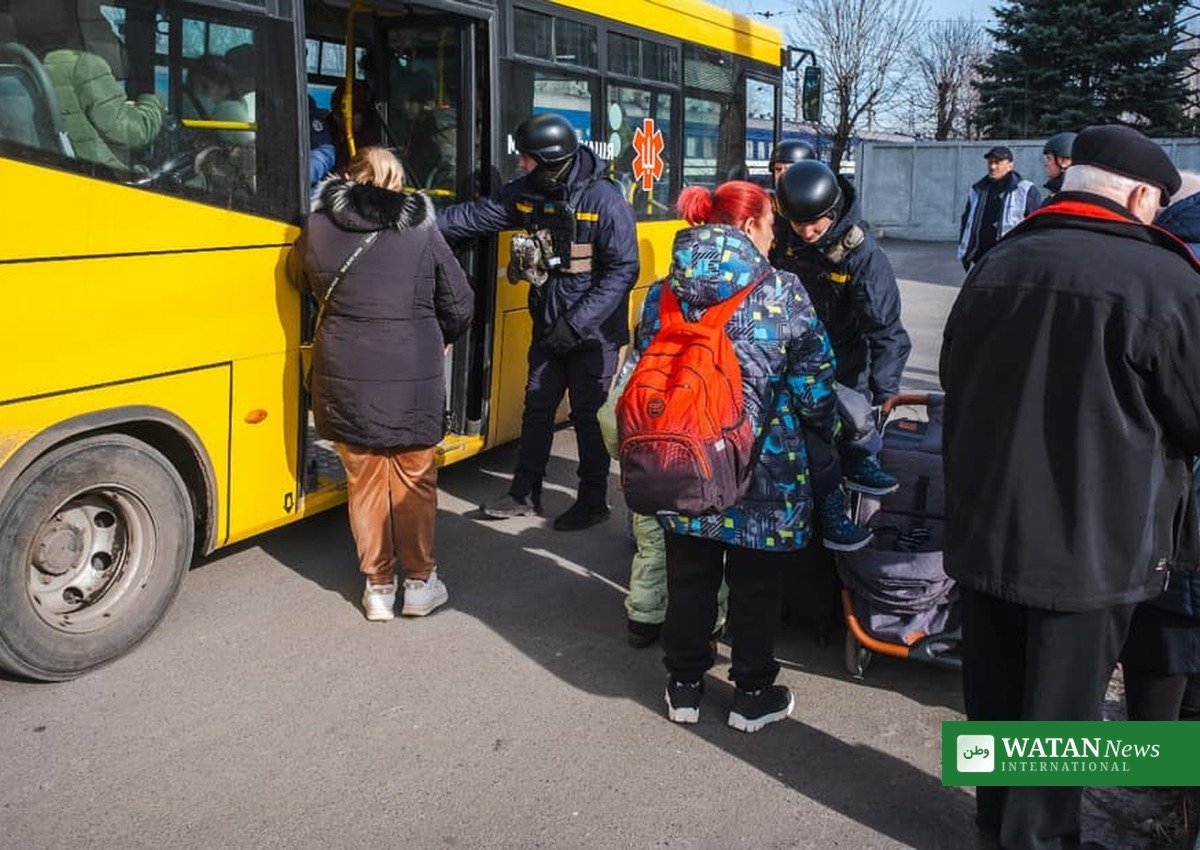
File photo: civilians boarding an evacuation bus in Ukraine. This photograph is not from Oleshky itself.
The exact number of people leaving is still unclear. Koretskyi retracted a remark he had made to parliament earlier on Friday that 527 people were planning to leave, writing that there were no exact figures at the moment because the rescue operation was ongoing and the data was changing.
A town cut off for years
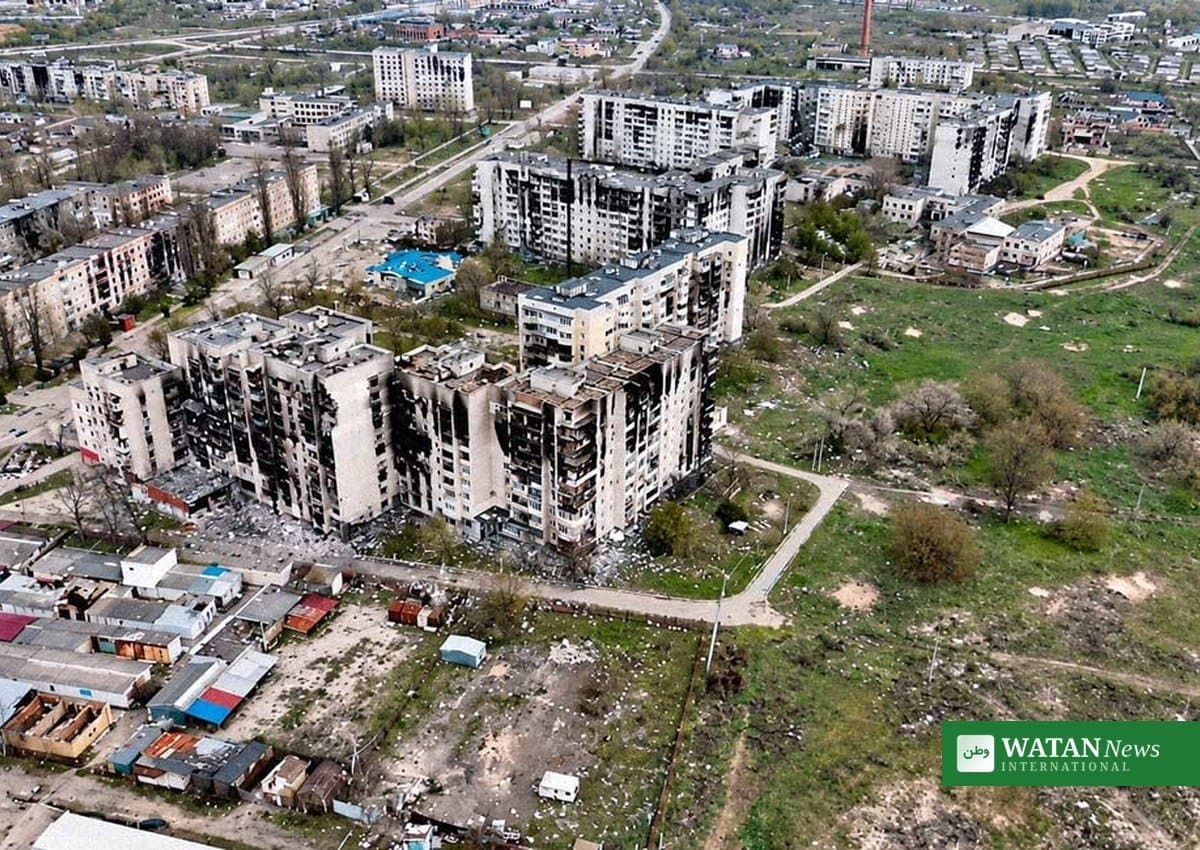
Oleshky, on the southern bank of the Dnipro River in territory internationally recognised as part of Ukraine, has been held by Russian forces since the early months of the war. Its population is estimated at 1,700 to 2,000 people, down from roughly 20,000 before the invasion, and Ukrainian authorities have said about 2,000 people, including around 50 children, were stuck in the badly damaged town.
Food, drinking water and medicine ran out in February, according to reports from the town, and residents have been reported to be surviving by eating grass and garden weeds. There are no functioning shops, and the town has had no gas, electricity or running water. Several hundred people are understood to have decided to stay despite the destruction around them. Ukraine’s human rights ombudsman, Dmytro Lubinets, who worked closely with his Russian counterpart to arrange the operation, said everyone who wished to leave would be given the opportunity to do so safely, and that those who remained would receive all necessary humanitarian assistance.
The International Committee of the Red Cross said on Friday that its teams had not been asked to provide support but stood ready to help if requested. The United Nations Office for the Coordination of Humanitarian Affairs said it had not received any request to help either, but that officials were closely monitoring the situation and would continue to advocate that all international rules, laws and practices be upheld during the evacuation.
Why both sides agreed — and what happens next
Reuters reported that, beyond the safe evacuation of Oleshky’s residents, Moscow and Kyiv are both trying to use the operation to show US President Donald Trump that they are serious about his efforts to secure an overall peace settlement. Both sides have lavishly praised Melania Trump’s role: Russian President Vladimir Putin has publicly recognised her importance in bringing about the ceasefire and aid operation, while Lubinets paid tribute to someone he said was personally devoting her time and attention to the humanitarian mission.
The Kremlin has, however, described the operation as a specific and isolated case that, for now, has no wider implications for the peace process. There has been no easing of fighting elsewhere, and the ceasefire expires on Sunday. US-mediated peace talks between Russia and Ukraine are due to resume next month.
For more world news, see Watan News World coverage.