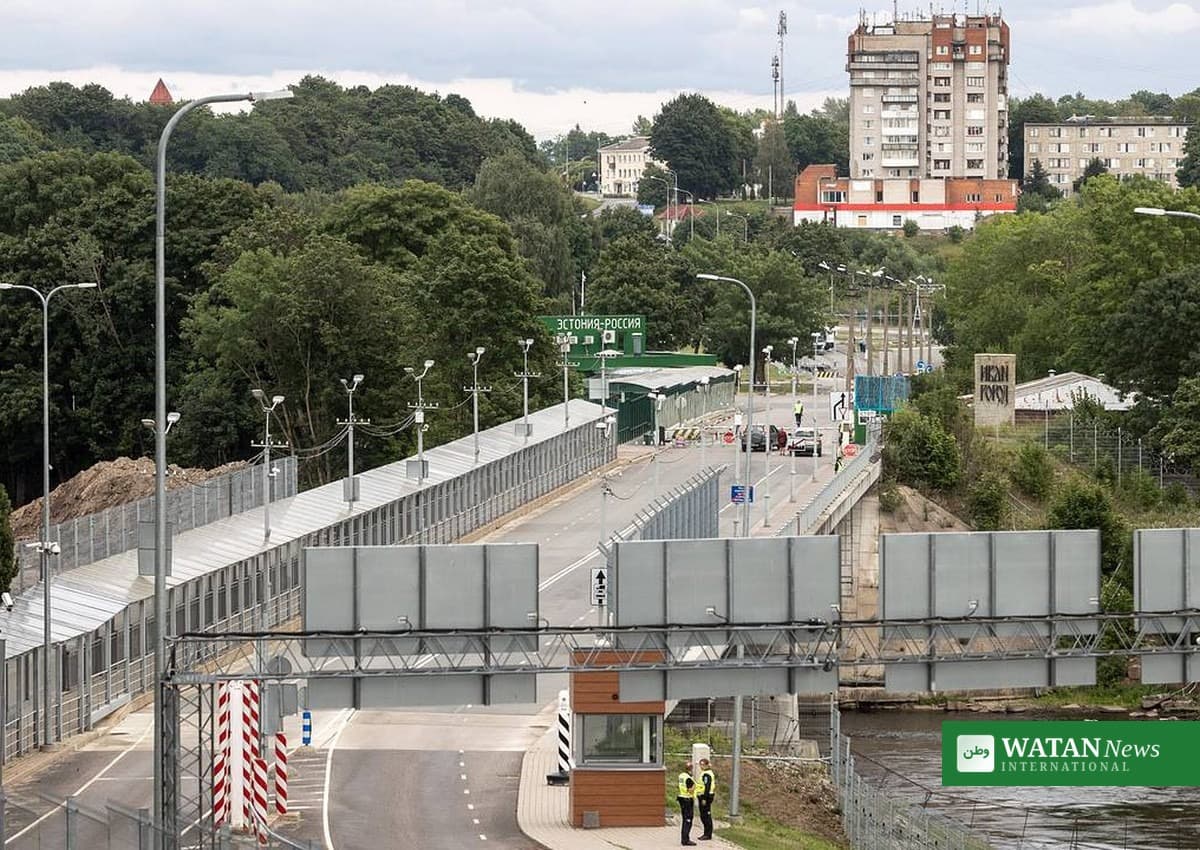
Russia warns Estonia that its actions are “on the verge of triggering open war”, in the sharpest escalation of rhetoric between Moscow and the NATO member state since Russia’s full-scale invasion of Ukraine began.
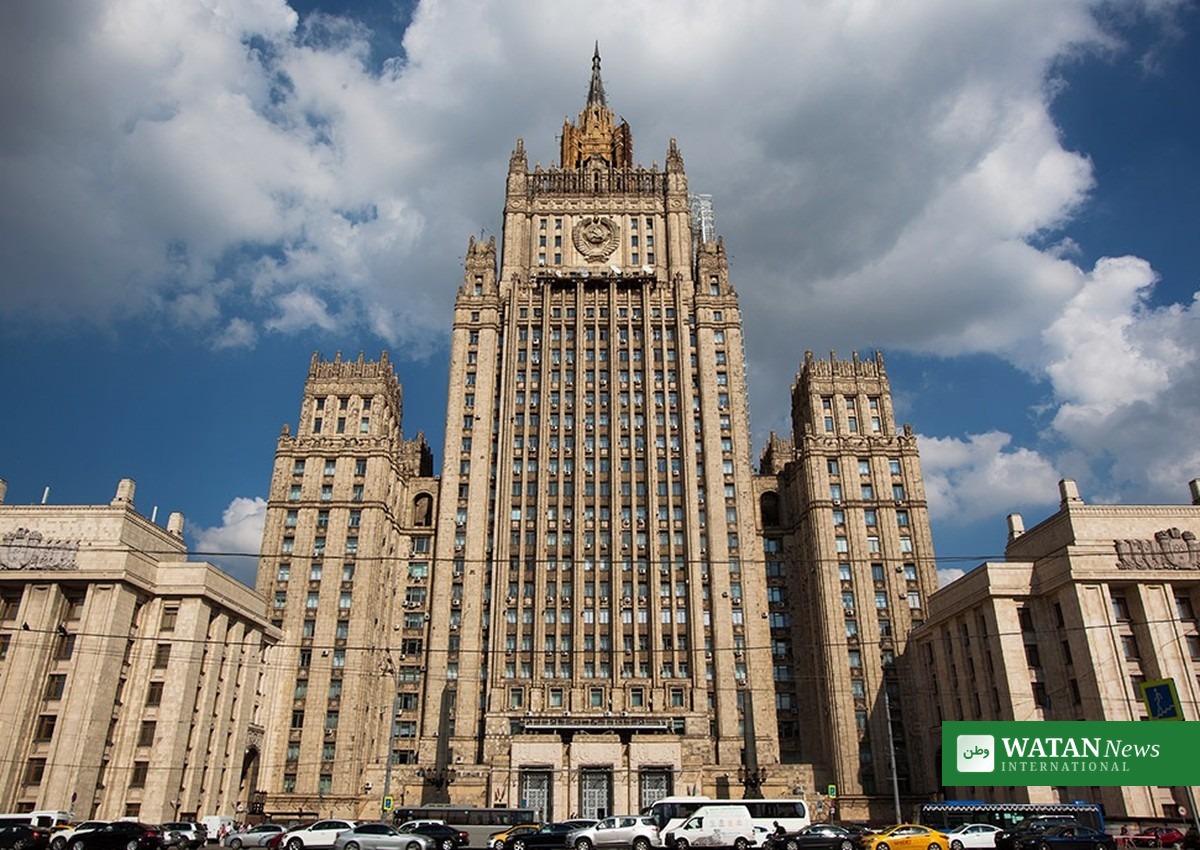
Russia’s Foreign Ministry issued the warning on Monday after summoning Estonia’s charge d’affaires in Moscow to protest against Tallinn’s decision to close its land border crossings with Russia from 1 December.
FAKTA
- What happened: Russia’s Foreign Ministry accused Estonia of a series of hostile actions and warned they were “on the verge of triggering open war with Russia”.
- The protest: Moscow summoned Estonia’s charge d’affaires, Marek Uhtegi, and issued a formal protest over the border closure.
- The trigger: Estonia will close its road border crossings with Russia from 1 December for at least six months, after accusing Russian security services of staging an attempted arson attack on defence company Threod Systems.
- Estonia’s reply: Tallinn denied allowing its territory to be used for military operations by another country.
- The wider context: The warning comes days after three Russian missiles landed in Poland, prompting NATO to send an early-warning aircraft to the country.
Russia warns Estonia: the accusations against Tallinn
“The Estonian diplomat was once again told that such provocative and extremely dangerous actions are on the verge of triggering open war with Russia,” the Russian ministry said in its statement.
Among its accusations, Moscow said Estonia had allowed Ukraine to use its airspace “on the quiet” to attack Russian targets. It also accused Tallinn of trying to obstruct the movement of Russian cargo ships in the Baltic Sea, banning the transit of Russian and Belarusian grain, seeking a ban on the Russian language and threatening to close the Russian Orthodox Church.
“The Russian side reserves the right to take comprehensive political and diplomatic measures aimed at protecting Russia’s national interests and the legitimate rights of its citizens,” the ministry said.
Estonia rejects the claims
Estonia’s Foreign Ministry did not respond to all of the allegations, but denied that it allows its territory to be used for Ukrainian military operations.
“While we generally do not comment on or engage with Russian propaganda narratives, in this case we can reiterate that Estonia has never allowed, and will never allow, its territory to be used for military operations by another country,” the ministry said, adding: “Other countries in our region have also made this position clear.”
Border closure follows alleged sabotage plot
Estonia announced on 15 November that it would close all three of its road border crossings with Russia — at Narva, Koidula and Luhamaa — from 1 December. The government confirmed the decision on 20 November, saying it would be reviewed in six months.
The move followed the detention of eight suspects over an alleged arson attack on Threod Systems, a company that makes drones for the Estonian defence forces. Estonia says Russia’s military intelligence agency, the GRU, ordered and coordinated the plot. Russia denied any involvement in the attack.
Foreign Minister Margus Tsahkna said at the time that “Russia’s hostile activities against Estonia and Europe have consequences”, describing the closure as a response to continued sabotage and hybrid operations. The closure covers road crossings for people and vehicles; rail freight transport is not affected.
Tensions on NATO’s eastern flank
Russia has long accused Estonia and other NATO states in the Baltic region of allowing Ukrainian drones to use their airspace. Ukrainian drones have frequently entered NATO airspace, which Kyiv says is a result of Russian signal jamming. NATO countries have repeatedly denied intentionally allowing drones to use their airspace, and blamed Russia for the incursions and for launching the war in Ukraine in 2022.
The warning to Estonia comes days after three Russian Kh-101 missiles landed in south-eastern Poland on Friday. NATO has since agreed to send an AWACS early-warning aircraft to Poland, as reported by Watan News.
Estonia’s border crossings with Russia are due to close on 1 December, with the decision to be reviewed in six months.