LIVE
BREAKING
UK Introduces Energy Independence Bill to End New North Sea Oil and Gas LicencesUNDP Backs 20 Sierra Leone Innovators Turning Plastic Waste Into BusinessesTürkiye to Unveil $6 Billion Industrial Decarbonization Platform at COP31Morocco Says It Will Uphold Western Sahara Ceasefire After UN Mission EndsThe World’s Most Luxurious Resorts and Premium Escapes: Islands, Mediterranean, Cities and AlpsSouth Africans Vote in Local Elections in Tough Test for the ANCPakistan Cuts Petrol and Diesel Prices Again From 4 NovemberGreenland Parliament Approves US Security Agreement, Denmark to Vote on 19 NovemberCrowdStrike Bets $495 Million on AI Agent Security With Fiddler and Dreadnode DealsDemocrats Win Control of US Congress in 2026 Midterm ElectionsIndonesia President Sacks Chief of Staff Over Alleged Wiretapping of PresidentAUB and Green Climate Fund Train African Journalists in Solutions-Focused Climate ReportingEU Parliament Committee Backs Weaker 2035 Car CO2 TargetsAntalya Compact Puts Energy-Efficient Buildings at the Heart of COP31Houthi Missile Attack Kills 14 at Yemen Military Camp in Al-DhaleaIran Claims Four Oil Tankers Destroyed by Mines Near Strait of HormuzAfrica Sovereign Climate Facility: $690m Launched to Turn Climate Plans into Investable ProjectsIEA: India’s Renewable Capacity to Reach 530 GW by 2030, Led by SolarTrump Links Iran War to Republican Midterm Losses as Democrats Take CongressGlenn Maxwell Retires From International Cricket After 14-Year Australia CareerUK Introduces Energy Independence Bill to End New North Sea Oil and Gas LicencesUNDP Backs 20 Sierra Leone Innovators Turning Plastic Waste Into BusinessesTürkiye to Unveil $6 Billion Industrial Decarbonization Platform at COP31Morocco Says It Will Uphold Western Sahara Ceasefire After UN Mission EndsThe World’s Most Luxurious Resorts and Premium Escapes: Islands, Mediterranean, Cities and AlpsSouth Africans Vote in Local Elections in Tough Test for the ANCPakistan Cuts Petrol and Diesel Prices Again From 4 NovemberGreenland Parliament Approves US Security Agreement, Denmark to Vote on 19 NovemberCrowdStrike Bets $495 Million on AI Agent Security With Fiddler and Dreadnode DealsDemocrats Win Control of US Congress in 2026 Midterm ElectionsIndonesia President Sacks Chief of Staff Over Alleged Wiretapping of PresidentAUB and Green Climate Fund Train African Journalists in Solutions-Focused Climate ReportingEU Parliament Committee Backs Weaker 2035 Car CO2 TargetsAntalya Compact Puts Energy-Efficient Buildings at the Heart of COP31Houthi Missile Attack Kills 14 at Yemen Military Camp in Al-DhaleaIran Claims Four Oil Tankers Destroyed by Mines Near Strait of HormuzAfrica Sovereign Climate Facility: $690m Launched to Turn Climate Plans into Investable ProjectsIEA: India’s Renewable Capacity to Reach 530 GW by 2030, Led by SolarTrump Links Iran War to Republican Midterm Losses as Democrats Take CongressGlenn Maxwell Retires From International Cricket After 14-Year Australia Career
Climate

UNDP Backs 20 Sierra Leone Innovators Turning Plastic Waste Into Businesses

News Desk 2Published November 4, 2026
UNDP Backs 20 Sierra Leone Innovators Turning Plastic Waste Into Businesses
Share this story

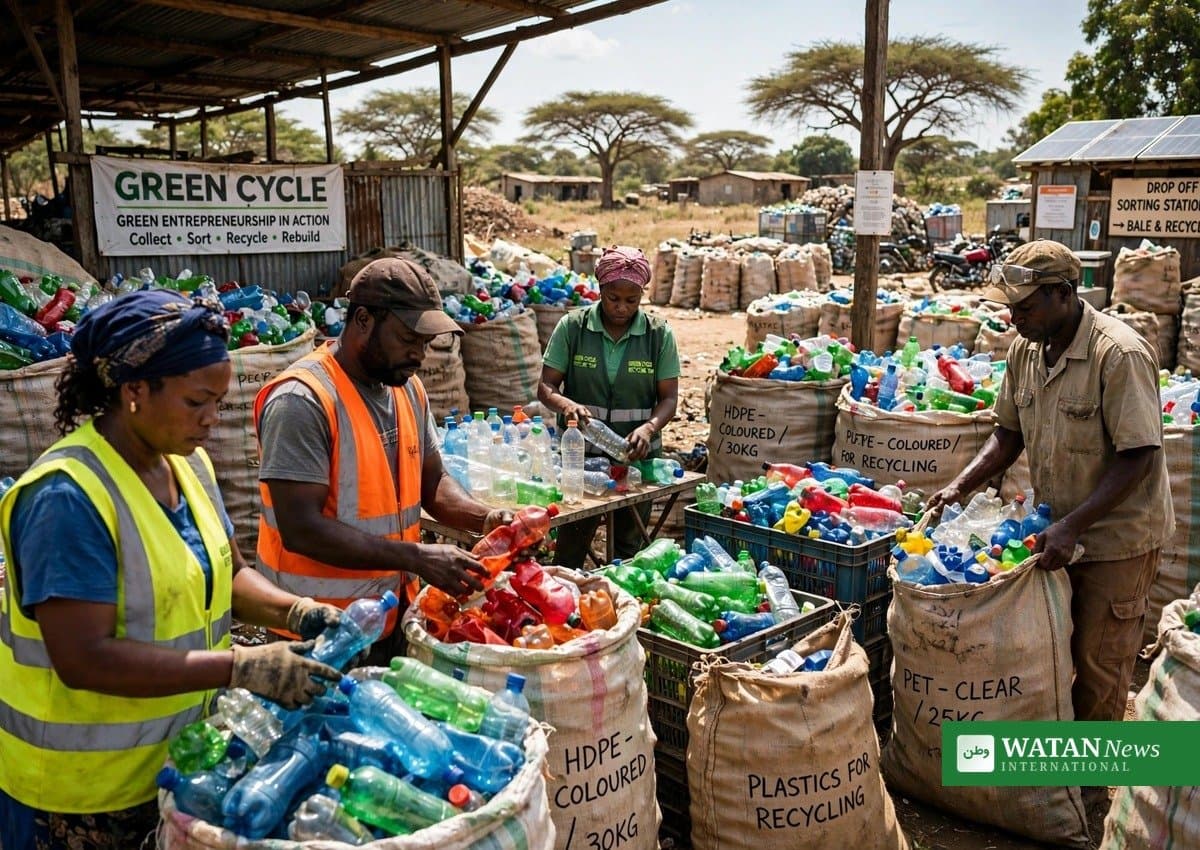
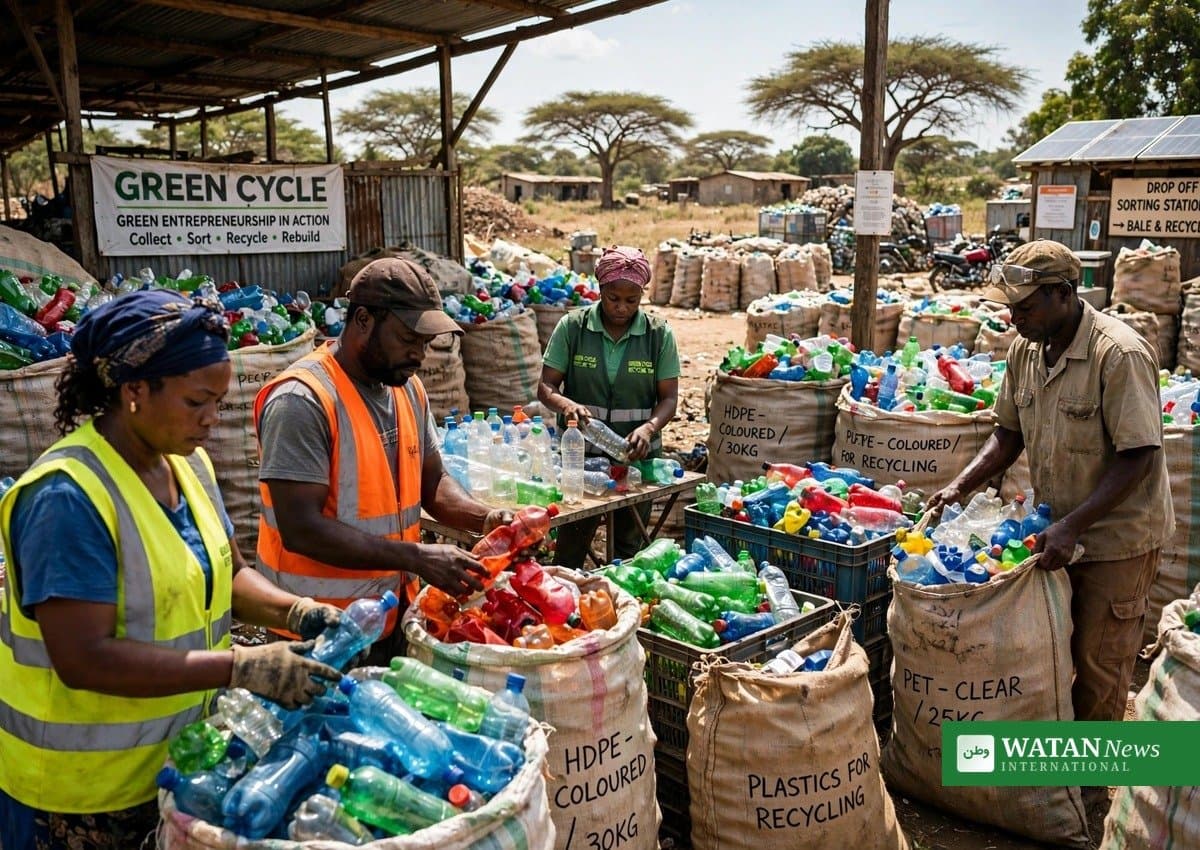
Freetown, 5 November 2026: The United Nations Development Programme (UNDP) has launched a three-day training programme for 20 Sierra Leonean innovators developing solutions to plastic pollution, aiming to turn locally developed ideas into commercially viable businesses that create jobs and cut plastic waste. The training, launched in Freetown in the week of 27 October 2026, is part of UNDP’s Global Plastics Innovation Programme (GPIP).

The 20 participants were selected under the programme, which is funded by the United Nations Peace and Development Trust Fund. Their ventures work across plastic collection, recycling, reuse, alternative materials and circular business models. The training combines business development, financial management, investment readiness, market expansion, strategic partnerships and measuring the environmental and social impact of their work, with continued technical assistance to follow.

Why local businesses matter for plastic waste

Plastic pollution is a problem that is solved street by street: collection, sorting and recycling only work when local enterprises can collect material reliably, sell it at a viable price and keep operating. UNDP Deputy Resident Representative in Sierra Leone Kevin Petrini has underscored the importance of supporting homegrown innovations that address environmental challenges while generating economic opportunities.

Binta Barrie, UniPod Lead for the Zero-Waste Lab at Fourah Bay College, welcomed the initiative, which links university-based innovation support with the entrepreneurs building the businesses. The distinction matters: training 20 entrepreneurs is an initial milestone, not evidence that 20 businesses have already achieved commercial success. The programme’s test will be how many of the ventures survive, grow and keep plastic in use after the training ends.

A programme across six countries

The Global Plastics Innovation Programme runs from 2024 to 2027 across six countries: Sierra Leone, Nigeria, South Africa, Tunisia, China and Viet Nam. It forms part of UNDP’s broader efforts across Africa to support locally led innovation that reduces plastic pollution, advances circular economy solutions, creates green jobs and promotes more sustainable patterns of production and consumption.
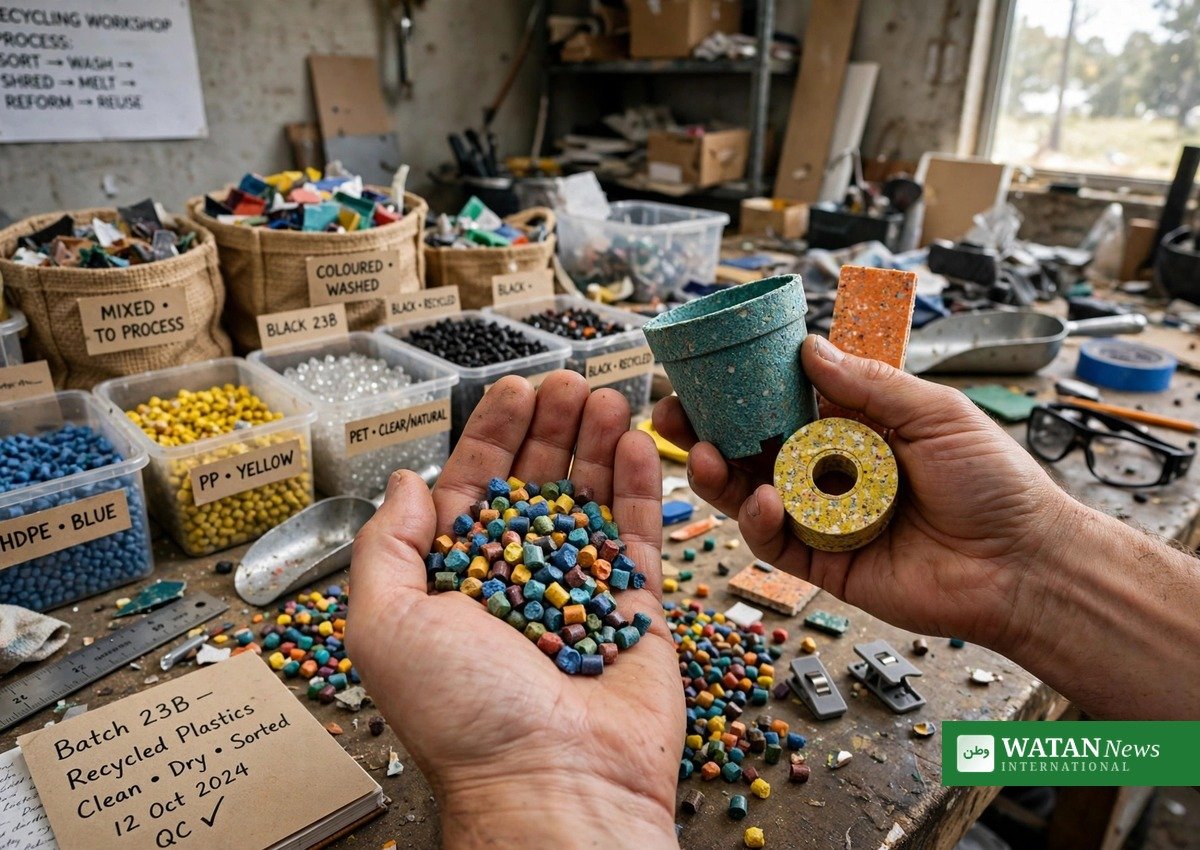
Hands holding colourful recycled plastic pellets and recycled products

What zero waste means in practice

A zero-waste approach asks first whether a product or its packaging can be avoided, then whether it can be designed to last longer, reused or refilled, and repaired before it is recycled. Clean-ups and recovery deal with material that has already entered the environment; the upstream approach in Sierra Leone aims to stop plastic becoming waste in the first place and to keep its value in the local economy.

FAKTA

  • Programme: UNDP Global Plastics Innovation Programme (GPIP), funded by the United Nations Peace and Development Trust Fund.
  • Training: Three-day programme in Freetown, launched in the week of 27 October 2026, for 20 selected Sierra Leonean innovators.
  • Focus: Plastic collection, recycling, reuse, alternative materials and circular business models.
  • Support: Business development, financial management, investment readiness, market expansion, partnerships and impact measurement, plus continued technical assistance.
  • Scope: GPIP runs 2024–2027 in Sierra Leone, Nigeria, South Africa, Tunisia, China and Viet Nam.

Conclusion

Sierra Leone’s plastic challenge will not be solved by one training course, but the GPIP approach bets on the people closest to the problem: local innovators who already collect, sort and reprocess plastic. If their businesses become viable, the environmental gain and the jobs come together. The next milestone to watch is not the training itself, but the ventures it produces.

Frequently Asked Questions

Related Stories

Planet & environment

Climate & Sustainability

News, stories and solutions driving change towards a greener and more sustainable planet for future generations.

Türkiye to Unveil $6 Billion Industrial Decarbonization Platform at COP31
Featured story

Türkiye to Unveil $6 Billion Industrial Decarbonization Platform at COP31

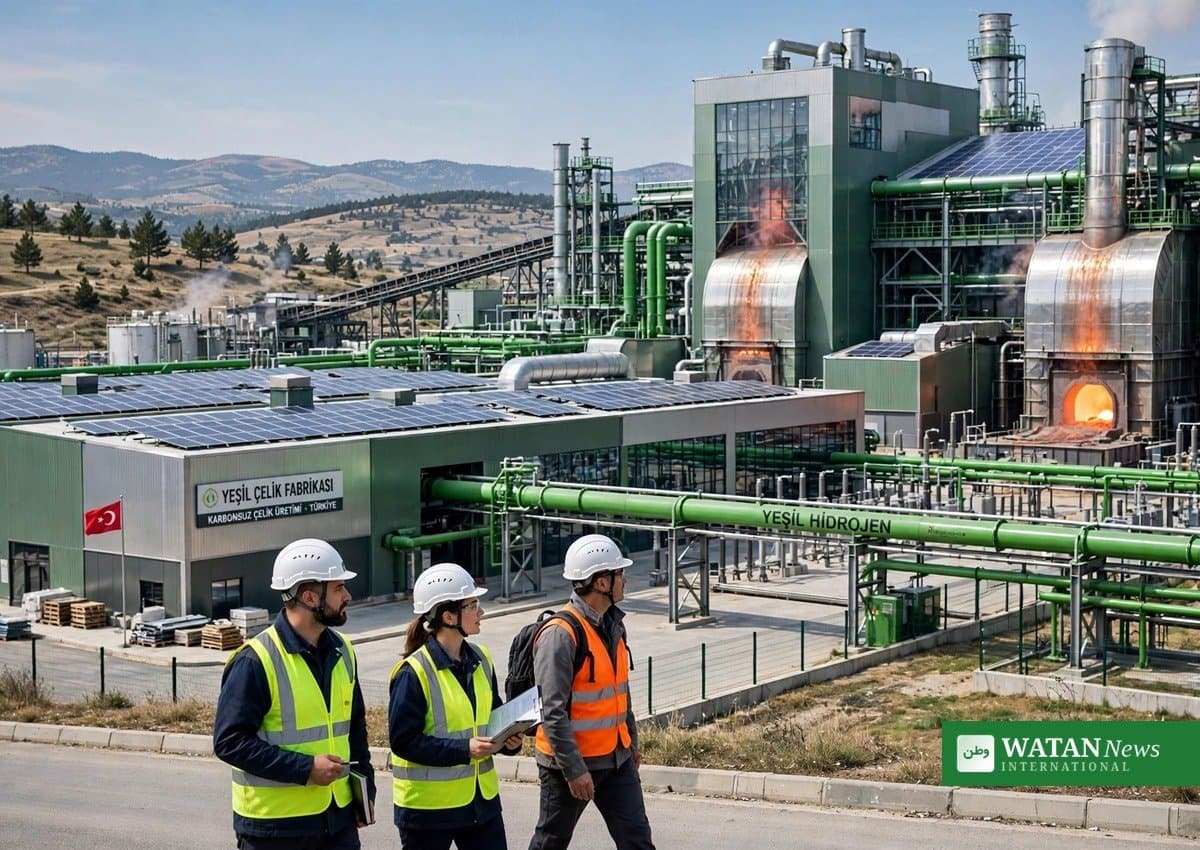
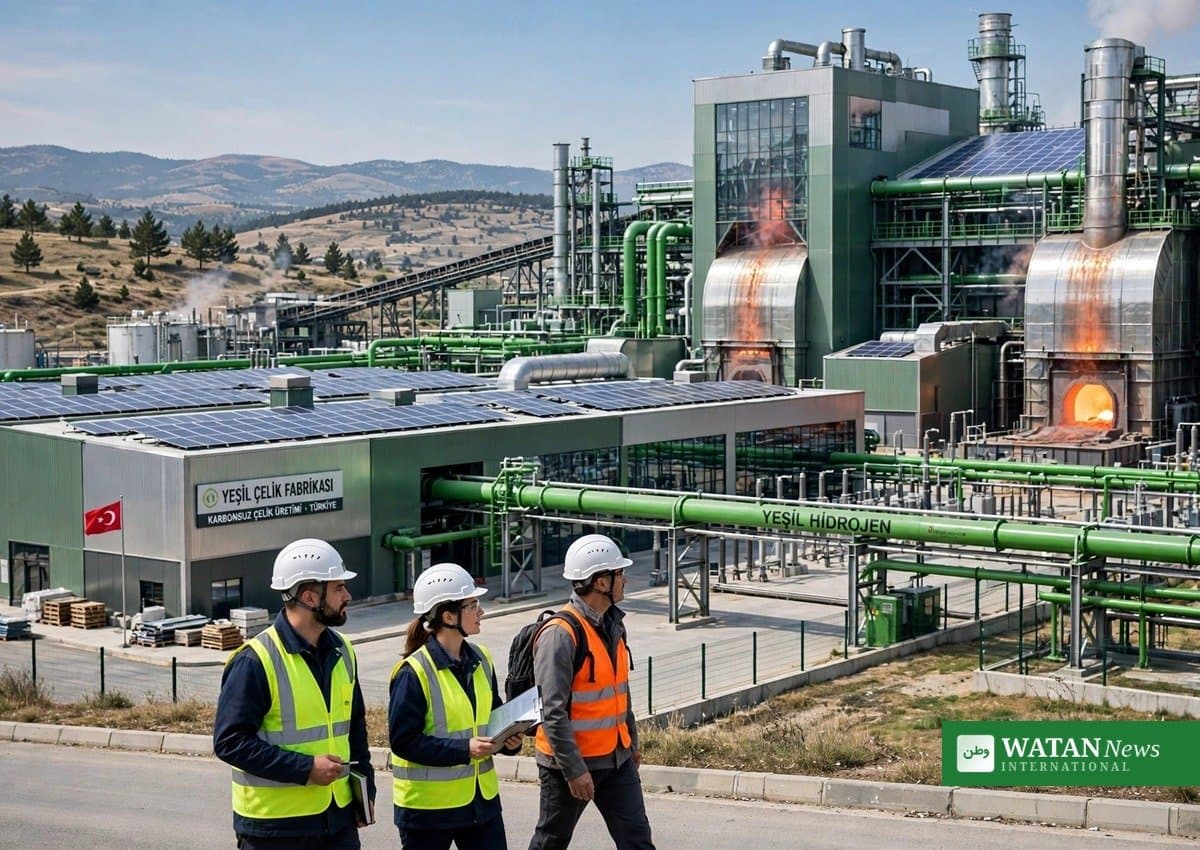
Türkiye will unveil its Industrial Decarbonization Investment Platform at COP31 in Antalya, aiming to mobilise more than $6 billion by 2030 and cut over 20 million tonnes of CO2 equivalent a year from steel, aluminium, cement and fertiliser.

Read full story

GREEN JOURNALISM

Every Action Counts

Small steps today, big impact tomorrow.

Explore more stories