Copenhagen, Denmark — Four community-led projects from Nepal, Kenya and Ethiopia have been named winners of the 2026 Water Air Food Awards (WAFA), the global awards that honour grassroots groups tackling water, air and food challenges.
The winners were announced on 20 November at the Generation Green Workshop, held during the Green Business Forum 2026 at Copenhagen Business School, after a selection process involving 12 finalists from 10 countries across five continents.
The awards celebrate what WAFA calls its “Silent Heroes” — local people solving global problems with limited resources, from clean water in Nepal to plastic-free seas off Kenya.
FAKTA: WAFA Awards 2026 at a glance
- Announced: 20 November 2026, Generation Green Workshop, Green Business Forum 2026, Copenhagen Business School, Denmark
- Organiser: Water Air Food Awards (WAFA), a non-profit founded in 2006
- Finalists: 12 initiatives from 10 countries across five continents
- Water: Partnership for Sustainable Development Nepal — safe water in Butwal
- Air: The Flipflopi Project, Kenya — plastic recovery in the Lamu Archipelago
- Food: Laboscience Enterprise, Ethiopia — fruit waste into animal feed
- Youth Climate Action: Komb Green Solutions, Kenya — Nairobi River restoration in Korogocho
Water: safe water reaches 1,100 people in Nepal
The Water award went to Partnership for Sustainable Development Nepal, led by Dr Datta Bahadur Rawal, for its project “Water Security for Deprived Communities” in Butwal, Rupandehi District.
The project built a circular water, sanitation and hygiene system for families who had long relied on contaminated water, with waterborne illness — including diarrhoea and typhoid — keeping children, especially girls, out of school.
It established water treatment systems in schools and homes, improved five tube wells, upgraded 70 household toilets and built two school toilet blocks, alongside hygiene education for students and families.
According to WAFA, the scheme now provides safe drinking water to about 170 households and 450 schoolchildren — around 1,100 people in total — and generates 20,820 cubic metres of safe water a year. Open defecation among schoolchildren in the area has been eliminated, and waterborne disease has fallen sharply.
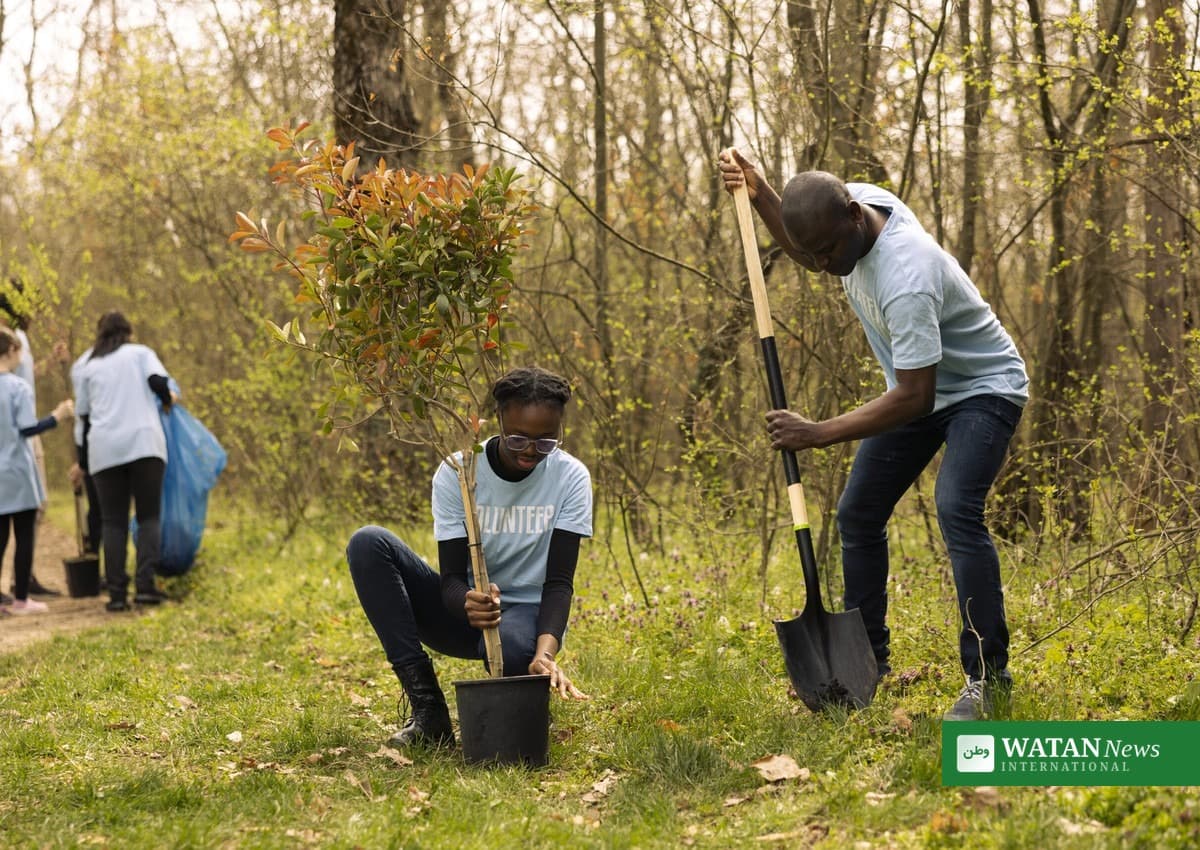
Nearly 13,000 trees have been planted, reportedly offsetting about 286 tonnes of carbon dioxide a year, and recharge ponds have been restored to support groundwater. Local committees — half of them women — run the systems, with monthly household contributions keeping them going.
Air: a dhow made of recycled plastic
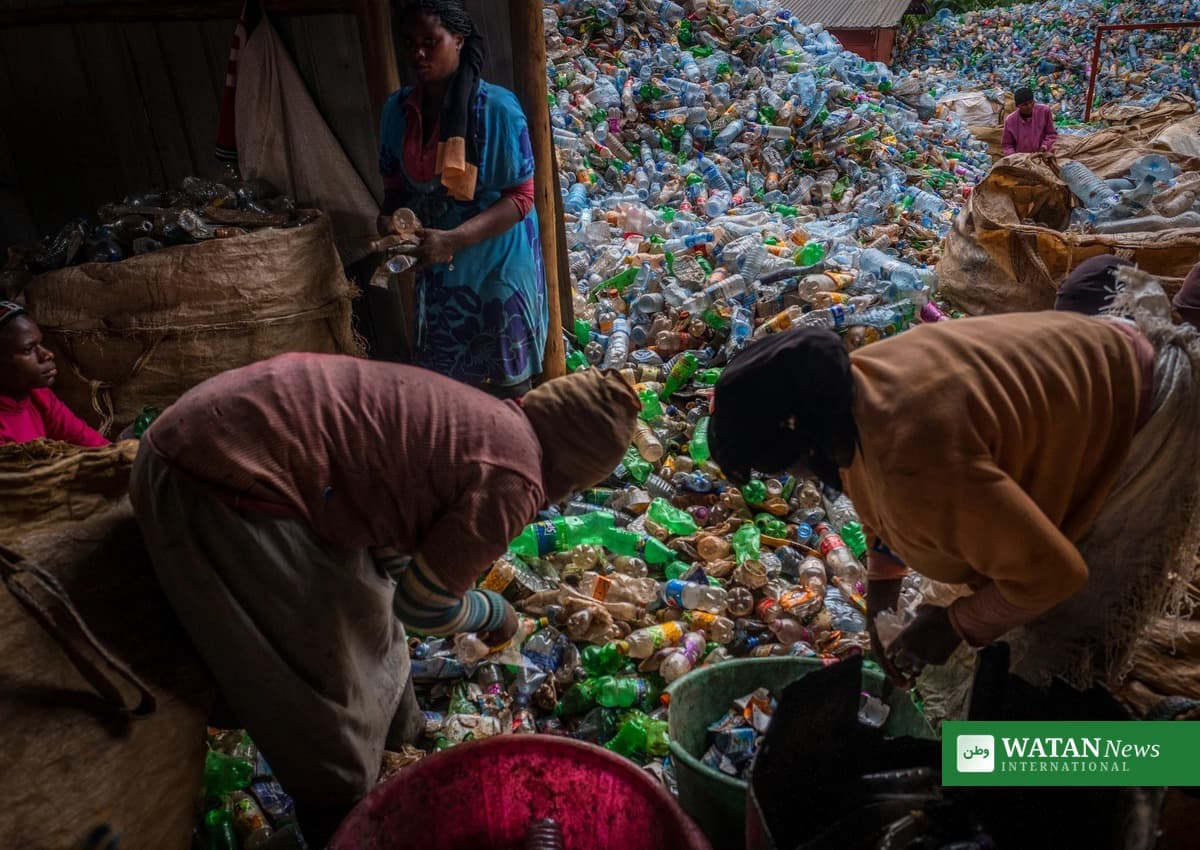
The Air award went to The Flipflopi Project in Kenya, recognised for its plastic recovery and recycling work across the Lamu Archipelago, where limited waste infrastructure has left plastic polluting waterways and marine life — and where waste is often burned in open fires.
Since 2016, Flipflopi has run Lamu County’s first plastic recovery and recycling facility, serving about 70 per cent of the archipelago and turning recovered plastic into durable products such as recycled planks.
The project has recovered 350,000 kilograms of plastic to date, collecting between 10 and 12 tonnes a month. WAFA reports that it avoided about 318 tonnes of carbon-dioxide-equivalent emissions between June 2022 and December 2024 by keeping plastic out of open fires.
The work also pays: more than 1,000 people from low-income communities have received over $40,000 in direct income support, with women making up 60 per cent of beneficiaries, and 106 students have graduated from an accredited 12-week vocational training programme run with Lamu Polytechnic.
Flipflopi is best known for its traditional sailing dhow built entirely from recycled plastic, which sails to raise awareness about plastic pollution and to push for limits on single-use plastics.
Food: Ethiopia turns fruit waste into animal feed
The Food award went to Laboscience Enterprise in Ethiopia for turning post-harvest fruit and vegetable waste into animal feed in the Gamo Zone.
Smallholder farmers there have long lost large amounts of produce for want of storage, processing and market access, while surplus and spoiled produce was discarded into Lakes Abaya and Chamo. Shortages of livestock feed, meanwhile, added grazing pressure around Nech Sar National Park.
Laboscience’s system sees women-led cooperatives collect surplus produce and process it into animal feed, alongside herbal products and fertiliser. It has trained 3,065 women smallholder farmers and supported more than 20 micro-cooperatives across 16 communities.
WAFA reports that more than 3,000 households now have access to affordable livestock feed, easing pressure on protected areas and keeping agricultural waste out of the lakes. The enterprise also provides 25 jobs for young women at its processing plant.
Youth Climate Action: Korogocho’s young pioneers
The Youth Climate Action award recognised Komb Green Solutions in Kenya, a youth-led initiative founded by Christopher Waithaka in 2018, for waste removal, river restoration and community food production in Korogocho, one of Nairobi’s largest informal settlements.
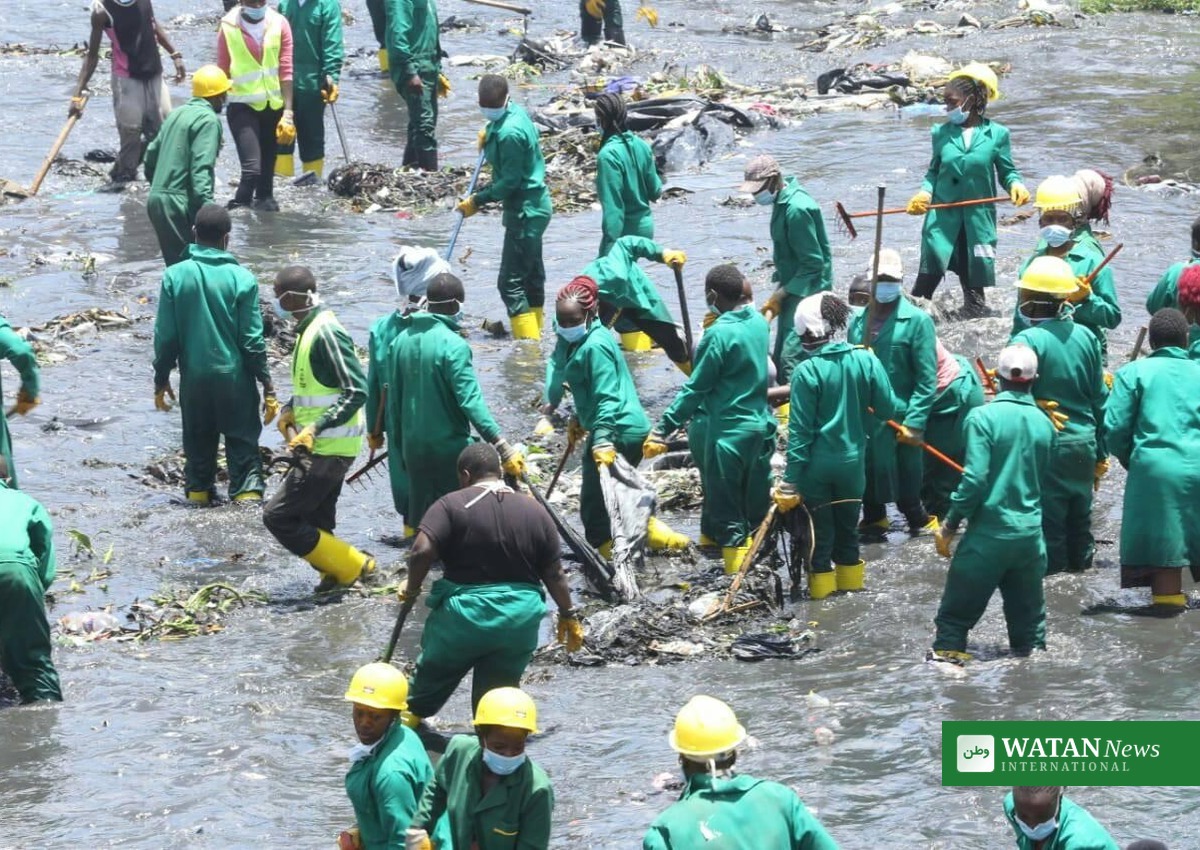
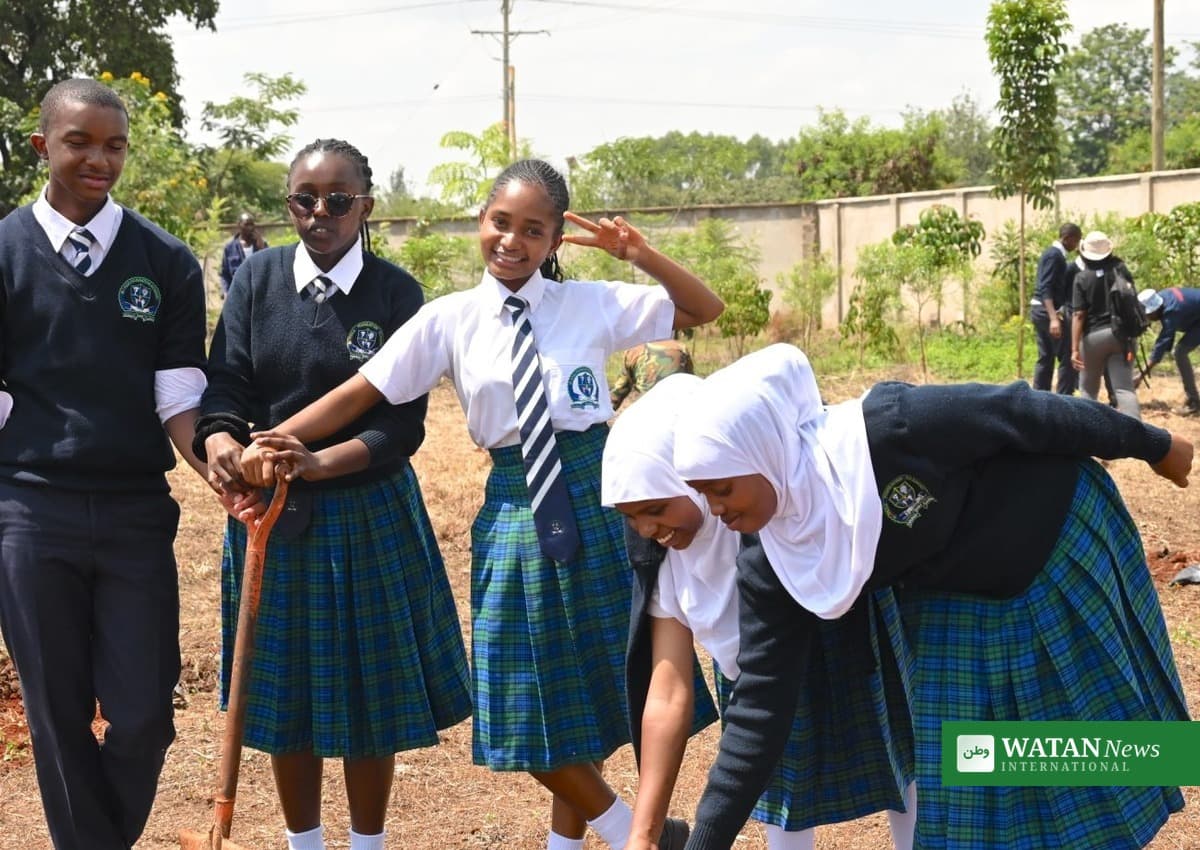
The group has removed more than 120 tonnes of waste from the Nairobi River and established a nursery with 20,000 trees to restore the riverbanks and reduce flood risks. Composting and insect farming turn organic waste into fertile soil and animal feed, supporting local food production.
According to WAFA, the project has directly benefited 3,221 people, while cleaner river surroundings and better community food systems have reached many more. It trains young people and women in conservation, carpentry and sustainable farming, and runs a community water kiosk.
WAFA describes the project as “Turning Criminal Youth to Climate Pioneers” — young people once vulnerable to social and economic exclusion now leading clean-ups and environmental management in their own neighbourhood.
Why community champions matter
WAFA calls its winners “Silent Heroes” because their work rarely makes headlines, yet it reaches people directly — clean water, income, food and safer neighbourhoods, alongside lower emissions.
“The winners demonstrated what communities can achieve despite limited resources,” said Tina Lindgreen, WAFA’s chief executive officer and executive chairperson. She said the organisation’s priority was to raise the visibility of such initiatives and connect them with partners able to help them expand.
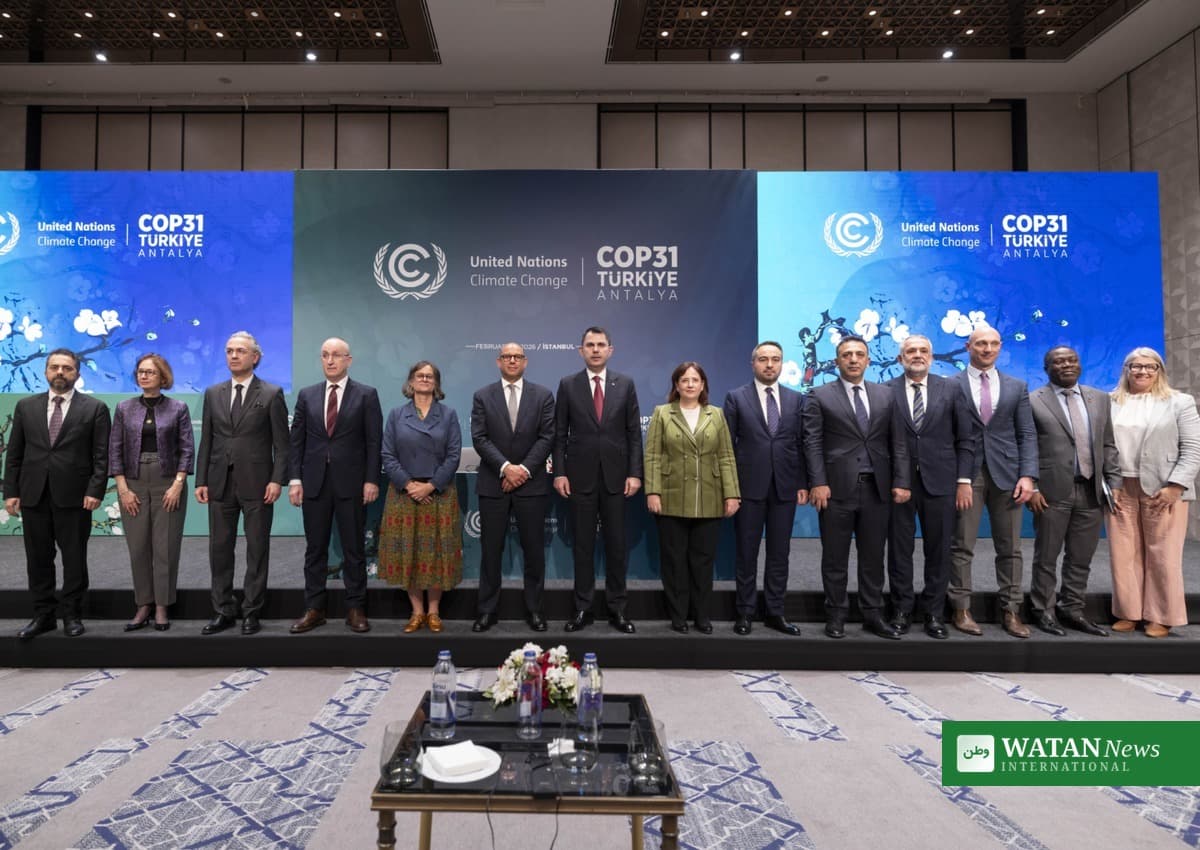
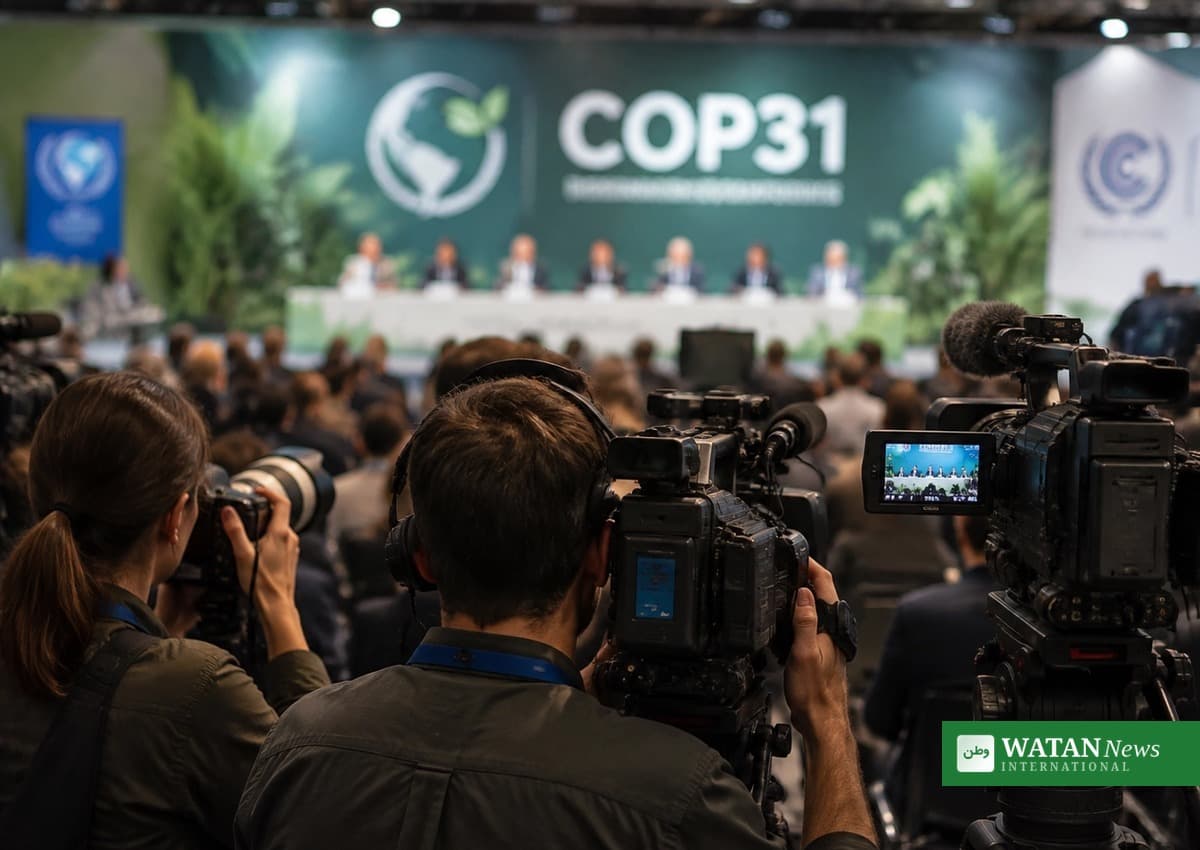
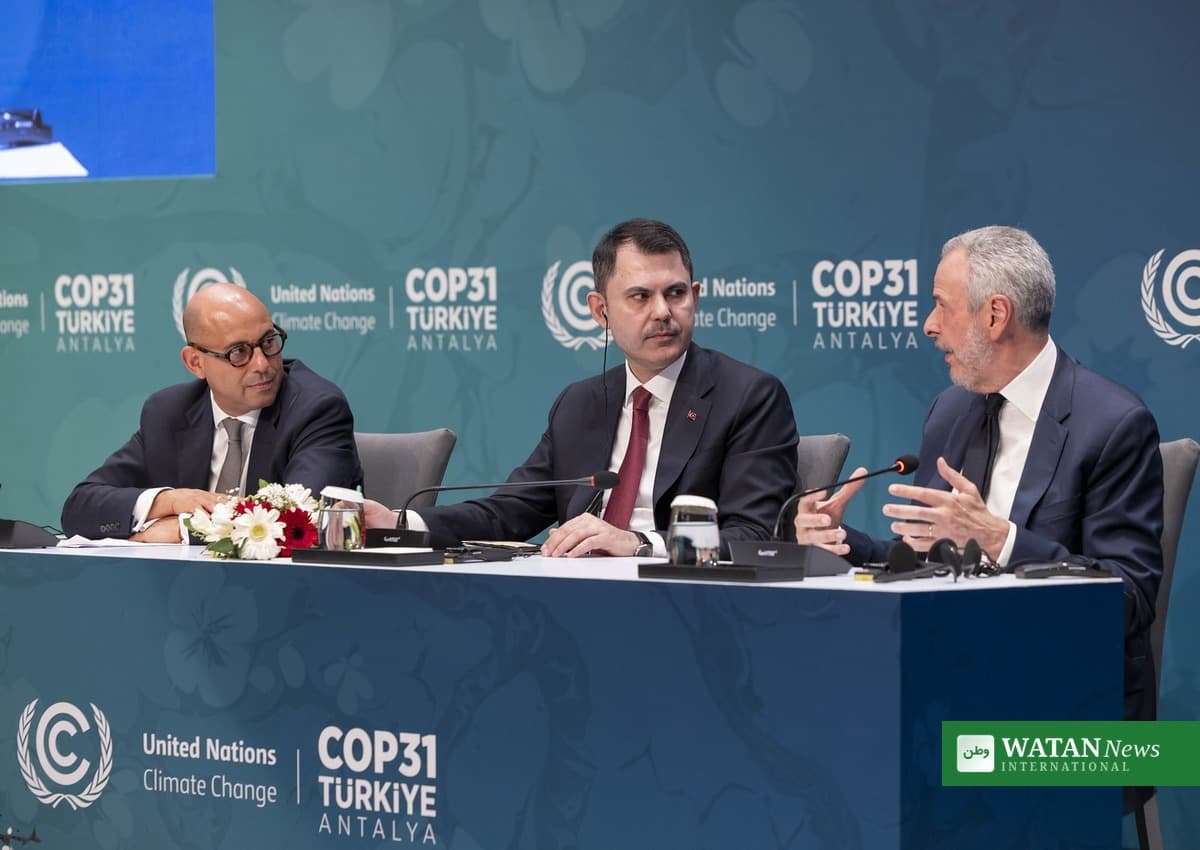
The same ground-up delivery was on show at COP31 in Antalya, where the Global Climate Action Agenda reported progress from businesses, cities and civil society alongside the government negotiations. Read our report on the COP31 champions closing the Action Agenda.
The WAFA winners join a wider landscape of climate honours this month, from the Earthshot Prize 2026 winners in Mumbai to the Gordon Bell Prize for Climate Modelling — but unlike those global prizes, WAFA’s focus is squarely on small, community-run solutions that can be copied elsewhere.
What happens next
For the winning initiatives, scaling their models will depend on keeping community participation, finding resources and adapting their approaches to new places, WAFA said. The winners will share how they work at the WAFA Green Circle Webinar on 18 February 2027.
WAFA, established in 2006, says its mission is to support grassroots initiatives that secure clean water, air and nutritious food in communities worldwide.
Conclusion
From a water system in Butwal to a plastic dhow off Lamu and a river clean-up in Korogocho, the 2026 WAFA winners show climate action at its most practical — local people, measurable results, and solutions ready to travel.