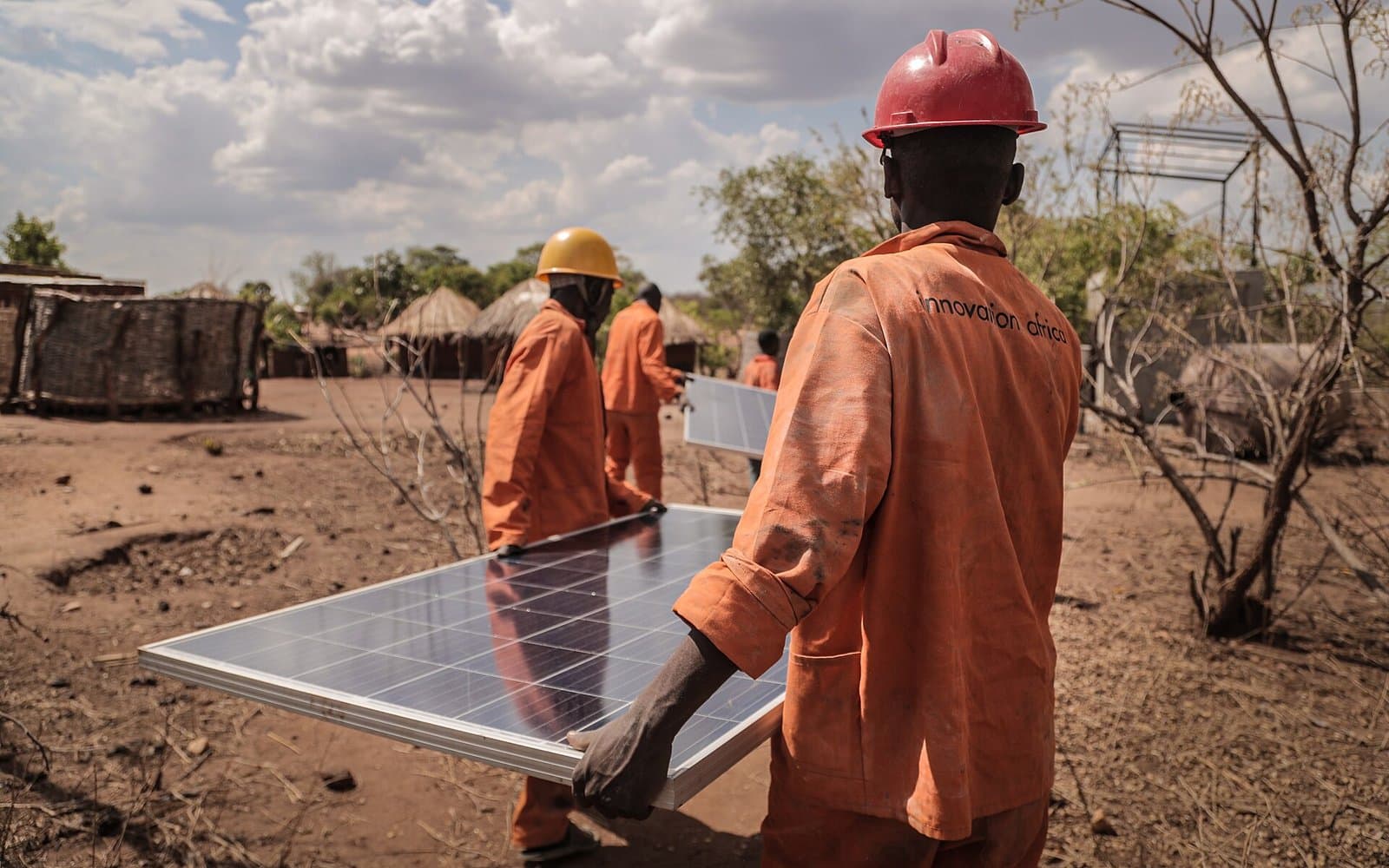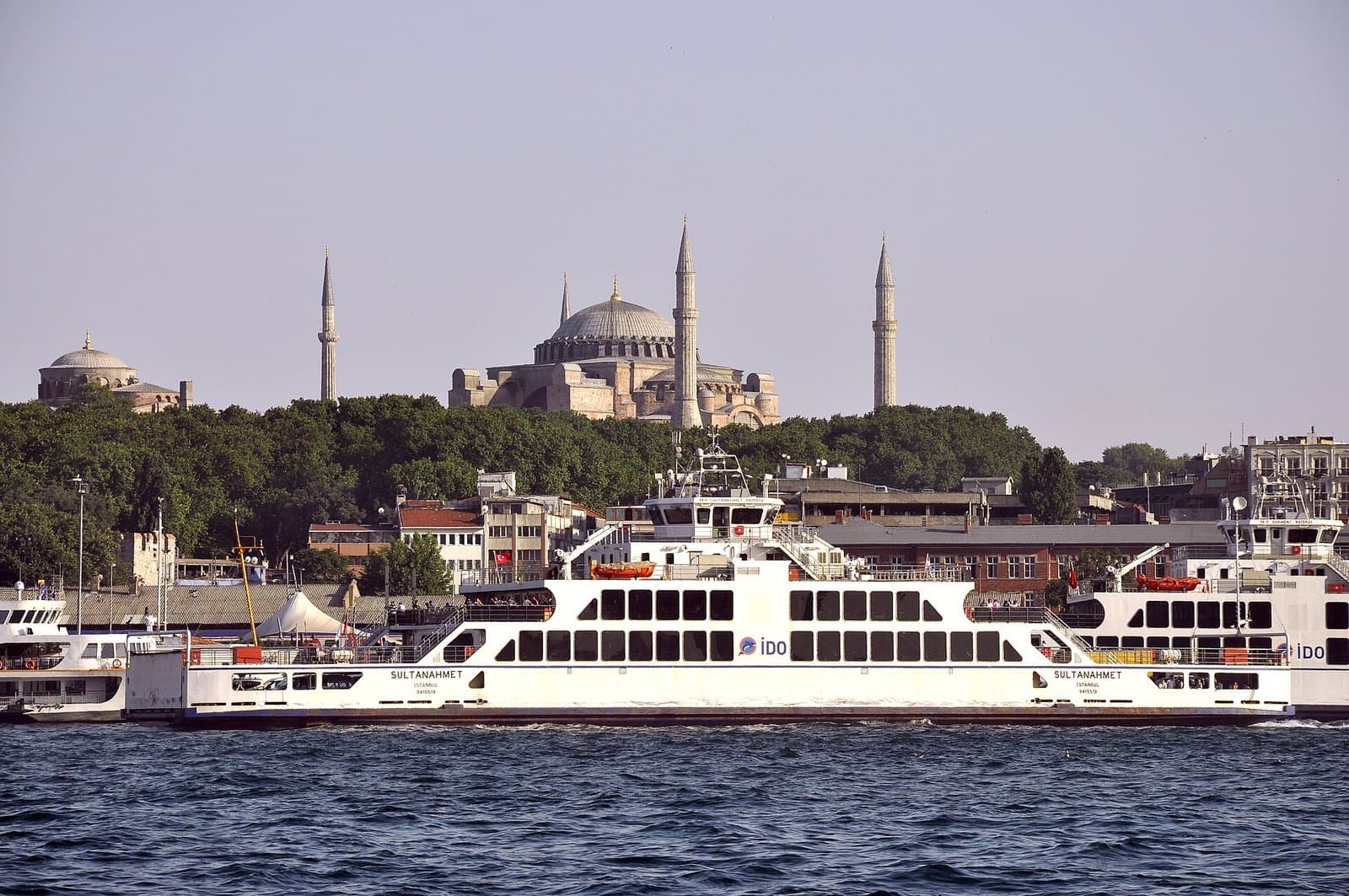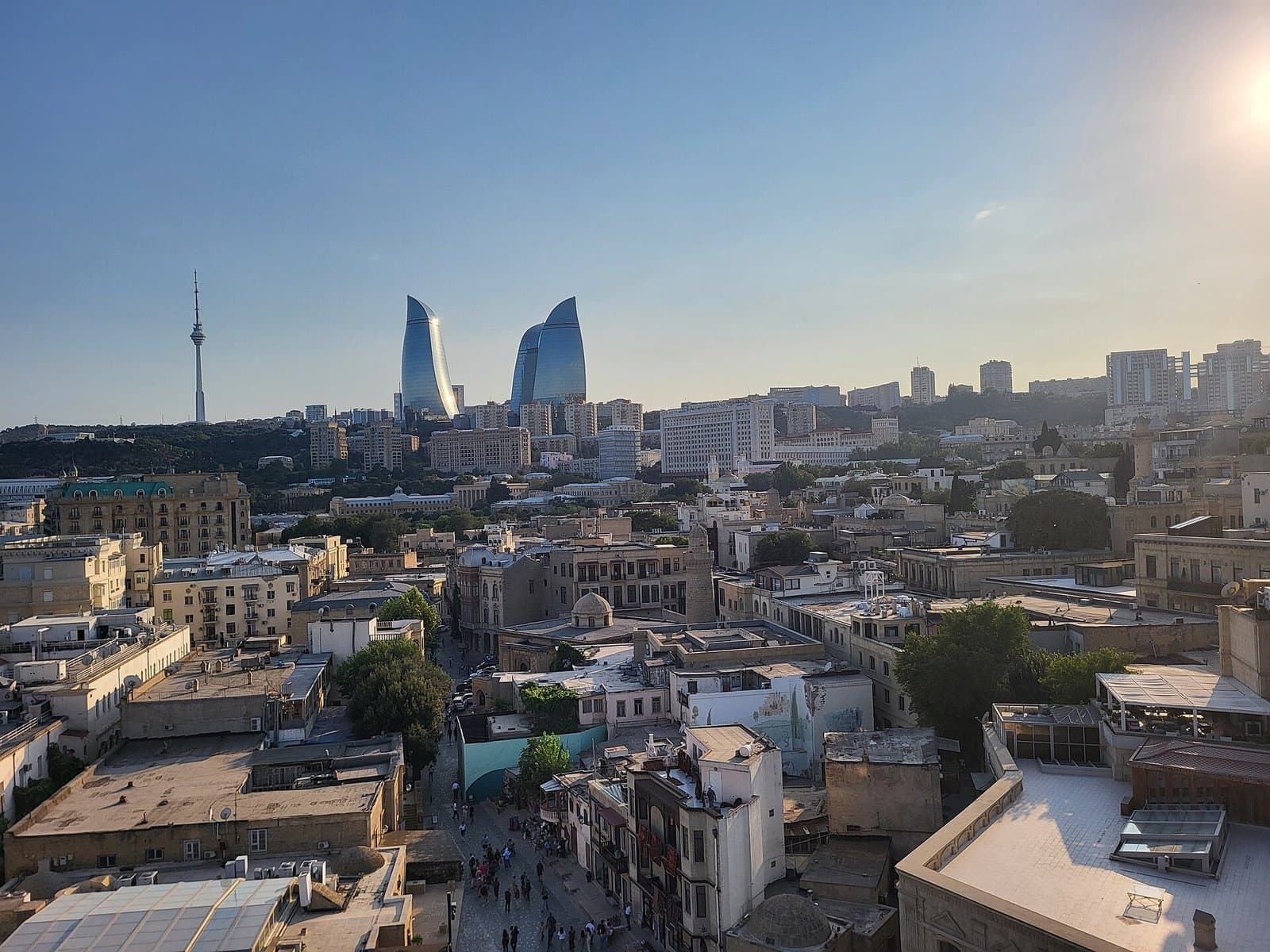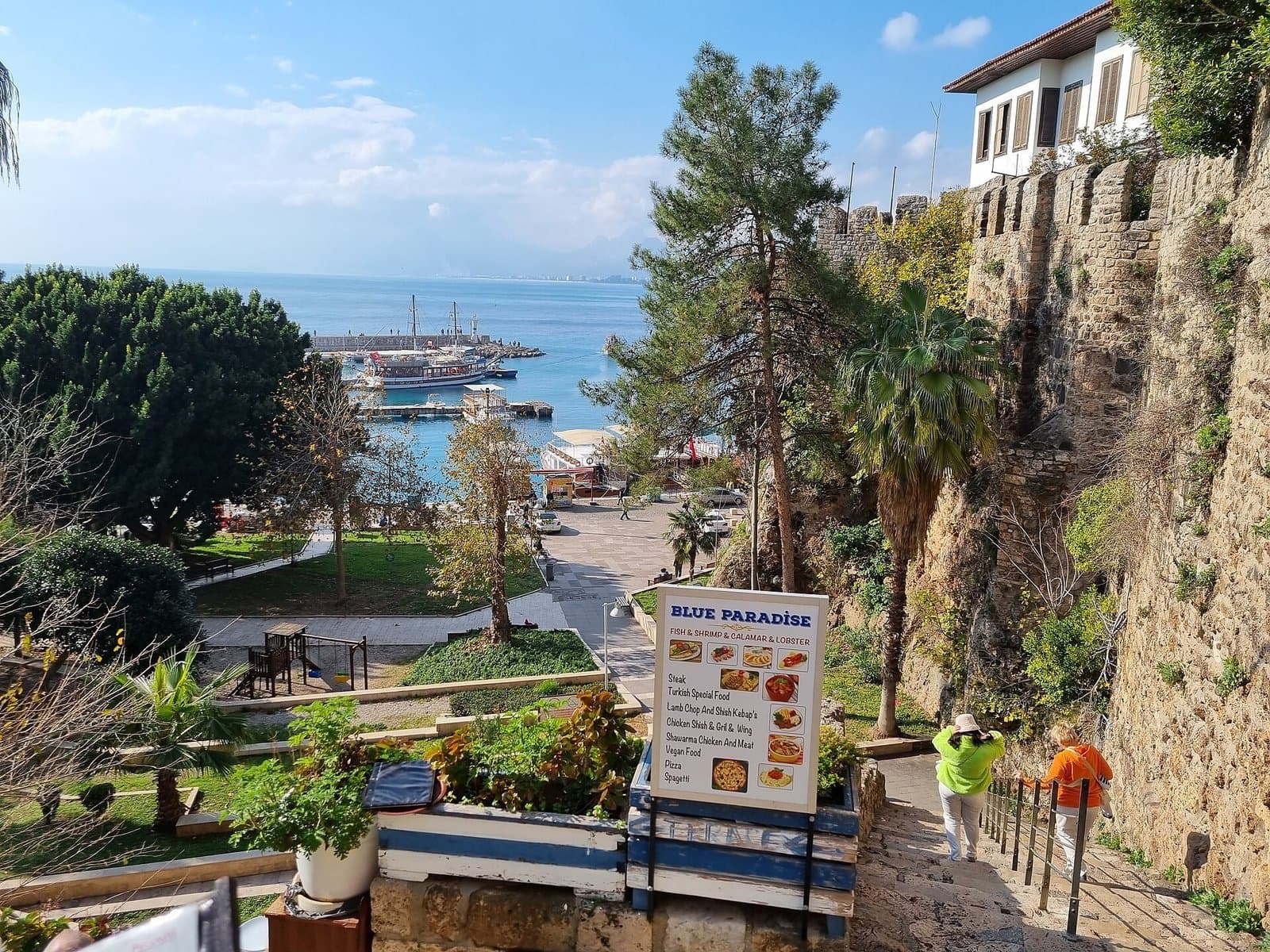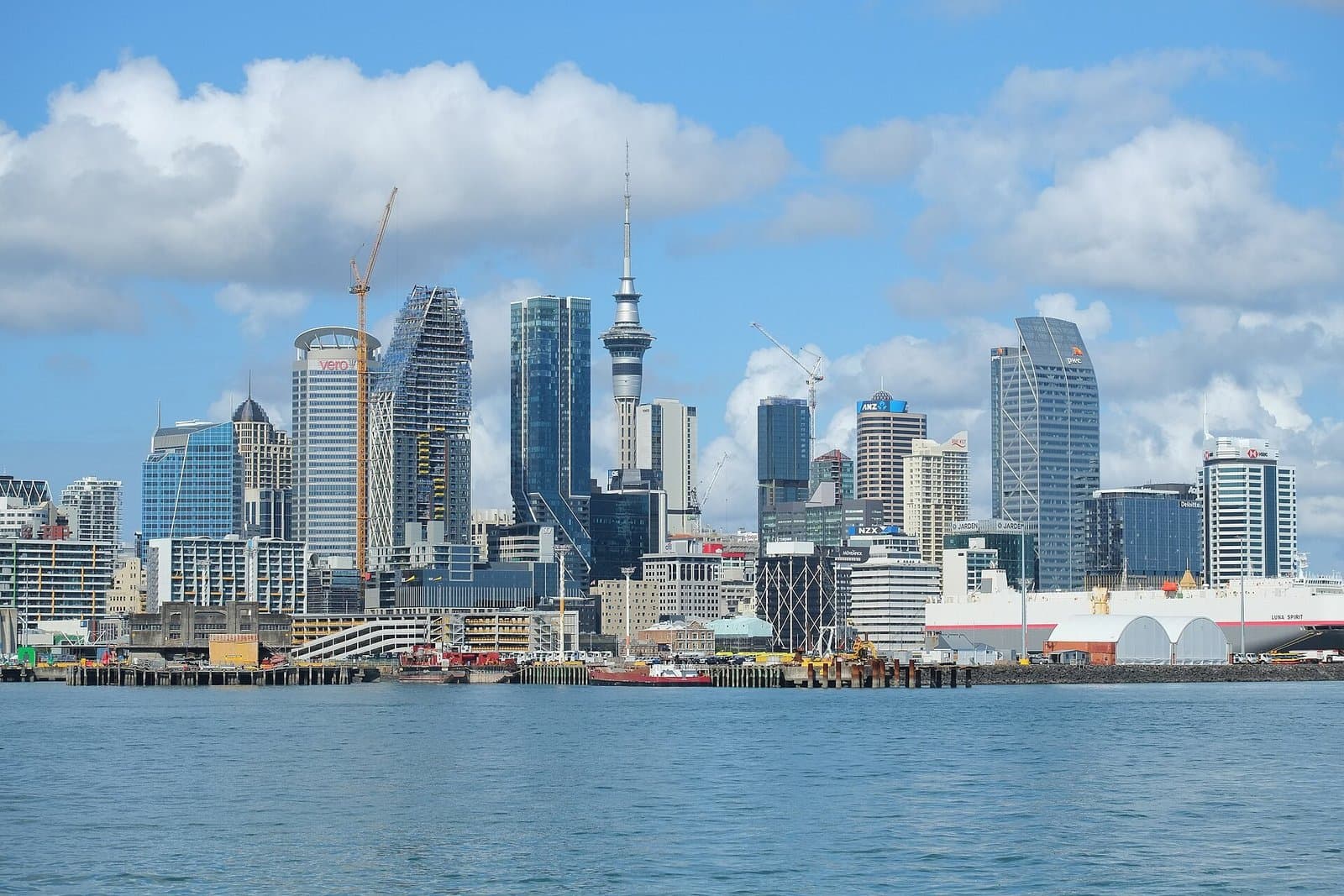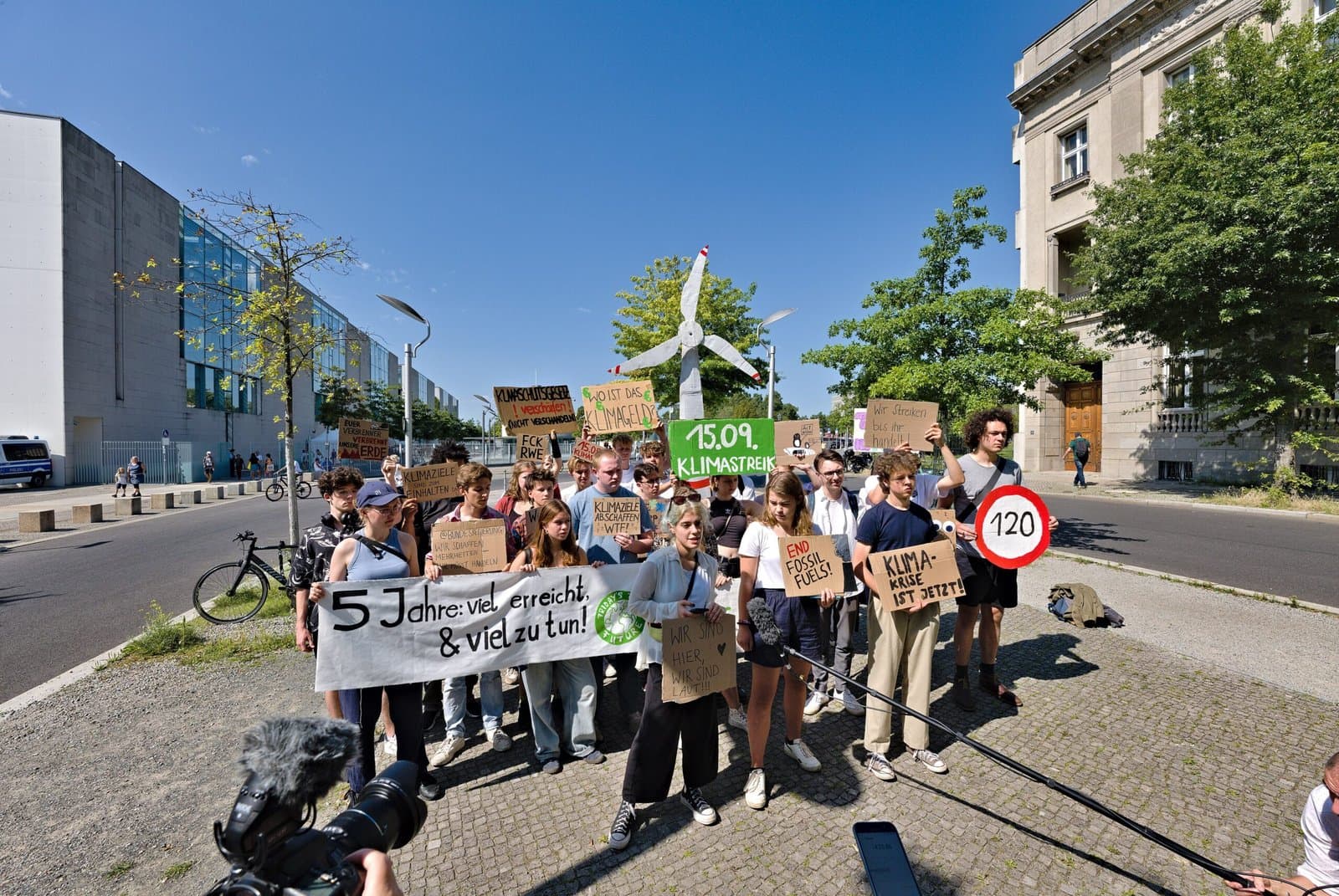
NEW YORK — Climate Week NYC 2026 is under way across New York City from 20 to 27 September, billed by organisers as the largest climate gathering in the world outside the annual UN climate COP. Climate Group, which hosts the week, said this year’s programme includes well over 1,500 public and private events — the biggest edition yet since the format launched in 2009.
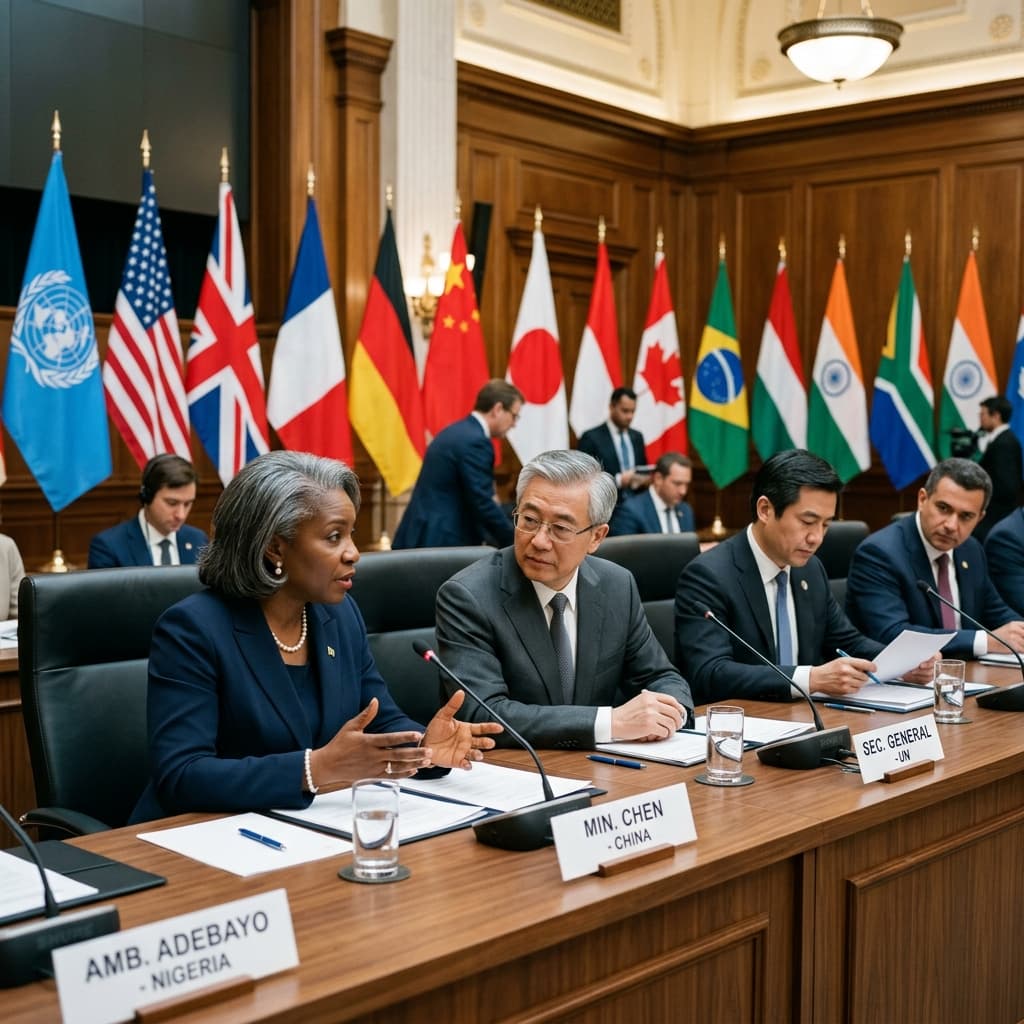
The week overlaps the United Nations General Assembly high-level period, packing ministers, mayors, investors, activists and corporate leaders into the same city calendar. An independent UNGA/Climate Week guide listed more than 1,500 events for the official 21–27 September window, underscoring the scale that organisers claim.
Opening ceremony and citywide programme
The official Opening Ceremony was scheduled for Monday 21 September from 9:00 a.m. ET. Climate Week NYC’s 20 September highlights preview named Australia’s Prime Minister Anthony Albanese as the opening keynote, with Iceland’s Prime Minister Kristrún Frostadóttir closing the morning session on resilience. Hub Live plenaries and breakouts were set to follow on 21–22 September.
Beyond the flagship stage, the Events Program spreads across borough venues, hybrid streams and private convenings on themes from energy and finance to health and food. Organisers invite remote audiences to watch Opening Ceremony and Hub Live sessions on demand while city participants use the official calendar and events map to navigate overlapping sessions.
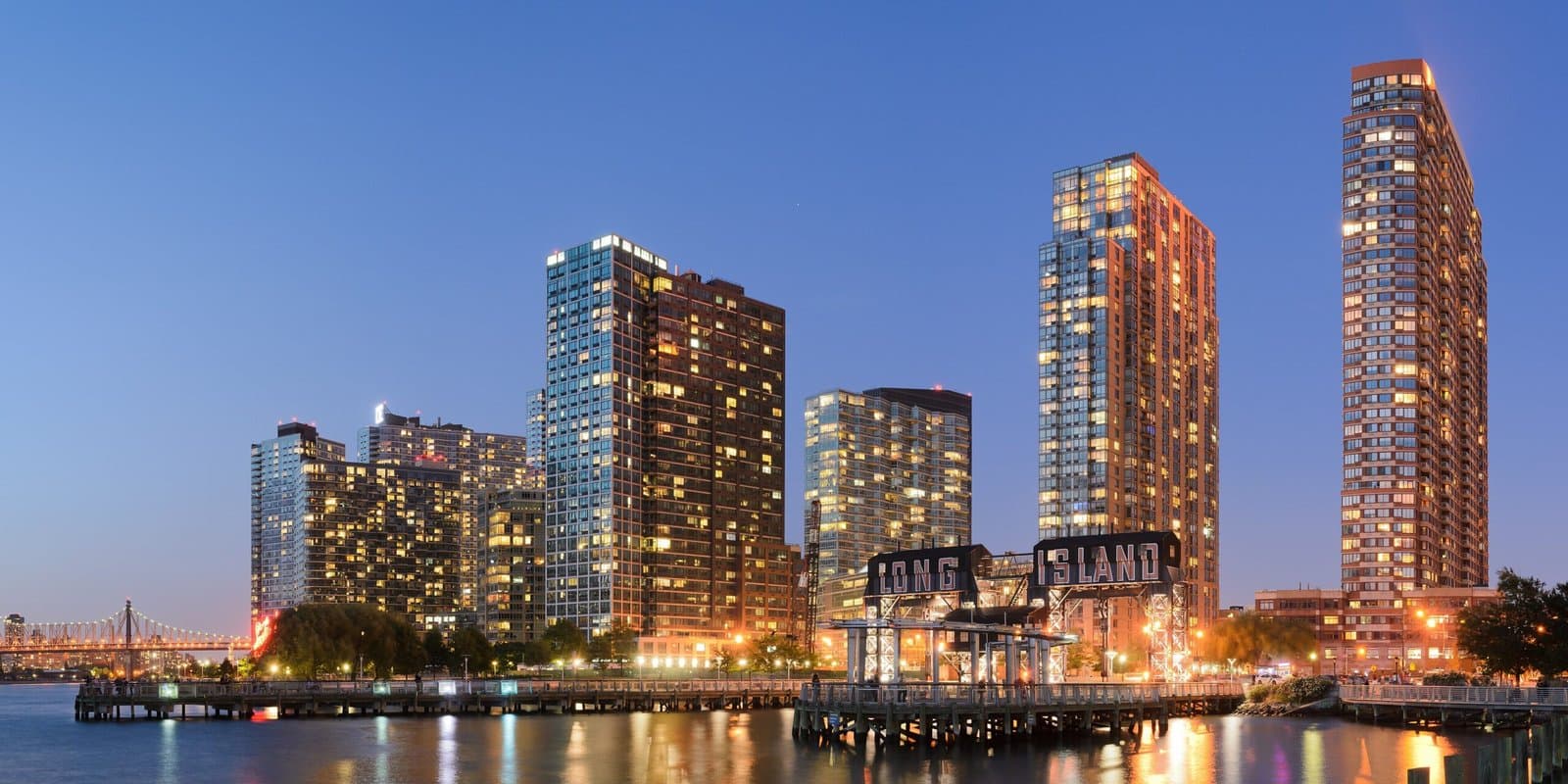
City colour on the eve of the opening included a green-lit skyline activation and the Urban 20 Mayors Summit co-chaired by New York and Los Angeles — part of the dense political traffic that makes Climate Week a magnet during UNGA week.
Why the calendar matters for COP31
Climate Week is not a negotiating session. Decisions that bind nearly 200 parties still belong to the UN climate process culminating at COP31 in Antalya, Türkiye, in November. But New York’s density of side events makes it a platforming hub: incoming COP presidencies, UN agencies and coalitions routinely use the week to preview Action Agenda items, announce partnerships and court media attention before formal talks.
Coverage on 21 September already showed that pattern — including Türkiye’s COP31 presidency messaging on AI energy use and electrification goals delivered from New York — even as this report keeps the focus on the convening itself rather than those agenda deep-dives.
How to read the 1,500-event claim
“Well over 1,500” mixes public ticketed sessions with private roundtables. Not every listing is open to the press or public, and quality varies. Still, the verified organiser figure, together with independent event guides above the 1,500 mark, supports the claim that Climate Week NYC remains the largest non-COP climate week on the annual calendar.
For readers tracking the road to Antalya, the practical value of 20–27 September is the concentration of speeches, announcements and bilateral meetings that will shape what reaches COP31’s Action Agenda and negotiation rooms — even when the week itself produces no negotiated text.