LIVE
BREAKING
xAI Launches Grok 4.7 for Coding and Knowledge Work — Stronger Than 4.6, Still Mid-Pack on Independent ScoresApple Special-Projects Veteran Emerges With $100M to Put Dual-Arm Robots on Warehouse FloorsAt 27, Tsinghua’s Youngest AI Professor Raises Nearly $50M for Self-Evolving ModelsAfrica No Filter opens 2026 Voices for Climate Justice storytelling grants — deadline 25 SeptemberTurkey’s ecological spotlight: Hrant Dink Award meets hard realities for environmental reportersAfter COP29, Azerbaijan journalists push deeper climate investigations through EaP networkCOP31 presidency floats Antalya AI energy pledge and 35×35 electrification at Climate WeekIRENA: record 693 GW renewables in 2025, but annual build must roughly double for 2030Nigeria’s 2026 plastic waste rules put producers on the hook for EPR — not a blanket banClimate Week research: AI-enabled buildings could cut energy use up to 22%, Schneider models sayGCash and Aboitiz launch Balamban drive for one million trees in CebuCovering Climate Now 2026 Awards: Harvey Lifetime, three Journalists of the YearSingapore SAF levy collection starts 1 Oct 2026 for 2027 passenger departuresCanada names Diana Fox Carney first Ocean Envoy for Our Ocean 2027 HalifaxAotearoa Youth COP: rangatahi draft climate statement toward COP31UNEP names Singapore, UAE and Dong Mingzhu inaugural Cool LeadersClimate Week NYC 2026 opens with 1,500+ events alongside UNGAUNEP: world set to cross 1.5°C, but overshoot–peak–decline still possibleSingapore cooling assembly advances heat-resilience roadmap and Nature for Cooling Challenge151,598 Children Vaccinated on Day One as ICT Polio Campaign Targets 447,614xAI Launches Grok 4.7 for Coding and Knowledge Work — Stronger Than 4.6, Still Mid-Pack on Independent ScoresApple Special-Projects Veteran Emerges With $100M to Put Dual-Arm Robots on Warehouse FloorsAt 27, Tsinghua’s Youngest AI Professor Raises Nearly $50M for Self-Evolving ModelsAfrica No Filter opens 2026 Voices for Climate Justice storytelling grants — deadline 25 SeptemberTurkey’s ecological spotlight: Hrant Dink Award meets hard realities for environmental reportersAfter COP29, Azerbaijan journalists push deeper climate investigations through EaP networkCOP31 presidency floats Antalya AI energy pledge and 35×35 electrification at Climate WeekIRENA: record 693 GW renewables in 2025, but annual build must roughly double for 2030Nigeria’s 2026 plastic waste rules put producers on the hook for EPR — not a blanket banClimate Week research: AI-enabled buildings could cut energy use up to 22%, Schneider models sayGCash and Aboitiz launch Balamban drive for one million trees in CebuCovering Climate Now 2026 Awards: Harvey Lifetime, three Journalists of the YearSingapore SAF levy collection starts 1 Oct 2026 for 2027 passenger departuresCanada names Diana Fox Carney first Ocean Envoy for Our Ocean 2027 HalifaxAotearoa Youth COP: rangatahi draft climate statement toward COP31UNEP names Singapore, UAE and Dong Mingzhu inaugural Cool LeadersClimate Week NYC 2026 opens with 1,500+ events alongside UNGAUNEP: world set to cross 1.5°C, but overshoot–peak–decline still possibleSingapore cooling assembly advances heat-resilience roadmap and Nature for Cooling Challenge151,598 Children Vaccinated on Day One as ICT Polio Campaign Targets 447,614
Climate

Singapore SAF levy collection starts 1 Oct 2026 for 2027 passenger departures

Ch UsmanPublished September 21, 2026
Singapore SAF levy collection starts 1 Oct 2026 for 2027 passenger departures
Featured Coverage: Singapore SAF levy collection starts 1 Oct 2026 for 2027 passenger departures / Watan News Archive
Share this story

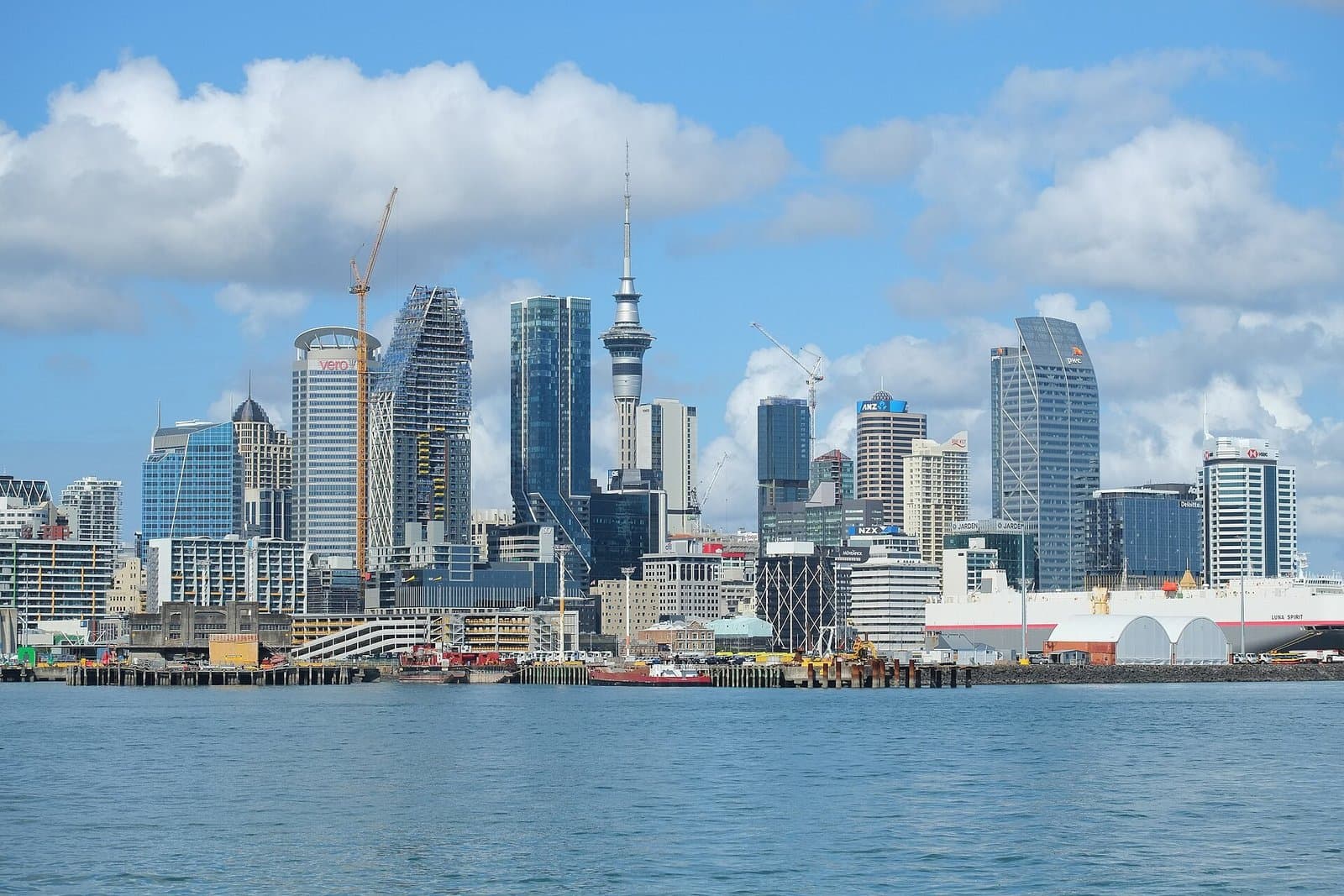
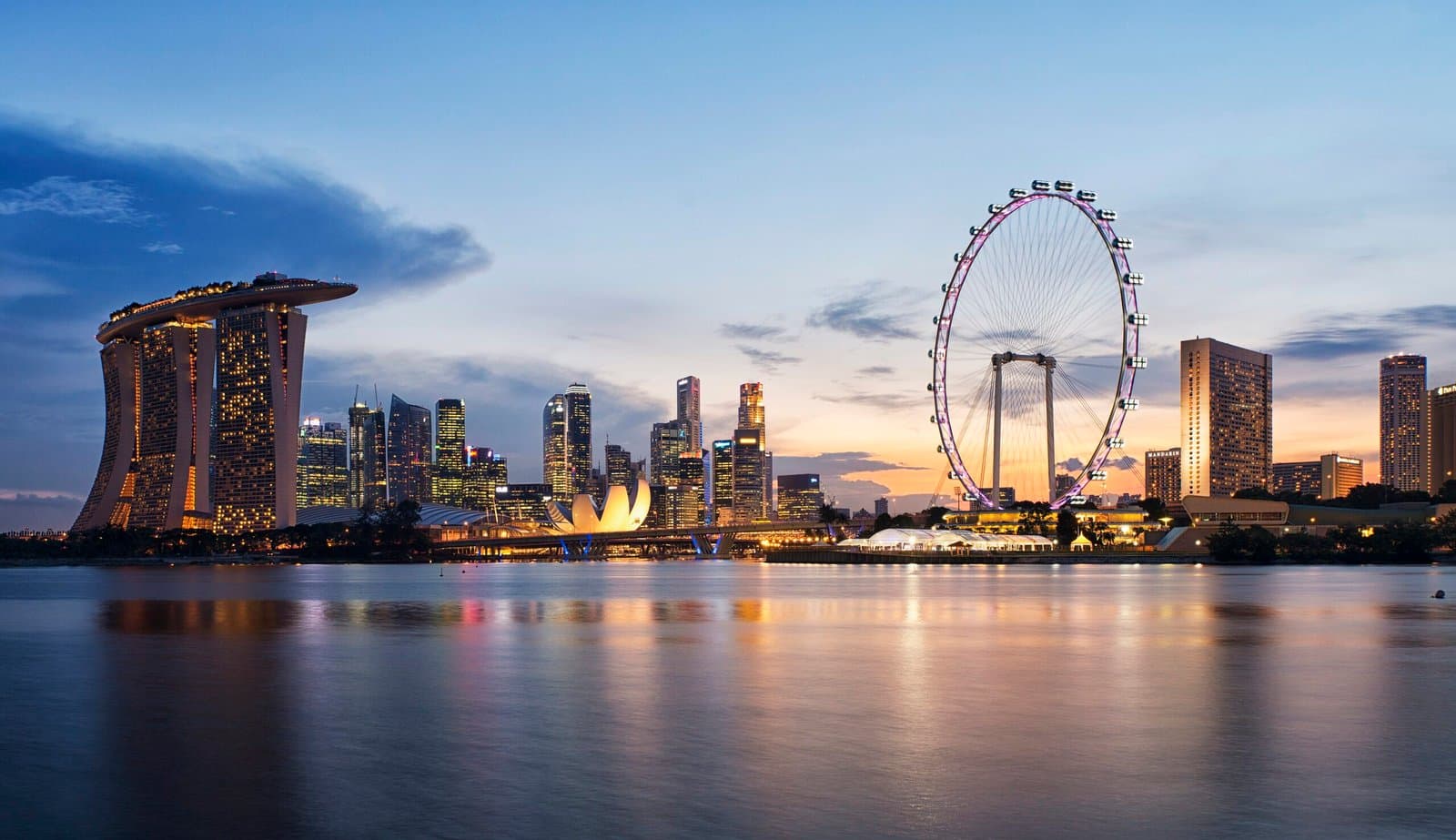
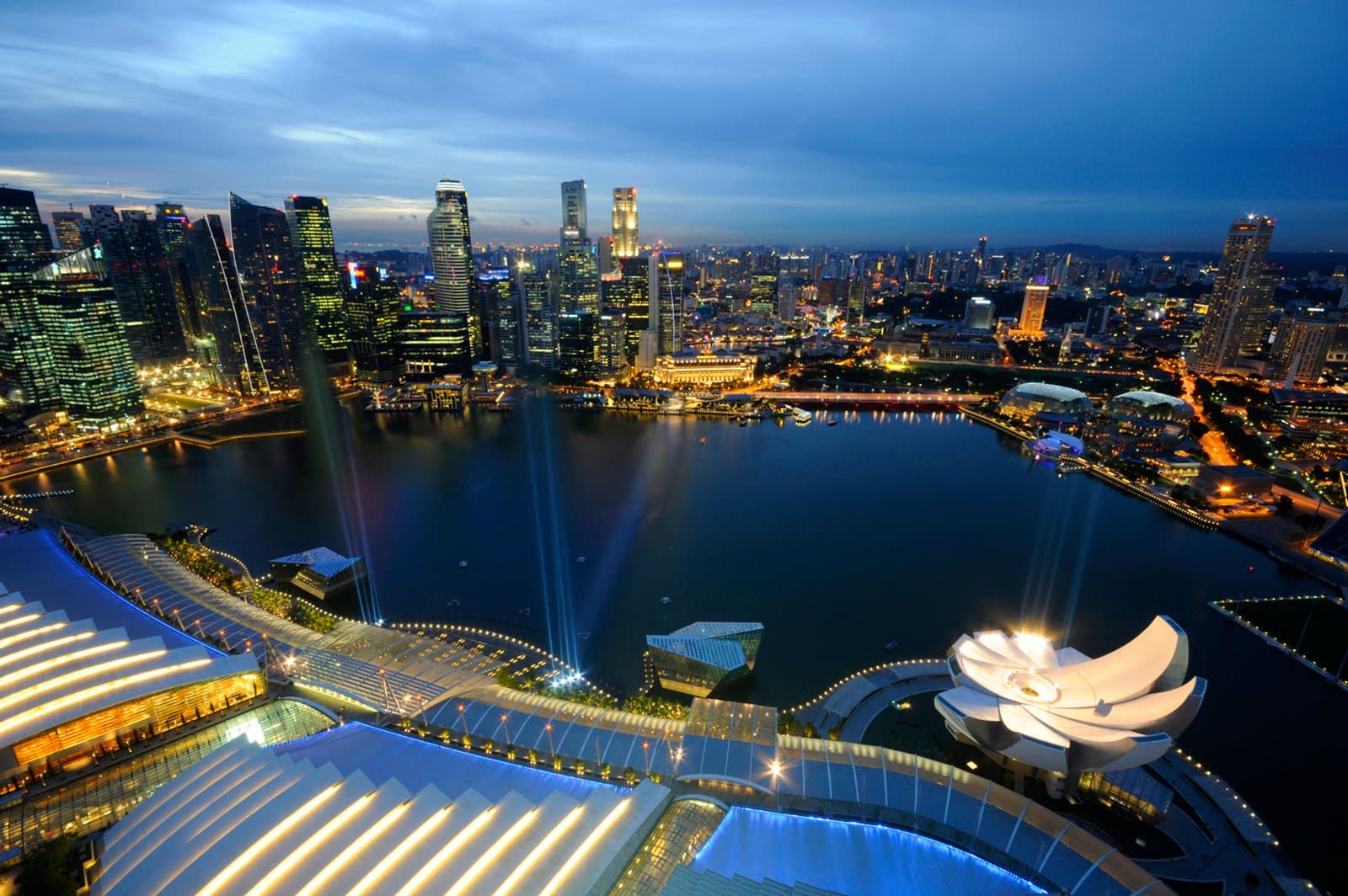
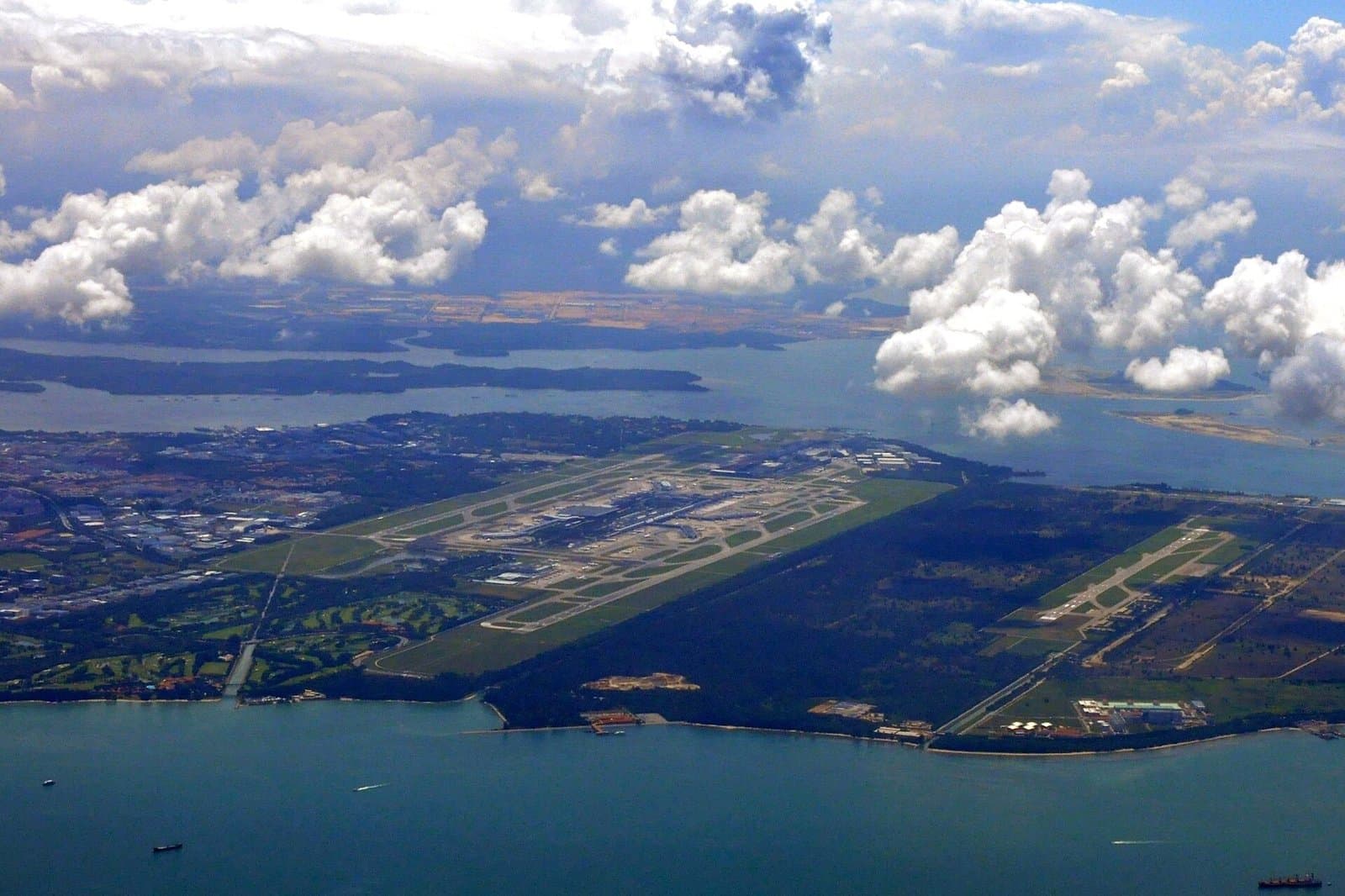
SINGAPORE — The Civil Aviation Authority of Singapore will start collecting its Sustainable Aviation Fuel (SAF) levy on tickets sold from 1 October 2026 for origin-destination passenger flights — and general and business aviation — departing Singapore from 1 January 2027, CAAS confirmed on 3 September 2026.

Singapore has described the measure as a world-first passenger SAF levy structure. The levy must appear as a distinct line item in the fare breakdown. Transit passengers through Singapore are not charged, under rules CAAS set when the scheme was first detailed in November 2025.

Who pays, and when

Only tickets or services sold from 1 October 2026 for Singapore departures from 1 January 2027 attract the passenger levy. Tickets sold earlier escape the charge even if travel falls in 2027, CAAS and subsequent explainers state.

CAAS will defer the air-cargo SAF levy by one year: it will apply to services sold from 1 October 2027 for flights departing from 1 January 2028. CAAS said cargo operations involve a wider set of stakeholders and commercial arrangements; industry feedback prompted the extra year to build a robust collection mechanism.

“CAAS has worked closely with airlines and other global industry partners to set up a robust regime for SAF levy collection, procurement and environmental attributes management,” Director-General Han Kok Juan said in the 3 September statement. “In doing so, CAAS seeks to lay the foundation for Singapore to serve as a trusted hub for SAF-related economic activities in the region.”

Official passenger rates by band and cabin

Rates published by CAAS (10 November 2025 tables; timelines later shifted but amounts unchanged in follow-on coverage) group destinations into four bands. Economy cabin (economy and premium economy) and premium cabin (business and first) pay different amounts; premium is four times economy for the same band, CAAS said, citing industry carbon-calculation norms.

Band I (Southeast Asia): S$1.00 economy / S$4.00 premium. Band II (Northeast Asia, South Asia, Australia, Papua New Guinea): S$2.80 / S$11.20. Band III (Africa, Central and West Asia, Europe, Middle East, Pacific Islands, New Zealand): S$6.40 / S$25.60. Band IV (Americas): S$10.40 / S$41.60. For multi-stop itineraries, the levy uses the immediate next destination after leaving Singapore.

The quantum was set against a 1% SAF target for departing flights and projected SAF price premiums plus certification, blending and delivery costs, CAAS said. Singapore aims to raise the SAF share toward 3–5% by 2030, subject to global supply, which would imply future levy adjustments.

Where the money goes — SAFCo

Levies flow to a statutory SAF Fund. Singapore Sustainable Aviation Fuel Company Ltd. (SAFCo), a non-profit wholly owned by CAAS, is the designated collection agent and will procure, manage, account for and allocate SAF and related environmental attributes (EAs), CAAS said.

In August 2026 SAFCo completed a first voluntary SAF procurement trial with nine companies, including Singapore Airlines and Scoot, plus Boston Consulting Group, Changi Airport Group, DBS Bank, GenZero, Google, OCBC and Temasek. CAAS said SAFCo plans a request for proposal for levy-funded SAF procurement by end-2026, with first uplift expected mid-2027.

Traveller takeaway

From October, origin-destination passengers booking 2027 Singapore departures should expect a visible SAF line item of between S$1 and S$41.60 depending on band and cabin. Cargo shippers get another year before parallel charges. Whether airlines absorb part of the cost on retail fares is a commercial question CAAS does not settle; award-ticket travellers typically see taxes and levies passed through in full.
Planet & environment

Climate & Sustainability

News, stories and solutions driving change towards a greener and more sustainable planet for future generations.

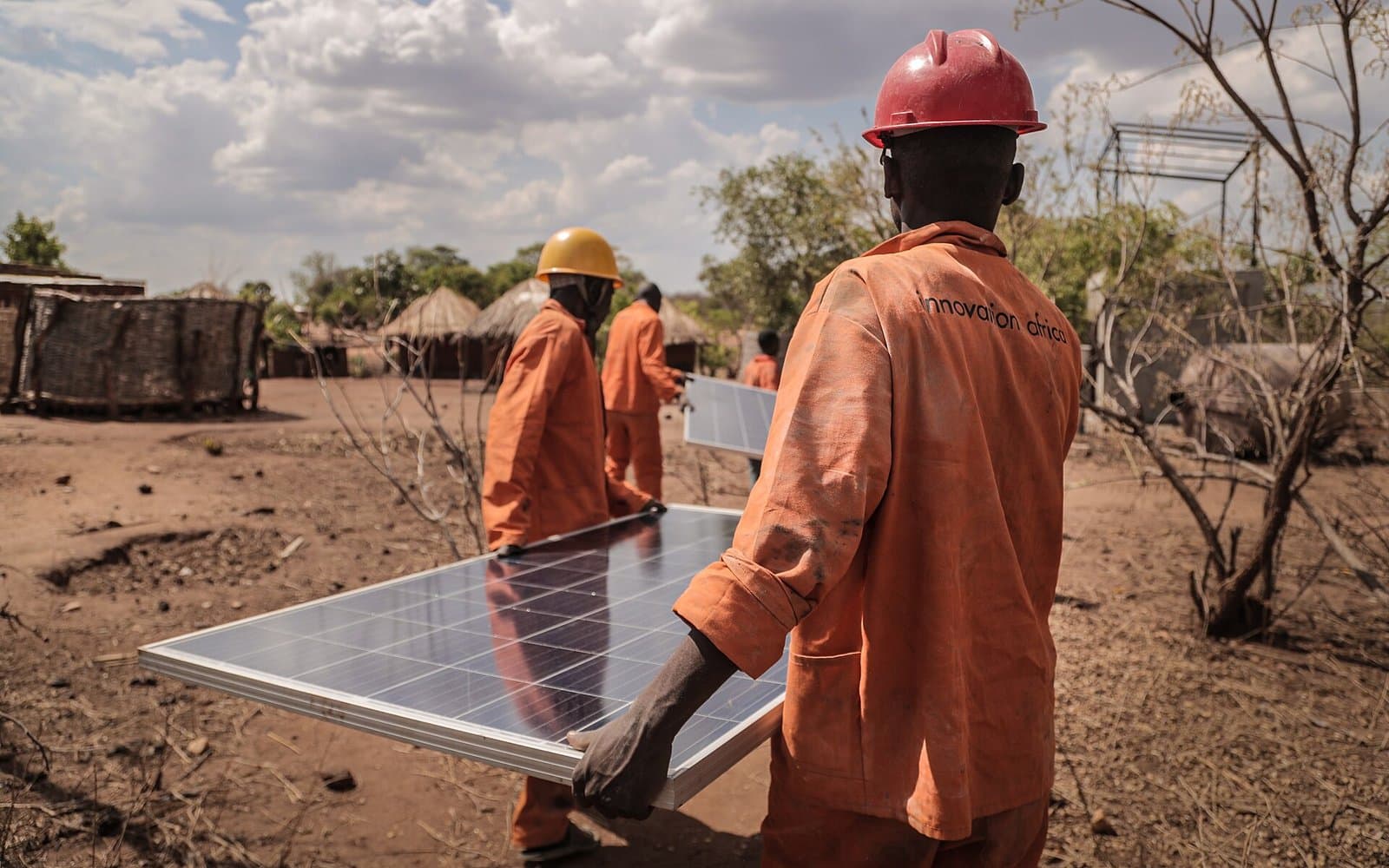
Africa No Filter opens 2026 Voices for Climate Justice storytelling grants — deadline 25 September
Featured story

Africa No Filter opens 2026 Voices for Climate Justice storytelling grants — deadline 25 September

Africa-focused green journalism call: 15–20 storytellers, up to US$4,000 grants, training on climate–debt–gender–fossil fuels; applications close 25 Sep 2026.

Read full story

GREEN JOURNALISM

Every Action Counts

Small steps today, big impact tomorrow.

Explore more stories