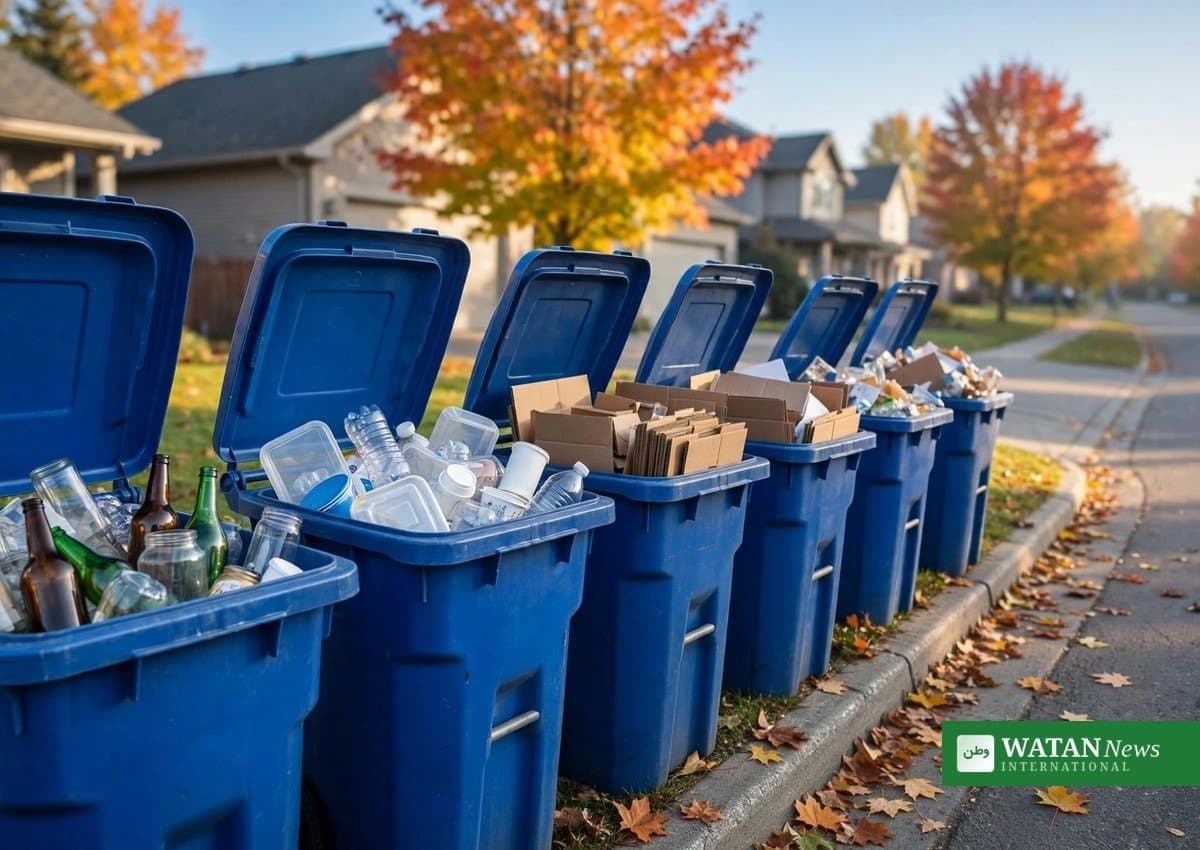
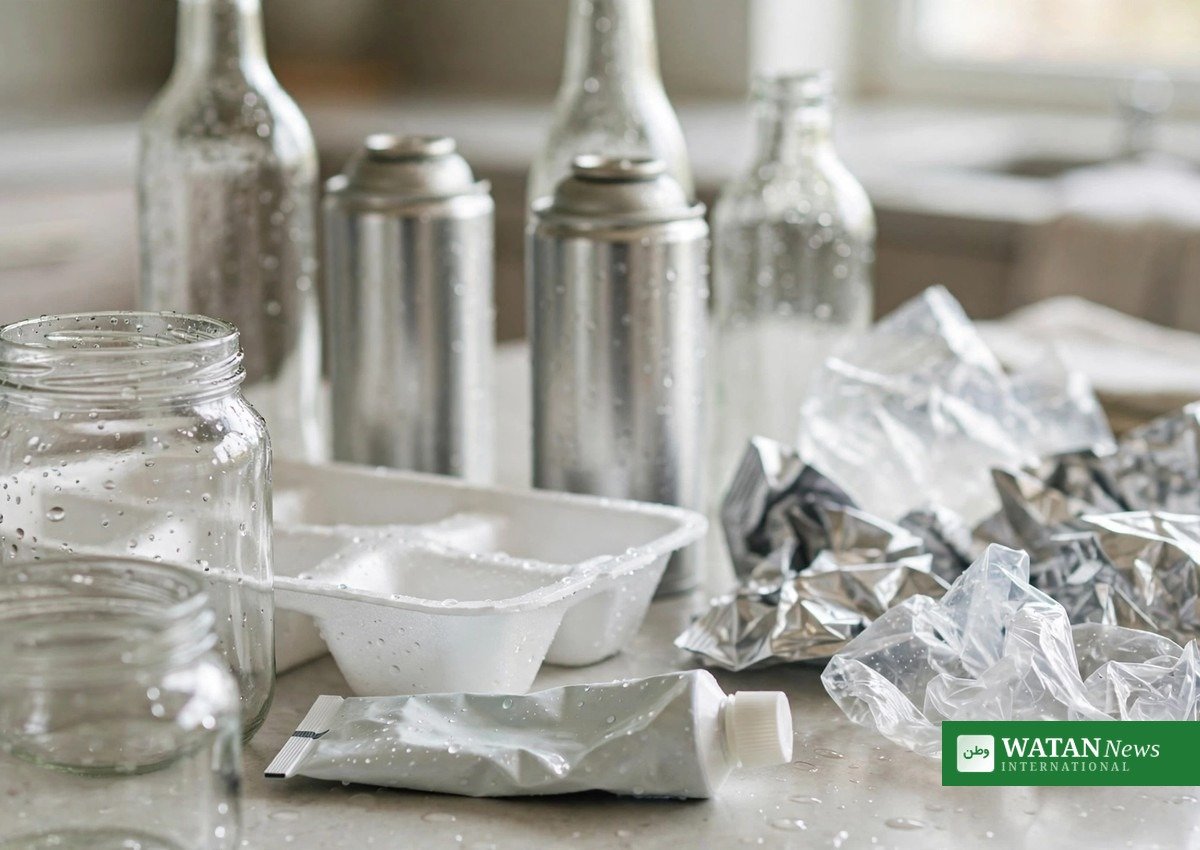
About 1.4 million households in Canada’s Alberta province woke up to a new recycling reality on 1 October 2026, when phase 2 of the province’s extended producer responsibility (EPR) program for packaging took effect. Residents can now recycle glass containers, foam packaging, flexible plastics, aerosol cans and laminated packaging at the curb — materials that previously went straight to landfill in most Alberta communities.
FAKTA
- What: Phase 2 of Alberta’s extended producer responsibility (EPR) program for packaging began 1 October 2026.
- The shift: Producers — manufacturers and brands — now fund and manage residential packaging and paper recycling, with the program run by Circular Materials, a national not-for-profit producer responsibility organization.
- New materials: Glass containers, foam packaging, flexible plastic packaging, aerosol containers and laminated paper and plastic packaging; many communities are also adding tubes such as toothpaste and deodorant tubes.
- Scale: About 97 percent of Albertans covered; roughly 1.4 million households; 287 communities; 206 curbside programs; 1,858 apartment and condominium buildings; about 500 depot locations.
- Background: Phase 1 took effect 1 April 2025; the Alberta government created the underlying regulation in 2022.
- Resident rule: Empty, clean and loose — rinse containers and place them loose in the bin, never inside plastic bags.
What’s new in Alberta EPR phase 2
The expanded material list is meant to make recycling consistent across the province, so Albertans can recycle the same items no matter which municipality they live in. According to Circular Materials, the new province-wide accepted list now includes glass containers in places where they were previously excluded, foam blocks and takeout containers, flexible plastic packaging such as chip bags and granola bar wrappers, food and body aerosol cans, and laminated paper and plastic packaging such as ice cream containers and hot and cold beverage cups.
The second phase also widens access to curbside recycling itself. Circular Materials says the expansion reaches 206 curbside programs across 287 communities, including 119 new communities receiving curbside recycling — 104 of them for the first time ever — plus recycling services for 1,858 registered apartment and condominium buildings.
The numbers behind the expansion
Jennifer Koole, executive director of the Recycling Council of Alberta, said: “We commend the Government of Alberta for creating the regulation back in 2022 that has led to the implementation of EPR in the province today. EPR provides an opportunity for producers to work upstream to design better products and packaging, support reuse, and use less material. It’s about recycling more today while building a system that creates less waste tomorrow.”
Alberta’s municipalities have been preparing for months. The City of Calgary told residents its blue carts and community recycling depots would begin accepting food and bodycare tubes, aerosol cans, flexible plastic bags and wrappers, and styrofoam packaging from 1 October. Calgary also notes that as producers began funding more of the program’s costs under phase 1, single-family households saw blue cart fees drop by 7.17 dollars a month — a tangible sign of the cost shift from taxpayers to producers. Towns including Leduc, Devon, Rocky View County and Nanton issued matching guides with the same October 1 start date and the same “empty, clean and loose” guidance.
Why EPR matters for zero waste
Extended producer responsibility is recognized by recycling experts as one of the most effective mechanisms for raising recycling rates and advancing a circular economy: businesses that sell products and packaging become responsible for them over their full life cycle, which encourages companies to design packaging with recycling in mind and bear the cost of collecting it at the end of its life.
The Alberta move lands in a busy global year for waste policy. Talks on a global plastics treaty are continuing toward a deal expected in March 2027, while the European Union’s new packaging rules applied from August 2026 and California’s nation-leading packaging laws are entering a critical phase. Alberta’s experience — shifting costs to producers while expanding what can actually be recycled — offers one of the clearest North American test cases of the EPR model in action.
For residents, the message is simple: more of the everyday packaging piling up in kitchens can now go in the blue cart or blue bag — as long as it is empty, clean and loose. As Circular Materials puts it, the expansion is meant to reduce barriers to recycling and give more residents convenient opportunities to divert valuable materials from disposal.