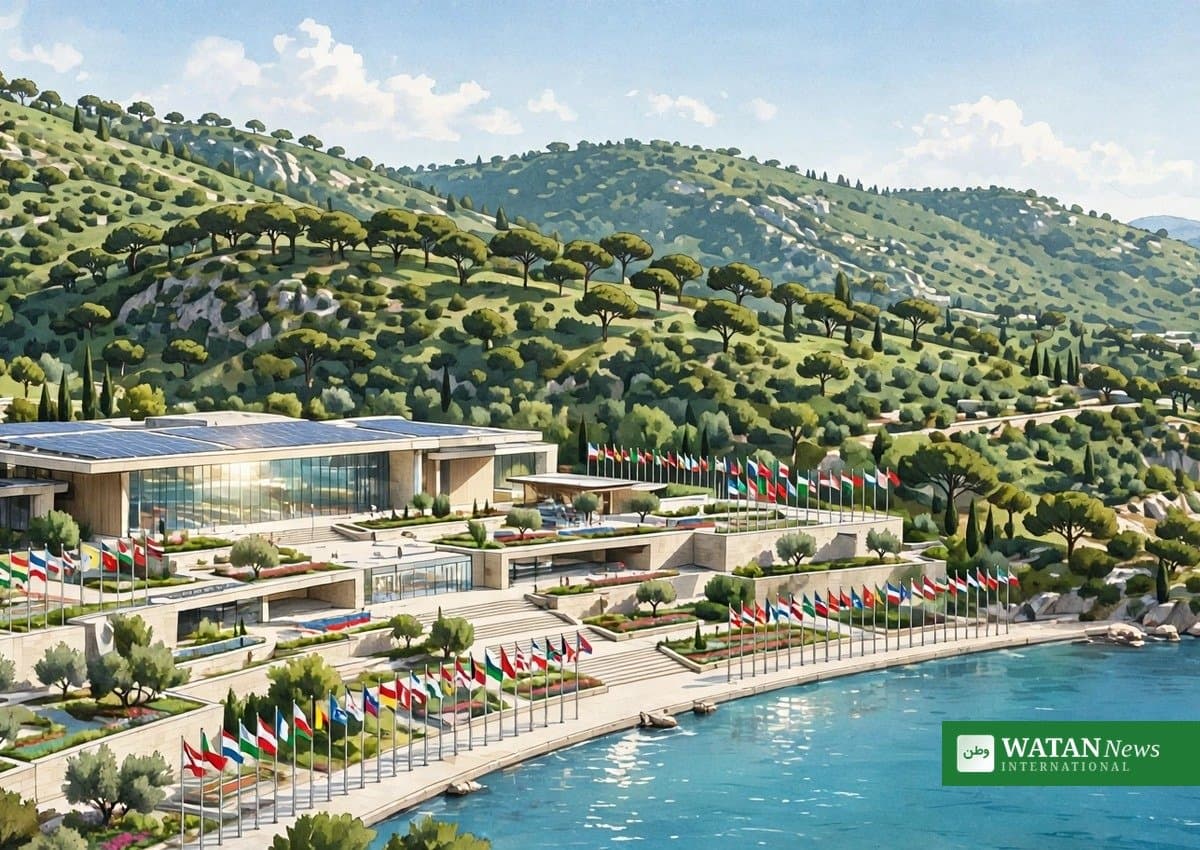
Türkiye aims to strengthen its energy and climate diplomacy through COP31 and turn global climate targets into concrete, measurable and investment-ready projects. That message emerges from recent statements by Turkish officials ahead of the 31st UN Climate Change Conference, in Antalya, Türkiye, from 9 to 20 November 2026.
According to Anadolu, reporting on 22 October 2026, Türkiye wants to use dialogue, consensus and action to move climate goals from pledges to projects that can attract investment and be delivered in practice. COP31 will use a dual model: Türkiye holds the Presidency and leads the Action Agenda, while Australia’s Chris Bowen is President of Negotiations. Murat Kurum, Türkiye’s Minister of Environment, Urbanization and Climate Change, is COP31 President.
An Implementation COP
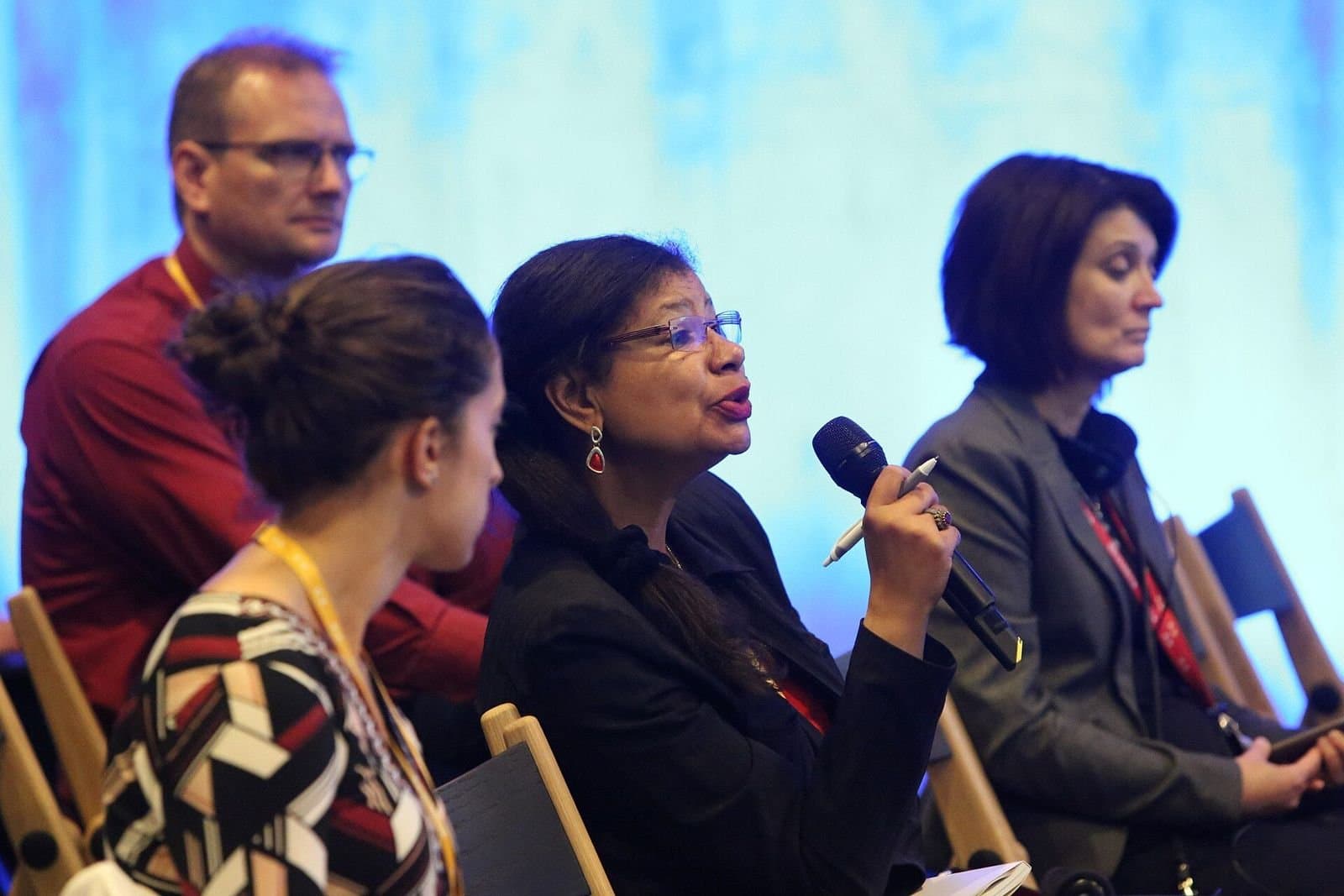
COP31 CEO Fatma Varank has described the ambition as organising an “Implementation COP”. Antalya should be judged not only by agreements reached, but by whether commitments become projects on the ground. A central tool is the Climate Implementation Bridge, meant to turn nationally determined contributions (NDCs) and other commitments into investment-ready projects.
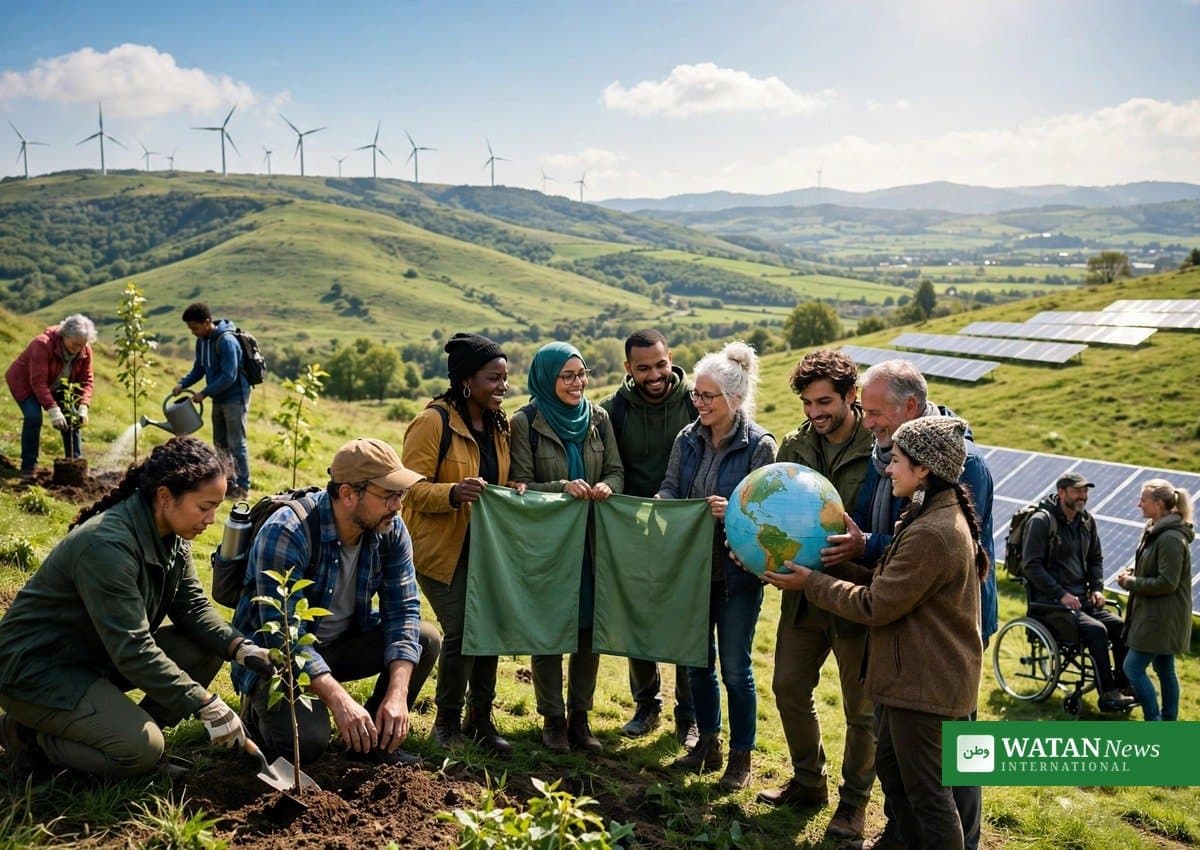
Varank has also stressed youth: “We want young people to be at the centre of this COP.” More than 2,000 square metres in the Green Zone will be set aside for youth activities, and the Climate Ambassadors project, involving university students and running for seven years, will take part.
The 2035 Action Agenda targets
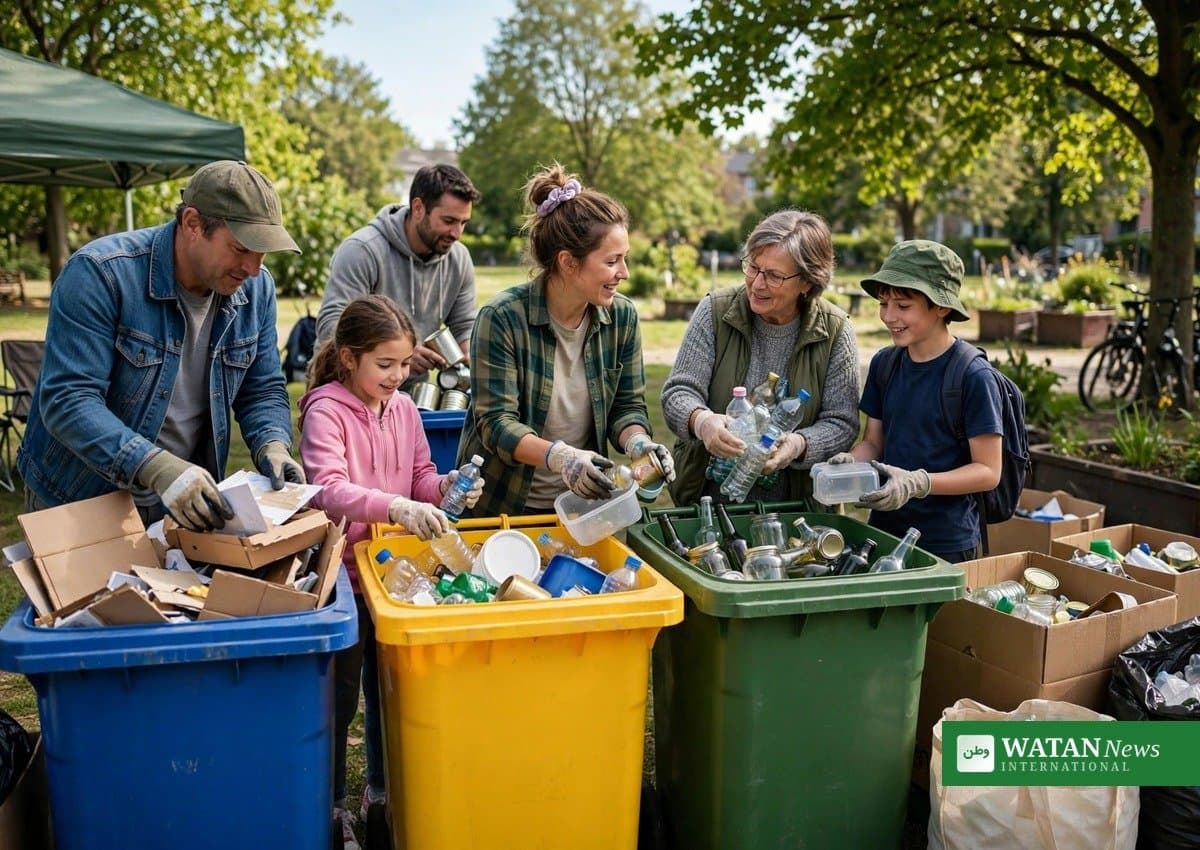
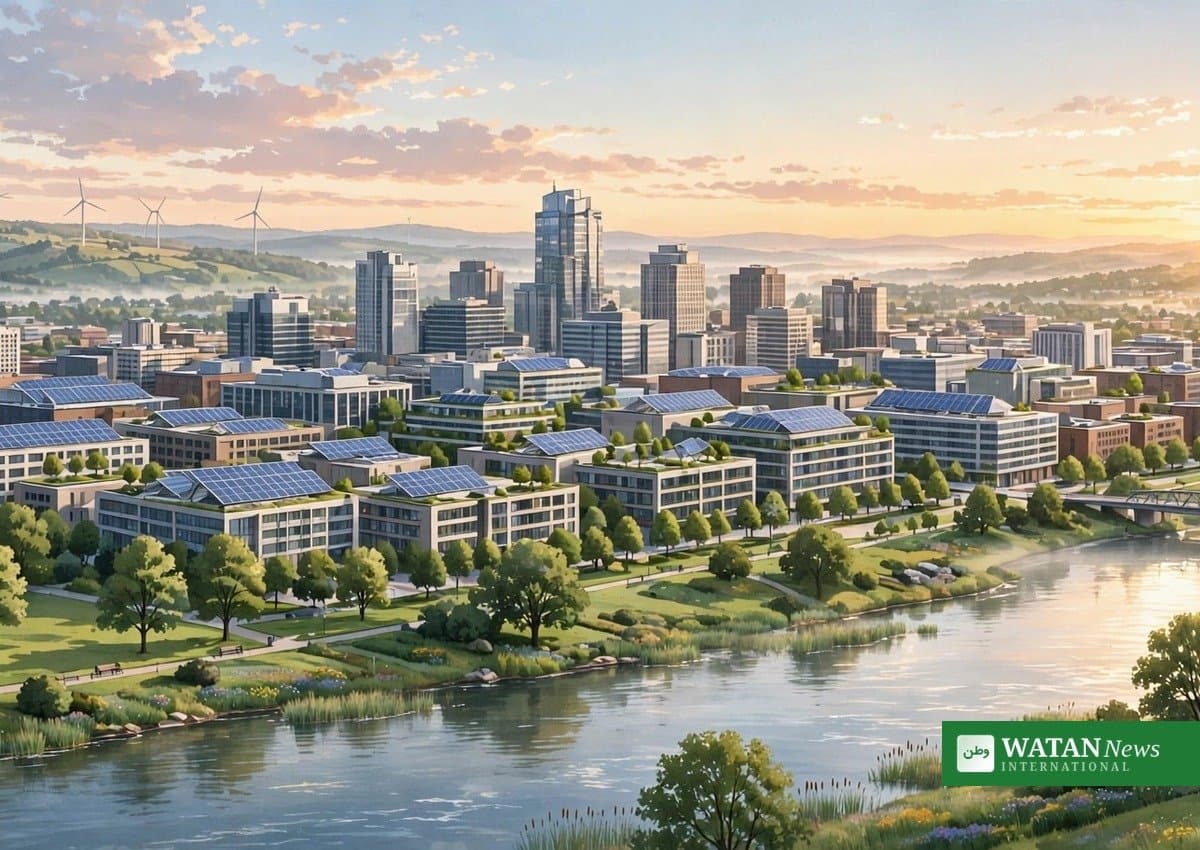
The Presidency Action Agenda sets 2035 targets, announced by Kurum at a UN event on 22 September 2026 and reported by Reuters, and restated by Varank in a Daily Sabah interview on 21 October 2026: electricity at 35 percent of global final energy consumption; buildings’ energy intensity down at least 25 percent; projected growth in global waste generation halved; and circular material use in industry at 15 percent — alongside climate education for all and the Climate Implementation Bridge.
Priority areas are electrification, clean energy transition, green industrialization, circular economy, climate-resilient cities and climate finance. The agenda covers 10 themes: clean energy and electrification; zero waste and methane reduction; climate-resilient cities; green industrialization; youth and education; food security; oceans; health systems; biodiversity and land-use synergies; and implementation of national climate plans.
Kurum said the targets could potentially reduce global emissions by 8.5 to 10 gigatonnes of carbon dioxide by 2035. Varank estimated they could cut projected 2035 emissions by around 20 to 25 percent — her estimate, which the interview itself notes could not be independently confirmed.
Energy capacity and regional cooperation
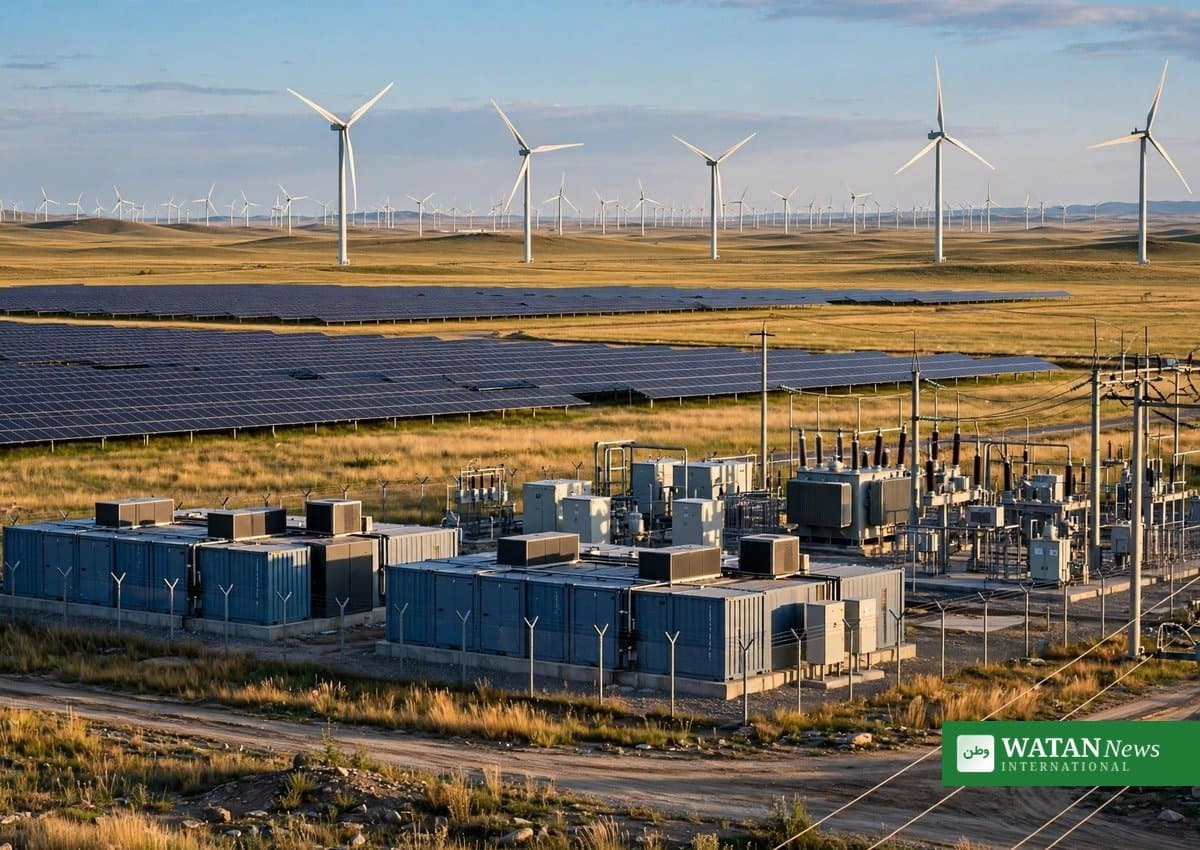
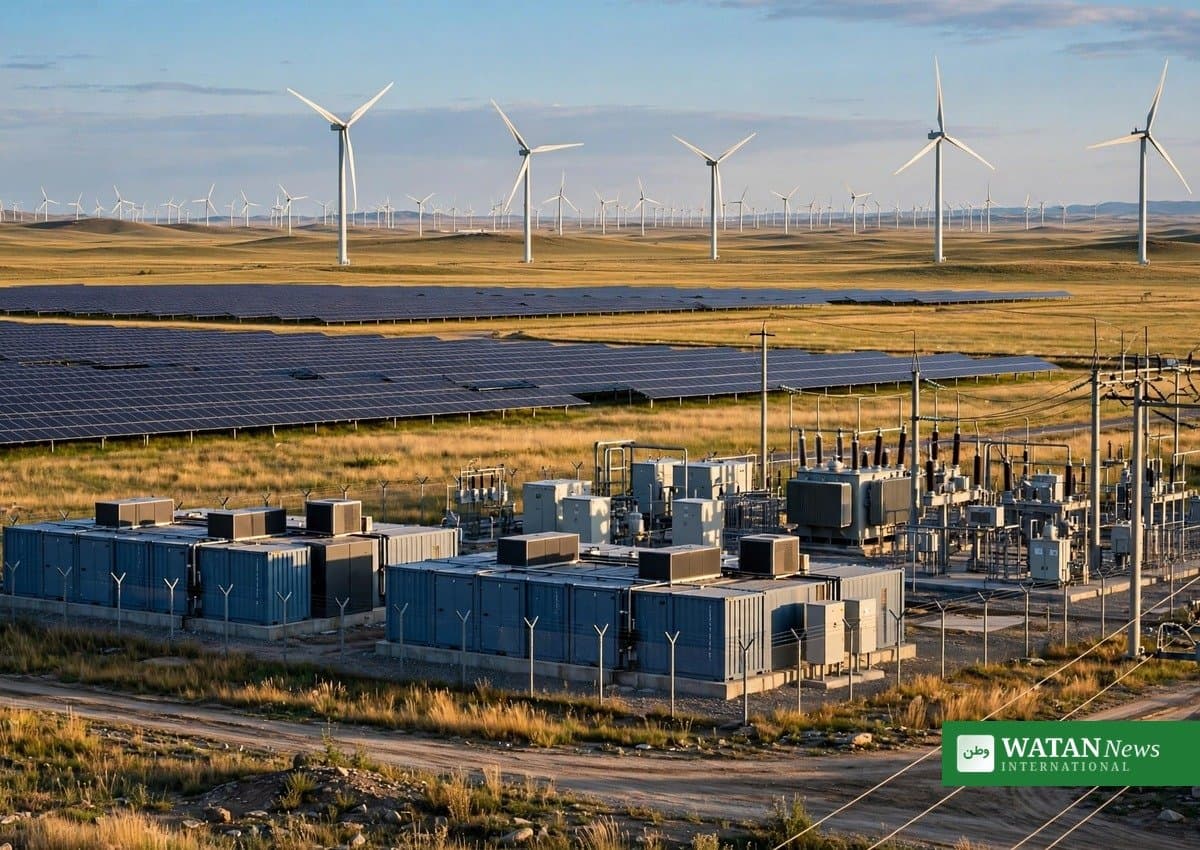
Energy Minister Alparslan Bayraktar has said Türkiye aims to raise installed renewable capacity to 120 gigawatts by 2035, with more ambitious 2040 targets under work. Reporting highlights Türkiye’s solar and wind potential, grid expansion and electrification priorities, and its location at the crossroads of Europe, the Middle East and Asia for cooperation on interconnections, renewables investment, efficiency and low-carbon industry.
Global Energy Association President Murat Dilek told Anadolu that expanding domestic manufacturing of renewable equipment, including wind turbines and solar panels, offers green-industrialization opportunities: “Türkiye’s diplomatic success in this process will be measured not only by the establishment of dialogue between countries, but also by the transformation of the targets set out in Antalya into concrete partnerships and viable projects.”
COP31 also launches the second Global Stocktake cycle, with outcomes at COP33 in 2028, according to an ICLRC agenda paper, and falls in the year of the 10th anniversary of the Paris Agreement’s entry into force, on 4 November 2016. The planned launch of the Least Developed Countries Green Industrialisation Facilitation Mechanism (LDC-GIF) is also mentioned, attributed to presidency reporting.
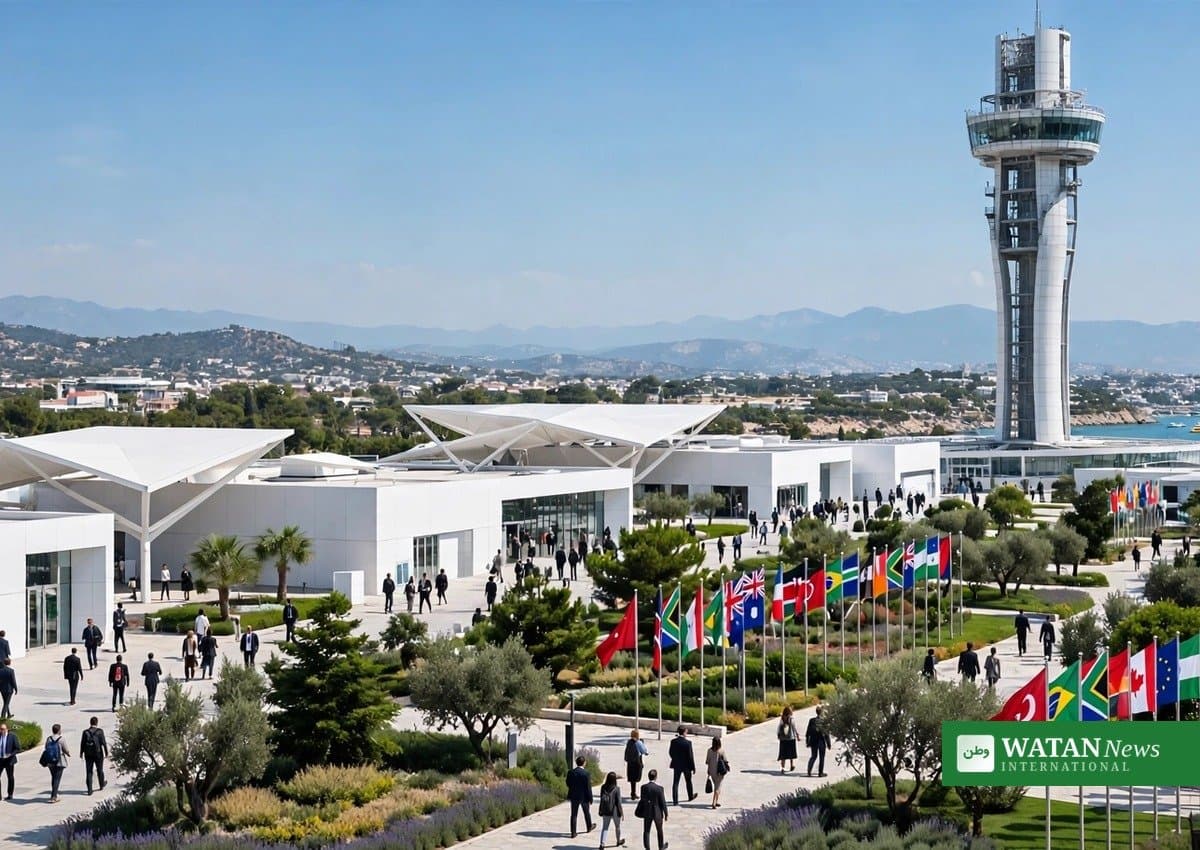
For background on the venue, see the earlier Watan News report on the COP31 venue and expo grounds.
Key facts
- COP31: Antalya, Türkiye, 9–20 November 2026.
- Presidency: Türkiye (Murat Kurum); Negotiations: Chris Bowen (Australia).
- 2035: electricity 35%; buildings −25%; waste growth halved; circular use 15%.
- Türkiye renewables: 120 gigawatts by 2035.
- Youth: 2,000+ sq m Green Zone space; seven-year Climate Ambassadors project.
Conclusion
If Antalya is to be remembered as an Implementation COP, the test will be practical: whether its targets and dialogue become partnerships, finance and measurable projects. The 2035 targets, the Bridge and the youth programme set the framework; delivery after November will show how far it reaches.