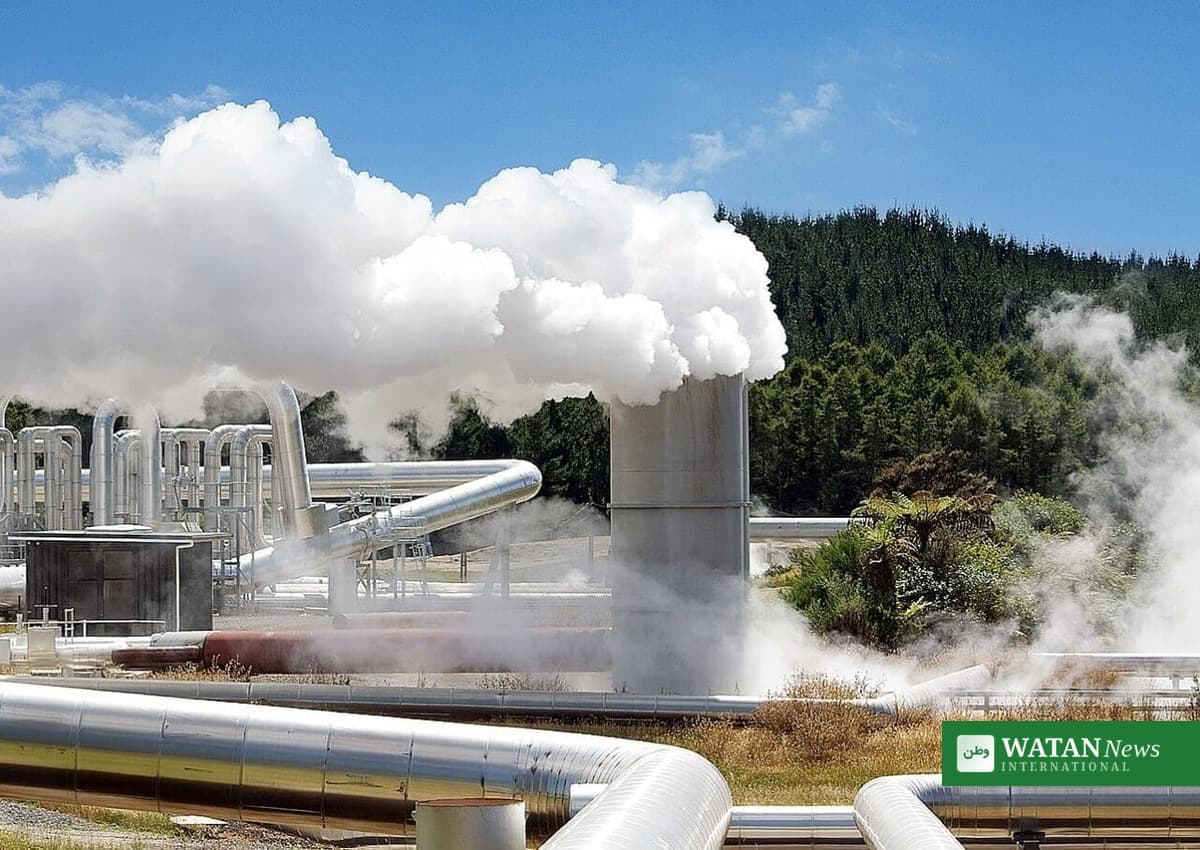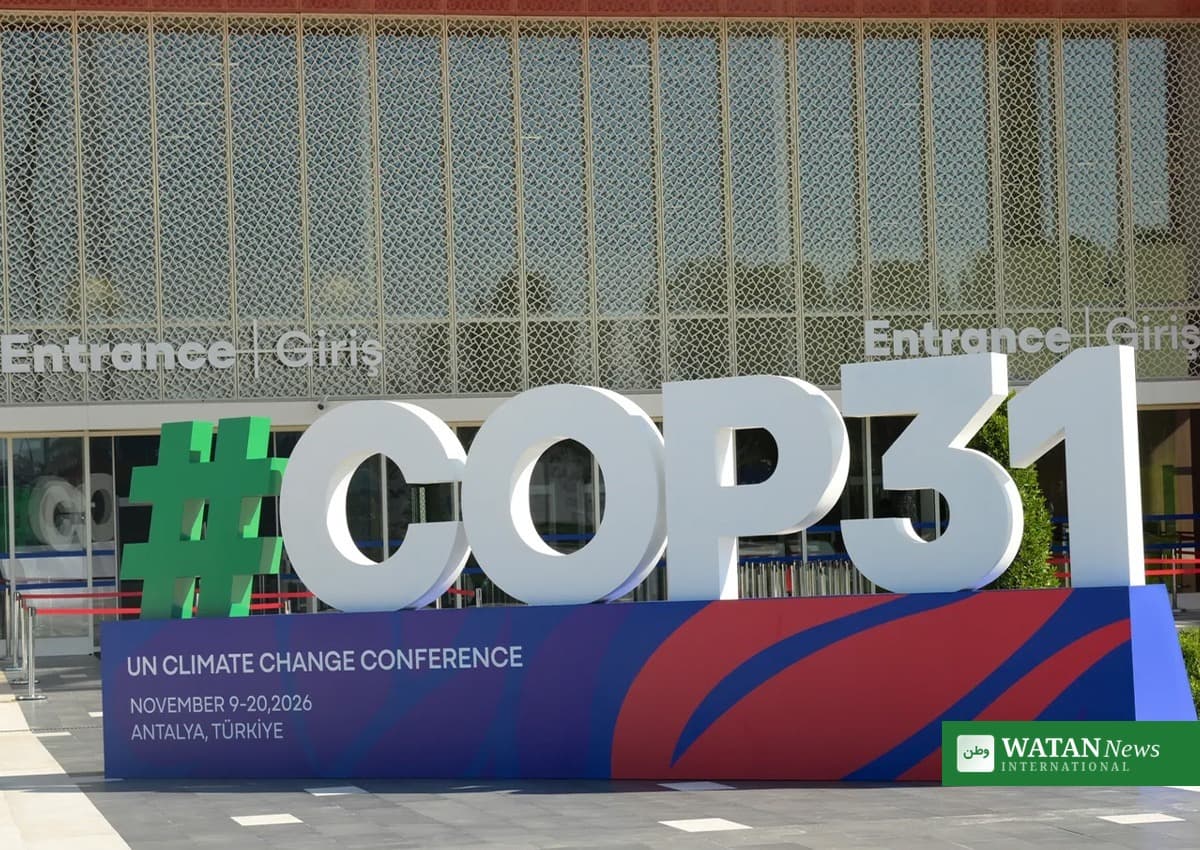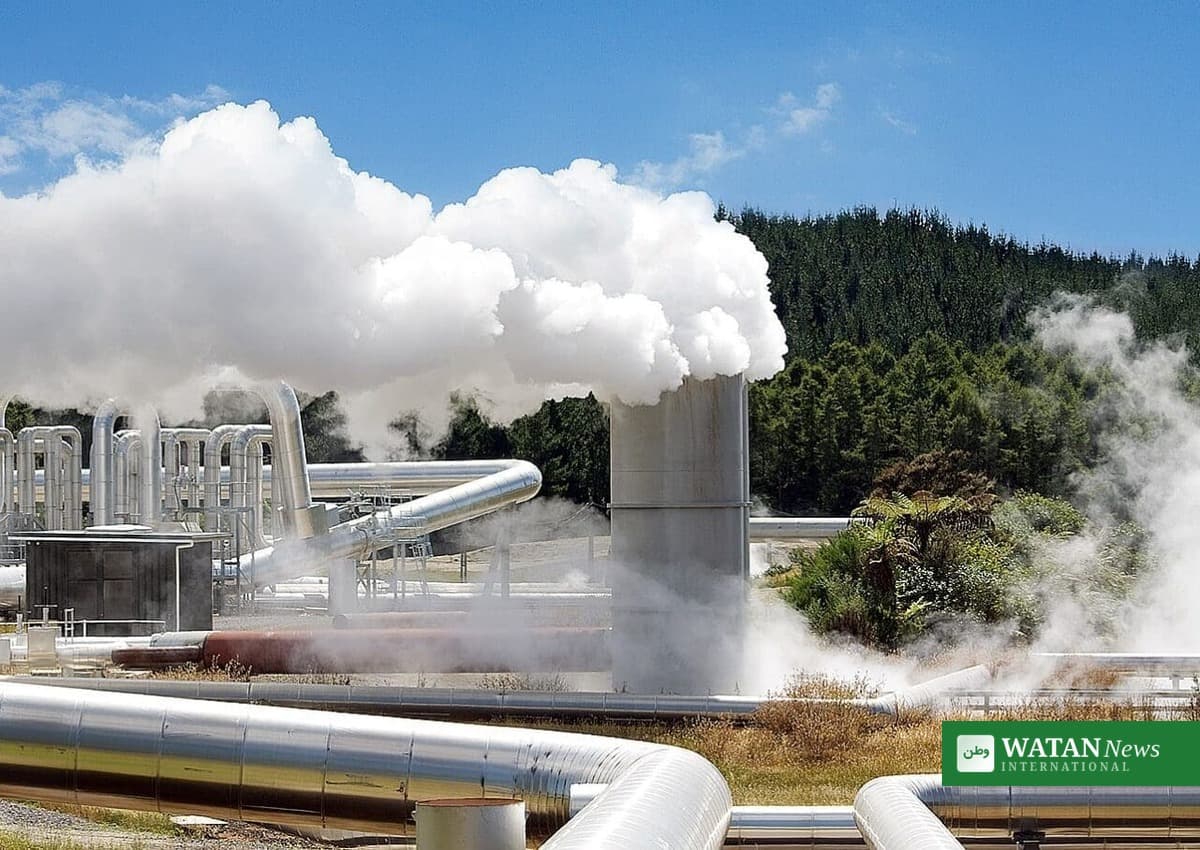
ANTALYA: More than 50 countries have backed the COP31 Global Geothermal Ambition 2050, the COP31 Presidency said on Monday, behind a collective goal to scale geothermal energy supply for power and heat to 12 times 2025 levels by 2050.
The Ambition was launched on 10 November by Türkiye’s COP31 Presidency in collaboration with the International Renewable Energy Agency (IRENA), and the Presidency said the backing had arrived within the first week of the conference through direct national endorsements and the European Union’s endorsement. Watan News reported the launch plans on 8 November; this story reports the outcome — the pledge now has the weight of more than 50 countries behind it, and the focus has shifted to turning it into investment, partnerships and operating projects.
What the ambition promises
The goal is collective and worldwide: geothermal power and heat together should reach 12 times their 2025 level by 2050, with each country’s contribution reflecting its own resources and capabilities. It builds on IRENA’s World Energy Transition Outlook 2026: 1.5°C Pathway, which sees total primary geothermal supply for heat and power rising from around 2.5 exajoules today to around 31 exajoules by 2050, and global geothermal power capacity growing from 15.6 gigawatts in 2025 to 193 gigawatts over the same period. Current installed geothermal power capacity worldwide stands at about 17,479 megawatts, according to industry tracker ThinkGeoEnergy.
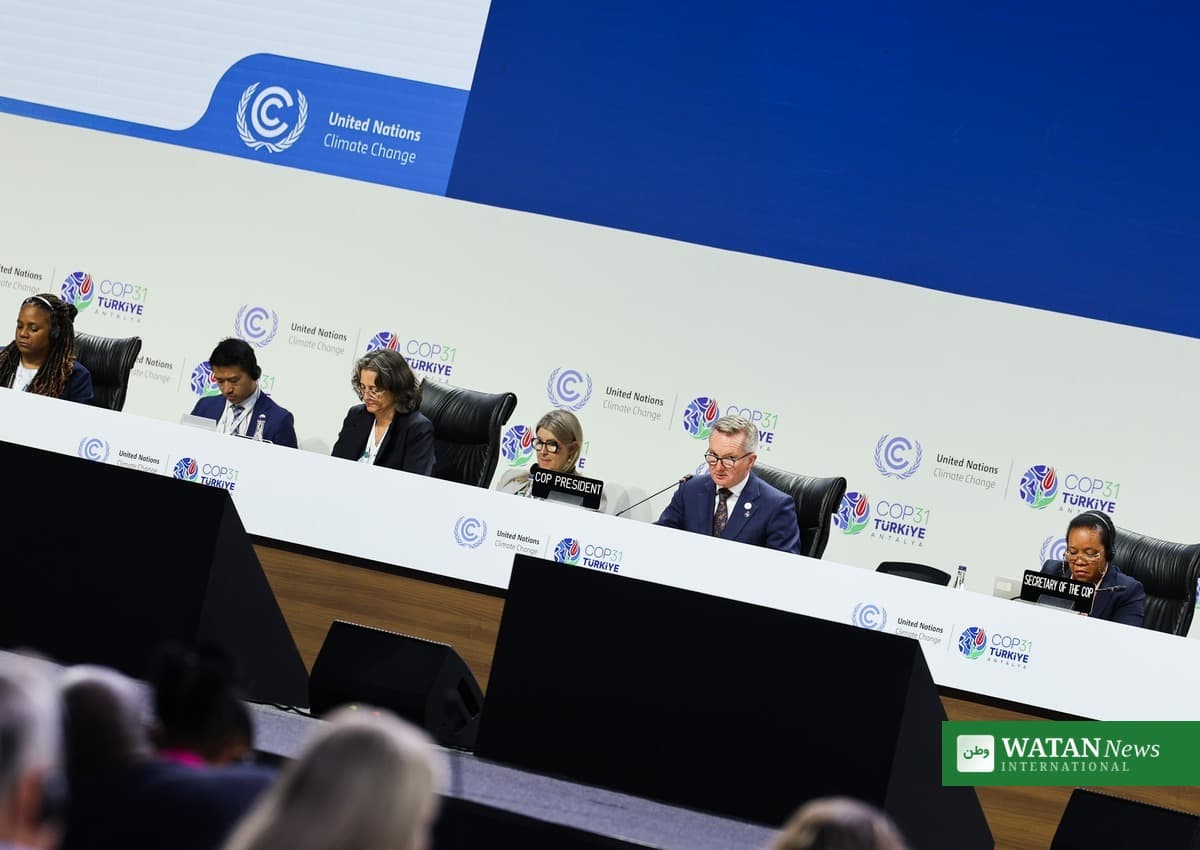
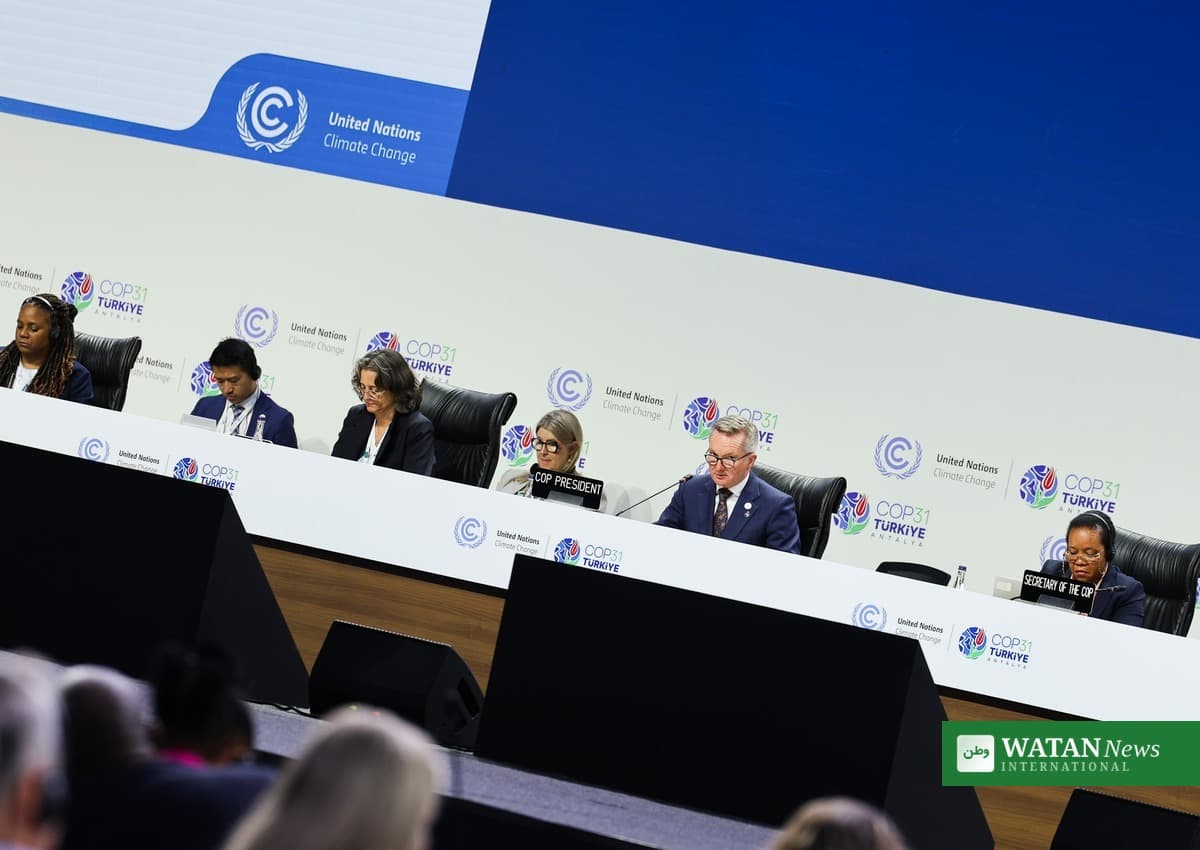
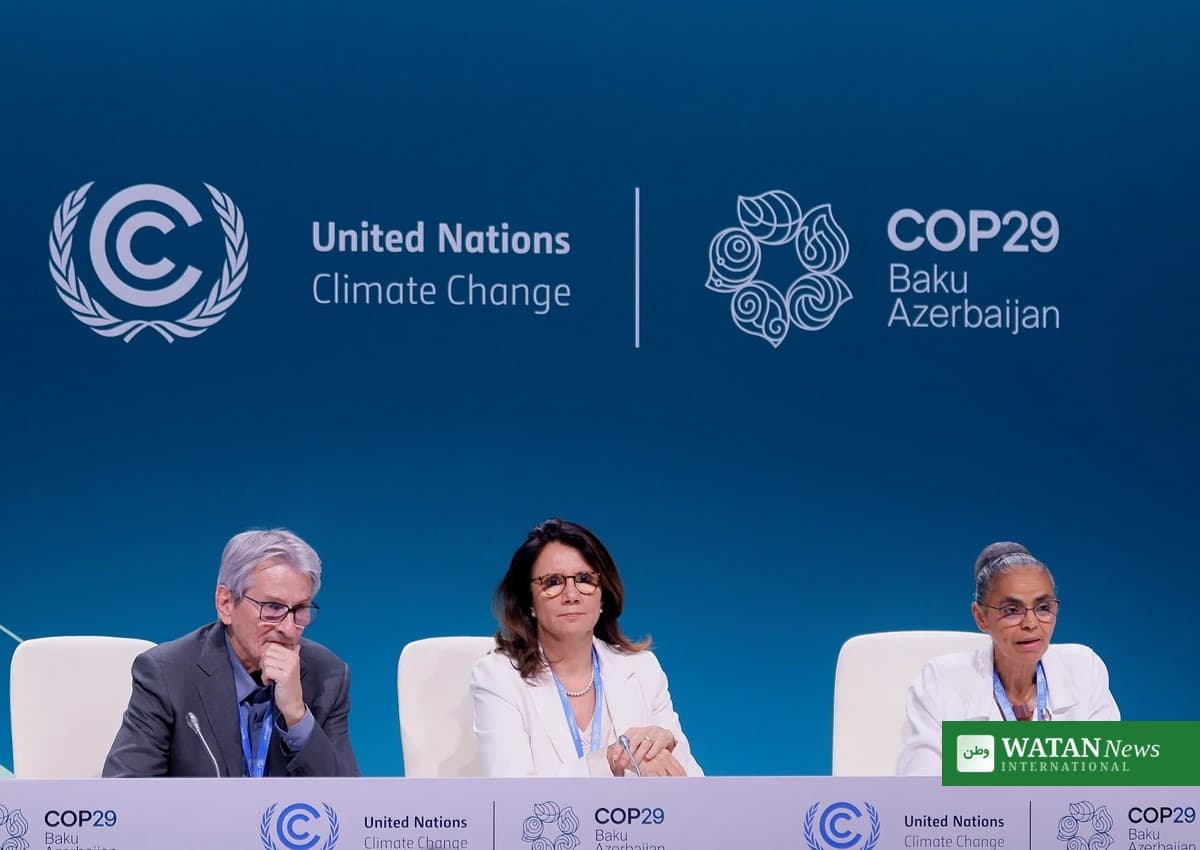
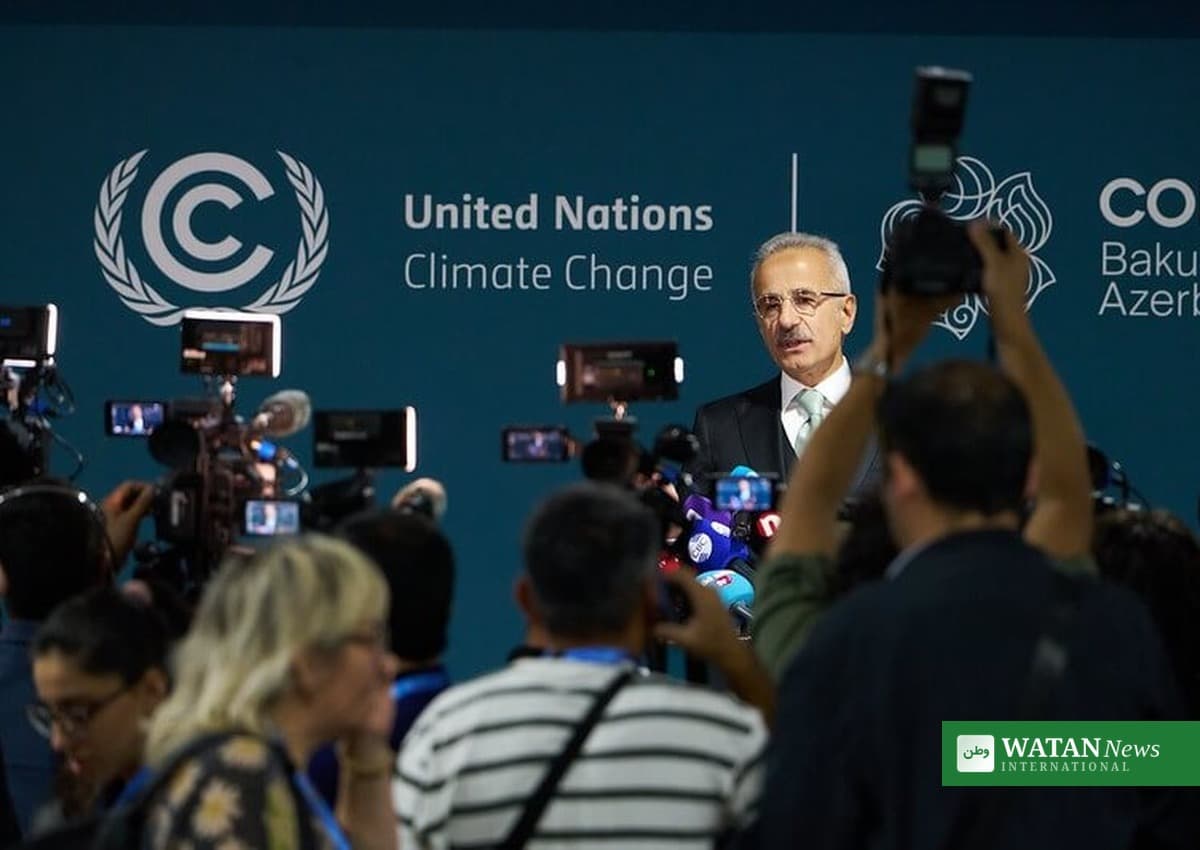
The launch took place at a ministerial roundtable in Antalya on 10 November, with opening remarks by IRENA Director-General Francesco La Camera, a keynote by Türkiye’s Energy and Natural Resources Minister Alparslan Bayraktar, and a keynote by European Commissioner for Energy and Housing Dan Jørgensen, whose announcement of the European Union’s endorsement came the same day. The panel, moderated by Kolbrún Ragna Ragnarsdóttir from IRENA, included Türkiye’s Deputy Energy Minister Nevzat Şatıroğlu and Dominica’s energy minister Vince Henderson, alongside representatives of Indonesia, Iceland, the European External Action Service, Baker Hughes and GIZ.
“Geothermal has much more to contribute to the energy transition than its current deployment suggests, but attracting investment also requires clear policies and support to manage early project risks,” said La Camera. “IRENA is pleased to collaborate with the COP31 Presidency in launching this Global Ambition, and I am confident that it can help give geothermal greater priority in energy planning, bringing more countries and investors into its development.”
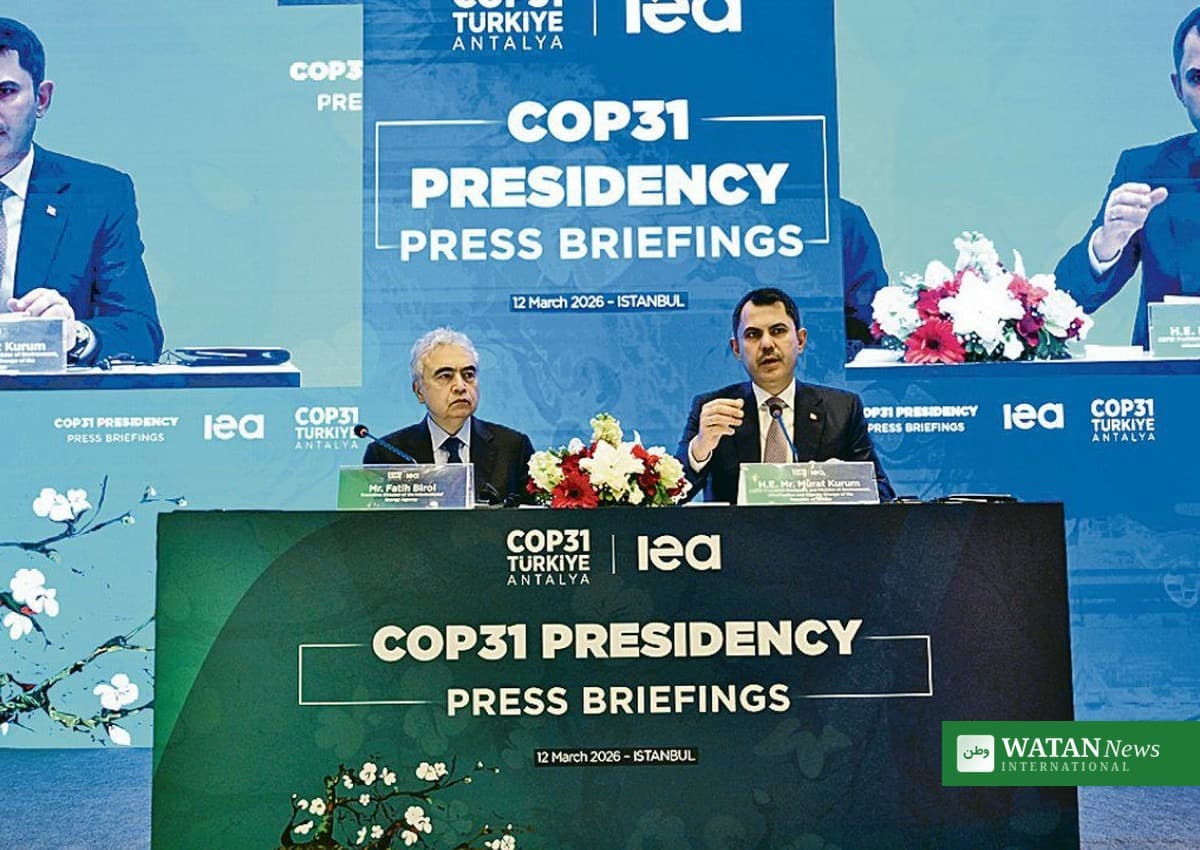
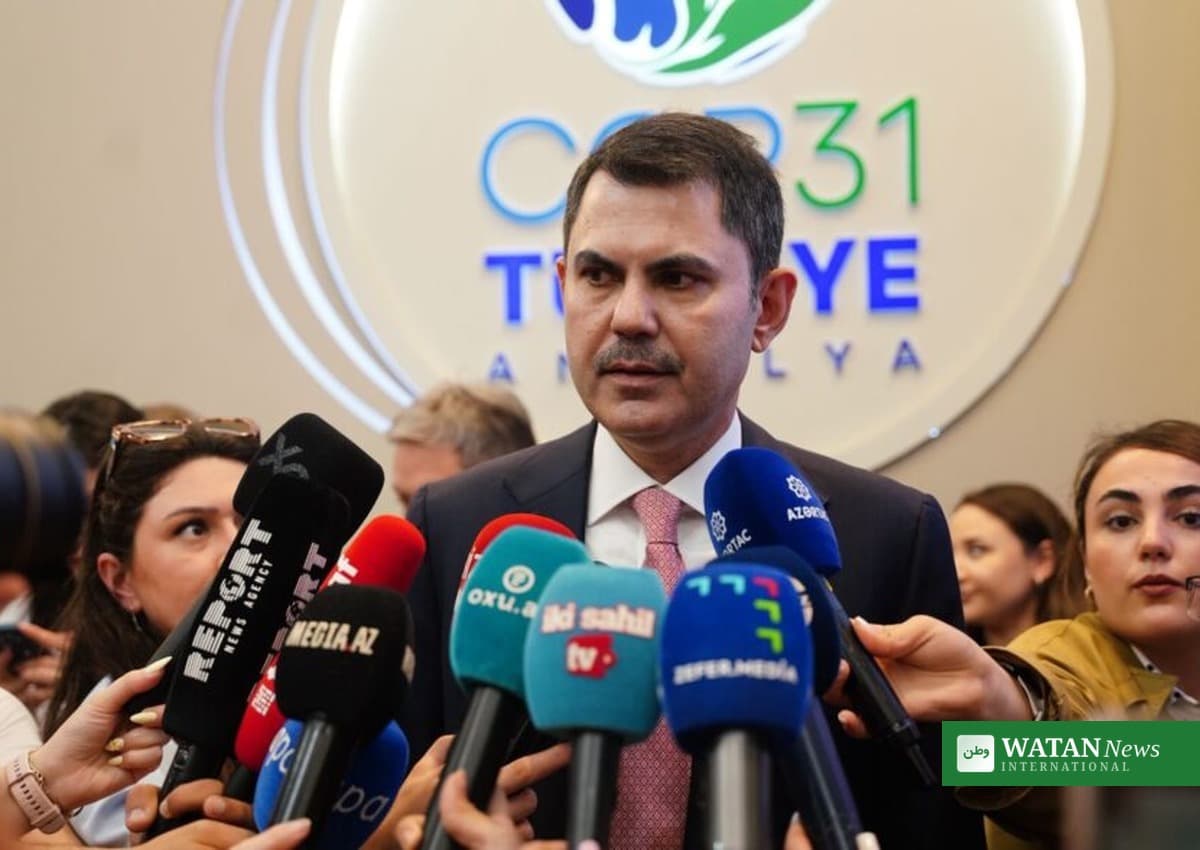
Jørgensen said geothermal energy “has a key role to play in strengthening Europe’s energy security, competitiveness and resilience.” COP31 President Murat Kurum called the Ambition “an important part of our vision for an implementation COP”, adding: “With more than 50 countries now backing this pledge, our task is to turn momentum into investment, partnerships and projects.”
Why geothermal, and why now
Geothermal can supply dependable renewable power and heat around the clock, reducing dependence on fossil fuels while serving homes, industry and food production. Unlike wind and solar, it does not depend on the weather, which makes it valuable for balancing electricity systems as their share of variable renewables grows. Advances in drilling and next-generation technologies can extend these opportunities to more countries, and growing demand from data centres — including those supporting artificial intelligence — creates new opportunities for dependable, around-the-clock geothermal power.
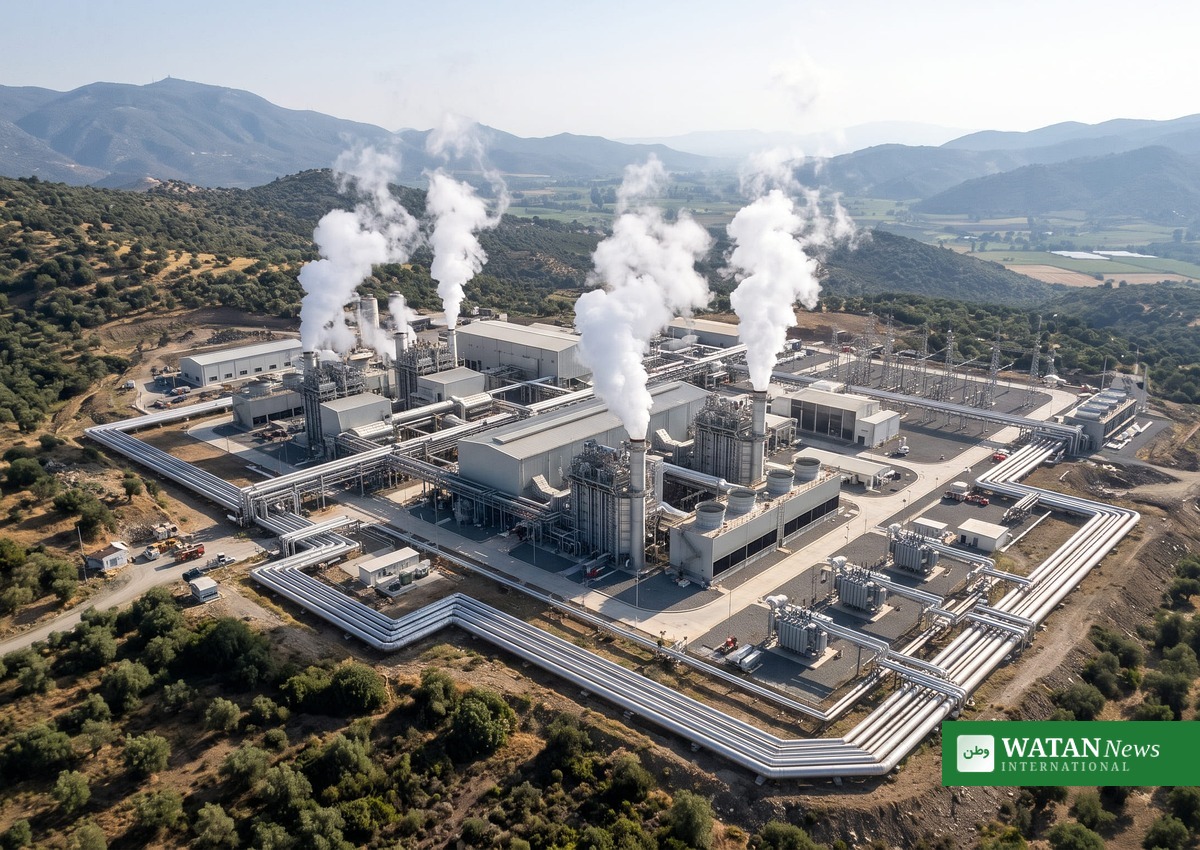
Türkiye, the COP31 host, is itself one of the world’s geothermal leaders, with 1,797 megawatts of installed geothermal power capacity at the end of 2025 — fourth in the world and first in Europe. Bayraktar highlighted his country’s experience in geothermal electricity, district heating, greenhouse cultivation and thermal tourism, and invited international partners to join Türkiye in delivering the goal. “We can turn this underground source into a greater energy production opportunity, more secure energy supplies and stronger economies,” he said.
From backing to building
Delivering the Ambition means reducing the time, cost and risk of developing geothermal power and heat projects. Governments can streamline permitting and coordinate approvals, while public and private finance partners can share exploration risk and improve access to affordable finance. Cooperation across government, industry and research can help adapt oil and gas expertise in subsurface assessment and drilling to improve project design and lower costs.
The Presidency’s delivery plan also calls for demonstrating next-generation technologies, strengthening supply chains and training workers, and for international technical assistance to support resource assessment and project preparation, particularly in developing economies. A proposed Geothermal Industry Advisory Panel within the Global Geothermal Alliance, coordinated by IRENA, would help connect country priorities with industry expertise and finance, and participants will agree a way to review collective progress using existing analytical and reporting processes, including those of IRENA.
Development should respect the environment and the rights of affected communities, with meaningful participation and local economic benefits, the Presidency said. The Ambition is voluntary: delivery should reflect each country’s resources and energy needs, whether through electricity generation, heating, cooling or other direct uses, and faster technological progress could create opportunities to go beyond the collective goal.
Part of COP31’s renewables push
The geothermal backing is one of several renewable-energy signals from COP31’s first week. United Nations Secretary-General António Guterres told the Leaders’ Summit that the world is moving “far too slowly” and urged a tripling of renewable energy capacity by 2035, based on 2025 levels. The COP31 Presidency’s “35 by 35” electrification goal aims to raise electricity’s share of global final energy use from about 23 percent today to 35 percent by 2035, and the 10by30 initiative launched on 13 November aims to mobilise at least $10 billion for clean energy in emerging markets by 2030.
On the same day, the wind industry issued its own COP31 declaration: the Global Wind Declaration for Powering the Future, from the Global Wind Energy Council and the Turkish Wind Energy Association, sets out a pathway to triple or even quadruple wind power capacity over the next decade — reaching 2 terawatts by 2029 and 3 terawatts by 2035, and potentially 4 terawatts by 2035 with stronger government support. The geothermal pledge adds the heat dimension that wind and solar cannot provide on their own: power and warmth from beneath the ground, available day and night. With ministers now taking over the negotiations in COP31’s final week, the test for every pledge made in Antalya is the same — whether the backing announced this week becomes projects, permits and power on the ground.
Key facts
- The goal: scale global geothermal energy supply for power and heat to 12 times 2025 levels by 2050.
- The backing: more than 50 countries, according to the COP31 Presidency on 16 November 2026, through direct national endorsements and the European Union’s endorsement, announced 10 November.
- Launched: 10 November 2026 at a ministerial roundtable in Antalya, by Türkiye’s COP31 Presidency with IRENA.
- The scale, per IRENA’s 1.5°C pathway: primary geothermal supply from about 2.5 exajoules in 2025 to about 31 exajoules in 2050; power capacity from 15.6 gigawatts to 193 gigawatts. Current installed capacity worldwide: about 17,479 megawatts.
- Türkiye: 1,797 megawatts of geothermal power capacity at end-2025 — fourth in the world, first in Europe.
- Delivery: streamlined permitting, shared exploration risk, affordable finance, next-generation technology demonstration, workforce training, and a proposed Geothermal Industry Advisory Panel within the Global Geothermal Alliance, coordinated by IRENA.
- Voluntary: the Ambition is a collective, voluntary pledge; contributions reflect national circumstances and capabilities.