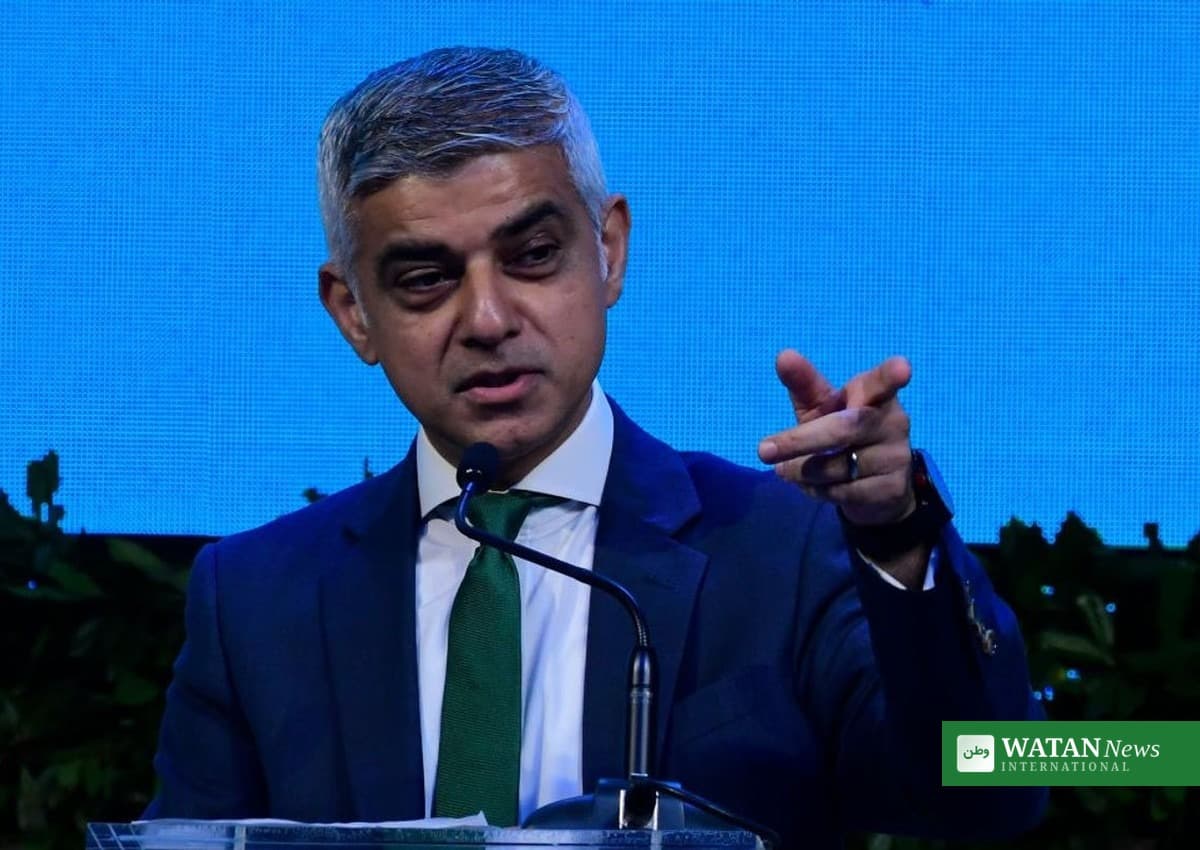
Israeli opposition leader Yair Lapid on Monday accused caretaker Prime Minister Benjamin Netanyahu of attempting a coup, saying new reports about police action against Arab political activists on election day pointed to something far more serious than interference with voting. The accusation followed an investigative report by Israel’s Channel 12, broadcast on Sunday, which described security operations targeting Arab activists and an attempt to monitor the phones of five Arab Knesset members. Netanyahu’s Likud party rejected the allegations.
FAKTA
- Accusation: Lapid and Joint List leader Yousef Jabareen said on 16 November 2026 that the reported actions amounted to an “attempted coup”.
- Report: Channel 12 said Netanyahu’s chief of staff Ido Norden complained to police about Raam activists on the eve of the 27 October election.
- Arrests: Three Raam members were arrested on information from a purported intelligence source; police later released them after finding it unfounded.
- Wiretaps: Shin Bet chief David Zini sought permission to tap five Arab lawmakers’ phones; Attorney General Gali Baharav-Miara refused for lack of evidence.
- Election: Netanyahu’s bloc won 53 seats, Gadi Eisenkot’s camp 48, and the Arab parties a record 19 of 120; no side reached the 61 needed for a majority.
- Response: Likud denied the allegations; opposition leaders demanded an immediate investigation.
What the report described
According to Channel 12, Norden called the police commissioner’s office before the vote to complain about Raam activists, then pointed officers to an intelligence source described as a former employee of the prime minister’s office. Police used it to arrest three Raam members and search homes; the three were later freed when police found the material baseless. Haaretz separately reported that Shin Bet chief David Zini had asked to wiretap Joint List leaders on election day, but the attorney general refused for lack of evidence.
Why the Arab parties hold the balance
The dispute comes as the Arab parties have become decisive in forming a government. In the 27 October election, the Joint List and Raam together won a record 19 seats, leaving neither Netanyahu’s bloc (53) nor the camp led by former military chief Gadi Eisenkot (48) able to command a majority in the 120-seat Knesset. Netanyahu later accused the Arab parties of electoral fraud. President Isaac Herzog has asked Eisenkot to try to form the next government, and the two Arab parties have signalled a willingness to support him.
Investigation demanded, allegations denied
Lapid wrote on X: “As more and more details come to light, it becomes clear: this wasn’t an attempt to disrupt the elections. It was an attempted coup.” Jabareen said that, if confirmed, the findings showed a criminal mechanism at the heart of government aimed at rigging the result. Eisenkot demanded an immediate investigation, and Raam’s Yoav Segalovitz called for an urgent, independent criminal inquiry. Likud denied the allegations. The claims have not been established by any independent criminal investigation, and the affair is likely to deepen the uncertainty over forming Israel’s next government. Further updates will appear on Watan News.