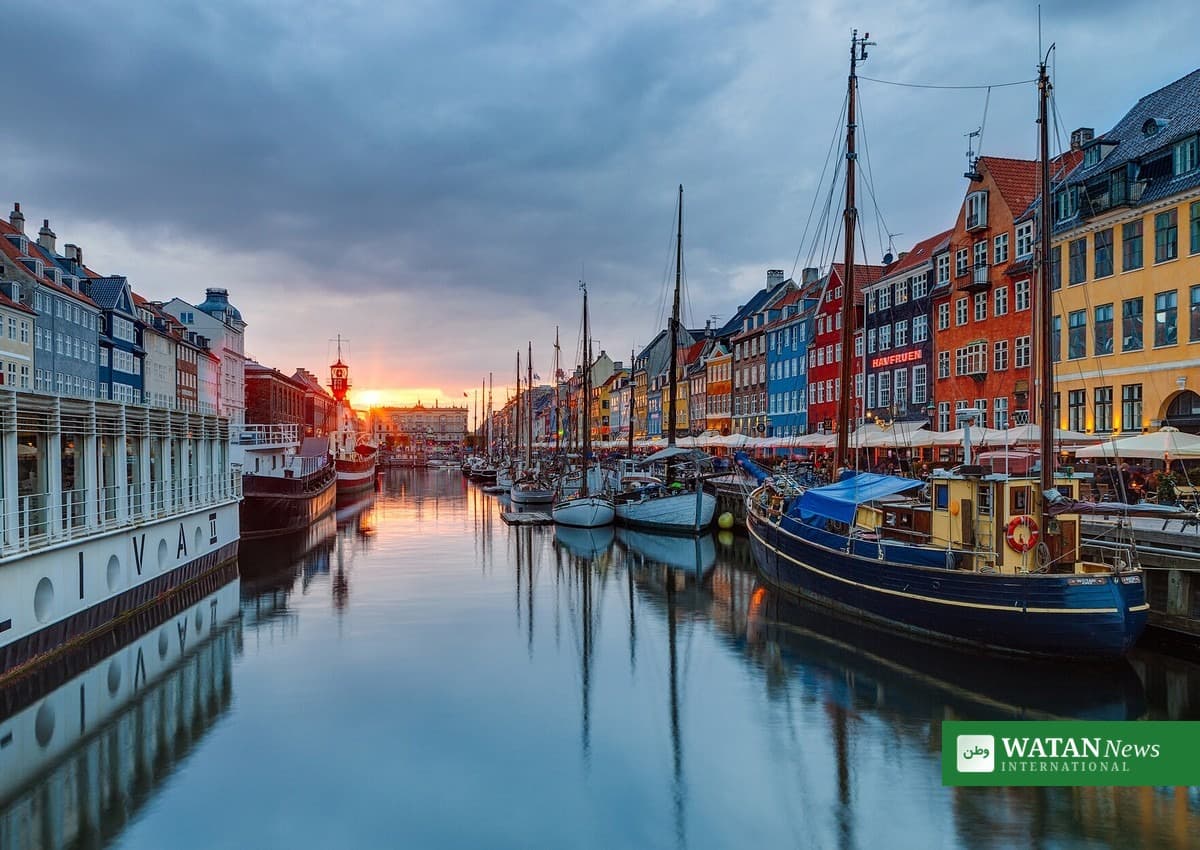
COPENHAGEN — Denmark’s economy grew by 0.8 percent in the third quarter of 2026, Statistics Denmark reported on Friday, 20 November, as strong pharmaceutical exports and higher public spending kept growth going while households and many businesses still felt the drag of higher interest rates.
Read this story on Watan News: Denmark’s Economy Grows 0.8% in Third Quarter, Statistics Denmark Reports
FAKTA
- Gross domestic product advanced 0.8 percent quarter-on-quarter in the third quarter of 2026, according to flash data from Statistics Denmark published on 20 November 2026.
- GDP stood at DKK 708 billion in 2020 prices (chain figures).
- Excluding the pharmaceutical industry, the rest of the economy grew by 2.9 percent.
- Household consumption rose 0.4 percent, public consumption rose 2.5 percent, and gross fixed capital formation fell 1.0 percent.
- Exports of goods and services grew 2.2 percent, while imports rose 0.6 percent.
- Over the first nine months of 2026, the economy expanded 4.6 percent compared with the same period last year.
- Consumer confidence fell to -19.3 in November, a six-month low, from -17.2 in October.
- The European Commission forecasts Danish growth of 4.5 percent in 2026, slowing to around 2 percent in 2027.
Denmark economy grows at a steady pace
The 0.8 percent quarterly rise matched the pace of the second quarter, once revised figures are taken into account. Second-quarter growth was first reported at 0.9 percent and has since been revised down to 0.8 percent. Growth in the first quarter of 2026 was 1.1 percent.
The headline figure keeps Denmark among the fastest-growing economies in the European Union this year, even as growth elsewhere in the bloc remains weak. The European Commission’s autumn forecast puts Danish growth at 4.5 percent for 2026 as a whole, the highest rate in the EU, before moderating to around 2 percent in 2027 and 2028.
Pharmaceutical exports drive the expansion
Industry and the public sector were the main contributors to growth in the third quarter. Pharmaceutical sales continued to power Danish exports, alongside machinery and tourism revenues, lifting total exports of goods and services by 2.2 percent.
The reliance on medicines is striking: excluding the pharmaceutical industry, the rest of the economy still grew by 2.9 percent, but the headline figures are heavily shaped by drug exports. Economists note that higher interest rates are holding back several other parts of the economy, so the strong national figures are not felt evenly by businesses and households.
Households spend a little more, but confidence falls
Household consumption rose by 0.4 percent in the third quarter, while public consumption — which includes defence spending — increased by 2.5 percent. Investment, by contrast, fell 1.0 percent, a sign that businesses remain cautious about spending on new equipment and buildings.
Consumers also grew more pessimistic in November. The consumer confidence index weakened to -19.3, its lowest level in six months, from -17.2 in October. Households’ view of their own finances over the next year turned slightly more negative, falling to -6.1 from -5.9, while their view of the country’s general economic situation over the next twelve months dropped to -28.7 from -26.1.
What the figures mean for the year ahead
The third-quarter figures support the picture of an economy growing briskly on paper while parts of it struggle. Danmarks Nationalbank projected in September that GDP would grow by 4.0 percent this year, 2.3 percent in 2027 and 2.0 percent in 2028, with inflation expected at 1.7 percent this year.
Whether the momentum holds will depend on pharmaceutical exports staying strong, on investment recovering from its third-quarter fall, and on households regaining confidence as interest rates ease. For now, the flash figures show an economy still expanding — but one whose growth is concentrated in a few sectors.
| Indicator | Third quarter 2026 |
|---|---|
| GDP, quarter-on-quarter | +0.8% |
| Household consumption | +0.4% |
| Public consumption | +2.5% |
| Gross fixed capital formation (investment) | -1.0% |
| Exports of goods and services | +2.2% |
| Imports of goods and services | +0.6% |
| Consumer confidence (November) | -19.3 (from -17.2 in October) |
| GDP, first nine months of 2026 vs 2025 | +4.6% |
Conclusion
Denmark’s economy grew 0.8 percent in the third quarter, the same revised pace as the second quarter, with pharmaceutical exports and public spending doing most of the work. Growth over the first nine months of the year reached 4.6 percent, and the European Commission expects Denmark to lead the EU with 4.5 percent growth for 2026. Yet falling consumer confidence and weak investment show that the headline strength is not shared across the whole economy — a split that will shape the outlook for 2027.
Related Articles
- Denmark’s 2027 Budget Proposal: Tax Cuts, Free Transport for Under-22s, Defence at 3.5% of GDP
- COP31: Eleven Countries Unveil Fossil Fuel Phase-Out Roadmaps as Denmark Leads the Way
- Danish Youth Bring Global Manifesto Film to COP31 as Youth Week Builds to Children and Youth Day
- Denmark Moves to Let Teachers Use Physical Force on Disruptive Pupils