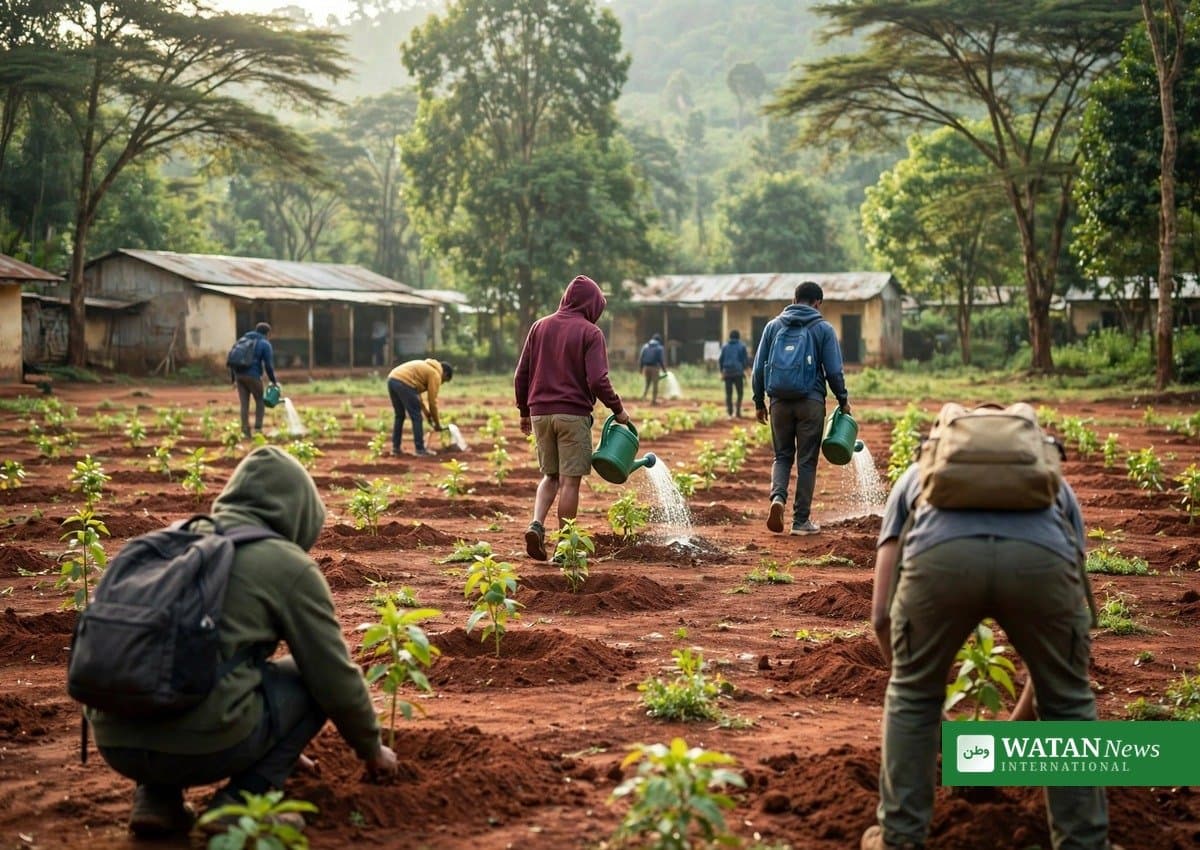
KAMPALA, Uganda — Children from three East African countries have handed their own climate declaration to the East African Community (EAC), telling regional leaders that they live with the climate crisis every day — and then planted 5,000 trees to show what action looks like.
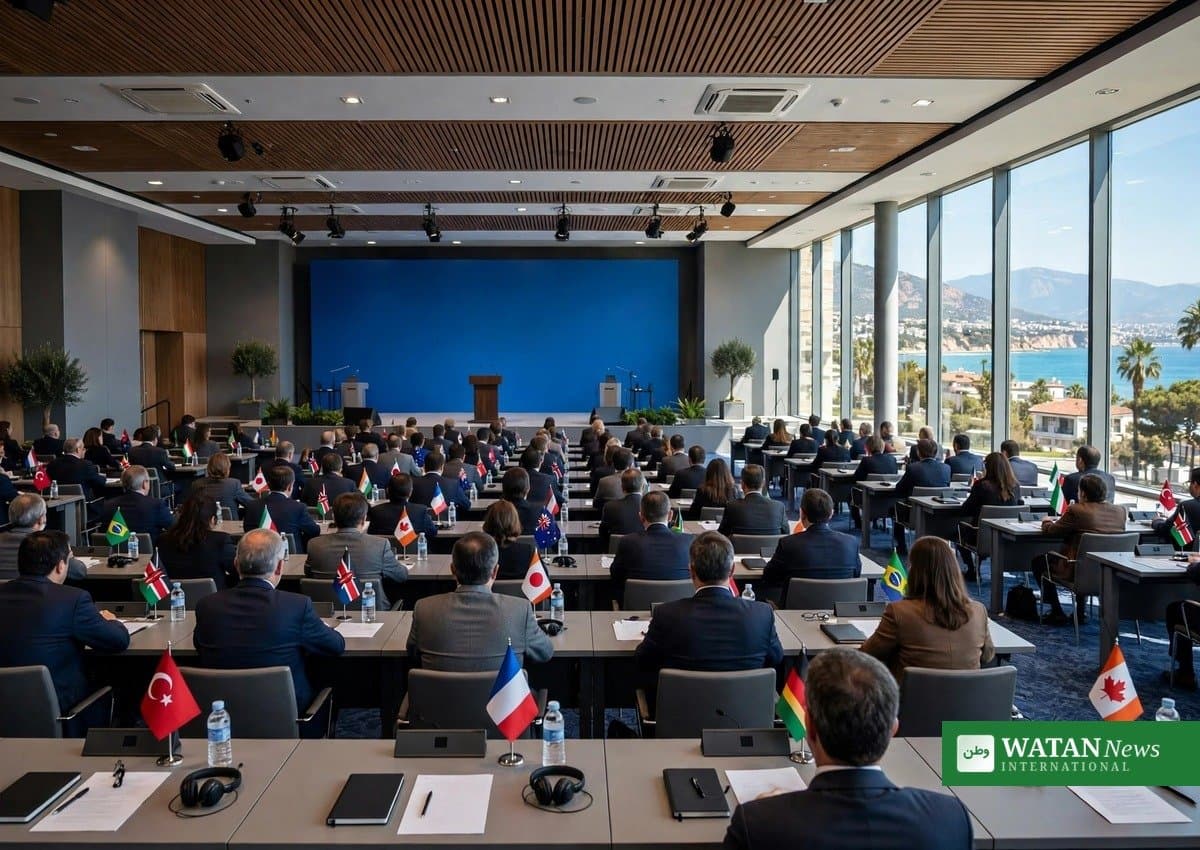
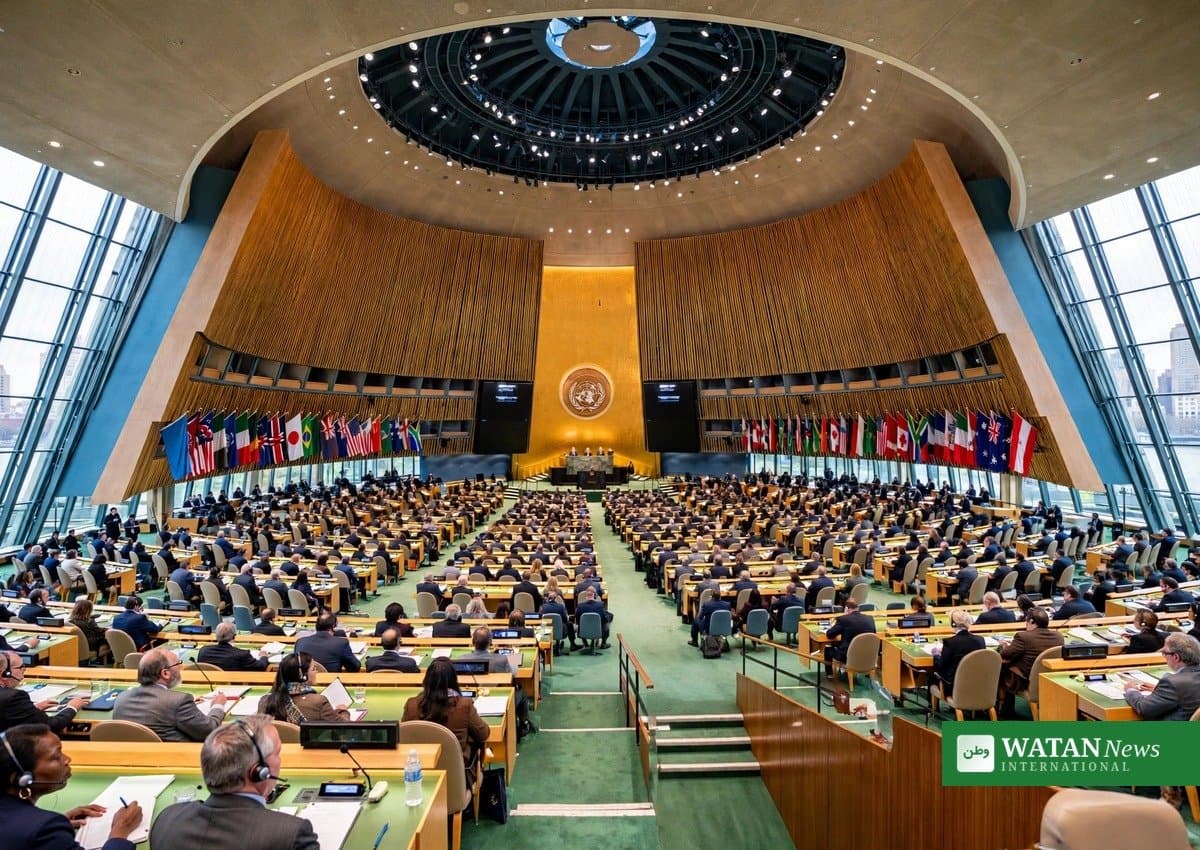
The first East African Community (EAC) Children’s Summit on Climate Change turned Uganda’s Parliament into a children’s chamber on Friday, 16 October 2026, under the theme “Children Leading East African Integration: Climate, Peace and Prosperity”. It was the first event of its kind in the region, and its message is now travelling from Kampala toward the EAC Council of Ministers — and, leaders promised, onward to the African Union and COP.
A first for the region
The summit was coordinated by the Movement for Community Led Development (MCLD) Uganda through its member Touch the Heart Uganda, led by Ian Kikomeko, which served as lead convener. Fellow conveners included Joining Forces Coalition Uganda, UNICEF Uganda, CEDOVIP, the Uganda Parliamentary Forum for Children and the Ministry of East African Community Affairs.
Children from Uganda, Kenya and Tanzania took part, building on consultations with children in all three countries. Organisers say children’s voices will move step by step: from country Local Conferences of Youth, to the EAC Summit, to regional platforms, and on to global platforms such as COP.
The EAC Children’s Climate Summit declaration
The day’s centrepiece was the handover of the Kampala Children’s EAC Declaration on Climate. Child representatives Nantaba Linete, Bwambale Aneyo Givaton and Precious Nguni presented it to the EAC Deputy Secretary General, Hon. Andrea Ariik Aguer Malueth, who received it for tabling before the EAC Council of Ministers.
The EAC Secretariat will also relay the declaration to the Sectoral Council on Environment and Natural Resources Management and to the Council of Ministers.
The declaration’s challenge to adults is direct: “Please tell us who will do what, by when and with what money, in words we can understand.”
Nine demands, from safe schools to climate money
The declaration asks the EAC to act on nine themes:
- Safe schools, safe water and early warnings in local languages
- Clean energy and healthy nature, including tree planting
- Hands-on climate learning and green skills
- A permanent children’s platform at the EAC
- Protection from child marriage, FGM, trafficking and child labour
- Technology and alerts that reach rural communities
- Laws that protect children
- Food for every child, including school meals
- Climate money that reaches children’s own projects
It also carries one ask for each country. Children in Tanzania call for the Marriage Act of 1971 to be amended before June 2027. Children in Kenya ask for priority support to Samburu, Turkana and Marsabit. Children in Uganda ask for a real role in early warning and anticipatory action.
What children told leaders: evidence from their own lives
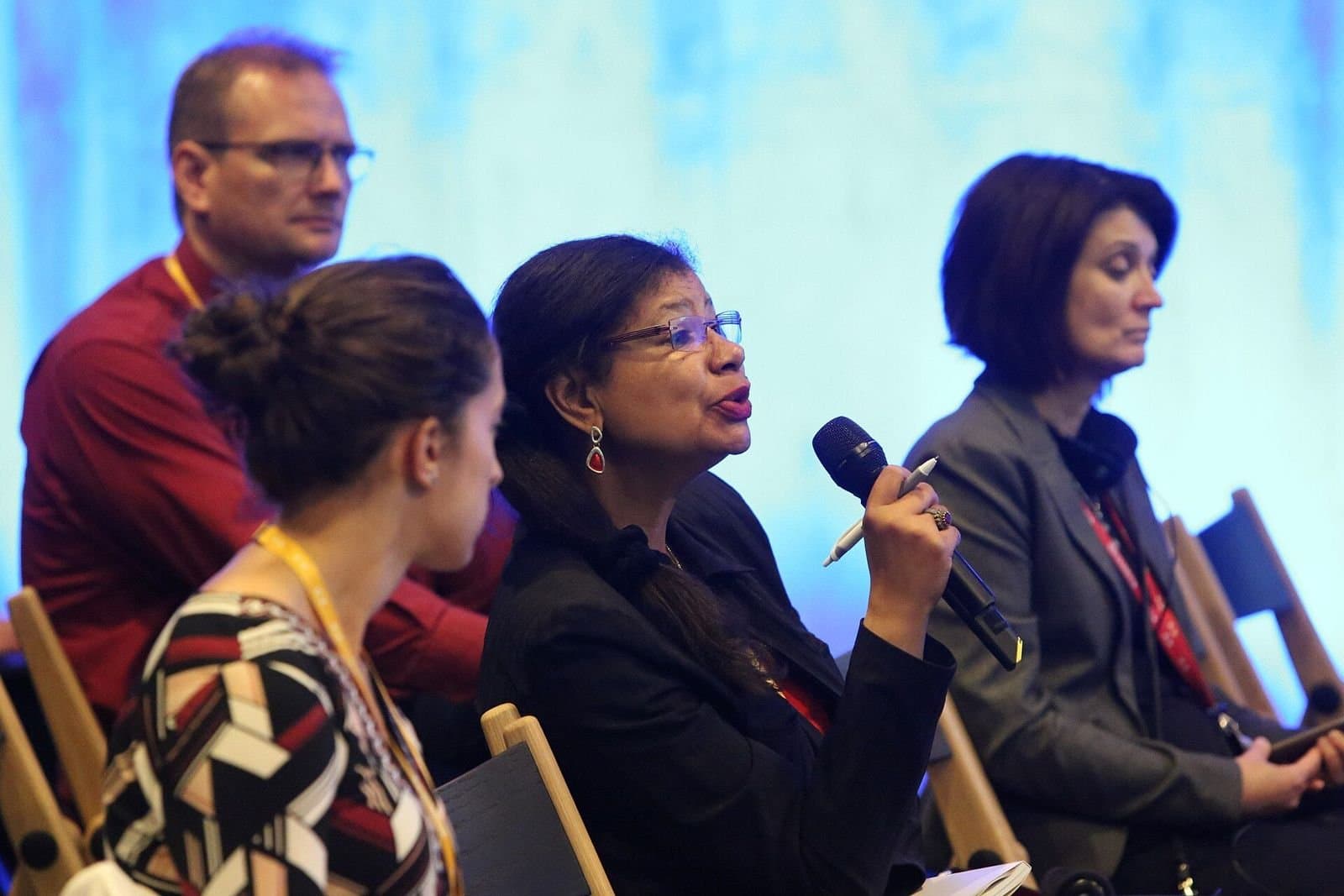
Youth panellists described floods in Kasese that wash away homes and classrooms, leaving children to walk up to four kilometres for clean water. On those long walks, girls face the risk of sexual violence, and waterborne diseases such as bilharzia are spreading. In northern Uganda, failed harvests push some families to marry off their daughters early to survive.
The Member of Parliament for Nakasongola described a four-month drought that has left children walking two kilometres to school without food or water.
They also came with answers. Panellist Precious Nguni pointed out that schools with dense tree cover survived heavy rains while others were damaged, and proposed a simple rule: plant three trees for every one cut. Other panellists called for alternative energy such as biogas, climate-resilient crops, swamp conservation and the “five Rs” of waste: refuse, reduce, reuse, recycle and return.
Leaders respond
Hon. Susan Abeja, Chairperson of the Uganda Parliamentary Forum for Children and Otuke District Woman MP, said the summit aimed at urging East African governments to meaningfully involve children in developing policies and interventions to address climate change. “Our position as the Forum is clear, children must not only be protected from the effects of climate change, they must be meaningfully involved in shaping the solutions,” she said, adding that children experience floods, droughts and other climate-related emergencies “despite having contributed the least to the causes of this crisis.”
Nakasongola County MP Hon. Ivan Kyeyune commended the organisers for involving children in climate-change discussions, saying elders had prioritised commercialised farming and factories in wetlands over environmental protection, while children suffer lack of water and food. He urged children to begin with practical action, including each planting at least five trees.
Lalit Patra, Chief of WASH, Environment and Climate Change at UNICEF Uganda, urged MPs to make commitments on climate change for implementation within their constituencies and to establish climate change-youth groups in their constituencies to sustain the initiatives beyond the summit.
Dr Flavia Byekwaso, representing the Ministry of Water and Environment, said the government must invest in climate-resilient schools and other public facilities while ensuring access to clean water and renewable energy, and that children must be consulted during the formulation of climate-change policies because they experience the effects of environmental degradation and will live longest with the consequences of decisions taken today.
A Government of Uganda speaker said climate policy must be judged by real improvements in children’s lives, pointing to the National Climate Change Act (2021) and Uganda’s updated national climate plan (NDC 3.0) as chances to put child rights at the centre.
Members of Parliament and East African Legislative Assembly representatives committed to carry the children’s message to the African Union and COP. They noted that a regional anti-FGM bill is advancing in the East African Legislative Assembly, and that bills on single-use plastics and climate change are under discussion.
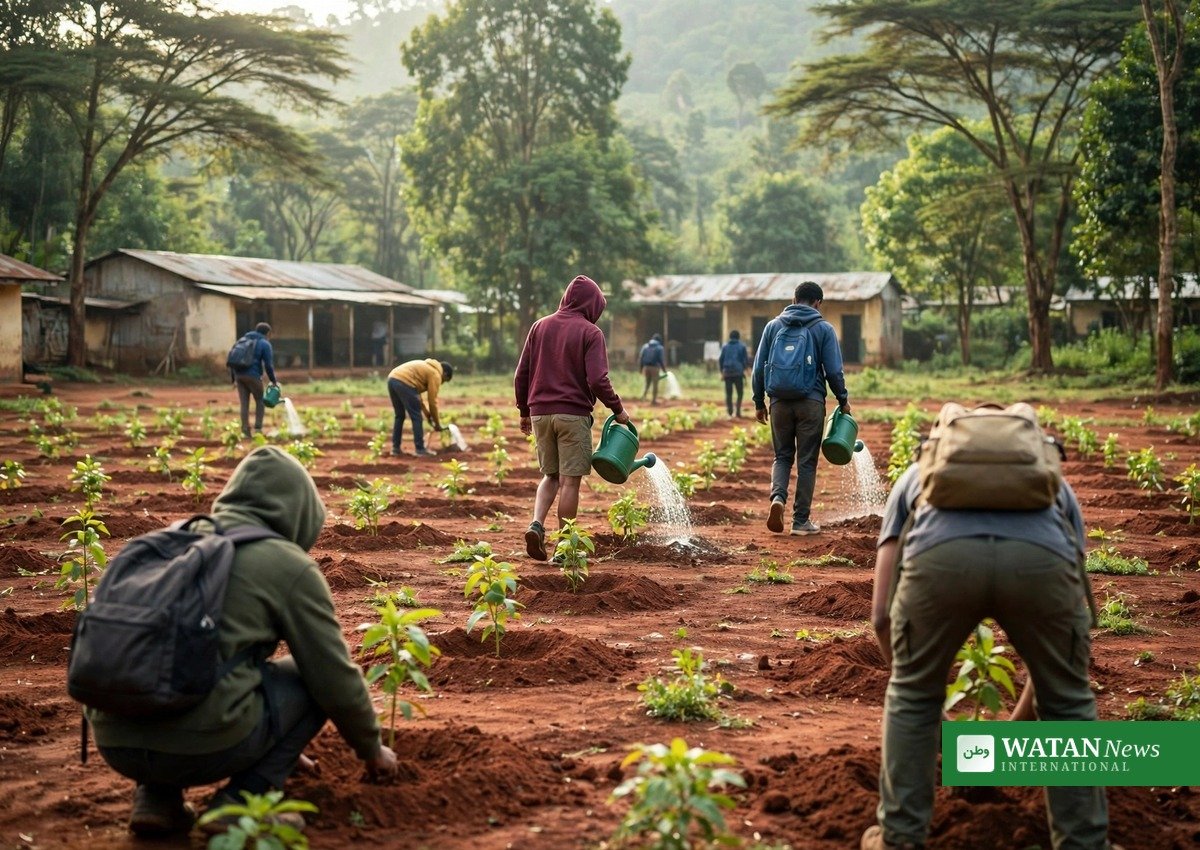
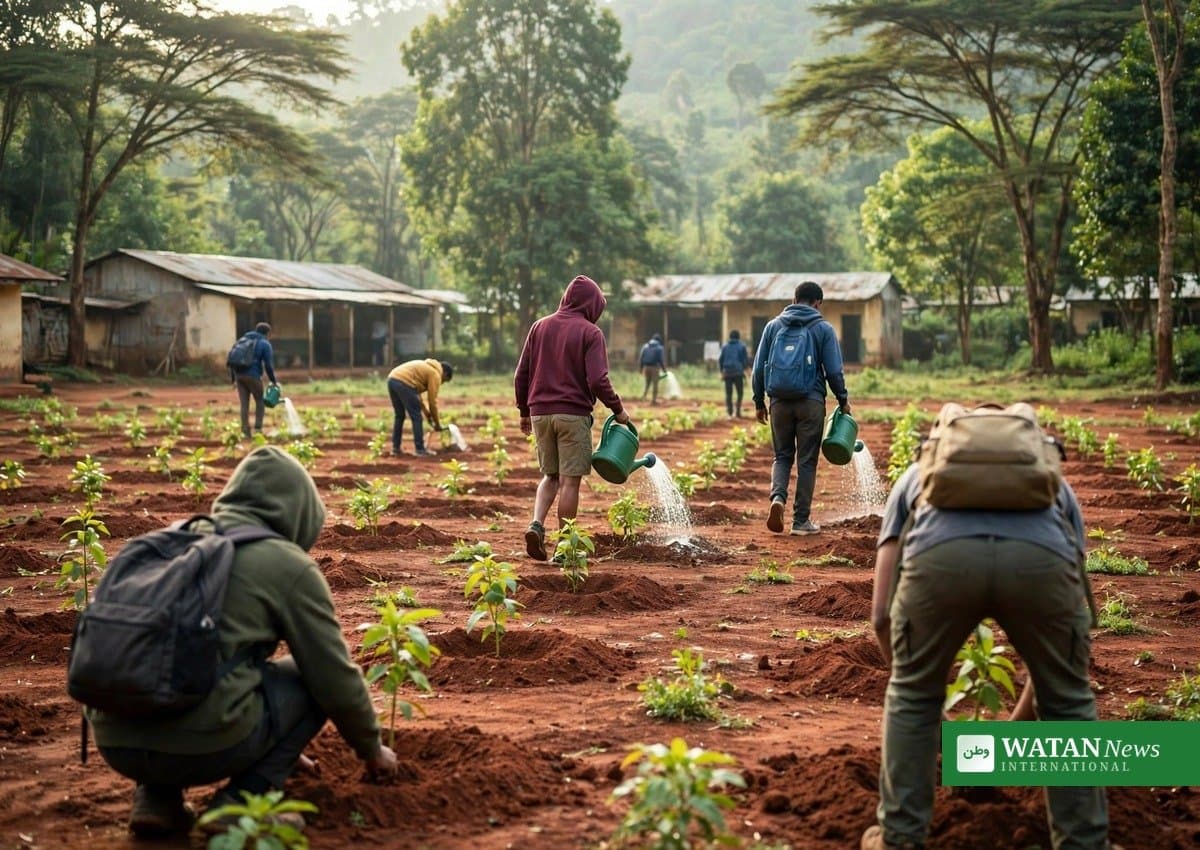
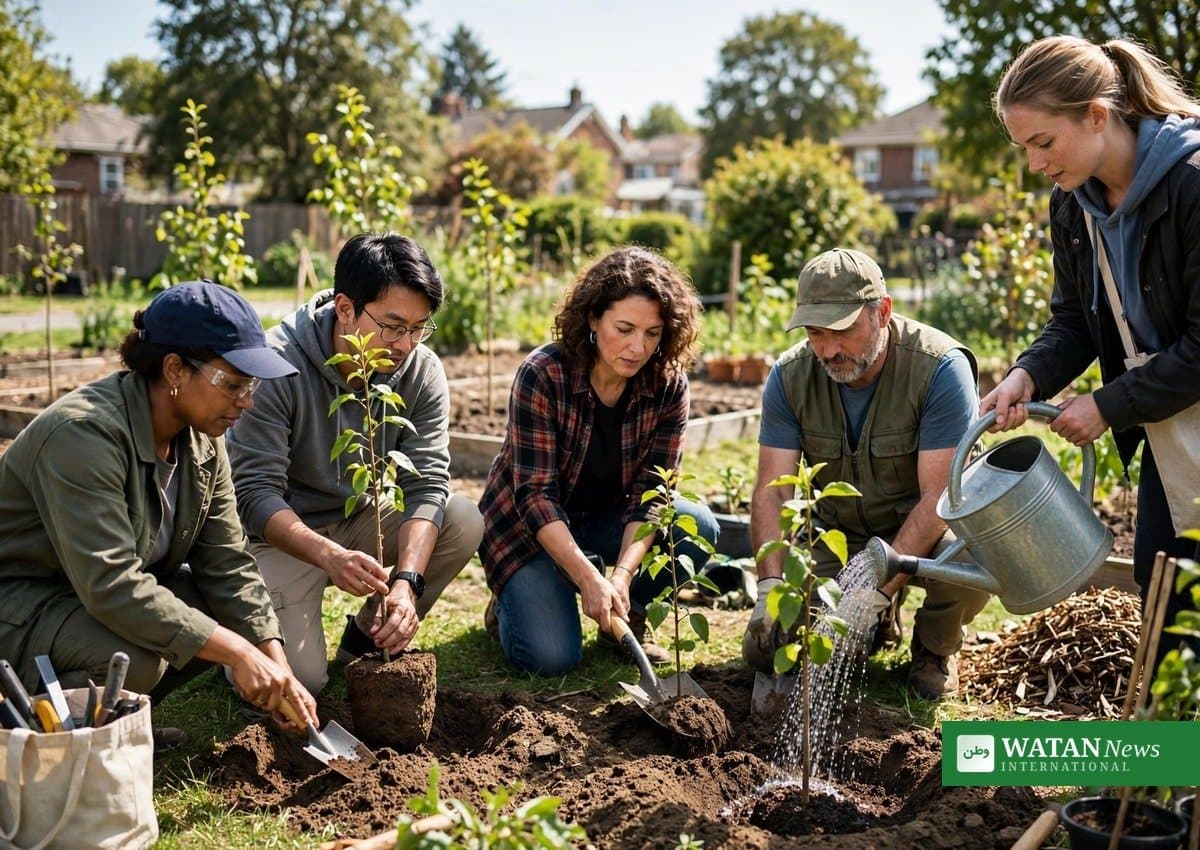
Young volunteers planting tree seedlings on a school ground. (Illustrative image)
From words to action: 5,000 trees
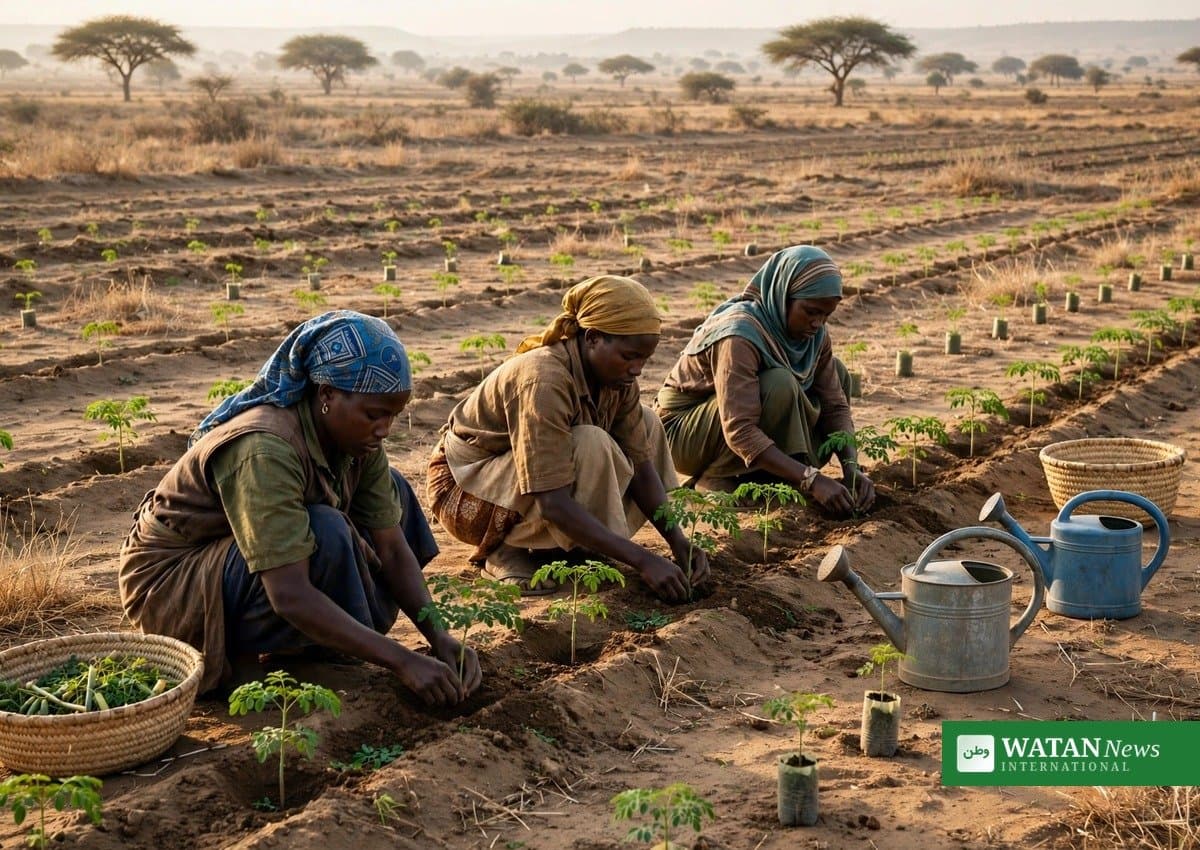
The summit did not end in the chamber. At the Climate Champions Weekend on Saturday, 17 October 2026, participants planted 5,000 trees at Forest High School in Kasanda District, answering the children’s call to “plant and protect trees” and leaders’ appeals for tree planting at home and in schools.
What comes next: a permanent place at the table
At a post-summit reflection with the Chief Guest, partners agreed the summit will become a regular part of the EAC calendar. Uganda will host the Second Summit in August 2027, after which hosting will rotate to other Partner States. A focal person at the EAC Secretariat’s Department of Social Affairs will support preparations, the EAC will write directly to responsible ministries in each Partner State, and support resource mobilisation for the next summit.
Organisers have also committed to start consultations earlier next year, so that children from every EAC Partner State — including Rwanda, Burundi, South Sudan, DRC and Somalia — can take part.
Young voices are also gathering on the road to COP31: the world’s largest youth climate conference, COY21, meets in Antalya on 5–7 November 2026, just before COP31 opens in the same city. Read Watan News’ coverage of the COY21 youth climate conference in Antalya.
The children closed with a promise: climate change hurts them, but they are ready to work with the EAC and their governments to find answers. Now it is up to leaders, partners and communities to show them who will act, what will change and when.
FAKTA: EAC Children’s Climate Summit at a glance
- What: 1st EAC Children’s Summit on Climate Change, the first event of its kind in the region.
- When: Friday, 16 October 2026, at the Parliament of Uganda, Kampala.
- Theme: “Children Leading East African Integration: Climate, Peace and Prosperity”.
- Who: Children from Uganda, Kenya and Tanzania; convened by MCLD Uganda through Touch the Heart Uganda.
- Outcome: The Kampala Children’s EAC Declaration on Climate, received by EAC Deputy Secretary General Hon. Andrea Ariik Aguer Malueth for the Council of Ministers.
- Action: 5,000 trees planted at Forest High School, Kasanda District, on 17 October 2026.
- Next: Second Summit in Uganda in August 2027, then rotation among Partner States.