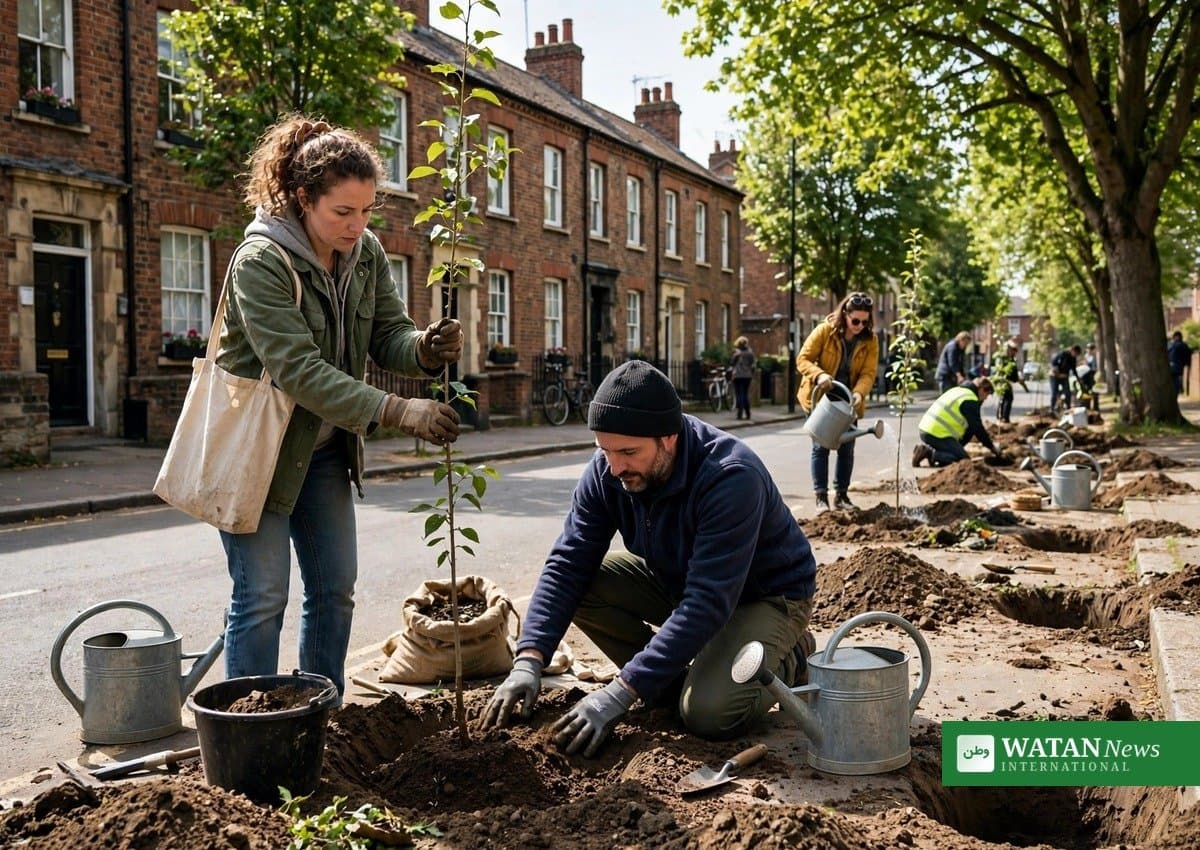
England is set for its biggest community tree-planting drive in years. The UK government will invest £53 million to plant up to 500,000 trees outside woodlands between April 2027 and March 2030, Environment Secretary Angela Eagle announced on 30 September 2026 — part of a £79 million package putting local communities at the heart of the country’s fight against extreme weather.
The trees will go in along streets, in parks and across rural landscapes — the places people use every day — as the government responds to a brutal summer of extreme heat and drought with nature-based solutions instead of concrete alone.
A £53 million Community Trees Fund
The Community Trees Fund will run for three years, from April 2027 to March 2030, and will pay for tree planting outside the government’s larger woodland creation schemes. According to the official announcement on GOV.UK, the money will be available to strategic authorities, local authorities, environmental organisations, farm clusters and National Park Authorities.
The stated aim is practical: put trees where people live and work, cooling towns and cities and boosting biodiversity. The government says the investment will also support progress towards its statutory tree-planting and nature targets, as well as net zero.
Cooling cities and cutting flood risk
The case for trees is spelled out in the government’s own figures. In cities, trees on streets can reduce air temperatures by as much as 4°C, making heatwaves more bearable. A single mature tree can intercept over 15,000 litres of rainwater a year, reducing flood and run-off risks during storms.
Trees also support biodiversity in nature-depleted urban areas by providing habitats for birds and other species, cut noise pollution, and are shown to improve residents’ mental and physical wellbeing, the government said.
£26 million for local nature recovery plans
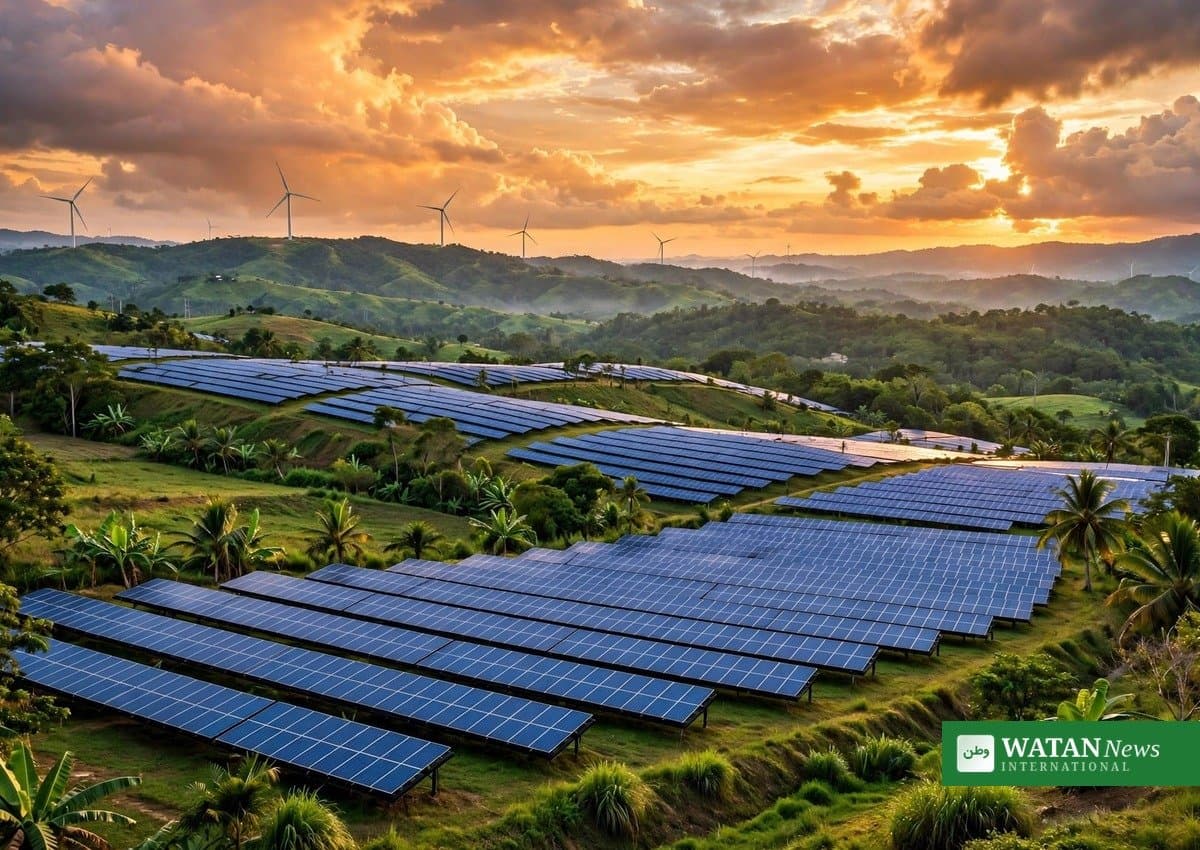
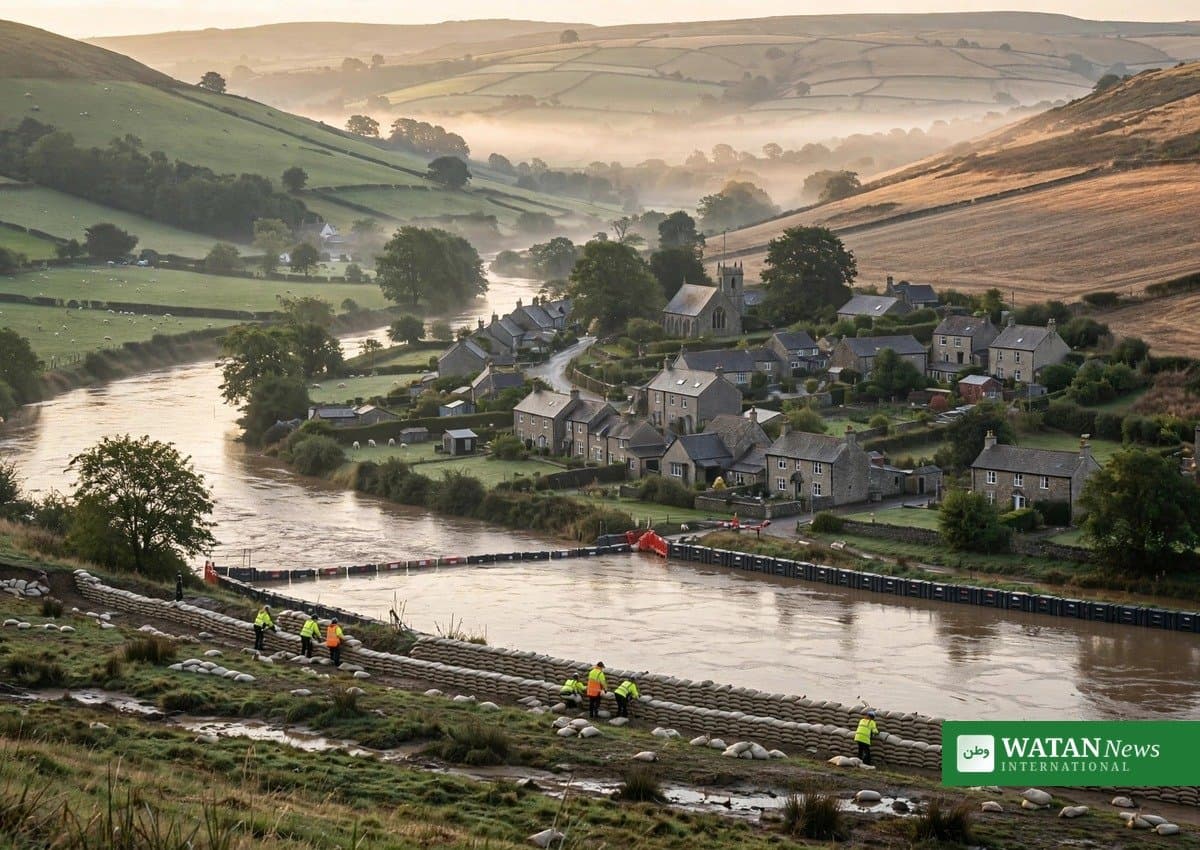
Alongside the trees, a further £26 million will go to mayors and local authorities to deliver Local Nature Recovery Strategies — community-owned plans that identify local priorities for environmental improvement, from restoring wetlands to reduce flood risk for homes and businesses, to planting trees to cool city streets during heatwaves, to adding vegetation along rivers to improve water quality.
The strategies are developed and published by 48 responsible authorities working with communities, farmers, businesses, planners and environmental groups, and now cover almost the whole of England. The government says they are already helping farmers align land management with schemes such as the Sustainable Farming Incentive and Countryside Stewardship — and will boost progress towards its international commitment to conserve and manage at least 30 per cent of land for nature by 2030.
FAKTA: the £79 million package at a glance
- £53 million Community Trees Fund — up to 500,000 trees planted outside woodlands, on streets, in parks and across rural landscapes, from April 2027 to March 2030.
- £26 million — for Local Nature Recovery Strategies run by 48 responsible authorities across almost all of England.
- Up to 4°C — how much street trees can cut air temperatures in cities during heatwaves, according to the government.
- 15,000+ litres — the rainwater one mature tree can intercept in a year, reducing flood risk.
- Announced 30 September 2026 — by Environment Secretary Angela Eagle; reported by The Guardian as the centrepiece of her speech to the Labour party conference in Liverpool.
Industry welcomes the money, warns on follow-through
The announcement has been welcomed by the tree and forestry sector — but with a warning attached. Industry coverage of the announcement noted that the investment must involve UK growers and that getting the trees established and looked after, not just planted, should be the priority.
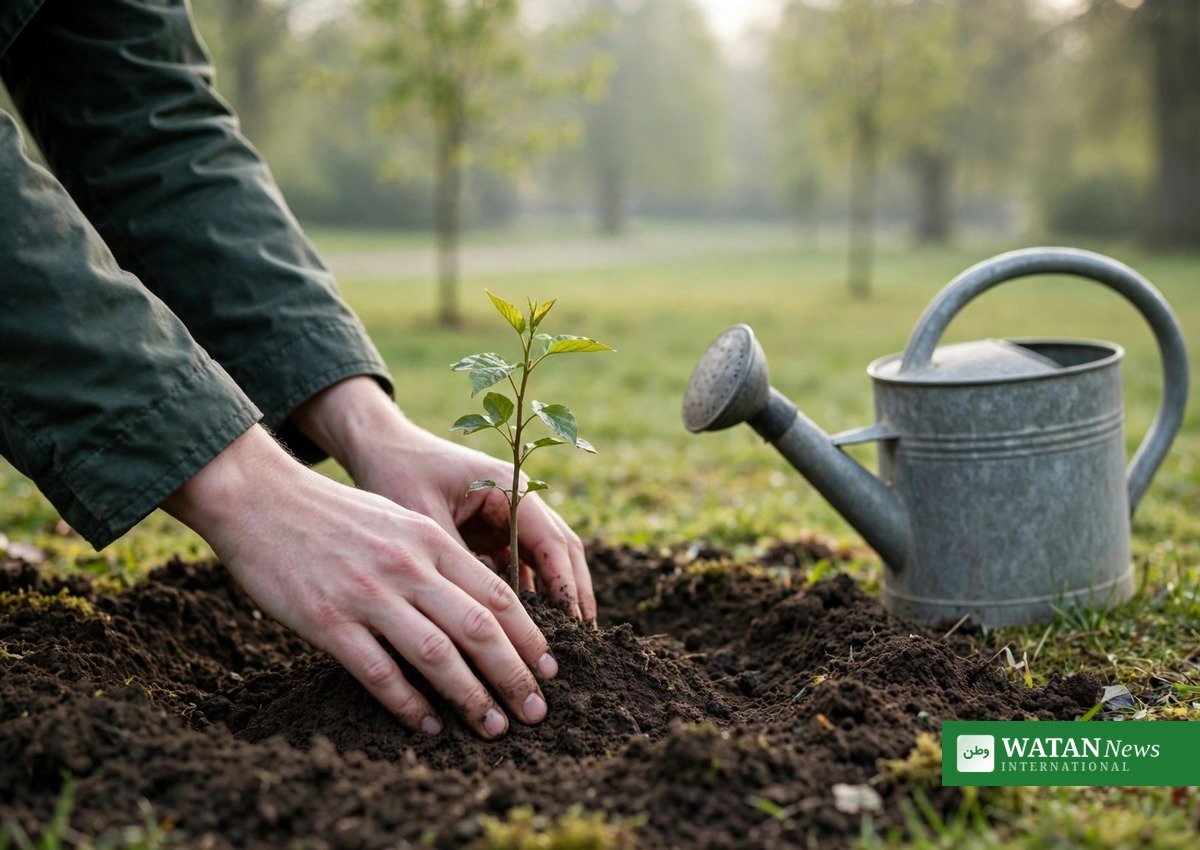
It is a familiar lesson from tree-planting drives worldwide: saplings only deliver their promised cooling, flood protection and carbon benefits if they survive their first years in the ground.
Why trees matter after a harsh summer
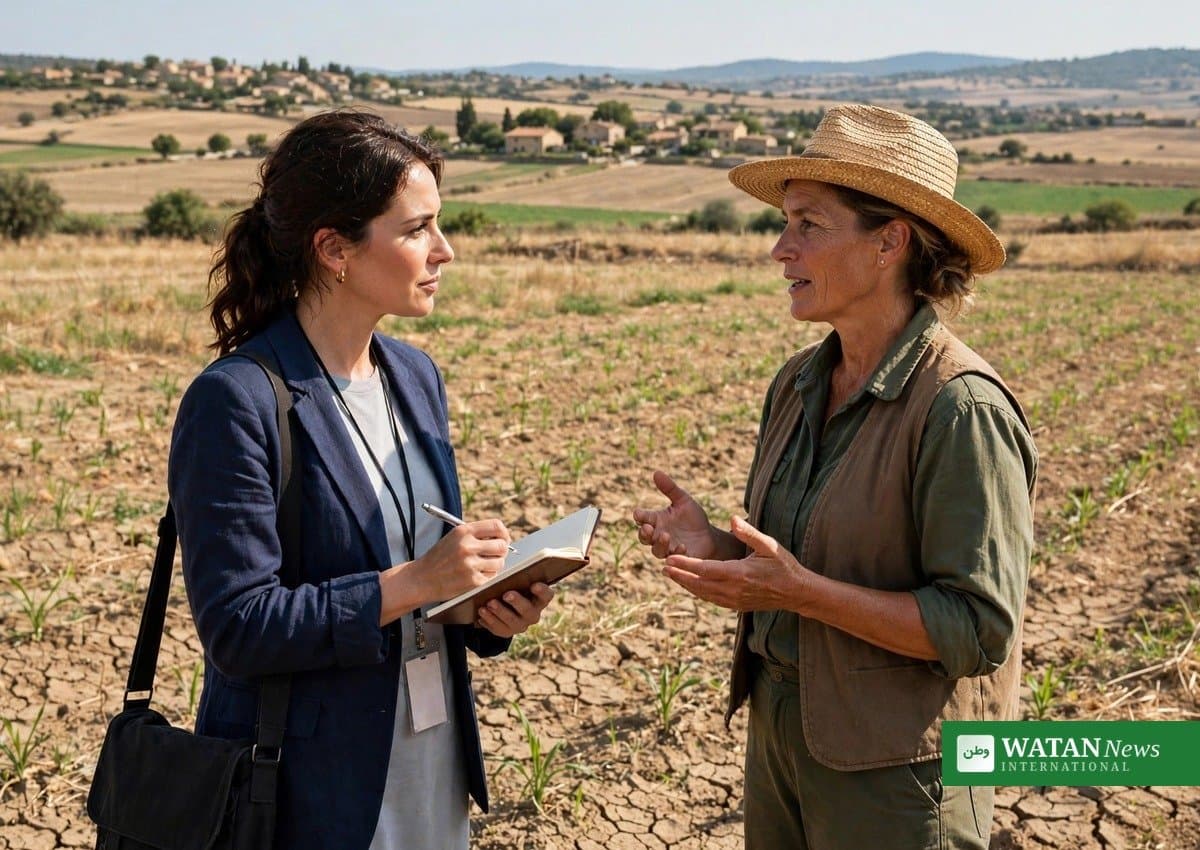
The package is a direct response to the extreme weather Britain experienced this summer. As the Environment Secretary put it in her conference speech, reported by The Guardian: in areas where nature was allowed to flourish, the ground held more water and the droughts were less severe — and on streets where trees had been planted, the shade meant lower temperatures, and when rain finally came, those trees reduced the risk of floods.
Whether the promise becomes 500,000 living, thriving trees will be decided not in Westminster but in the parks, streets and fields where local authorities, community groups and residents take part. For more English-language coverage of climate action and nature recovery, see the Watan News climate section and read the government’s official announcement on GOV.UK.