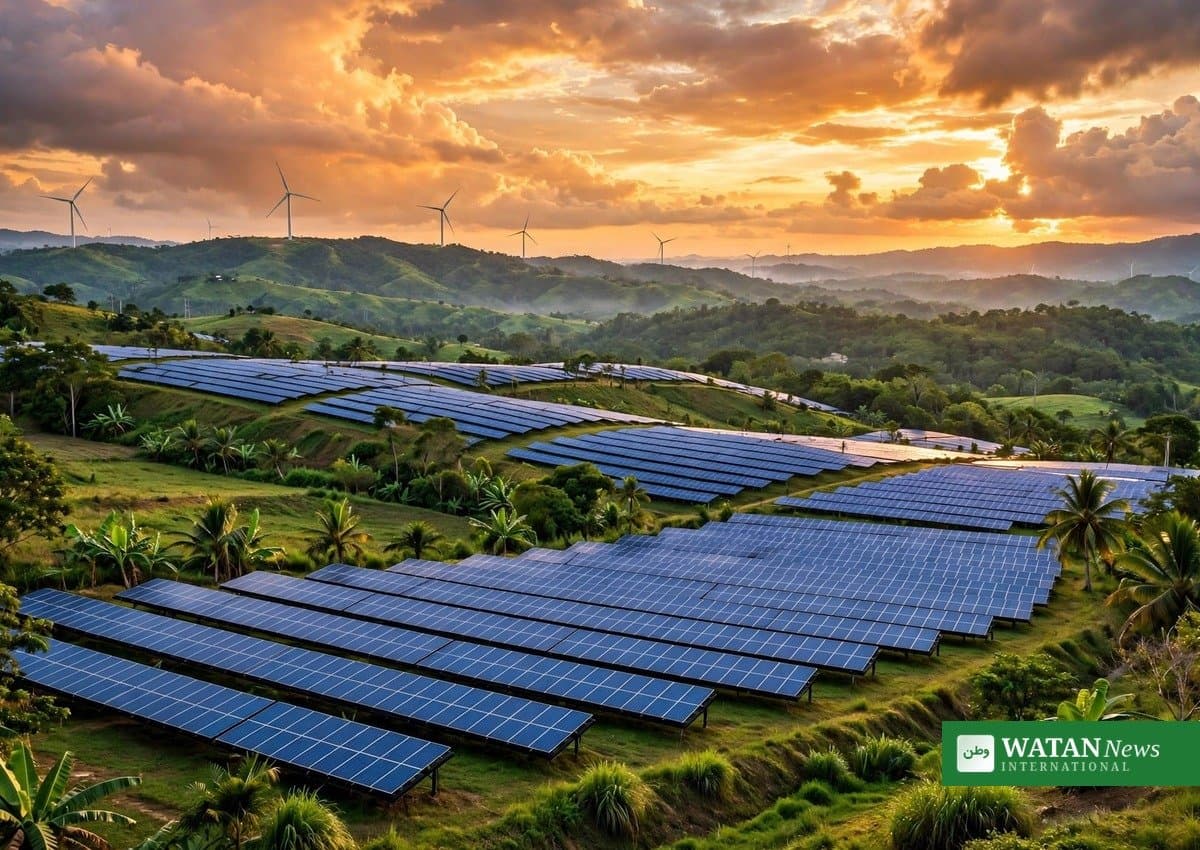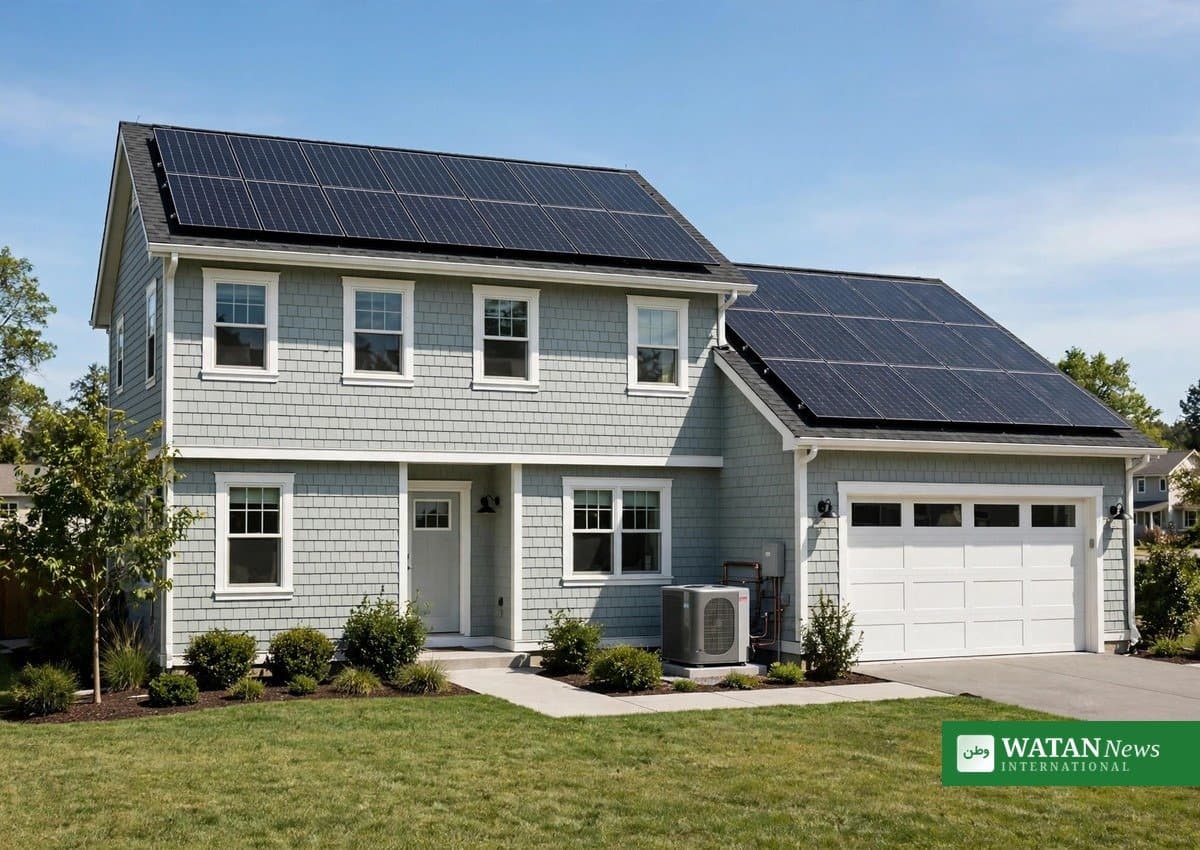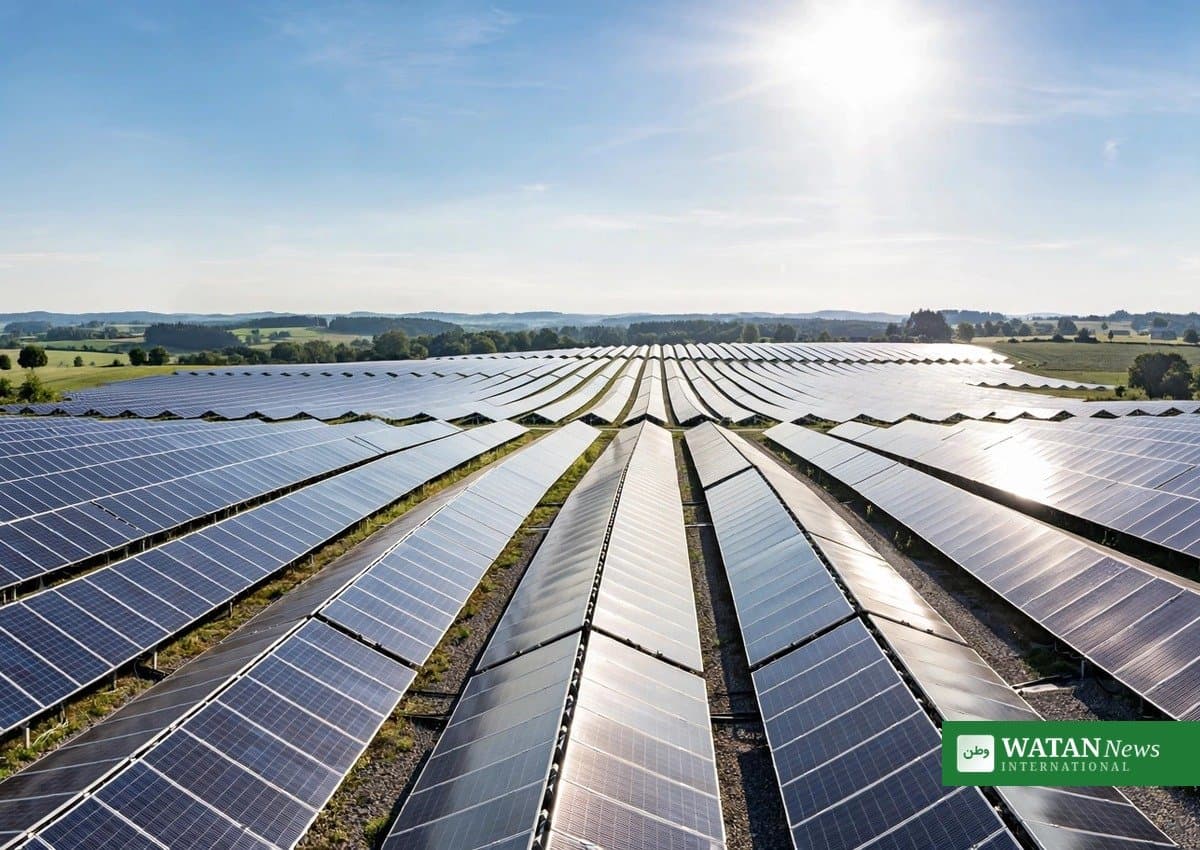
Germany’s solar power boom has smashed through another milestone: by 27 September, net solar electricity generation in 2026 had reached 90.2 terawatt hours — already more than the 90 TWh produced across the whole of 2025, according to industry association BSW-Solar.
FAKTA
- By 27 September 2026, Germany’s net solar generation reached 90.2 TWh, beating the full-year 2025 total of 90 TWh, BSW-Solar said, citing data from Fraunhofer ISE.
- The record was driven by continued capacity growth and an unusually high number of sunshine hours.
- “This is news Germany can be proud of,” said BSW-Solar head Carsten Körnig — adding it was “a cause for celebration, but not a reason to sit back and relax.”
- Surplus solar output is increasing hours of negative wholesale power prices and forcing more renewable curtailment.
- Germany’s official target is 215 GW of solar capacity by 2030, up from roughly 130 GW today.
- The coalition government is debating reforms that would reduce incentives for new projects in congested grid areas and cut support for small rooftop systems.
Germany’s solar record year
Germany generated as much solar energy by the end of September as it did during the whole of 2025. To put the scale in perspective: Germany’s solar output so far this year is almost three times what sun-drenched Australia has produced over the same period — a reminder that installed capacity matters far more than sunshine alone.
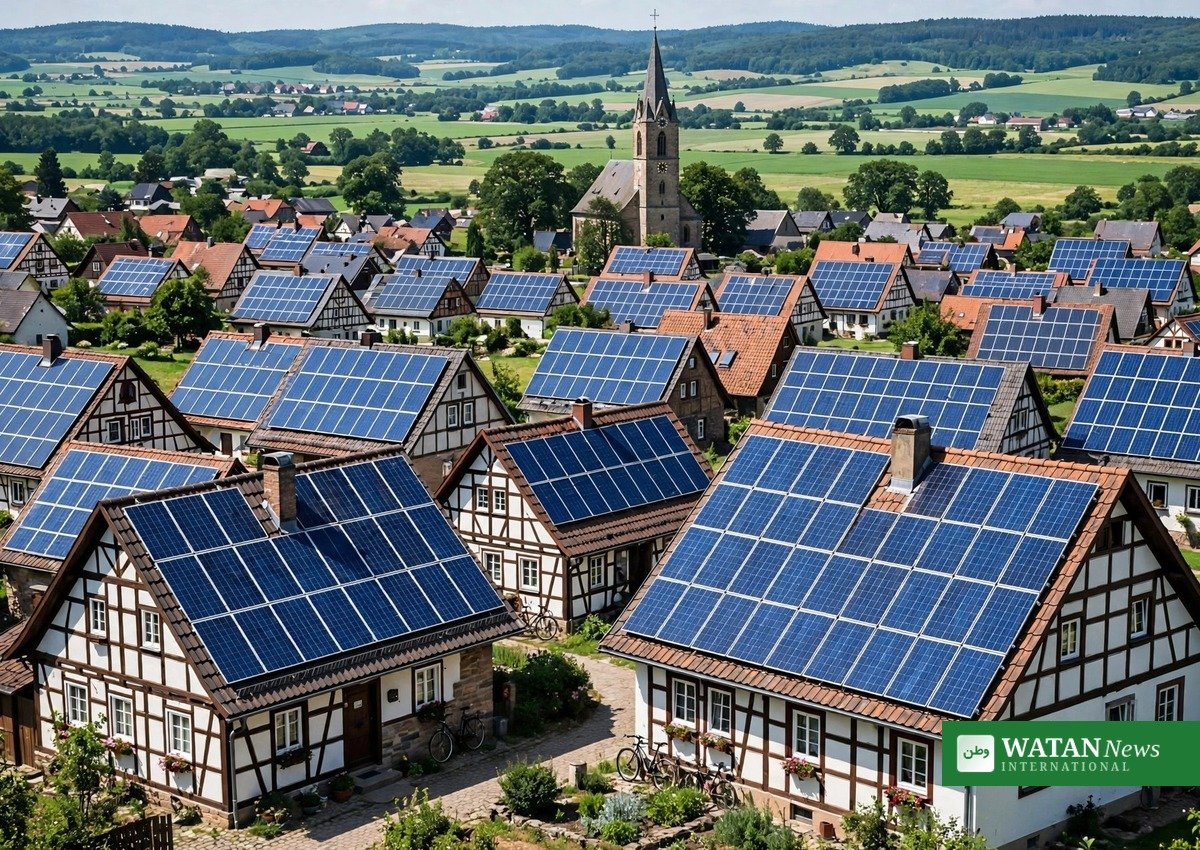
BSW-Solar, which announced the figures to news agency AFP in Berlin, attributed the record to two drivers: the continued expansion of photovoltaic capacity on rooftops, commercial sites and open land, and an exceptionally sunny season reflected in German Weather Service data.
A record that is testing the grid
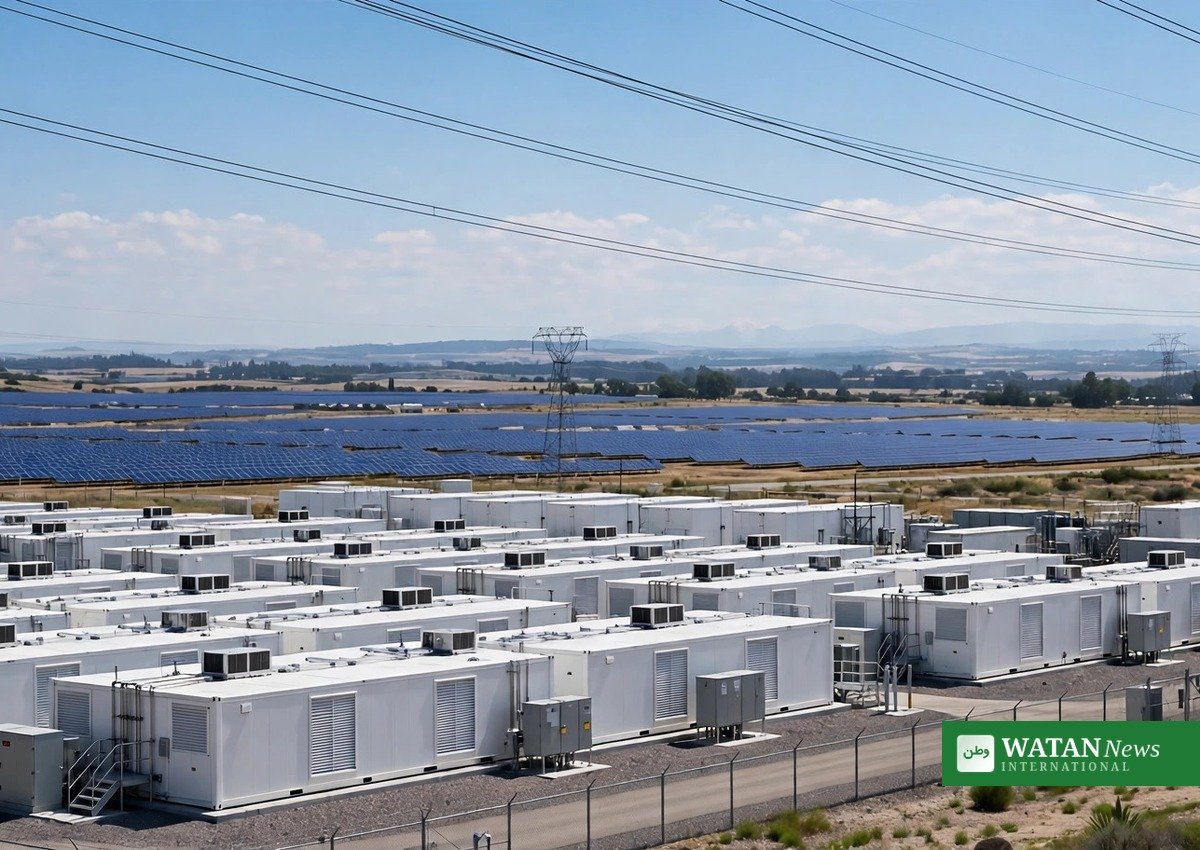
Success is creating its own problems. With limited options for flexible electricity use and a growing need for storage, the surge in solar is straining Germany’s power grids. The number of hours when supply far exceeds demand — sending wholesale power prices below zero — is climbing, and more renewable electricity is being deliberately shut down, or curtailed, because grid bottlenecks cannot take it.
This has opened a policy fight. The coalition government is preparing new rules aimed at better system integration of renewables: reducing incentives for new solar and wind projects in areas where grid congestion is common, and cutting support for small-scale rooftop systems. Economy minister Katherina Reiche argues that developers should carry the financial risk when their electricity is curtailed, and that small rooftop panels have reached market maturity and no longer need support.
Industry warns against slowing investment
Researchers and the renewable energy industry have heavily criticised the reform proposals, warning they risk stalling investments and slowing the growth of renewables. For BSW-Solar’s Körnig, the message is that a successful year should support faster system preparation — grid upgrades, storage and flexible demand — rather than weaken the conditions for new projects.
What comes next for Germany’s energy transition
The choice facing Berlin is stark: expand generation while upgrading the grid and managing surplus power, or risk making the next stage of growth harder. With a 215 GW target for 2030, Germany will need to add roughly 85 GW in four years — a pace that demands both panels and power lines.
Frequently asked questions
How much solar power has Germany produced in 2026?
90.2 TWh of net solar electricity generation by 27 September, according to BSW-Solar citing Fraunhofer ISE data — already above the 90 TWh total for all of 2025.
Why are power prices going negative?
On sunny days, solar output can far exceed electricity demand, and with limited storage and flexible demand, surplus power drives wholesale prices below zero for an increasing number of hours.
Read more climate stories at Watan News. Sources: Clean Energy Wire, AFP via NewsWorm, and pv magazine on Germany’s 2025 solar share.