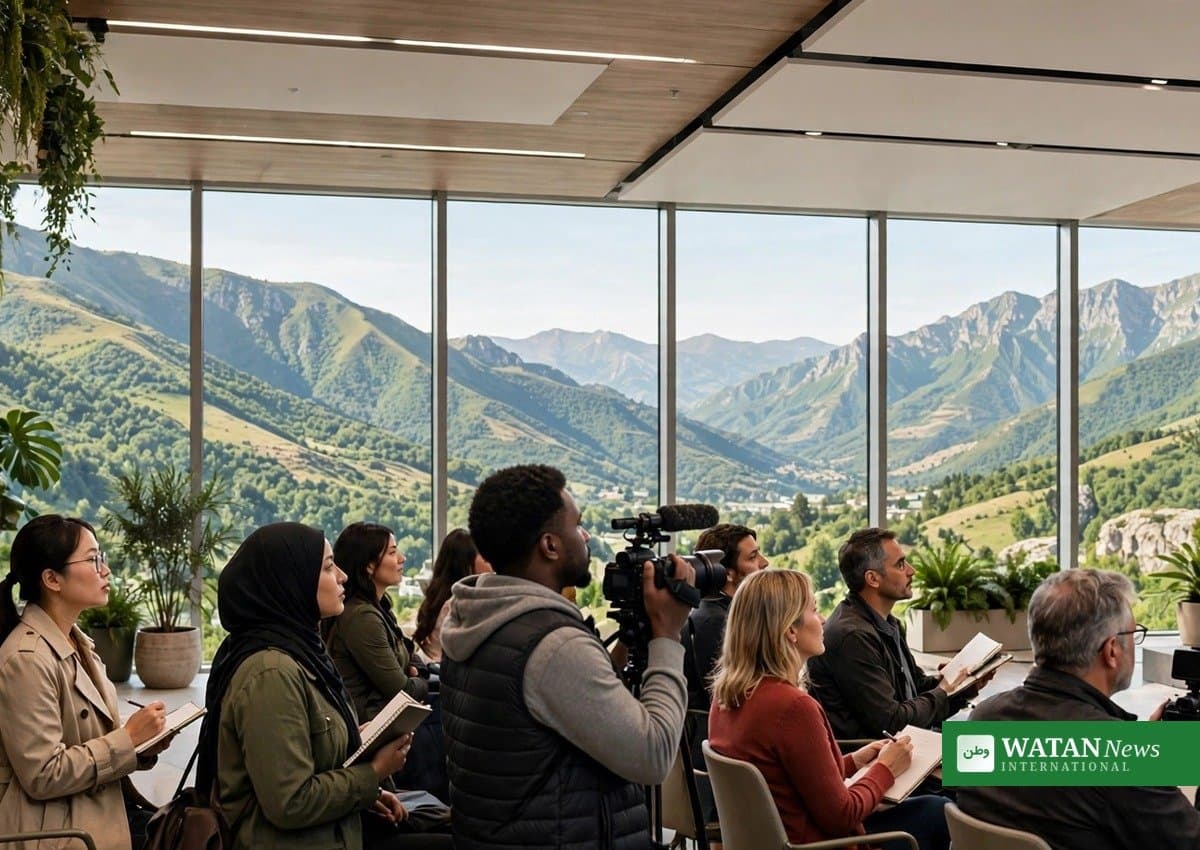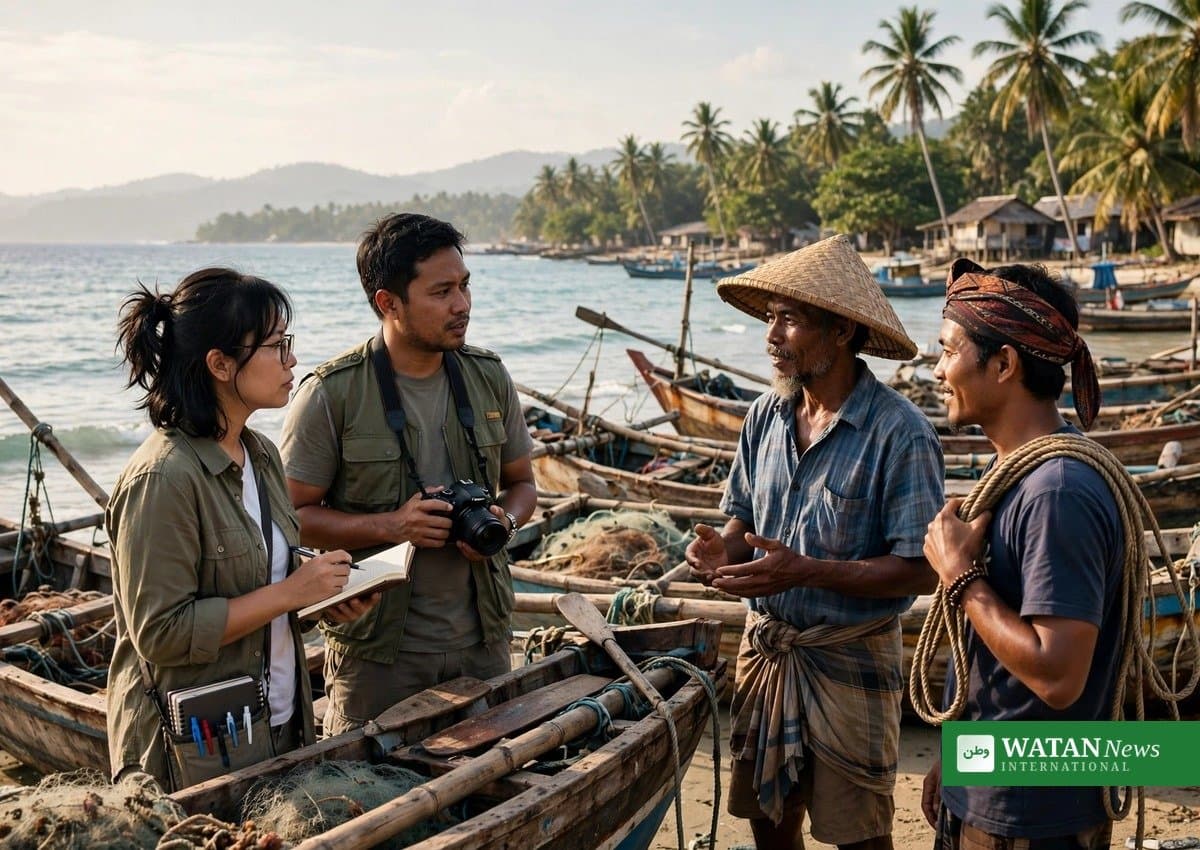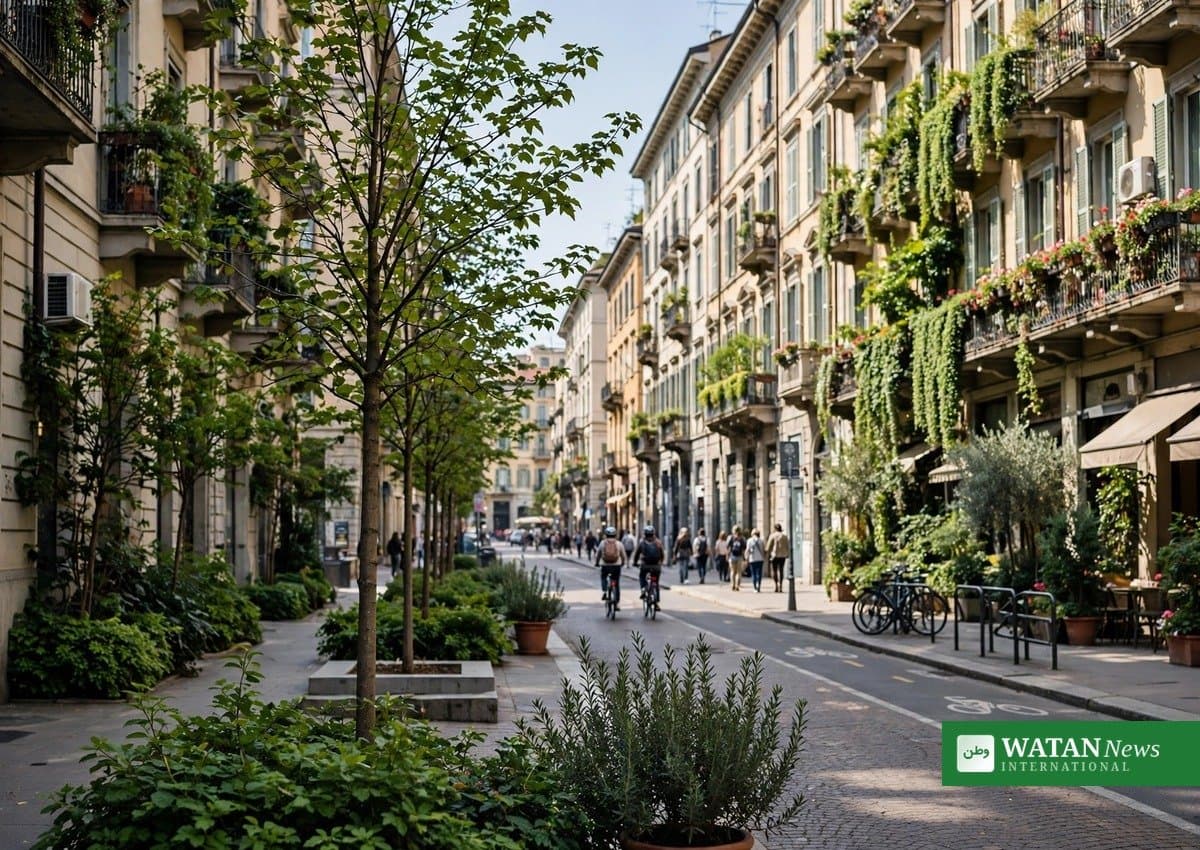
Milan’s Forestami urban forest project has been named a United Nations World Restoration Flagship, recognising one of Europe’s most ambitious attempts to turn a smog-hit city green. The honour was announced on 29 October 2026 during the UN Biodiversity Conference, known as COP17, in Yerevan, Armenia, and makes Forestami the only European project among five new flagships worldwide.
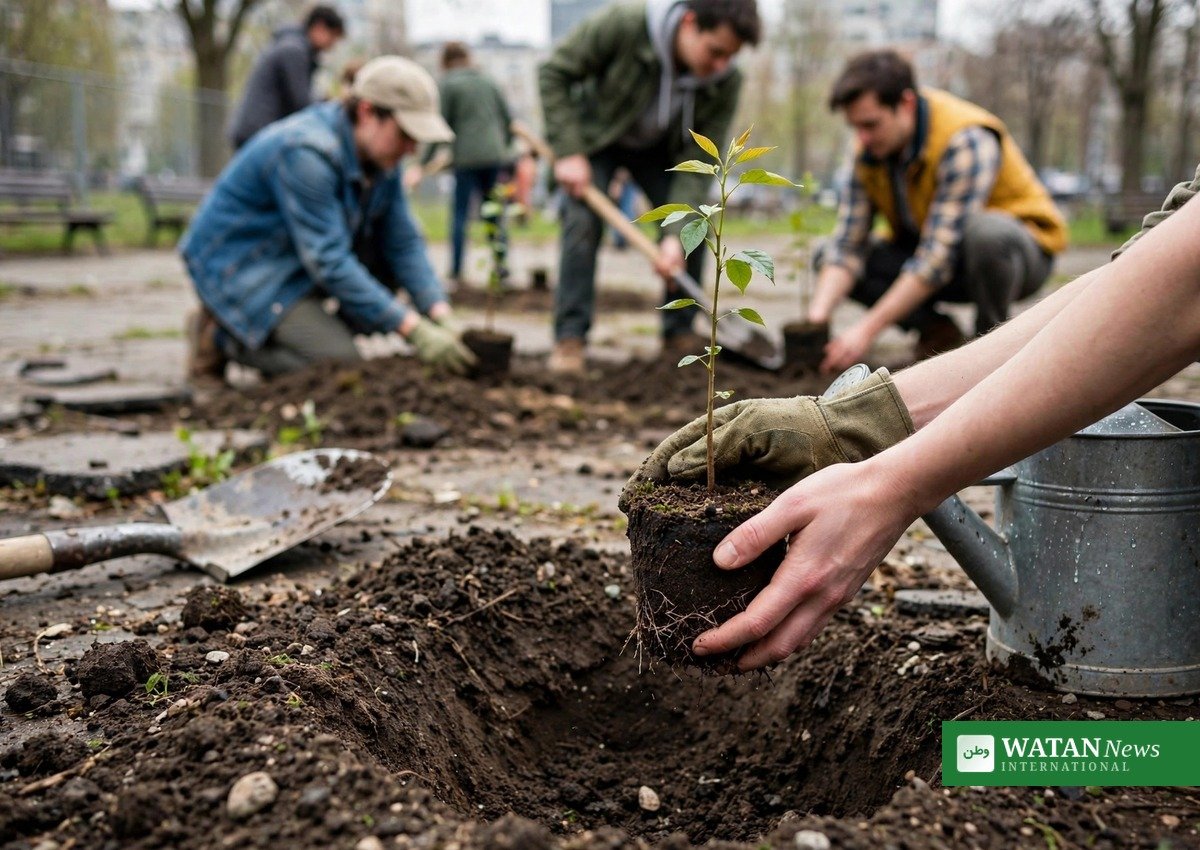
Forestami aims to plant three million trees and shrubs across the Milan metropolitan area by 2030, roughly one tree for every resident. Since the project began in 2019, nearly 640,000 trees and shrubs have already been planted, according to the UN Environment Programme (UNEP). The project is also restoring an area of degraded urban land equal to about 350 football pitches, including former industrial sites, parking lots and storage yards.
A polluted city tries to breathe again
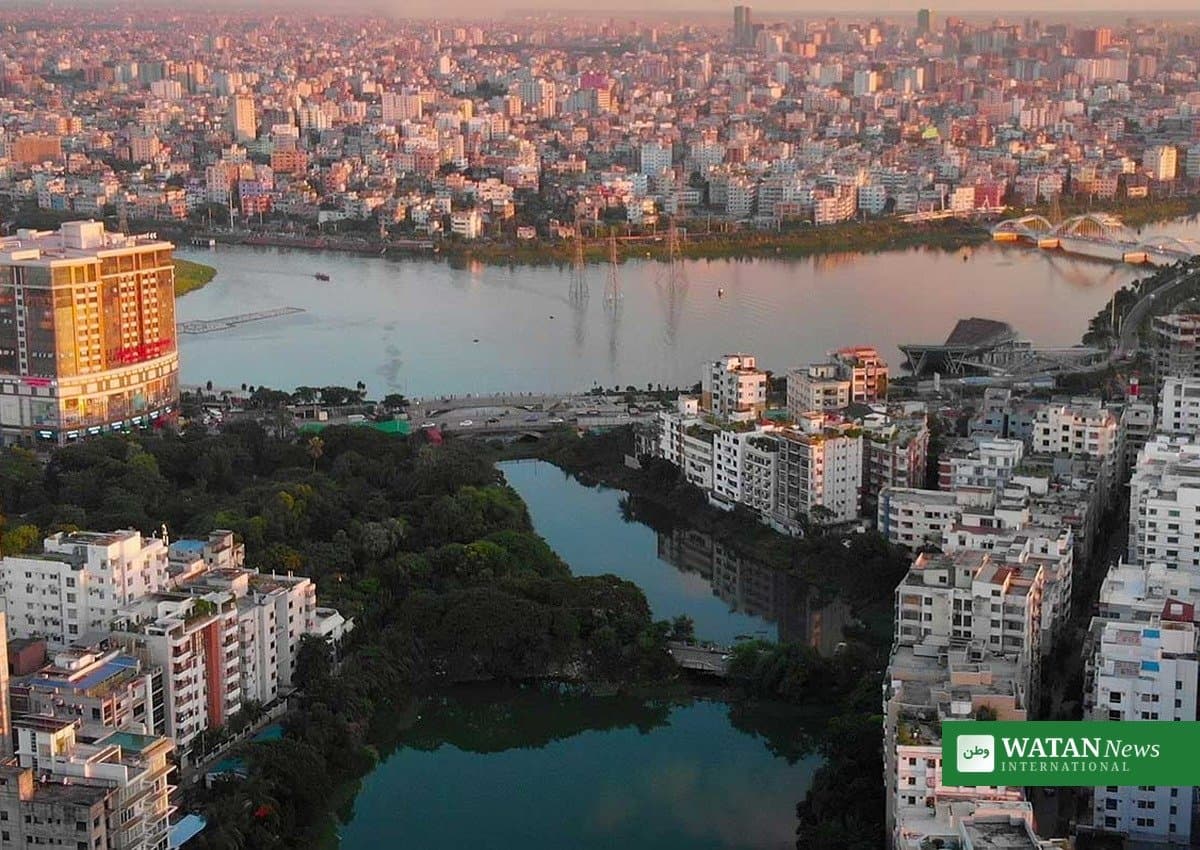
Milan needs the greenery. An October air quality ranking placed the Italian metropolis seventh among the world’s ten most polluted cities, the only European entry on the list. UNEP notes that the city’s position in the low-lying Po Basin limits air circulation, while intensive agriculture and heavy industry add to the pollution burden.
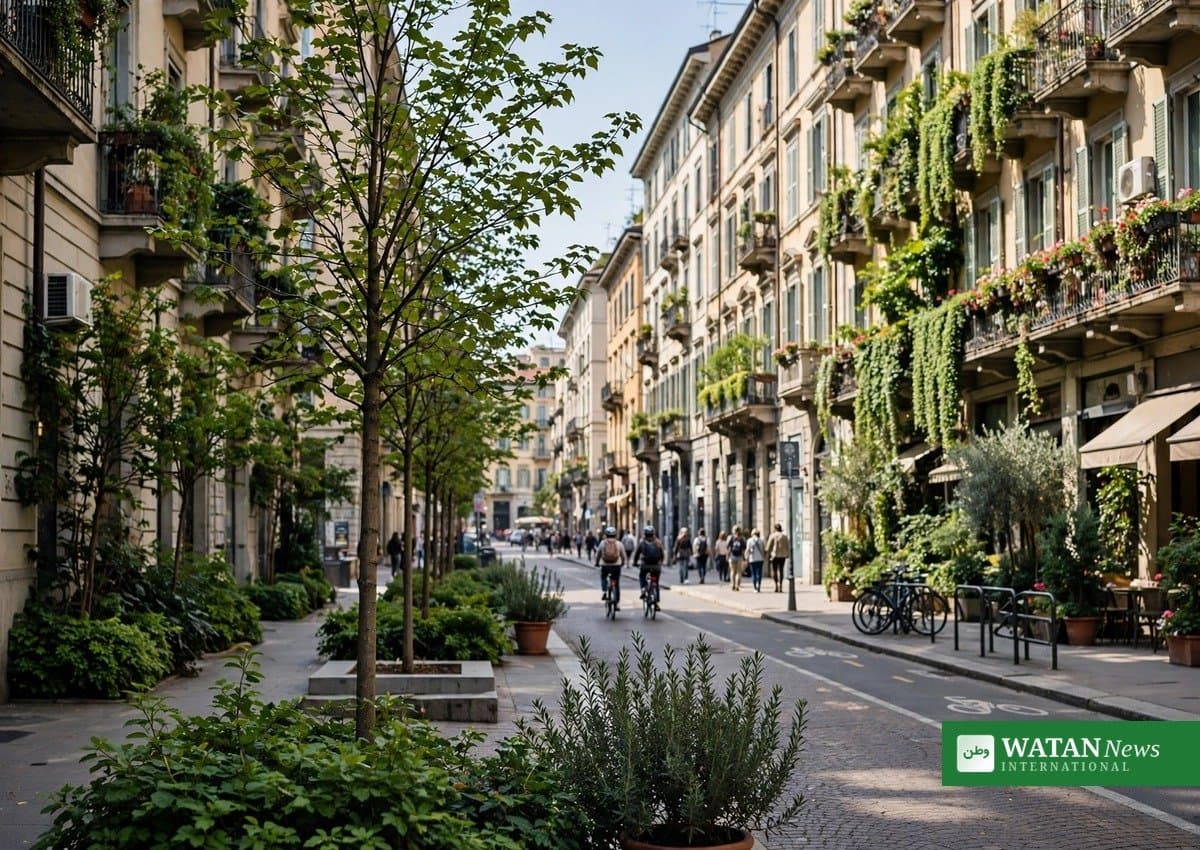
Fondazione Forestami, the organisation behind the project, says more greenery on streets, rooftops and facades is the cheapest and most effective way to filter fine dust, cool the city and improve residents’ wellbeing. The project is also expanding access to green space and engaging schoolchildren in planting and caring for trees.
The architect behind the urban forest
Forestami was designed by Italian architect Stefano Boeri, creator of Milan’s famous Bosco Verticale, or Vertical Forest, residential towers covered in trees, shrubs and plants. Boeri has previously received a European Lung Foundation award for his work to improve air quality through urban greening.
The flagship title recognises what UNEP describes as ambitious and promising examples of large-scale, long-term restoration. Forestami’s backers say the goal is not only planting, but building a lasting urban forest woven into daily life, from school courtyards to former railway yards and disused parking areas.
Five new flagships, one global push
Forestami was recognised alongside four other initiatives: Colombia’s Urban Nature Reborn, restoring the Ciénaga de Mallorquín coastal wetland near Barranquilla, with 445 hectares already under restoration and 740 hectares targeted by 2030; the Green Seattle Partnership in the United States, which has restored 831 hectares, around 98 per cent of its 850-hectare 2030 target, and planted 1.5 million native plants; Ethiopia’s Great Rift Valley Renaissance, which has brought more than 23,000 hectares of degraded land under restoration and aims for more than 38,000 hectares by 2030; and China’s Blue Bay Restoration Initiative, focused on coastal and marine ecosystems.
The flagships are awarded under the UN Decade on Ecosystem Restoration, which runs from 2021 to 2030 and is led by UNEP and the Food and Agriculture Organization (FAO). With the five new additions, 35 flagships have now been recognised, collectively aiming to restore more than 74 million hectares, of which more than 19 million hectares are already under restoration. They contribute to global commitments to restore one billion hectares of degraded ecosystems by 2030.
What the global numbers say
On the same day as the announcement, UNEP and FAO published a landmark assessment, “Nature’s comeback”, finding that 252 million hectares across 149 countries are now being restored, supporting more than one million green jobs. The report warns, however, that annual restoration finance must more than quadruple, to 296 billion dollars a year, to meet global targets.
Restoring just 15 per cent of global priority areas could capture and store 30 per cent of the carbon dioxide equivalent emissions accumulated since the Industrial Revolution and help avoid 60 per cent of species extinctions, according to the report. UNEP Executive Director Inger Andersen said the world is witnessing “one of the largest movements for nature in recorded history”, but warned that nature is still not being restored at the scale or speed required.
FAKTA
- Forestami aims to plant three million trees and shrubs in the Milan area by 2030, about one per resident.
- Nearly 640,000 trees and shrubs have been planted since the project began in 2019.
- The project is restoring degraded urban land equal to about 350 football pitches.
- Forestami is the only European project among the five new UN World Restoration Flagships announced on 29 October 2026.
- Worldwide, 252 million hectares across 149 countries are under restoration, but finance must more than quadruple to 296 billion dollars a year.
For more climate coverage, see the Climate section on Watan News.
Source: United Nations Environment Programme and Food and Agriculture Organization announcements and assessment, 29 October 2026; Euronews reporting on the Forestami announcement.