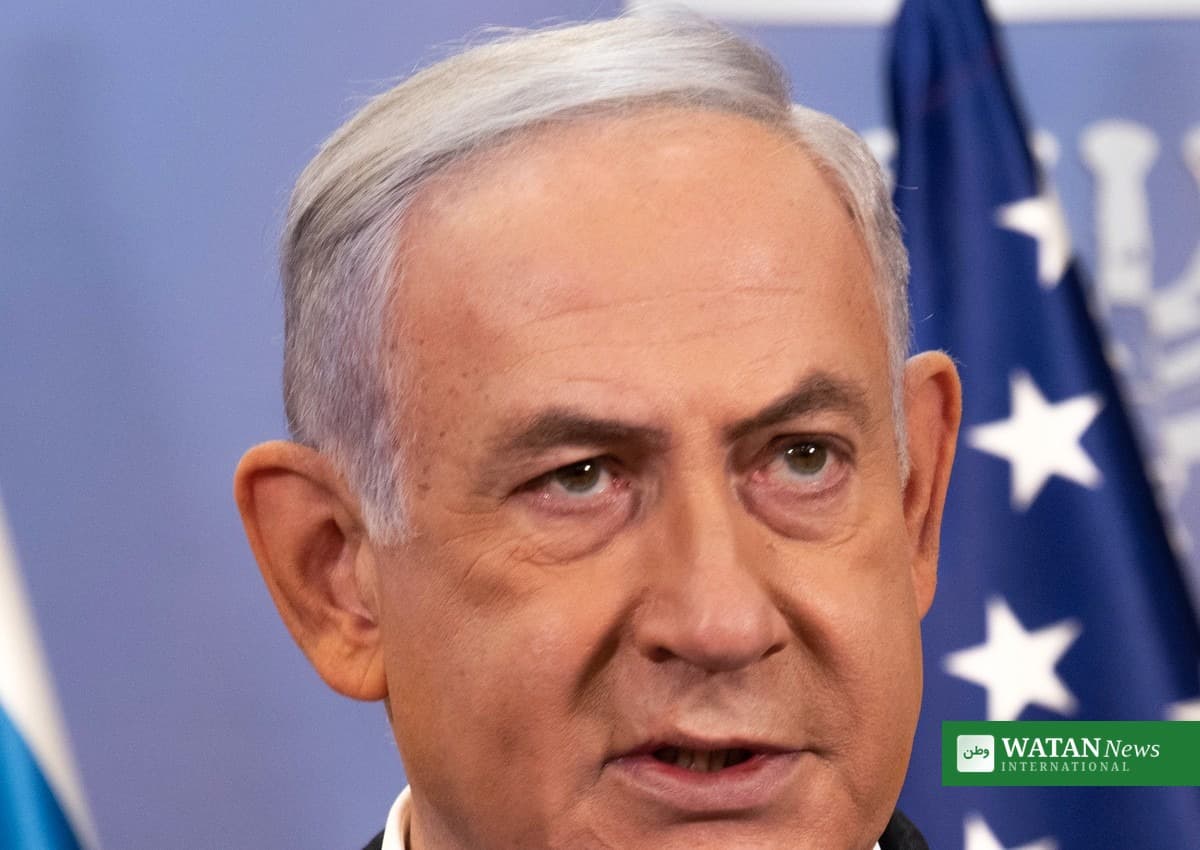
Israeli Prime Minister Benjamin Netanyahu on Saturday offered rival Gadi Eisenkot the first turn as prime minister in a proposed Netanyahu Eisenkot unity government, a major concession as Eisenkot moves closer to forming a coalition that could end Netanyahu’s long tenure at the top of Israeli politics.
Netanyahu made the offer in a statement on X on Saturday evening, saying he would serve as alternate prime minister while Eisenkot led the government first under a rotation agreement. He did not say how long Eisenkot’s initial term would last.
FAKTA
- What happened: Netanyahu said on Saturday evening he would let Eisenkot serve first as prime minister in a rotating unity government, with Netanyahu as alternate prime minister.
- Who is involved: Netanyahu leads Likud, the largest party in the Knesset; Eisenkot leads the Yashar party and holds the mandate to form a government.
- Background: The October 27 election was inconclusive, leaving neither Netanyahu nor Eisenkot with a clear path to power.
- Next step: Eisenkot has vowed to bring a new government to a parliamentary vote as early as next week. His mandate runs until December 6, with a possible two-week extension to December 20.
The Netanyahu Eisenkot unity government offer
Netanyahu said “unity is the need of the hour” in his statement. He argued that he should lead a unity government, or at least go first in the rotation, because Likud was the largest party in parliament, but said he would “set everything aside” to let Eisenkot be the first prime minister.
He said he expected Likud and Eisenkot’s Yashar party to “immediately begin genuine, sincere, and accelerated negotiations in which the other side will also be willing to make similar compromises and concessions.” He also said agreements would be needed on the issues on the table, including military conscription and Torah study.
Netanyahu said his decision was driven by the scale of the threats facing the country, arguing that a government should be formed that is able to deal with them. Likud emerged from the October 27 elections as the largest party in the Knesset, but its coalition fell well short of the majority needed to govern.
Eisenkot holds the mandate
Eisenkot was asked by Israel’s president to try to form a government after the inconclusive October 27 election. This week, he signed coalition deals with two partners, the right-wing Yisrael Beiteinu party and the left-wing Democrats, and he is also holding coalition talks with United Torah Judaism, an ultra-Orthodox party that has supported Netanyahu for years.
On Friday, Eisenkot said unity was “about substance and values, not about who gets which job or who goes first,” and accused Likud of being unwilling to compromise, saying that over two weeks it had refused to put a single concrete proposal on the table. A spokesperson for Eisenkot’s Yashar party did not immediately respond to a request for comment on Netanyahu’s offer.
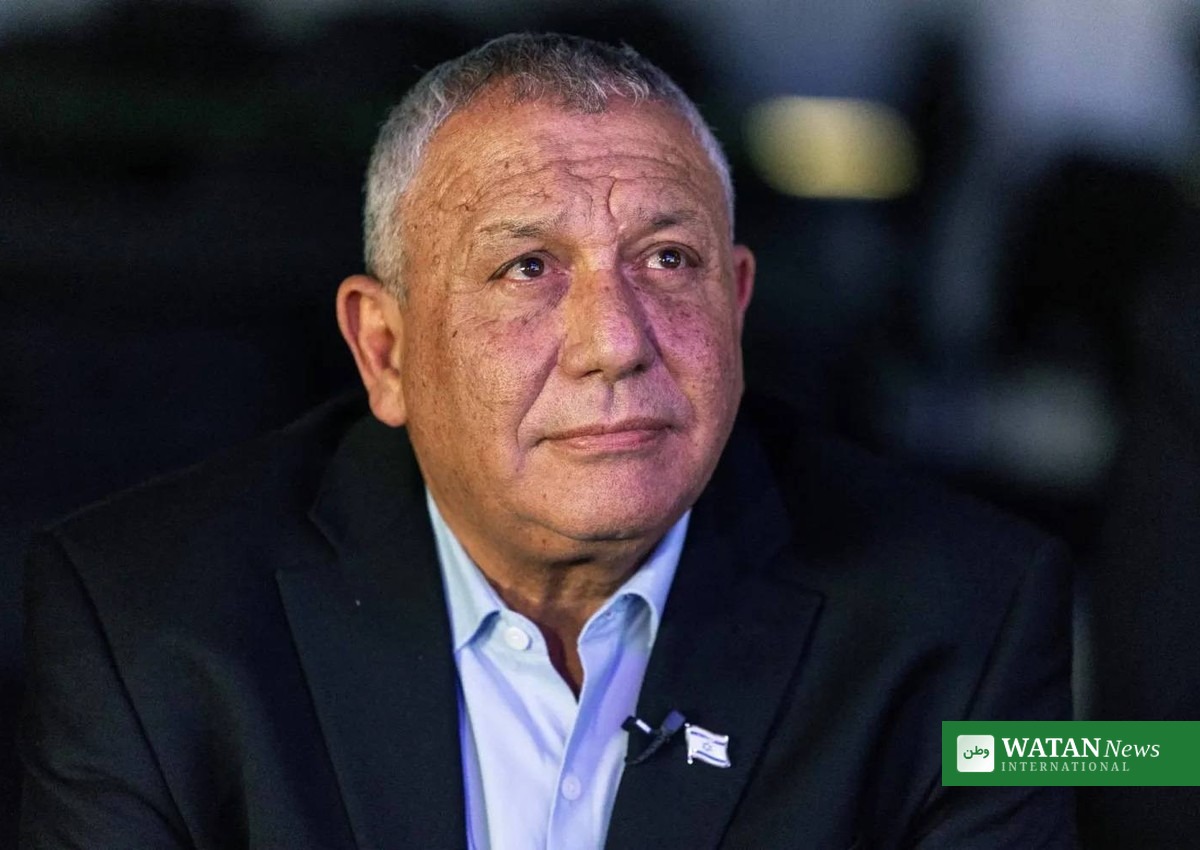
Reactions split over the proposal
Several of Eisenkot’s political allies dismissed Netanyahu’s statement as a bluff designed to buy time and pre-empt the effort to replace him. Yair Golan, head of the Democrats, said on X that Netanyahu had lost and that it was the duty of the new bloc to form a government of change. Former Prime Minister Yair Lapid said the proposal was another attempt to delay, and proposed swearing in an Eisenkot-led government without Netanyahu and only then negotiating a unity government.
Former Prime Minister Naftali Bennett, by contrast, welcomed Netanyahu’s statement, calling it the “right decision” and saying it was now “forbidden” to continue discussions about a government without Netanyahu. According to a source close to Netanyahu, Bennett was involved in behind-the-scenes discussions about the statement after holding separate talks with both Netanyahu and his confidant Ron Dermer.
Why scepticism runs deep
Much of the doubt around Netanyahu’s willingness to honour a power-sharing deal comes from the last rotation agreement he entered. After the 2020 elections, Netanyahu formed a unity government with rival Benny Gantz, with Netanyahu serving first. Instead of transferring the premiership as agreed, Netanyahu refused to pass a state budget, automatically triggering new elections and ending the government before Gantz could take his turn as prime minister.
Reuters described Netanyahu’s latest move as a “long-shot unity appeal,” and Eisenkot’s allies have cautioned against taking the offer at face value, warning it could be an attempt to delay the formation of an alternative government and force fresh elections.
What happens next
Eisenkot has until December 6 to put together a government, and can request a two-week extension from the president, which would take him to December 20. He has vowed to bring a new government to a parliamentary vote as early as next week, with or without an agreement with Likud.
Whether Netanyahu’s offer leads to genuine negotiations or is rejected as a stalling tactic will become clear in the coming days, as Eisenkot’s deadline approaches and the two sides decide whether a broad unity government is still possible.
Read the full story on Watan News: Netanyahu Offers Eisenkot First Turn as Prime Minister in Unity Government Bid