The five Nordic countries have agreed to draw up a joint Nordic defence agreement, giving their military cooperation a single legal framework for the first time, after defence ministers met in Oslo on 11-12 November 2026.
Norway, Sweden, Denmark, Finland and Iceland will work towards establishing a common defence deal in order to boost NATO’s overall ability to deter and defend, Norway’s Defence Minister Tore O. Sandvik said on Thursday, 12 November.
FAKTA
- Meeting: Nordic Defence Cooperation (NORDEFCO) defence ministers’ meeting, Oslo, 11-12 November 2026
- Decision: Agreed on 12 November to begin developing a joint defence cooperation agreement
- Countries: Denmark, Finland, Iceland, Norway and Sweden
- Host: Norwegian Defence Minister Tore O. Sandvik
- Aim: Closer integration of the defence forces and a stronger NATO deterrent
- Joint force: About 250 modern fighter aircraft, nearly 145 surface ships and about 100,000 military personnel in peacetime
- Framework: NORDEFCO, founded in 2009; all five countries are now NATO members
What the Nordic Defence Agreement Will Cover
The cooperation will focus on command and the conduct of joint operations, capability development, materiel procurement and operational support. The agreement is also meant to clear legal barriers when allied units move troops and equipment between Arctic and Baltic borders.
The decision was announced in a joint statement at the end of the two-day ministerial meeting in Oslo. It is the first time Nordic military cooperation will have a single legal framework, building on existing commitments covering joint operations, defence procurement and industrial capacity.
Why the Nordics Are Integrating Their Forces
The nations have all been NATO members since Finland and Sweden joined the military alliance in 2023 and 2024, and have worked since then to improve their cooperation, for instance by conducting joint military and civilian preparedness exercises.
In December 2025, all the Nordic countries were brought together under NATO Joint Force Command Norfolk in Virginia, in the United States. The new agreement is intended to make that cooperation faster and more practical, so that Nordic forces can operate as one in a crisis.
Who Was at the Table in Oslo
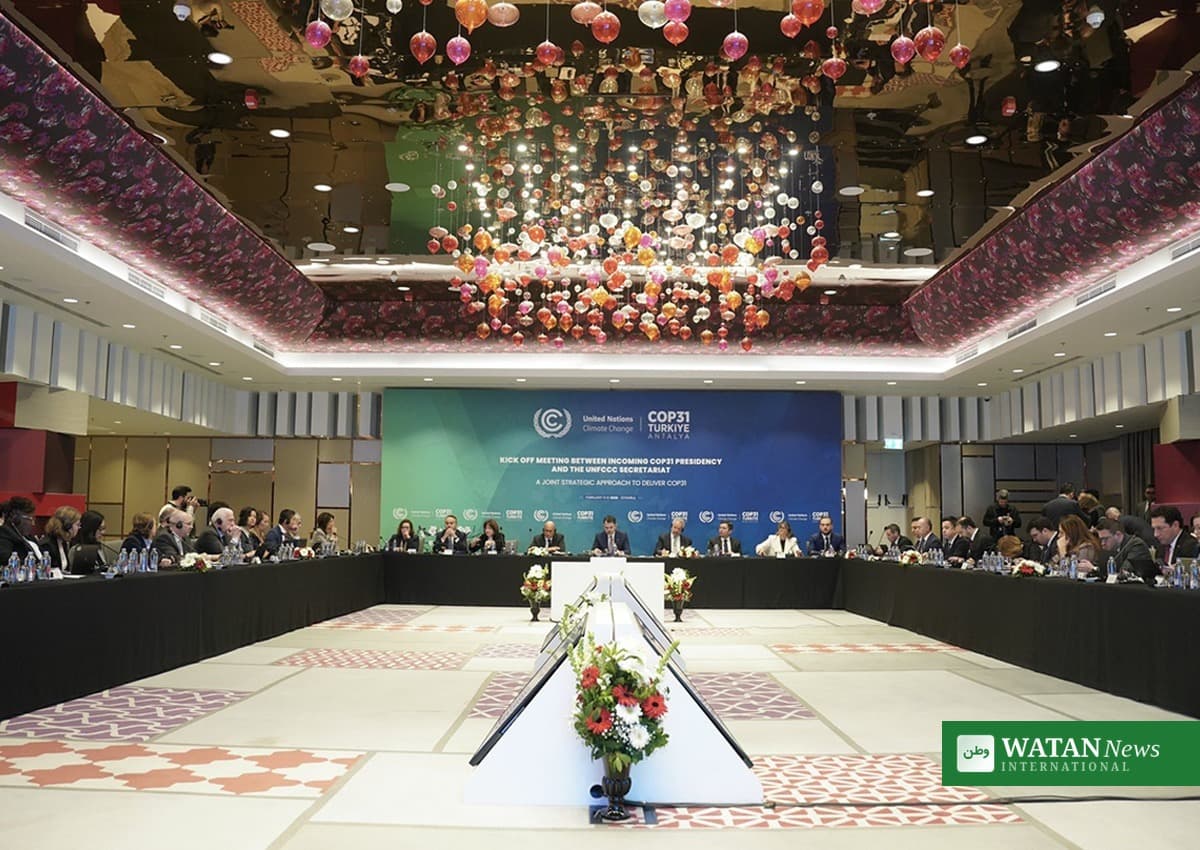
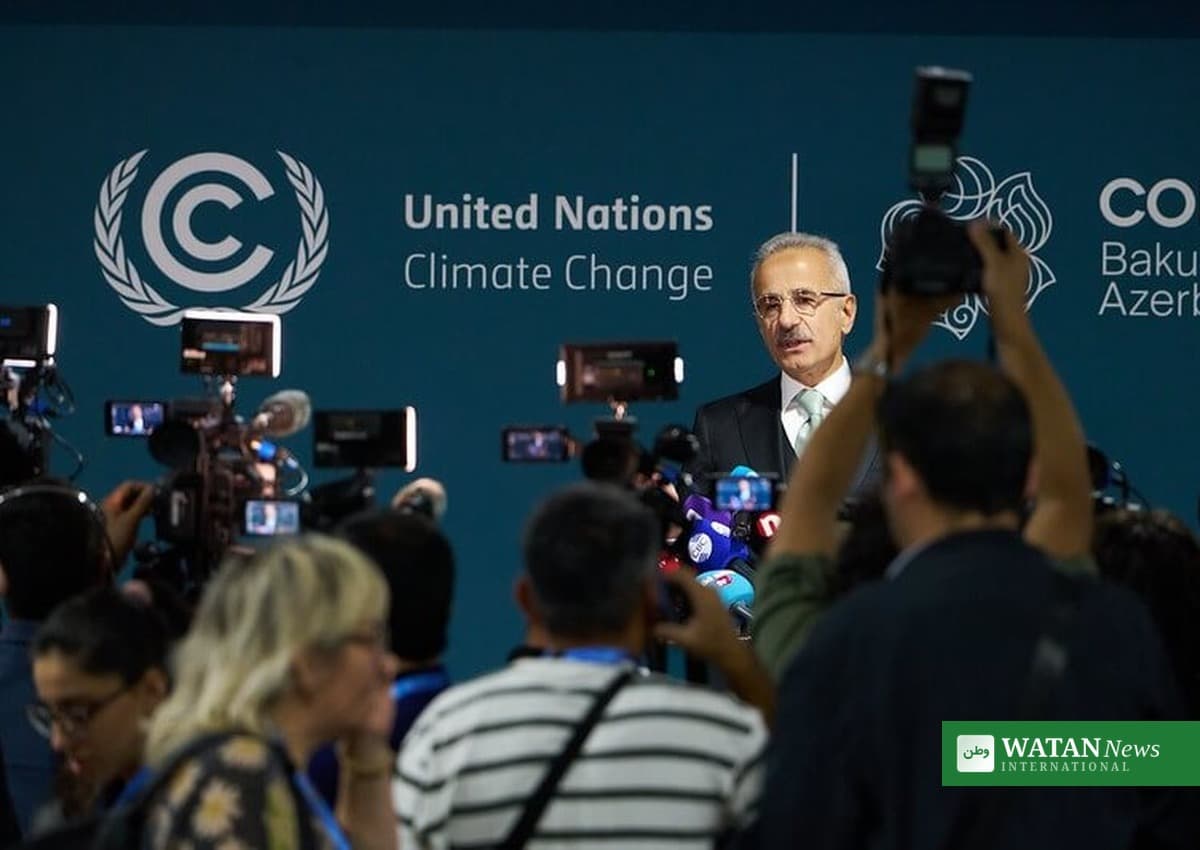
The ministers gathered in Oslo were Jeppe Bruus of Denmark, Tore O. Sandvik of Norway, Antti Häkkänen of Finland, Pål Jonson of Sweden, and State Secretary Martin Eyjólfsson of Iceland. Norwegian Minister of Defence Tore O. Sandvik, host of the meeting, explained the ambition behind the agreement and gave the size of the joint force: about 250 modern fighter aircraft, nearly 145 surface ships and about 100,000 military personnel in peacetime.
Conclusion
The Oslo decision marks a new stage for Nordic defence. After decades of practical cooperation through NORDEFCO, the five countries are now putting that cooperation into a formal agreement, so that their forces can move, train and operate together without legal obstacles. Drafting work begins now, with the agreement expected to strengthen both Nordic security and NATO’s northern flank.