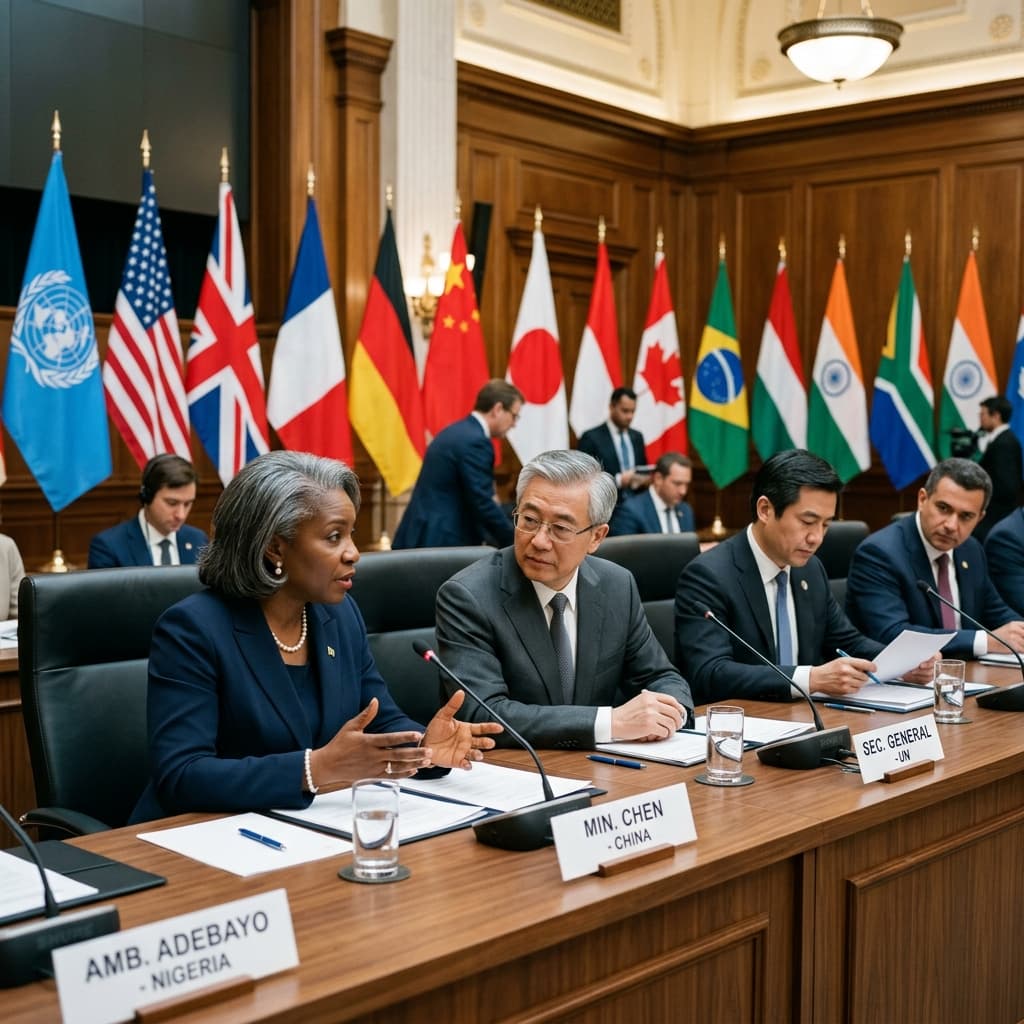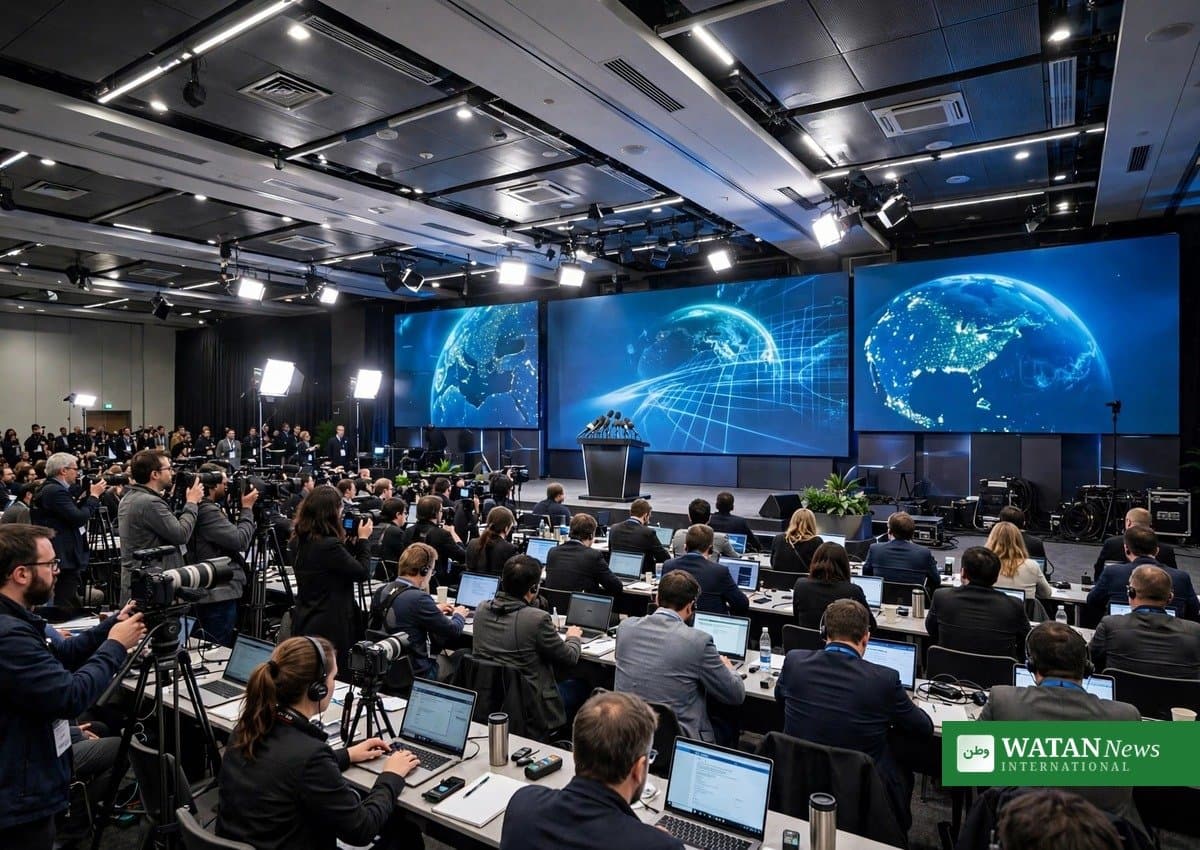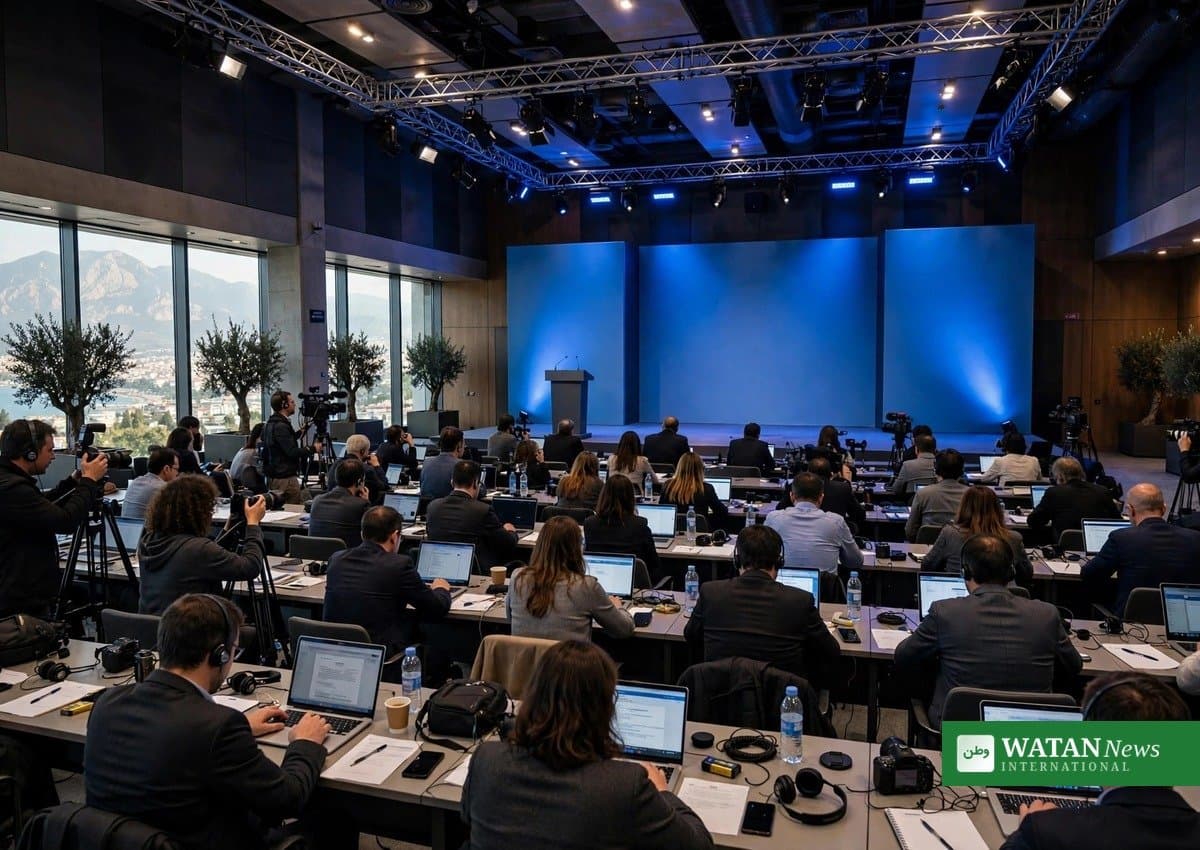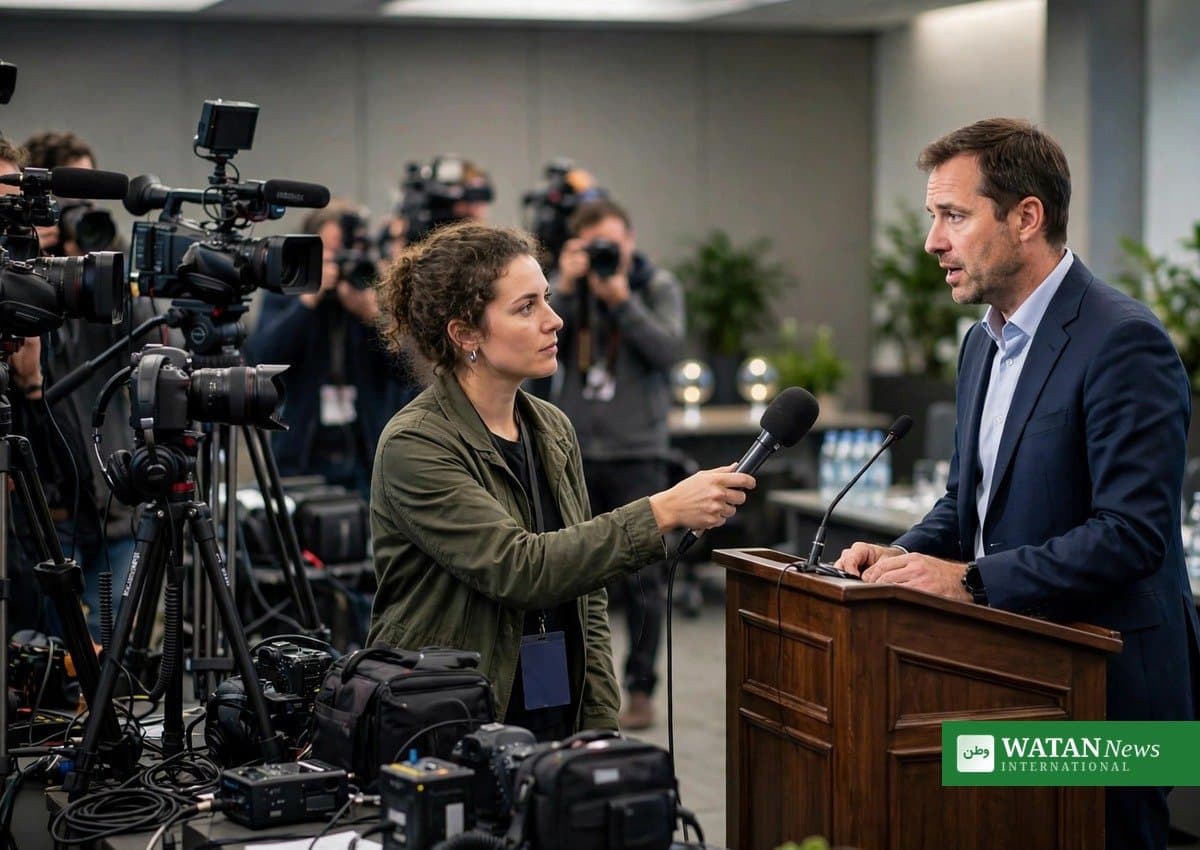
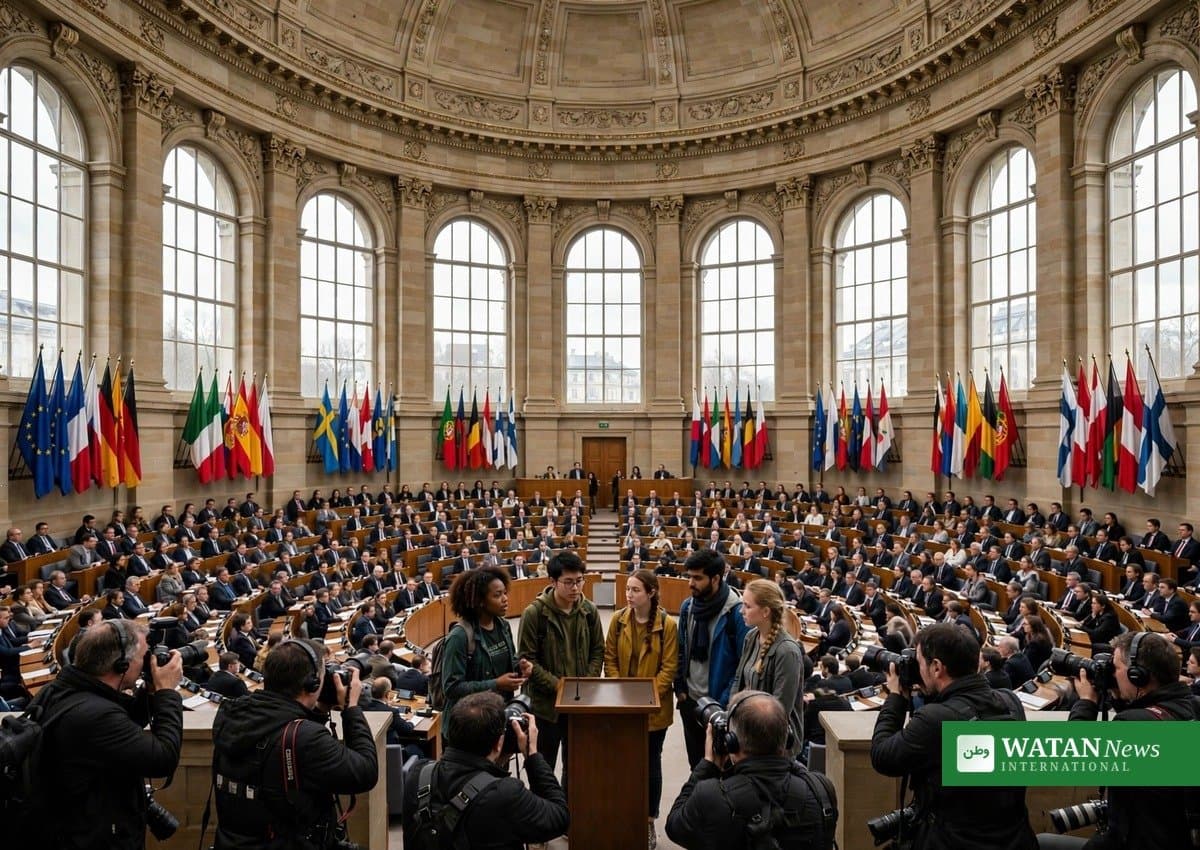
Young people took the floor in Strasbourg on 1 October 2026 and confronted Europe’s lawmakers directly: accelerate climate action, protect the rights of young people, and stop making climate decisions without them. The confrontation came during a general policy debate of the Parliamentary Assembly of the Council of Europe (PACE), held under the title “Europe, the fastest-warming continent: accelerating climate action with young people”.
Youth climate action takes centre stage at PACE
The debate at the Palais de l’Europe followed the presentation of a report by PACE member Aurora Floridia of Italy, prepared for the Assembly’s Committee on Social Affairs, Health and Sustainable Development. Statements were delivered by Council of Europe Commissioner for Human Rights Michael O’Flaherty, Kamal Kishore, the Special Representative of the UN Secretary-General for Disaster Risk Reduction and head of the UN Office for Disaster Risk Reduction, Advisory Council on Youth member Emilie Tamo Kamguia, and Benjamin Van Bunderen Robberechts, founder of the NGO Climate Justice for Rosa.
Also in attendance were the Chair of the Advisory Council on Youth, Emma Wedner, its Vice-Chair Xesc Mainzer, Léna Coco Kovats of ReGeneration 2030, Filip Jankovic of the Cooperation and Development Network Eastern Europe, and Haytam Benhachoum of the International Association of Students in Agricultural and Related Sciences.
“Protect our rights. Protect our future. Do not fail us.”
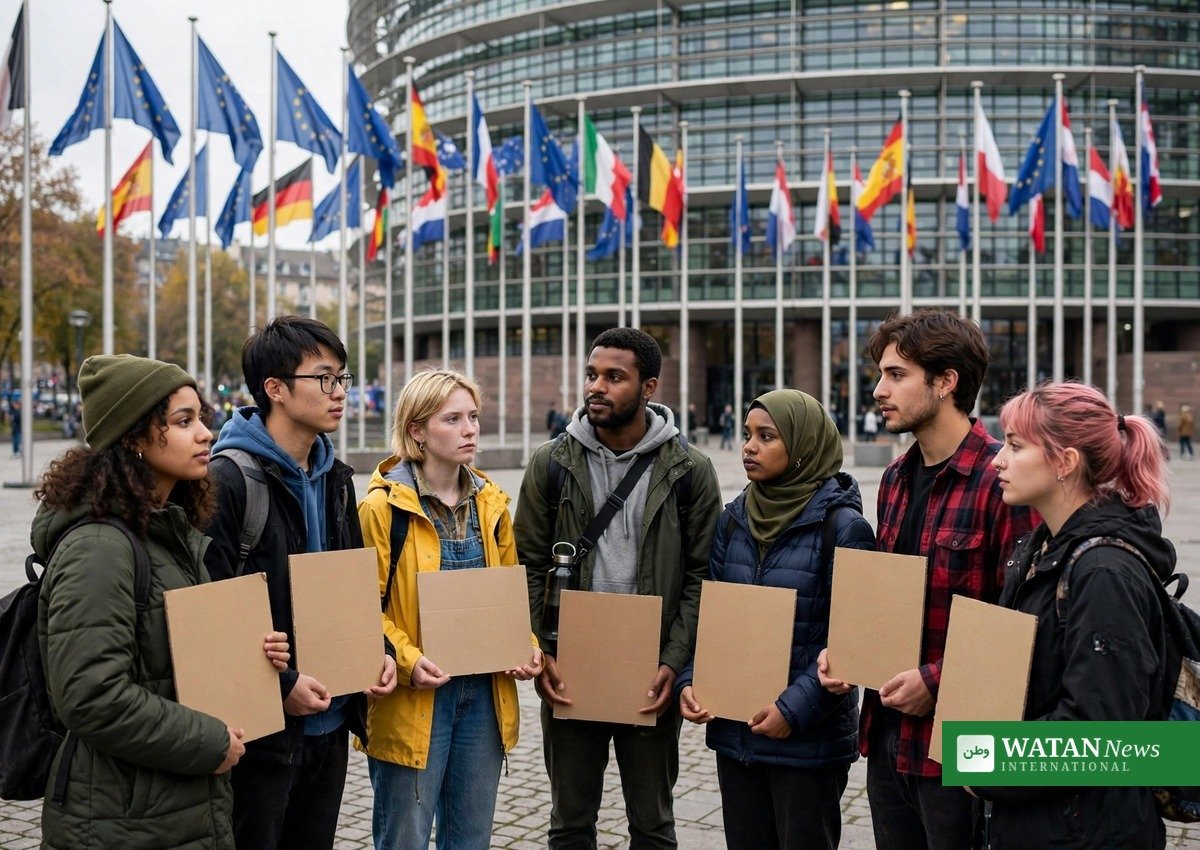
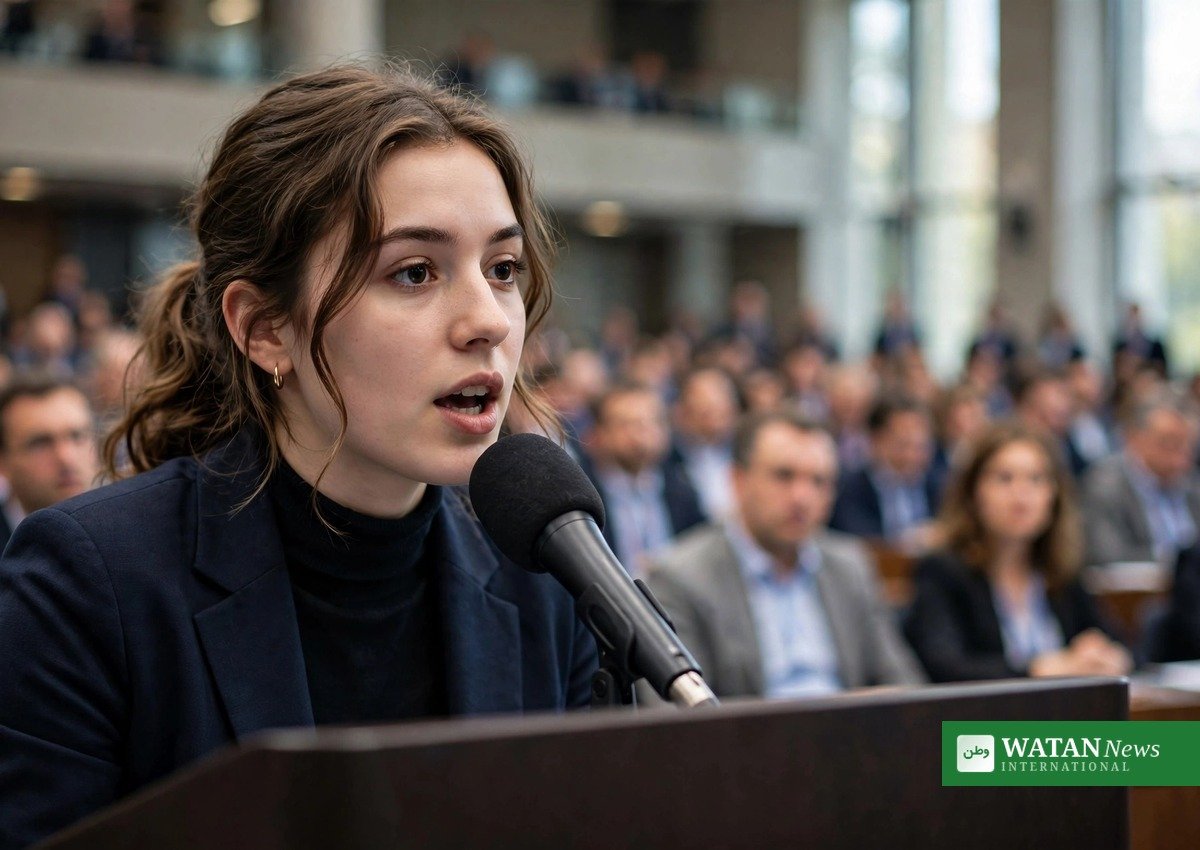
Emilie Tamo Kamguia told the chamber that climate change is already reaching into young people’s lives — affecting education, employment, healthcare, food, housing and civic space. Young people, she said, are both among those hardest hit by the crisis and active agents of change.
Her appeal to the Assembly was blunt: “Protect our rights. Protect our future. Do not fail us.” Her demands were specific — implement the Committee of Ministers’ Recommendation CM/Rec(2024)6 on young people and climate action, strengthen protection for young environmental defenders, remove the barriers that keep young people out of decision-making, and support drafting a convention recognising the right to a safe, healthy and sustainable environment.
Disinformation, courts and binding instruments
Emma Wedner, Chair of the Advisory Council on Youth, warned that disinformation can fuel climate denial, undermine trust in science and weaken communities’ ability to act.
The push for a binding instrument came from the Assembly’s top. Opening the debate, PACE President Petra Bayr said: “I want us to move, together, towards a binding convention on the right to a safe, healthy and sustainable environment. Not a declaration. Nor a recommendation. A plain treaty, with binding commitments behind it. Because a right without robust implementation mechanisms is only a wish.”
She stressed the need for reliable information and for support for journalists, scientists, activists, youth organisations and youth workers — and welcomed the report’s focus on literacy and intergenerational justice.
She pointed to young people’s growing use of the courts to pursue climate justice, and said the Advisory Council on Youth supports the call for a convention on the right to a healthy environment, as well as protecting the environment through criminal law — informed by a clear youth perspective and safeguarding present and future generations. “We should not fear binding instruments,” she concluded. “What we should fear are the irreversible consequences of the triple planetary crisis.”
What the Assembly adopted
The Assembly adopted Resolution 2679 and Recommendation 2316 on the report “Europe, the fastest-warming continent: accelerating climate action with young people” (Doc. 16493) on 1 October 2026.
The vote put the Assembly on record for bringing young people into climate decision-making.
The Strasbourg debate fits a wider European push to place young people at the centre of climate policy. Just this week, Watan News reported how COP31 is giving youth and education centre stage as Türkiye joined UNESCO’s climate-education alliance as its 100th member. What Europe decides with its young people now will be tested on the global stage when world leaders gather for COP31 in Antalya in November.
Key facts
- What: PACE general policy debate, “Europe, the fastest-warming continent: accelerating climate action with young people”.
- When and where: 1 October 2026, Palais de l’Europe, Strasbourg.
- Core demand: accelerate climate action, protect young people’s rights and guarantee youth participation in decisions (Emilie Tamo Kamguia: “Protect our rights. Protect our future. Do not fail us.”).
- Key asks: implement Recommendation CM/Rec(2024)6 on young people and climate action; protect young environmental defenders; draft a convention on the right to a safe, healthy and sustainable environment.
- Adopted: Resolution 2679 and Recommendation 2316 (report by Aurora Floridia, Doc. 16493), 1 October 2026.
What to watch next
Whether the Assembly’s words turn into action will be measured by implementation of the 2024 youth-climate recommendation, real protection for young environmental defenders, and progress on the proposed environment-rights convention. With COP31 opening in Antalya in just over a month, the Strasbourg debate has put the European test squarely in front of the summit too: will the generation that inherits the climate crisis be given a real seat at the table?