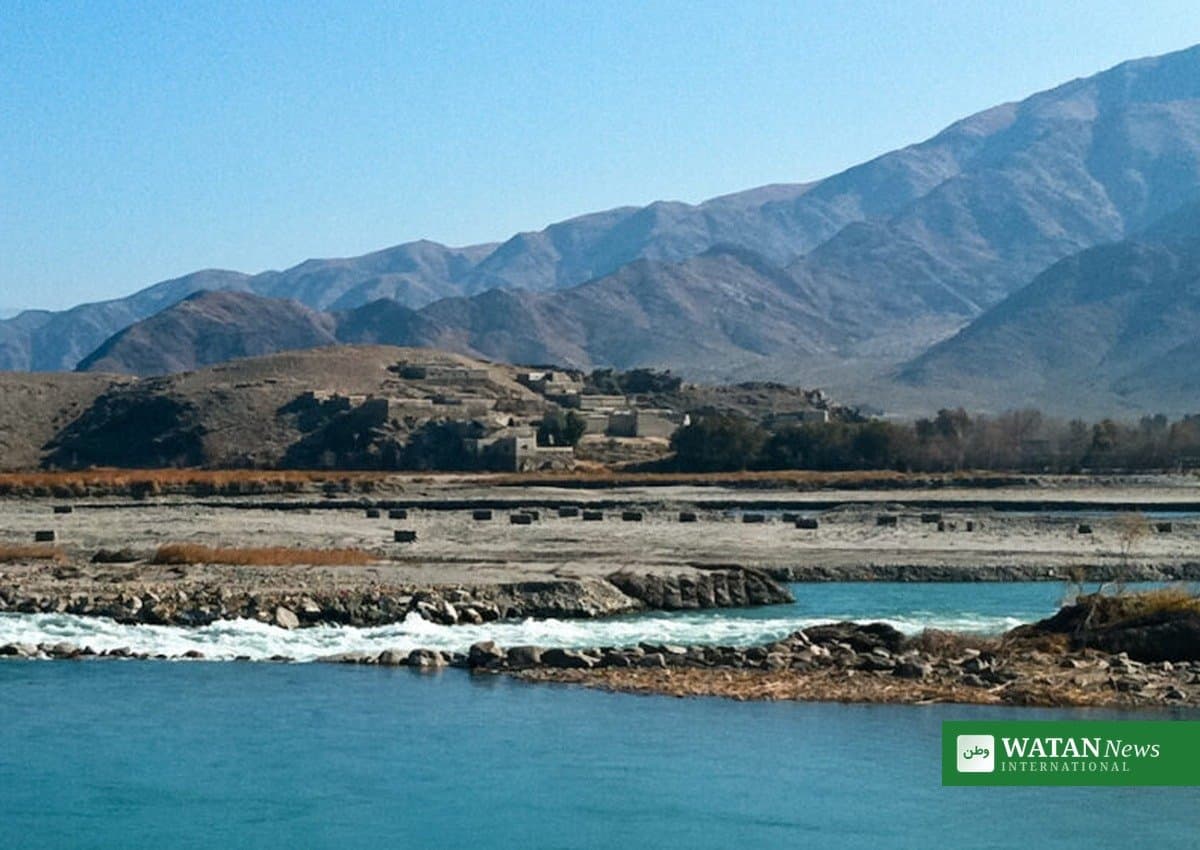
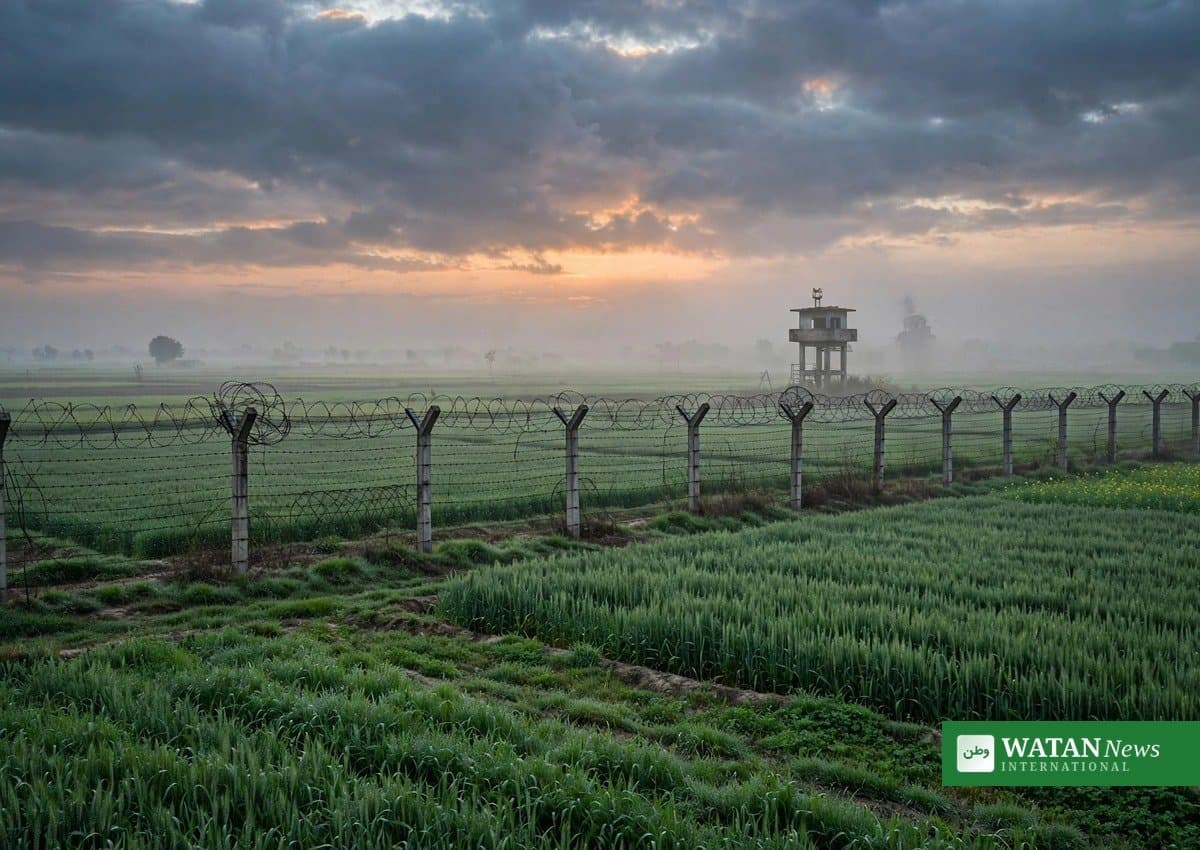
Pakistan summoned India’s Charge d’Affaires on Saturday, October 3, 2026, to lodge a strong protest after Indian Border Security Force (BSF) firing killed two unarmed Pakistani civilians and injured a third in the Bedian Sector along the international border near Kasur. The BSF firing on Pakistani civilians, which Islamabad called “wholly unjustified and grossly disproportionate,” came just a day after the victims — residents of Jattan Wali Haveli in Ladhar — were targeted without warning near a border pillar on Friday, October 2.
FAKTA: The BSF Firing Incident
- Date of firing: Friday, October 2, 2026
- Location: Bedian Sector, Pakistan-India international border near Kasur
- Victims killed: Azmat Rasool Shah and Mohsin Jutt, residents of Jattan Wali Haveli, Ladhar
- Injured: One more Pakistani civilian wounded
- Diplomatic action: India’s Charge d’Affaires summoned to Pakistan’s Foreign Office on Saturday, October 3, 2026
- Pakistan’s demand: Immediate, transparent investigation and legal action against those responsible
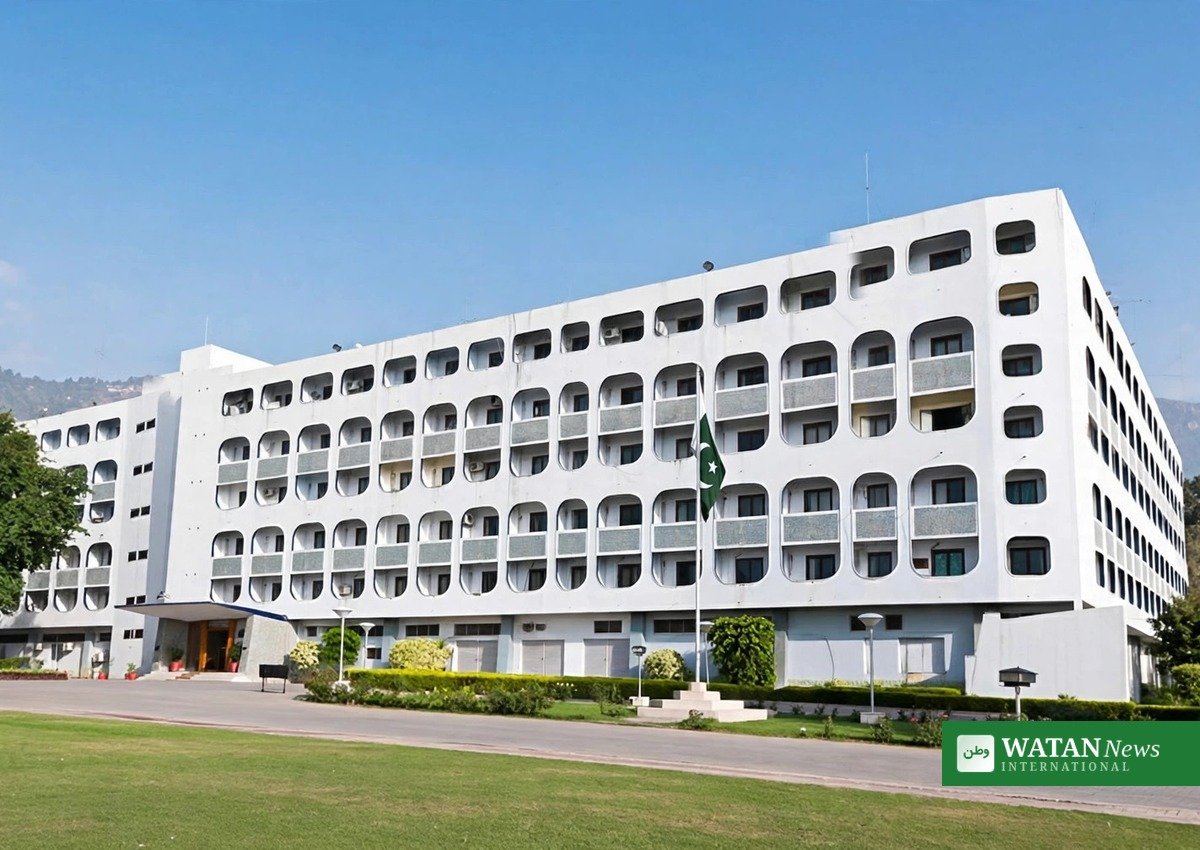
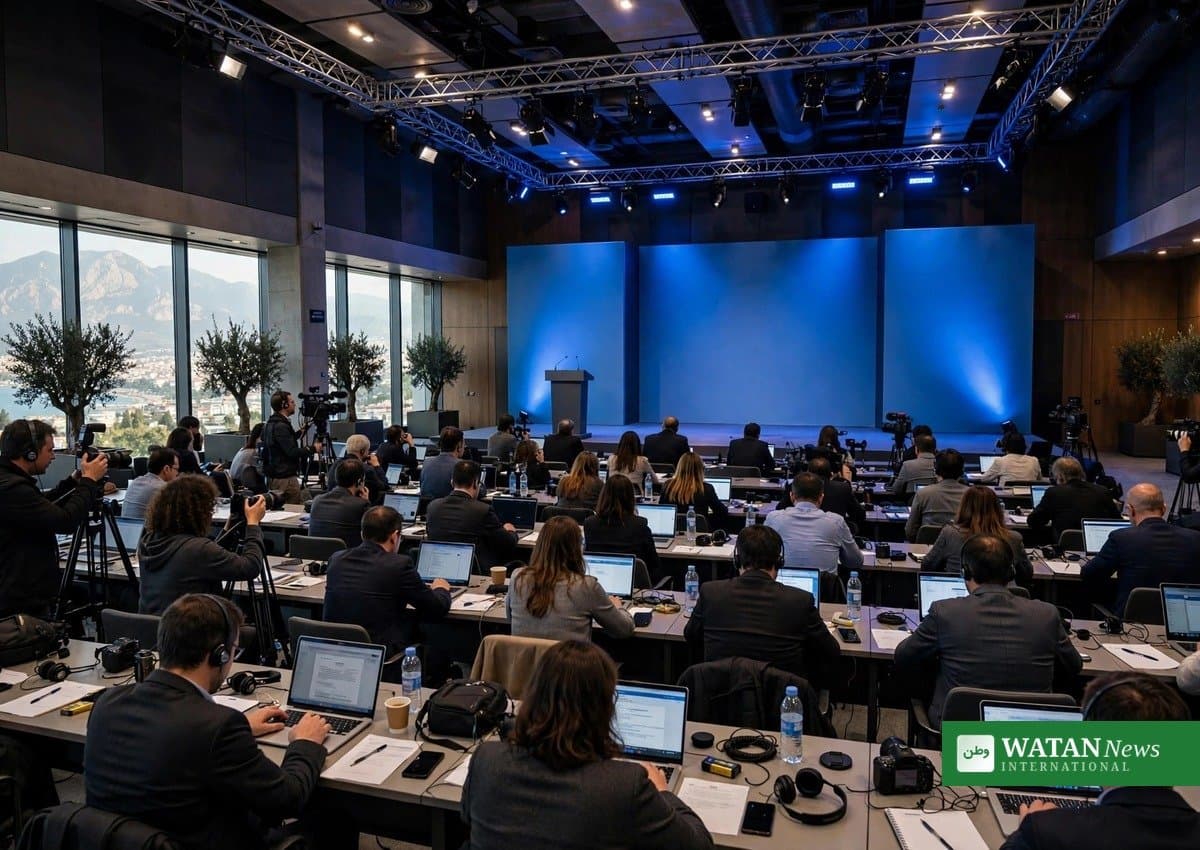
India’s Charge d’Affaires Summoned Over BSF Firing
A day after the civilians were martyred, the Indian diplomat was called in to receive Pakistan’s formal protest. He was briefed on the details of the incident and on the gravity with which Islamabad views the killings, with the Foreign Office underscoring Pakistan’s demand for accountability.
According to security sources, the three civilians were unarmed and were targeted without warning after moving only a few steps beyond a border pillar. None of the three had attempted to cross the border fence when the firing took place. Another Pakistani civilian sustained injuries during the unprovoked firing incident.
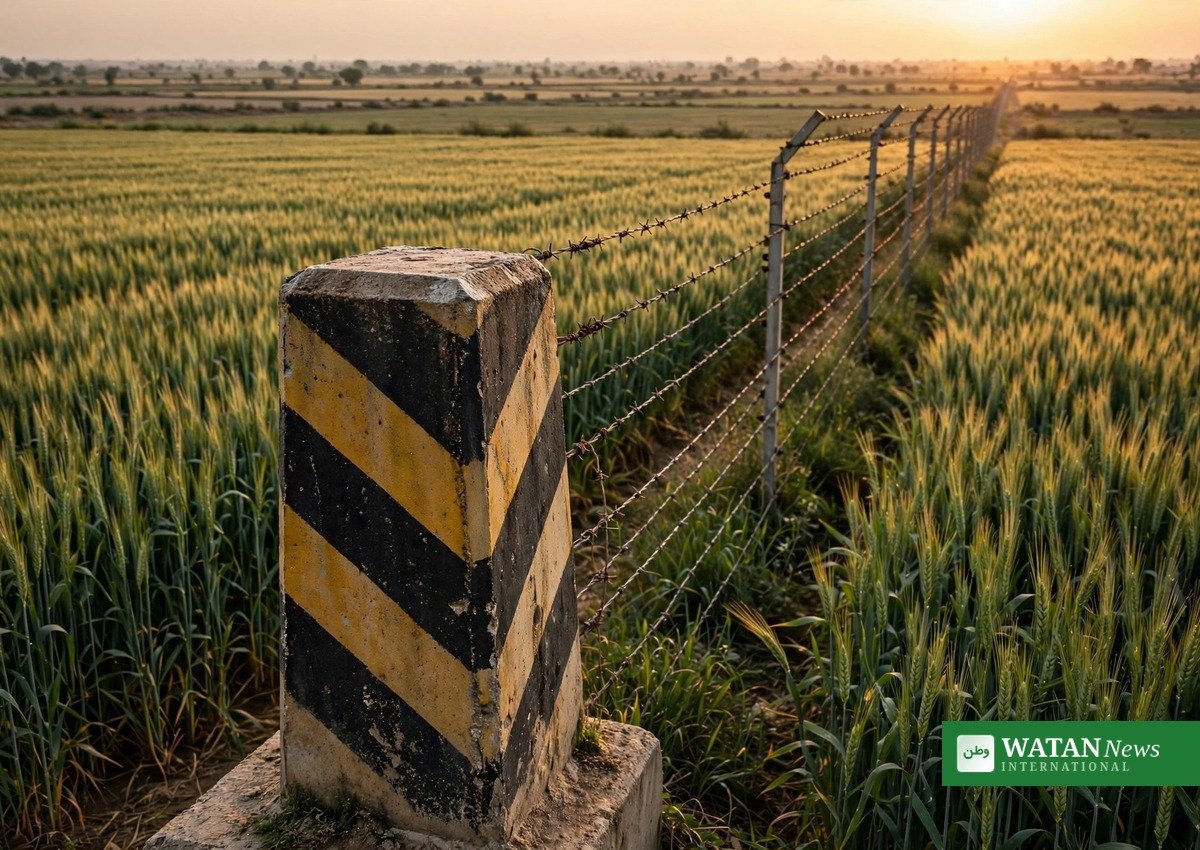
Foreign Office Rejects ‘Infiltrator’ Claim
The Foreign Office categorically rejected any attempt by India to portray the deceased as “infiltrators,” calling the narrative an unacceptable attempt to justify the killing of innocent individuals. Pakistan stressed that the victims were ordinary civilians going about their activities near the border and posed no threat whatsoever.
In its statement, the Foreign Office said BSF personnel had resorted to “unprovoked lethal force” against unarmed civilians, describing the action as “wholly unjustified and grossly disproportionate.” Islamabad called the incident a serious breach of fundamental human rights, including the right to life, and a violation of international law.
Pakistan Demands Transparent Investigation and Restraint
Pakistan urged India to conduct an immediate, transparent, and credible investigation into the incident, and to take disciplinary and legal action against all individuals found responsible. India was formally requested to communicate the findings of the investigation and the actions taken to the Pakistani government.
Read the same story on the main domain: Pakistan Protests India Over Civilian Deaths in Unprovoked Firing. Islamabad also called on New Delhi to strictly observe bilateral arrangements and established border procedures, exercise maximum restraint in such situations, and take effective measures — including proper training for border forces — to prevent the recurrence of civilian casualties. (External reporting: Islamabad Post)
The False-Flag Backdrop: ISPR’s Briefing a Day Earlier
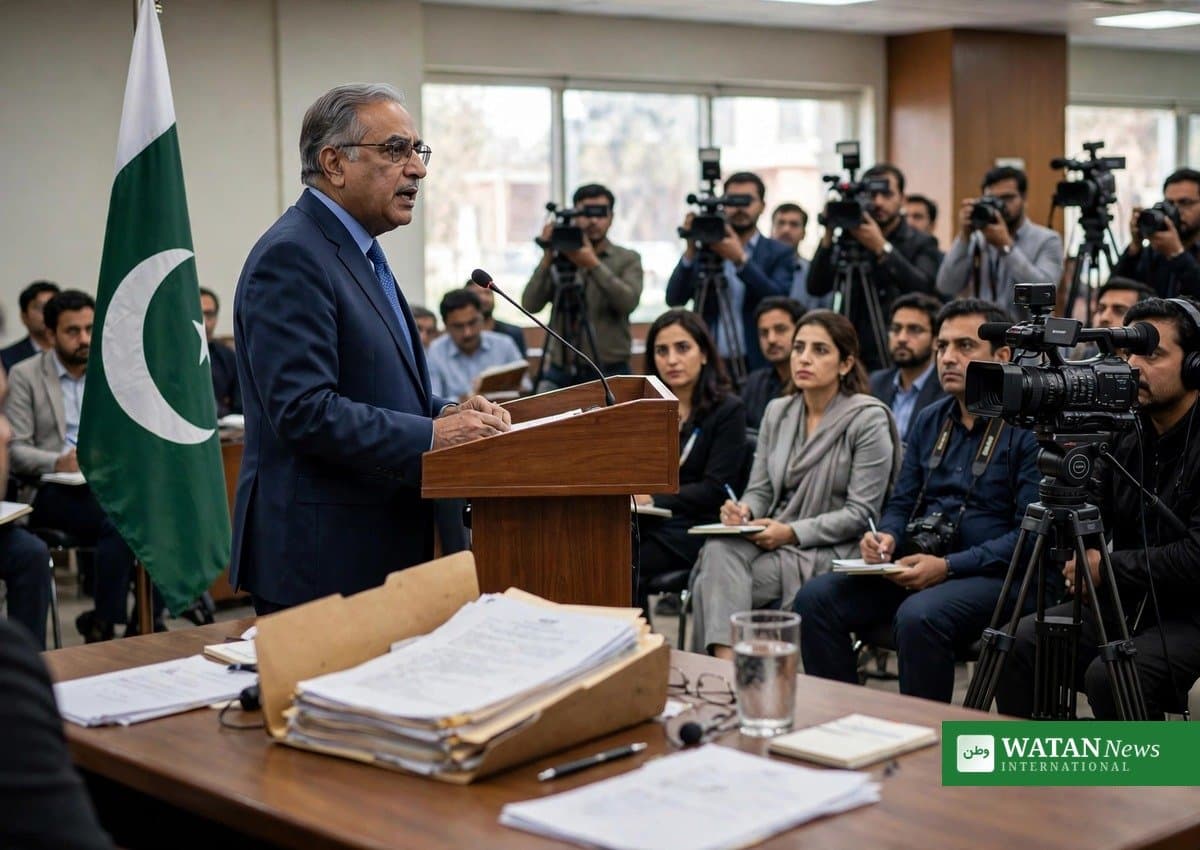
The firing occurred a day after Pakistan’s military exposed what it called another Indian false-flag operation. On Thursday, October 1, ISPR Director-General Lt Gen Ahmed Sharif Chaudhry presented retired Special Services Group commando Havildar Muhammad Asif alive before the media, refuting Indian claims that he had been killed in a staged encounter in Indian Illegally Occupied Jammu and Kashmir.
Pakistan says the “infiltrator” narrative around the BSF firing fits the same pattern of fabricated claims against Pakistani civilians and soldiers. Both developments have sharply escalated tensions along the border.
Conclusion
The unprovoked firing that killed Azmat Rasool Shah and Mohsin Jutt marks a serious escalation in Pakistan-India border tensions. Pakistan’s swift summoning of the Indian Charge d’Affaires, its rejection of the “infiltrator” label, and its demands for a transparent investigation make its position clear: accountability must follow, and civilian lives on both sides of the border must be protected under international law and agreed border protocols.