The Pentagon has excluded the United Kingdom, France and the Baltic states from a meeting on NATO’s future planned for next month in Poland, according to six diplomats familiar with the preparations cited by Politico — a snub that has left some of America’s most active allies demanding answers.
The NATO future talks Poland meeting will take the form of a working group aimed at developing proposals for the future of the alliance. It is being organized under the leadership of Elbridge Colby, the Pentagon’s policy chief, and continues a smaller-format approach known among participants as the “Bergen Group”.
FAKTA: The Pentagon’s select NATO group
- Organizer: Elbridge Colby, Under Secretary of Defense for Policy.
- Excluded: The United Kingdom, France, and the Baltic states (Estonia, Latvia, Lithuania).
- Invited (“Bergen Group”): Norway, Sweden, Finland, Poland, Germany and the Netherlands.
- Meeting: A NATO future working group in Poland next month; two similar sessions have already been held since June, starting in Bergen, Norway.
- Response: The White House did not respond to requests for comment; the Pentagon declined to comment.
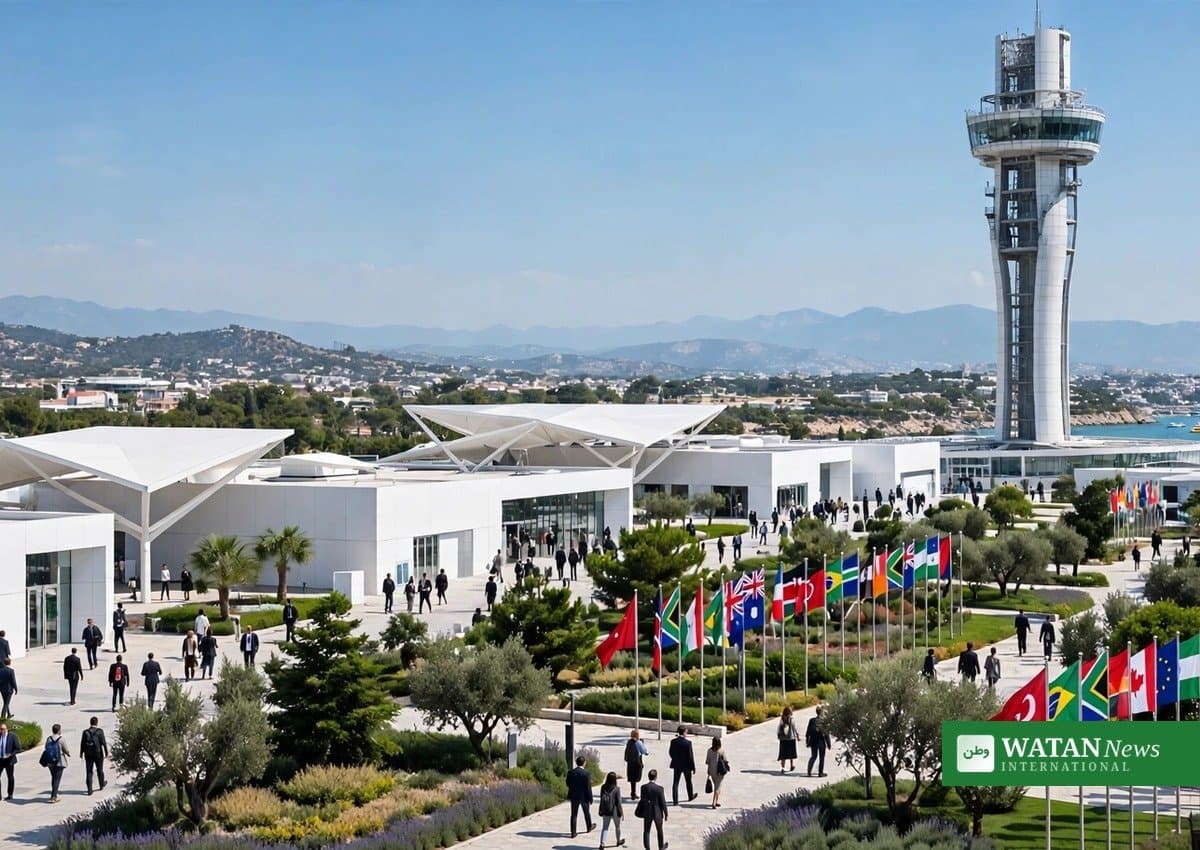
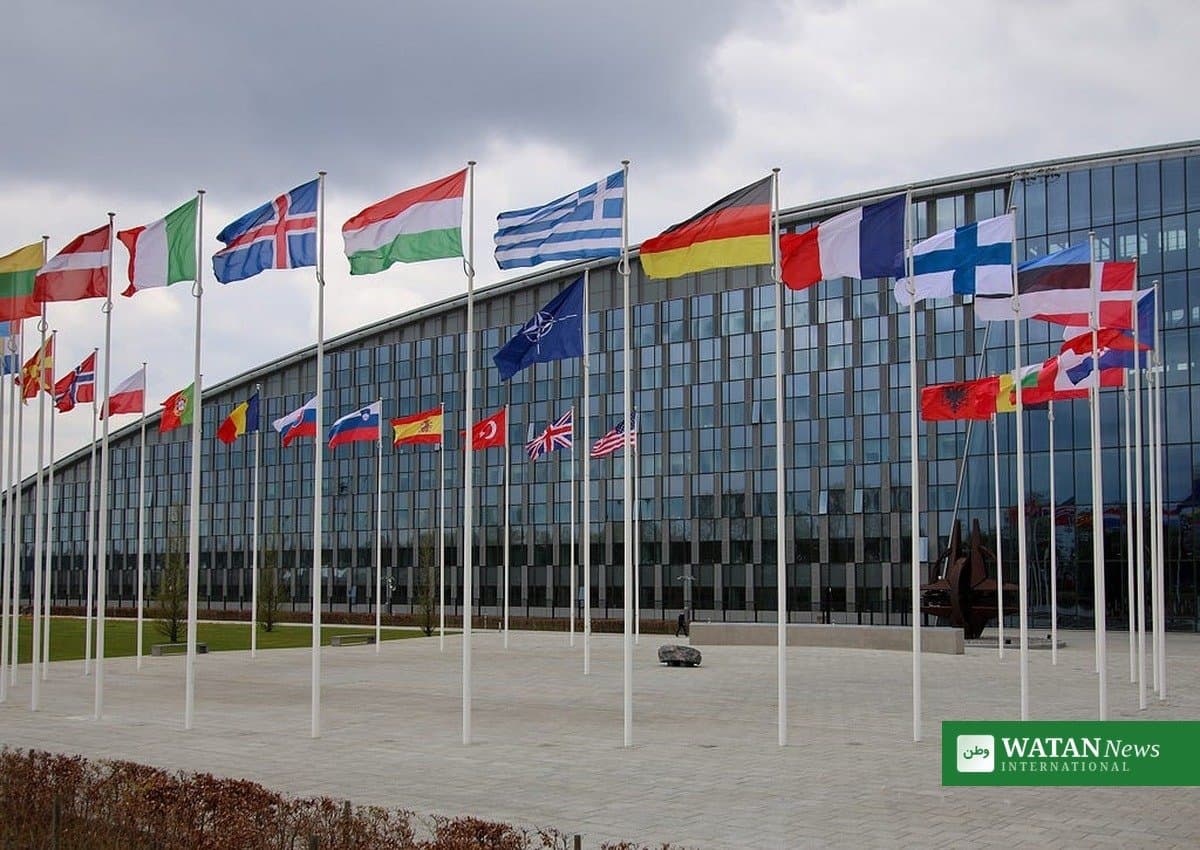
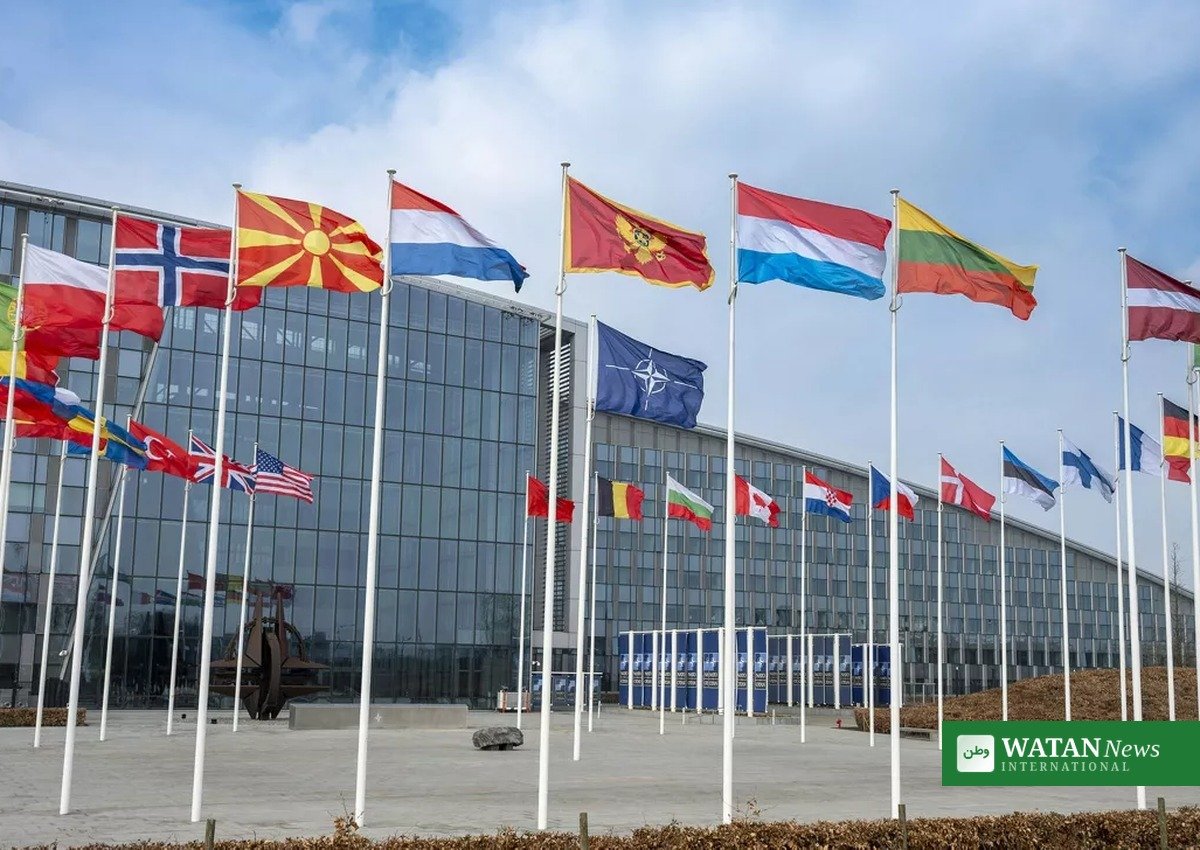 Flags of NATO member states outside the alliance’s headquarters in Brussels. The Pentagon-led talks on NATO’s future will convene in Poland next month. (Photo: Watan News International)
What the reporting reveals about the NATO future talks in Poland
Colby has already convened two meetings in the same format with Norway, Sweden, Finland, Poland, Germany and the Netherlands, diplomats said. A diplomat from one invited country said the smaller table is intended to generate proposals for the full alliance rather than divide it, calling it a potential “engine for transformation”.
Colby has previously said participation is linked to progress toward NATO’s defense-spending targets agreed in The Hague, the ability to contribute at scale, and a willingness to undertake concrete work.
Excluded allies demand answers
The exclusion has drawn sharp frustration from the governments left out — not least because Britain, France and the Baltic states rank among NATO’s most active military and political actors and are among Europe’s largest defense spenders.
“We’re doing everything that is being asked of us,” one official from an excluded country told Politico. “We’re trying to understand what the criteria is and what the purpose of these meetings are. Not much has been passed on to us yet.”
“If they try splitting NATO into the good ones and the bad ones, it is dangerous for the U.S.,” another diplomat said, adding: “But for Europe, this is an existential issue.”
A widening fault line inside the alliance
The reported selection comes amid broader discussions inside the Trump administration about the future of U.S. defense commitments in Europe. The Pentagon is also conducting a review of U.S. military deployments in Europe, with the stated aim of encouraging European allies to take greater responsibility for their own defense.
The dispute adds to strains inside the alliance already under pressure from Russian aggression — including Moscow’s threats over Kaliningrad. For the full original reporting on the exclusion, see the report citing Politico’s investigation.