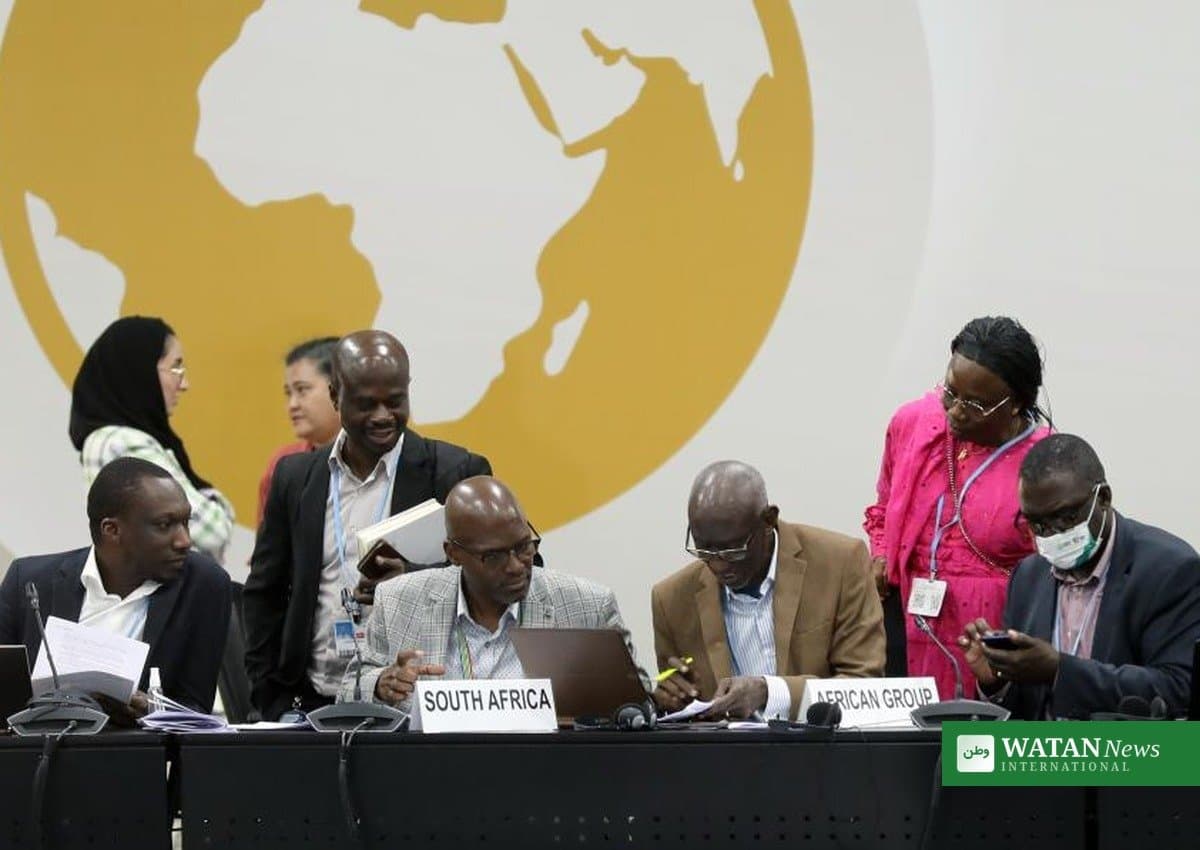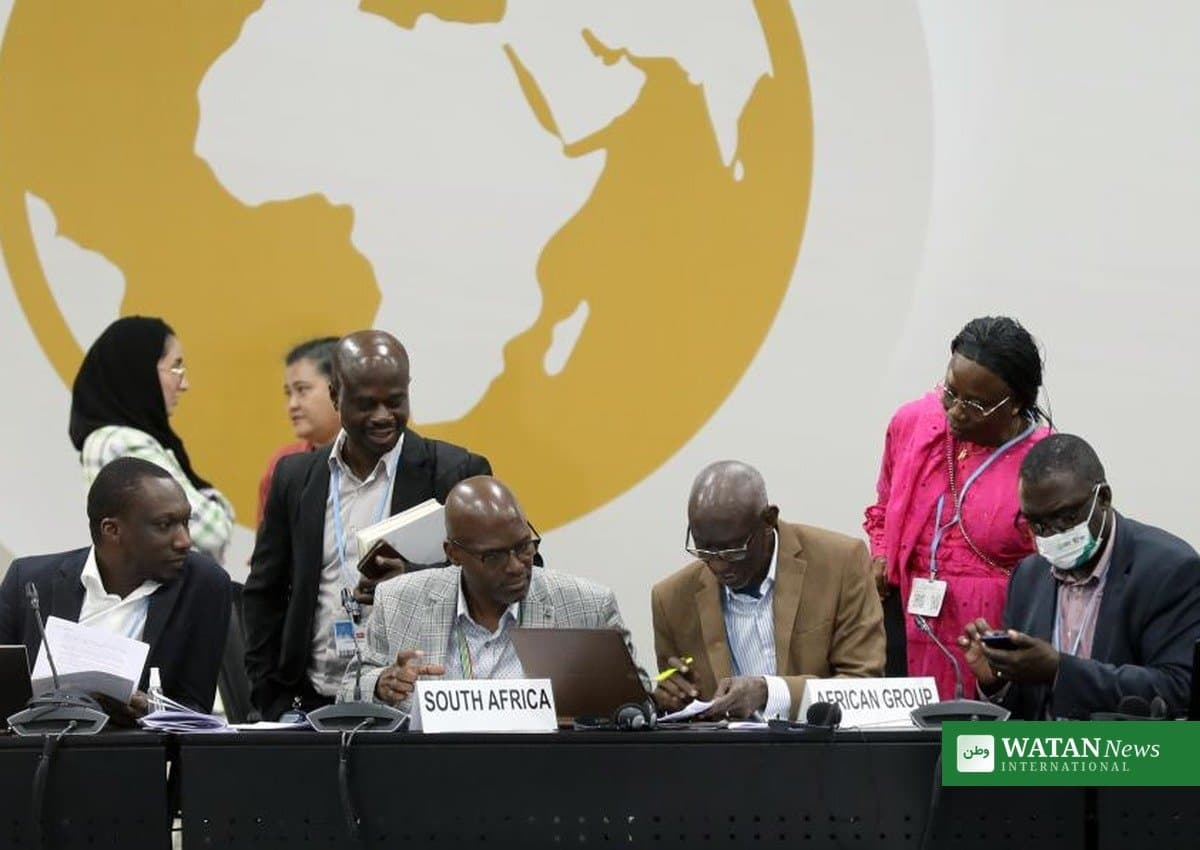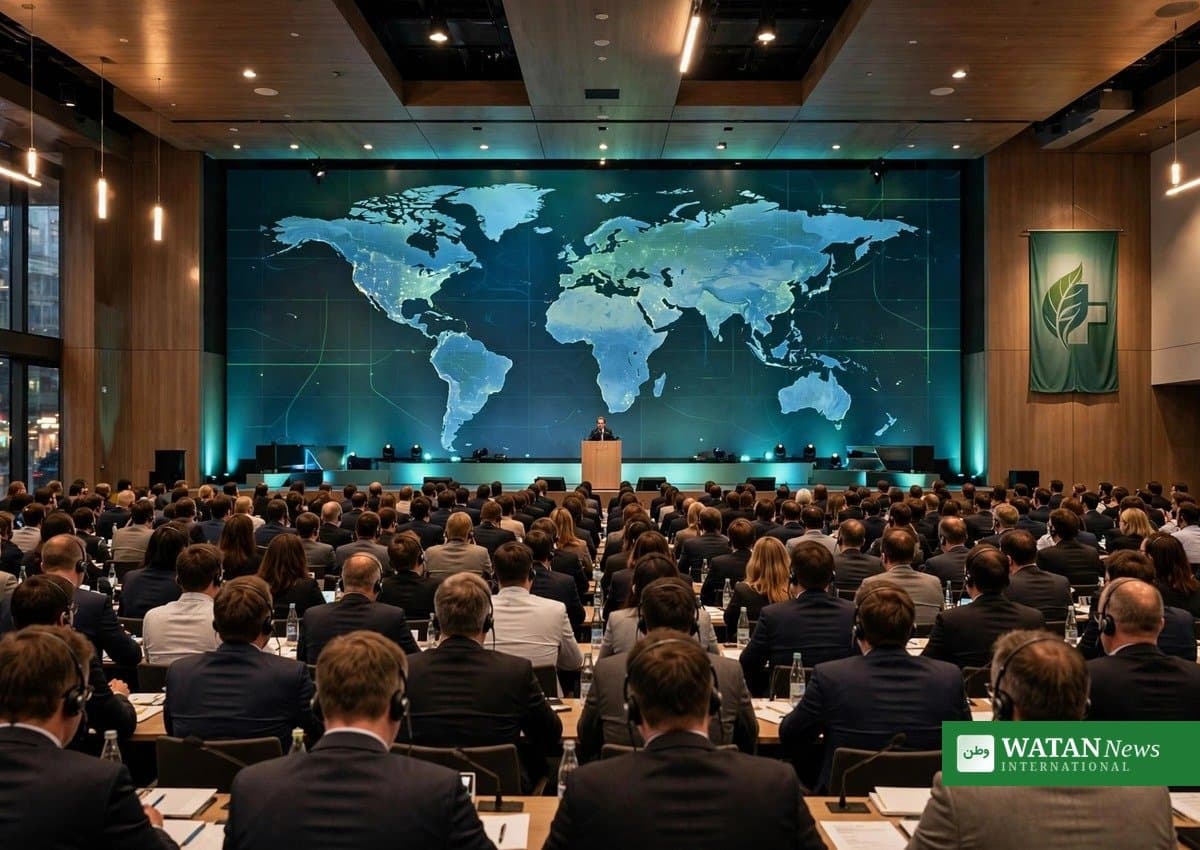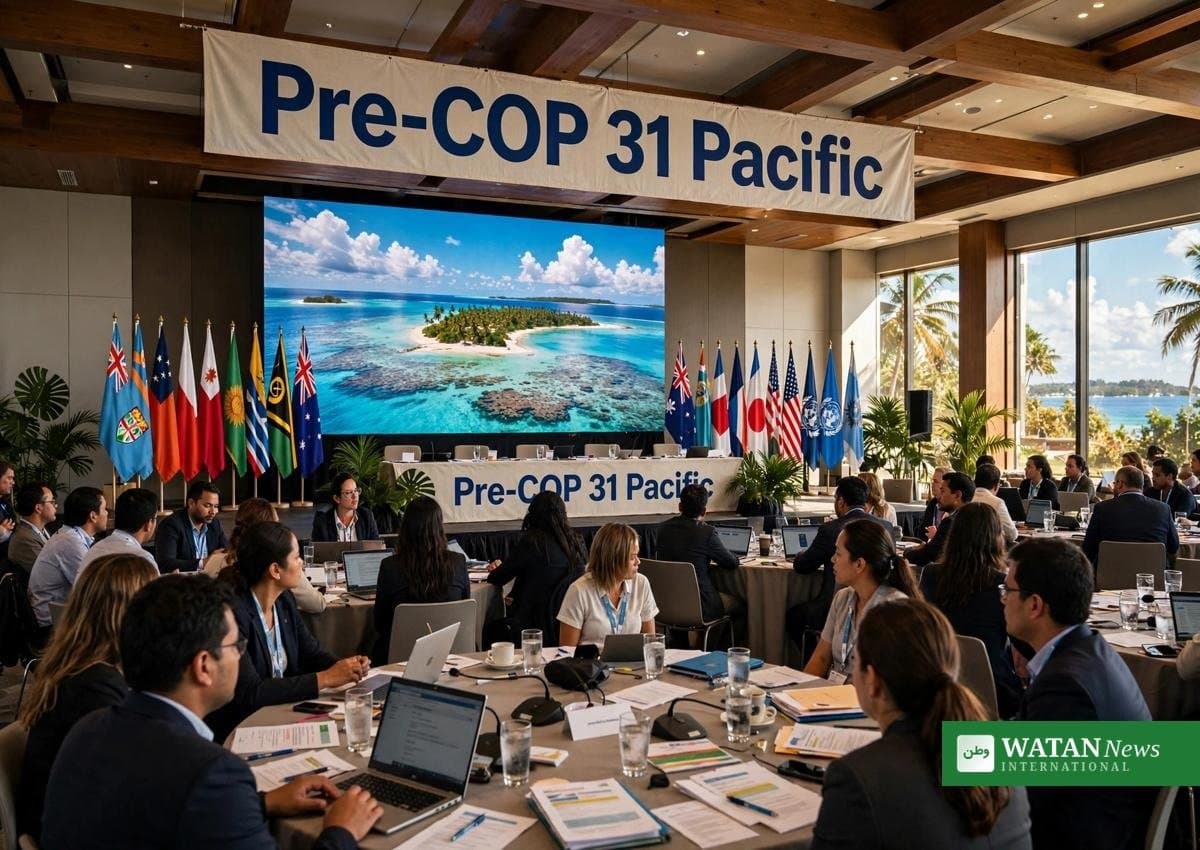
Climate diplomacy is heading to the Pacific this weekend. From 5 to 8 October 2026, Fiji and Tuvalu — in partnership with Australia — will host the official Pre-COP 31 Pacific ministerial meeting and Leaders’ event, bringing global climate decision-makers to the region just weeks before COP31 opens in Antalya, Türkiye, on 9 November. The gathering is the first time a Pre-COP has been held in the Pacific — and a key test of whether island nations can push their survival priorities to the top of the global agenda.
FAKTA
- What: Official Pre-COP 31 Pacific ministerial meeting and Leaders’ event
- When: 5–8 October 2026
- Where: Ministerial meetings in Fiji; a special leaders’ component in Tuvalu
- Partners: Australia, Fiji and Tuvalu, with the UNFCCC
- Main summit: COP31, 9–20 November 2026, Antalya, Türkiye; World Leaders’ Summit on 11–12 November
- Presidency: Türkiye holds the COP31 Presidency (Murat Kurum); Australia’s Chris Bowen serves as President of Negotiations
- Run-up: Pacific Small Island Developing States (PSIDS) pre-COP31 meeting, Tanoa International Hotel, Nadi, Fiji, 30 September–2 October
Pre-COP 31 Pacific: why the Pacific, why now
According to the UN Framework Convention on Climate Change, the Pre-COP events are designed to place Pacific perspectives at the centre of the final weeks before Antalya. For the island nations of the Pacific — on the front line of sea-level rise, ocean warming and extreme weather — the event is a chance to move their priorities, especially climate finance, adaptation and the global goal on adaptation, to the top of the negotiating agenda.
SPREP Director General Sefanaia Nawadra told delegates in Nadi that “our message is simple: follow the science, keep 1.5 alive,” calling COP31 “a defining moment for humanity, and for the survival of our Pacific communities.” His warning comes as a new UN Environment Programme report, Limiting Overshoot, finds global temperature rise is likely to cross 1.5°C within a few years.
The run-up in Nadi
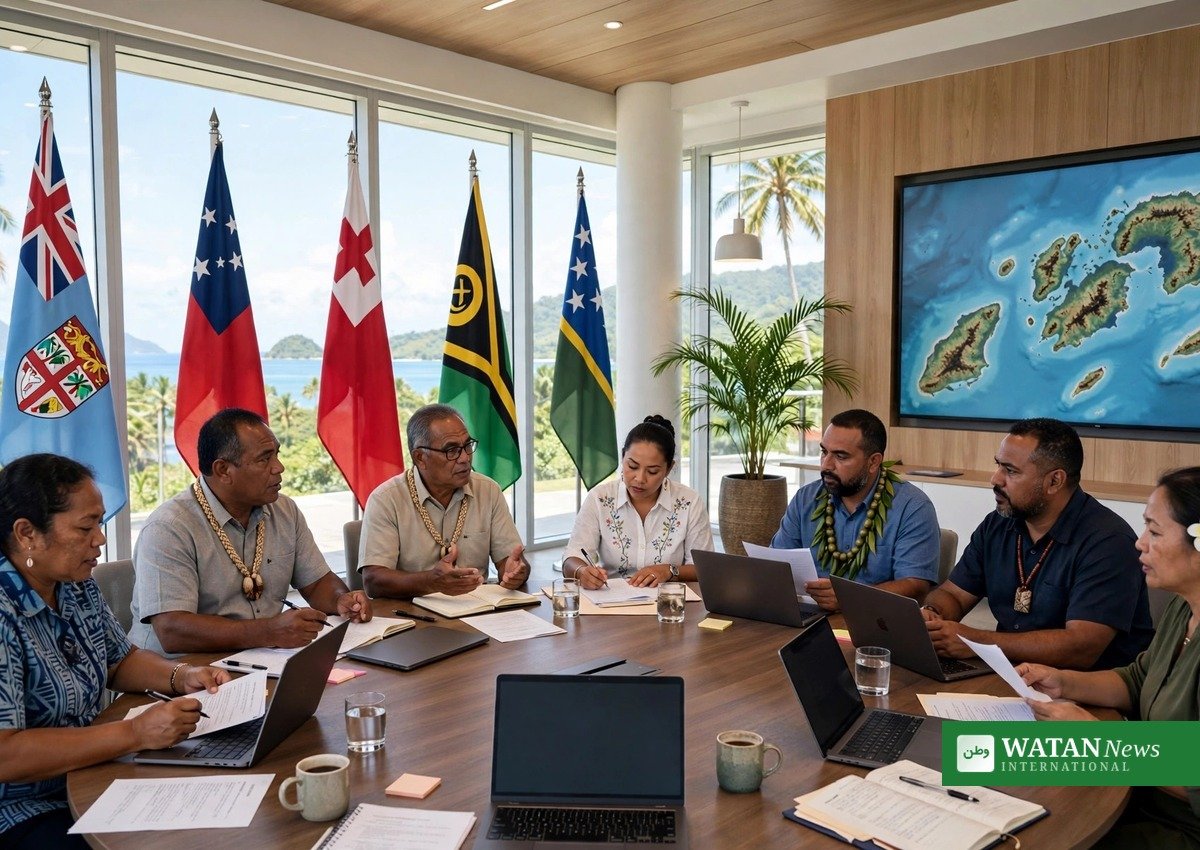
Pacific negotiators spent 30 September to 2 October at the Tanoa International Hotel in Nadi coordinating the region’s positions at the PSIDS pre-COP31 meeting, facilitated by the Secretariat of the Pacific Regional Environment Programme (SPREP). Tagaloa Cooper, SPREP’s Director of Climate Change Resilience, described the outcomes of the discussions as critical for both Pacific nations and the global climate negotiations. Fiji’s Minister for Information, Environment and Climate Change, Lynda Tabuya, underscored that climate dialogue must now translate into tangible action that communities can see and feel.
On the margins of the Nadi meeting, SPREP signed a cooperation agreement with the Pacific Islands Climate Action Network (PICAN) to strengthen Pacific engagement in the UNFCCC talks. Fiji has set three priorities for COP31: keeping the 1.5-degree goal within reach, fairer access to climate finance, and placing the ocean on the negotiating table for the first time, Permanent Secretary Dr Sivendra Michael said, according to PINA.
Tuvalu’s high-level segment: seeing the crisis first-hand
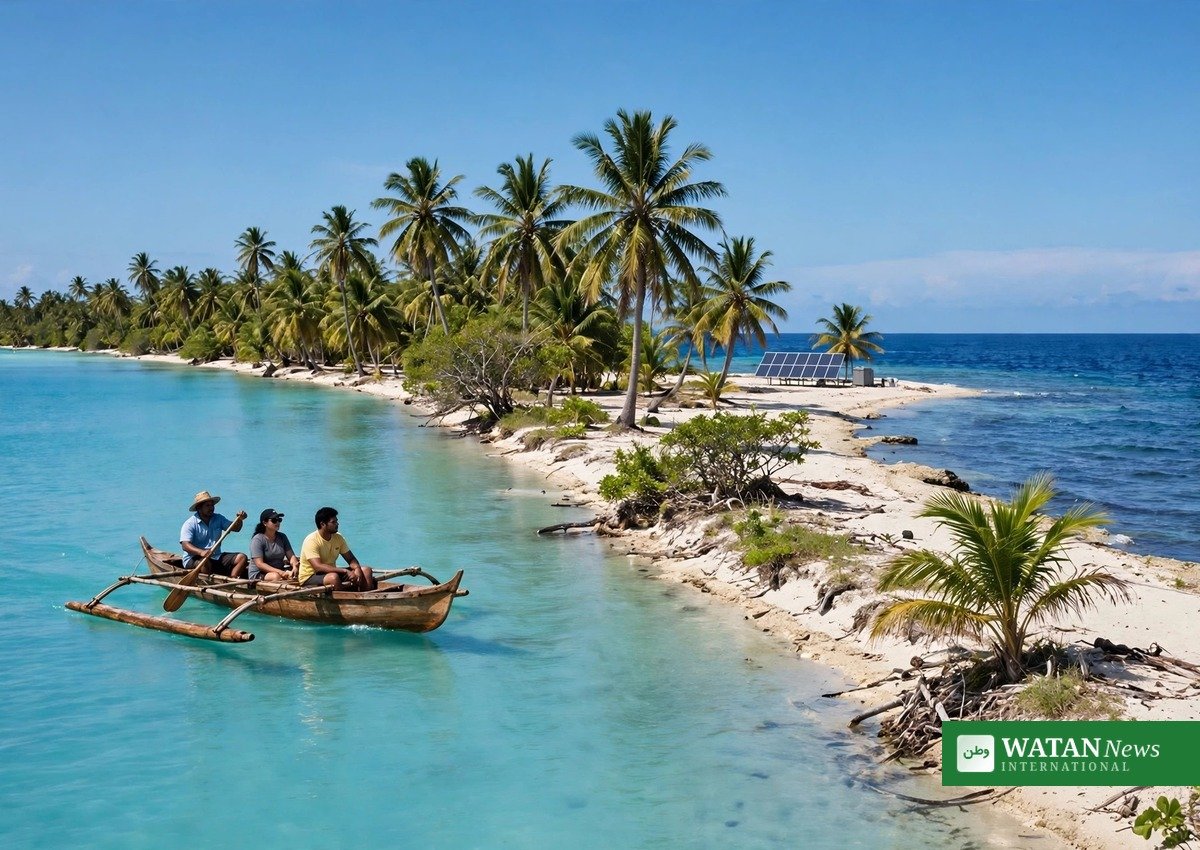
Tuvalu will host a special high-level segment so world leaders can witness the impact of climate change on the vulnerable atoll nation first-hand. Leaders are expected to spend about a day in Tuvalu — home to around 10,000 people — travelling by canoe and seeing reclaimed land built to withstand sea-level rise as well as solar projects cutting dependence on diesel, before a declaration is signed in Fiji. Tuvalu’s Climate Minister Maina Talia said: “Our fate will be defined by the major polluters. We are hoping the leaders will see our vulnerabilities — but also solutions that will keep us afloat.”
Around 4,000 delegates are expected in Fiji, where negotiators will spend several days progressing the agreements to be struck at COP31 in Türkiye in November.
A thin guest list?
The Pre-COP 31 event has also drawn scrutiny over attendance. In early September, Fiji’s Foreign Minister Sakiasi Ditoka revealed that only a handful of countries — including Antigua and Barbuda, Cape Verde, Thailand, Maldives and East Timor — had so far confirmed their attendance, with Australia’s Prime Minister Anthony Albanese among those attending. Australia’s climate minister Chris Bowen said the guest list was “not yet finalised”, while Albanese defended the format: “We always anticipated when it comes to pre-COP events, there normally aren’t lots of leaders at it.”
Road to Antalya
COP31 will be held from 9 to 20 November 2026 in Antalya, Türkiye, with the World Leaders’ Summit on 11–12 November — a platform for new, concrete climate commitments. Türkiye holds the COP31 Presidency under President-designate Murat Kurum, while Australia’s Chris Bowen leads the negotiations as President of Negotiations under the Türkiye–Australia partnership. The UNFCCC has published the provisional agendas for COP31 and its subsidiary bodies, and registration for the conference is open, as detailed in this University of Melbourne analysis of what to expect from COP31.
Conclusion
For the Pacific, the Pre-COP is more than a diplomatic formality: it is the region’s moment to force the world’s biggest emitters to confront the climate crisis on the islands where it is already a lived reality. Whether the momentum built in Fiji and Tuvalu survives the road to Antalya will be the true test of this unusual Pacific Pre-COP 31.