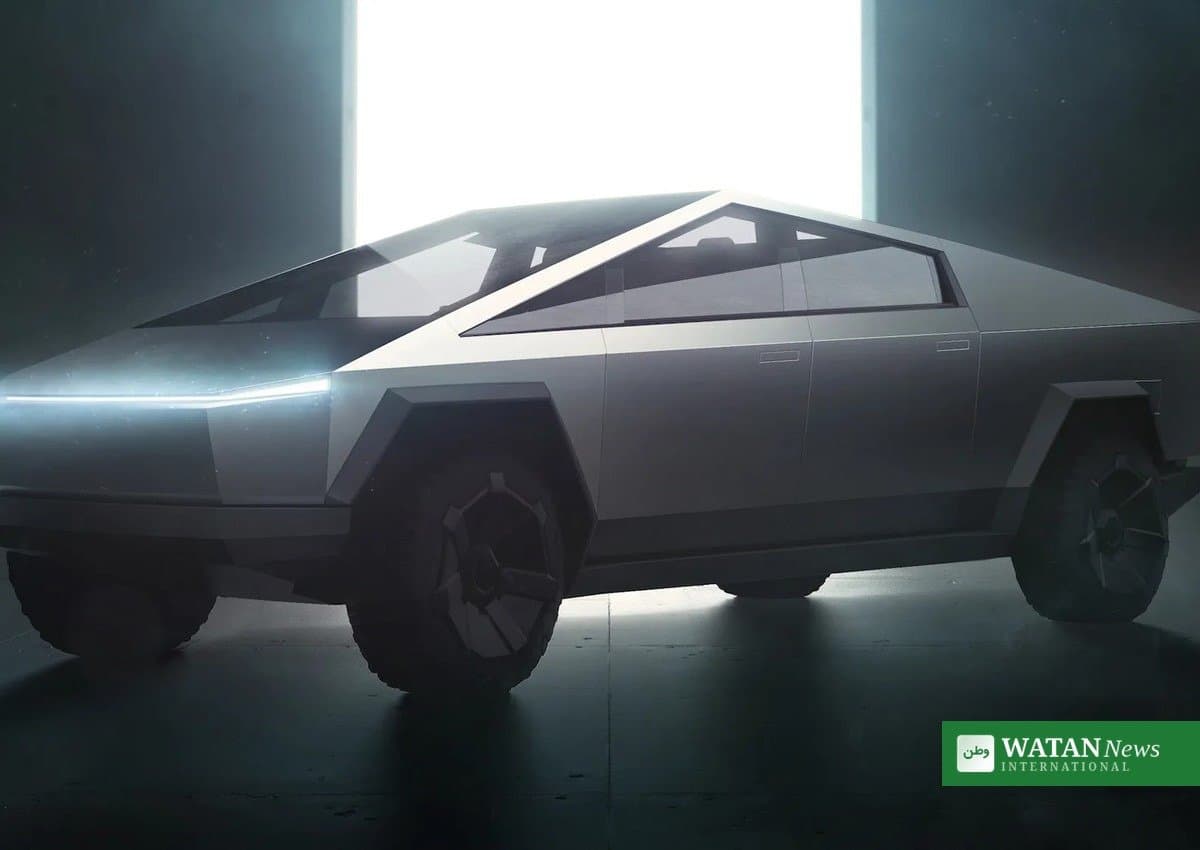
Tesla will wind down production of its Cybertruck pickup truck at its Gigafactory in Texas around the middle of 2027, chief executive Elon Musk has said, clearing factory space for the company’s Cybercab robotaxi. The announcement, made in a short post on X on Friday, marks a sharp change of direction for a vehicle once presented as the future of the electric pickup.
Musk said the Texas plant would stop building the angular stainless-steel truck so it could produce more Cybercabs instead. He did not say whether production would move elsewhere or end entirely. The Austin plant is the only Tesla facility known to be equipped to build the truck’s specialised parts, so the wind-down effectively ends its short manufacturing life unless it is shifted elsewhere.
FAKTA
- Announcement: Musk said on X on 6 November 2026 that Cybertruck output at Gigafactory Texas will wind down around mid-2027.
- Reason: to free factory space for increased production of the two-seat Cybercab robotaxi.
- US sales 2025: 20,237 vehicles, down from 38,965 in 2024, according to Cox Automotive and Kelley Blue Book estimates.
- Sales in 2026: 11,586 in the first nine months, down 28 percent year on year.
- Original target: Musk once projected annual Cybertruck sales of between 250,000 and 500,000 vehicles.
- Existing owners: Tesla says parts and servicing will continue for trucks already on the road.
A pickup that never met its promise
The Cybertruck arrived with enormous attention, its sharp-edged stainless-steel body unlike anything else on the road. But demand never came close to Musk’s early projections. Sales fell by almost half last year and the decline has continued into 2026, while recalls and quality concerns added to the pressure. A vehicle launched to rival America’s best-selling pickups sold barely 20,000 units in the US last year.
The robotaxi bet
The space will instead go to the Cybercab, a two-seat autonomous vehicle with no steering wheel or pedals, central to Musk’s plan to turn Tesla into an artificial intelligence and robotics company rather than simply a carmaker. Tesla began offering paid rides in a small fleet of Cybercabs in Austin in September, and production of the vehicle started earlier this year.
Musk has said the Cybercab could become a major source of future revenue, supplying a driverless taxi network mostly owned by Tesla itself. Tesla lists installed capacity of more than 125,000 Cybercabs a year, though regulatory approvals remain a key hurdle to expanding beyond its first cities.
What happens next
No firm date has been set for the last Cybertruck, and the announcement came only as a social media post, with no formal company statement so far. The shift shows how far Tesla’s priorities have moved: the pickup that once symbolised its ambitions is giving way to a driverless vehicle yet to prove itself at scale. For drivers who already own one, the message is reassurance: their trucks will still be supported, even as the factory that built them moves on. More international business news from Watan News