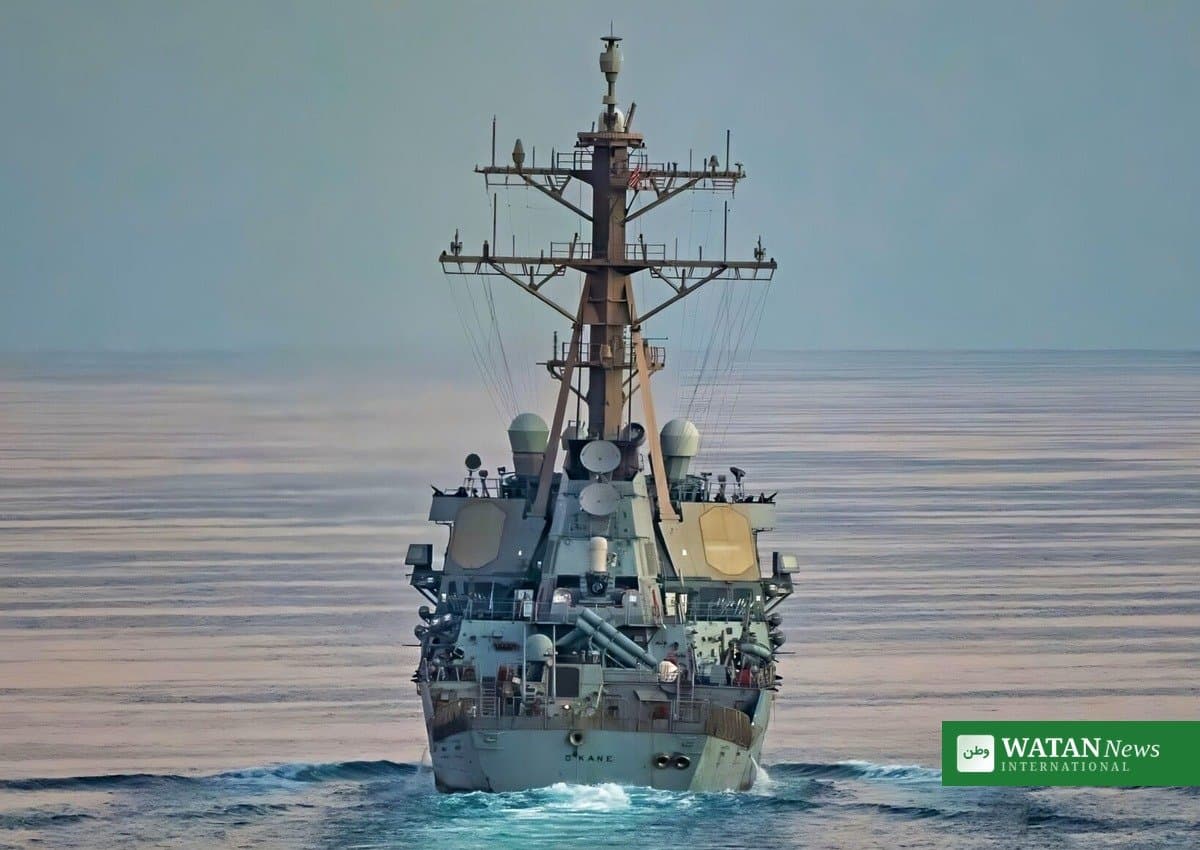
The United States military has launched a new task force to extend its pressure on Iran beyond the sea, targeting the movement of weapons and sanctioned goods across Iran’s land borders and the Caspian Sea. US Central Command announced on Saturday that Task Force Iron Gate will coordinate efforts across American government agencies to disrupt what Washington calls illicit shipments into and out of Iran.
FAKTA
- What: US Central Command has created Task Force Iron Gate, a new unit to restrict Iran’s movement of advanced weapons, dual-use technology, sanctioned materials and illegal revenue across its land borders and the Caspian Sea.
- When: Announced on Saturday, 7 November 2026, by US Central Command.
- Who: About 20 civilian and military personnel, based at Central Command headquarters in Tampa, Florida, under the direction of CENTCOM commander Admiral Brad Cooper.
- Background: The task force builds on a months-long US naval blockade of Iranian ports on the Gulf and the Gulf of Oman, announced in July 2026. Central Command estimates the blockade has prevented Iran from exporting more than $25 billion worth of crude oil.
- Context: A Reuters investigation found Iran has built a secret network of military agencies that has imported at least $2 billion in hardware, explosives and heavy-duty trucks since January 2025.
What Task Force Iron Gate Will Do
Task Force Iron Gate will monitor, detect and disrupt the movement of advanced weapons systems, dual-use technologies, sanctioned materials and illegal revenue streams across Iran’s land borders and the Caspian Sea, according to Central Command. The unit is described as a coordination and planning cell that will work with other US government agencies, rather than a deployed force.
The command did not say which border crossings the task force would focus on, but it highlighted Iran’s borders with Türkiye, Afghanistan, Turkmenistan and Pakistan. Iran shares about 5,900 kilometres of land border with seven neighbours, along with around 740 kilometres of Caspian coastline.
“Strengthening CENTCOM’s collaboration with US interagency partners will further constrain Iran’s ability to finance terrorism, rebuild weapons factories, and replenish their military,” Admiral Brad Cooper, the commander of Central Command, said in a statement.
The Naval Blockade Behind It
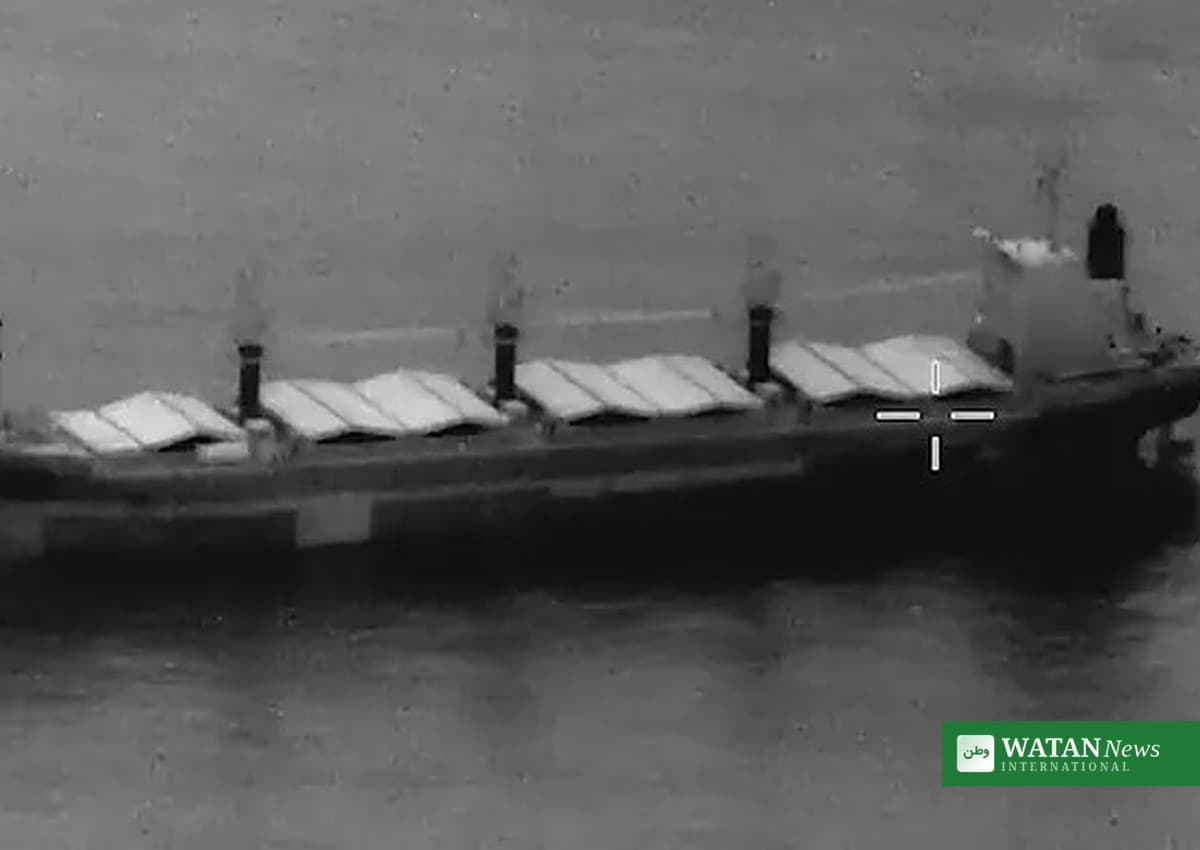
The new task force extends a campaign that has so far been fought at sea. The US naval blockade, announced in July 2026, covers all Iranian ports on the Gulf and the Gulf of Oman and aims to prevent imports and exports to and from Iran, with the exception of humanitarian aid.
“The establishment of Task Force Iron Gate reinforces the success of our ironclad blockade against Iran at sea,” Admiral Cooper said. Central Command says strict enforcement continues against all ships entering or leaving Iranian ports, and estimates the blockade has kept more than $25 billion worth of Iranian crude oil from reaching export markets. That figure is the command’s own estimate and has not been independently verified.
How Iran’s Supply Network Works
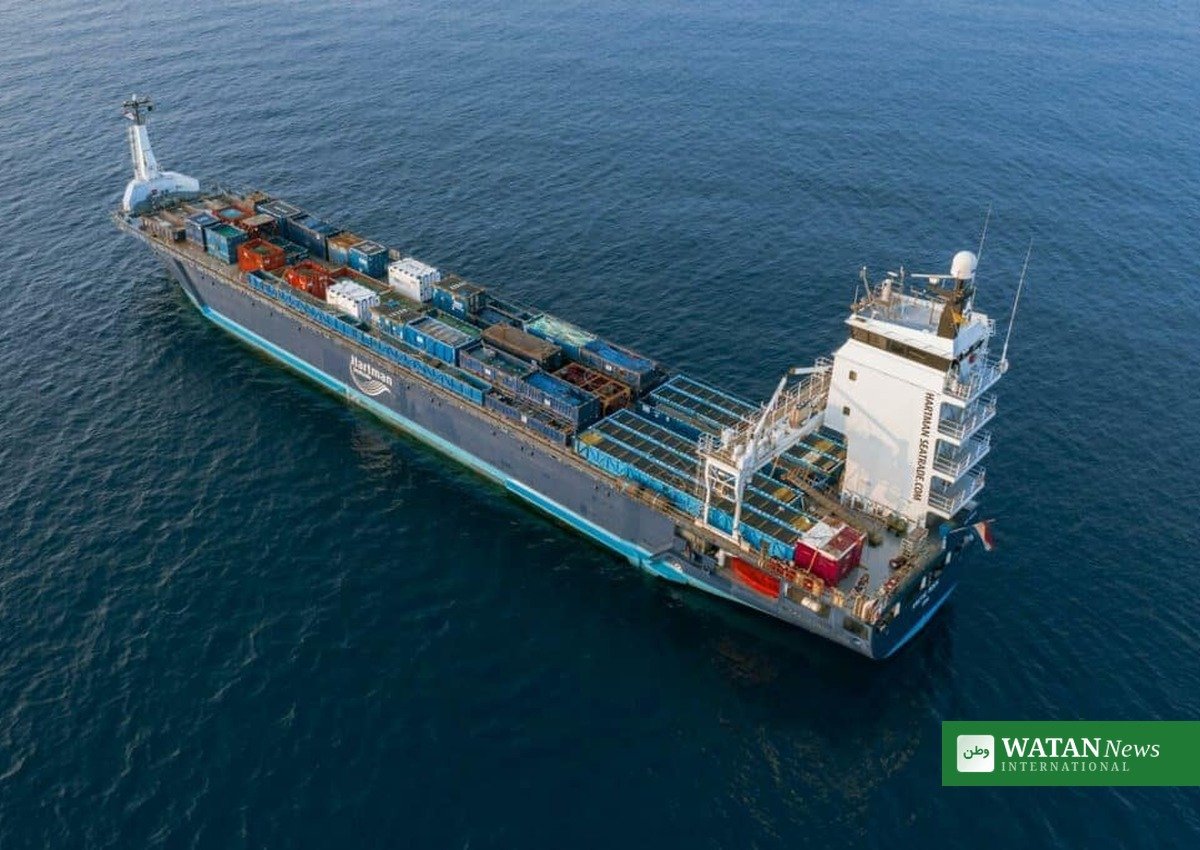
According to a Reuters investigation, Iran has created a secret network of military agencies to import at least $2 billion in hardware, explosives and heavy-duty trucks since January 2025, evading both the US naval blockade and Western sanctions. The investigation found the material entered Iran by cargo ship across the Caspian Sea from Russia, by truck from Central Asia, and by freight planes from China.
The new task force is aimed squarely at those routes. By focusing on land borders and the Caspian Sea, it closes the gap left by a blockade that only covers Iran’s southern ports.
Why the Move Comes Now
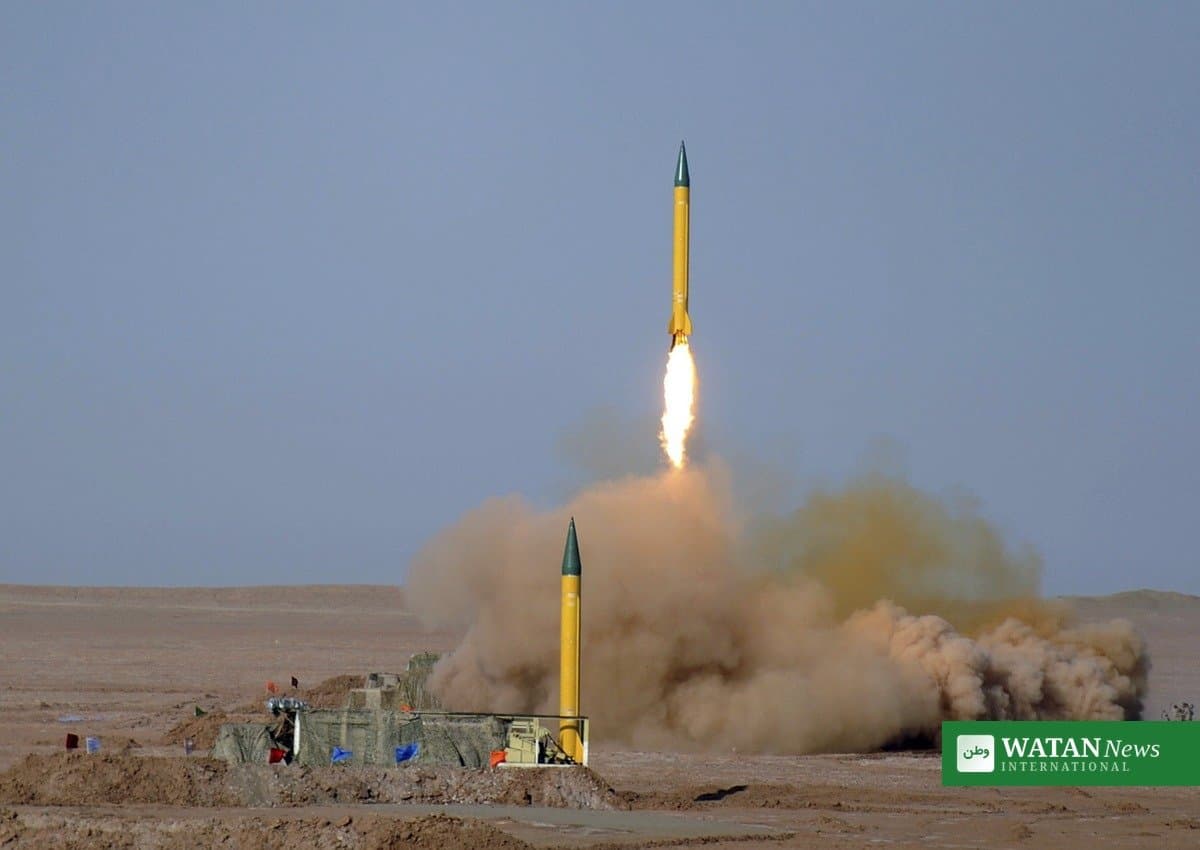
The announcement comes at a moment of sharply rising tension between Washington and Tehran. On Friday, the US military carried out limited strikes against air defence systems on Iran’s Qeshm Island, a move confirmed by President Donald Trump. On Saturday, Iran’s Revolutionary Guard announced it had lifted a self-imposed 2,000-kilometre limit on the range of its ballistic missiles, a step reported in detail on Watan News.
Central Command gave no timeline for the task force’s operations and did not say how it would work with Iran’s neighbouring states, whose cooperation would be needed for enforcement on the ground. For now, Task Force Iron Gate remains a small staff in Tampa, watching routes thousands of kilometres away.
Read more on the same story at Watan News.