LIVE
BREAKING
South African Reserve Bank Holds Interest Rate at 7.25% in Split VoteSomalia Orders UAE Ambassador to Leave Within 72 HoursKuaishou Unveils Kling 4.0 as Revenue Falls to RMB31.6 Billion in Third QuarterGeneDx Names Everett Cunningham as Chief ExecutiveFrederiksen Rejects Multiculturalism in Podcast Remarks on Danish IdentityDenmark Votes 109-0 to Approve Greenland Defence Deal with the USEurope ready to enter Ukraine peace talks, leaders say after Berlin meetingIraq Reaches Deal With Kataib Hezbollah to Avert Clash Over Militia StrongholdCOP31’s Quiet Press Corps: Climate Journalism Is Shrinking as New Storytellers Take the StageRussian Drone Damages Dutch Embassy in Kyiv, Shattering WindowsCOP31 Draft Cover Decision Drops Fossil Fuels as Slimmed-Down Text Lands in AntalyaCOP31 Draft Deal Welcomes Antalya Compact to Cut Building Energy Use by 25% by 2035COP31 Puts Homes at the Centre — but Will the Money Follow?UK Seeks Wider Defence Cooperation with Türkiye Beyond Eurofighter DealTrump, Xi and Putin Issue ‘Peace Declaration’ After First-Ever Trilateral Summit in ShenzhenTrump Says US Will ‘See What Happens’ on Iran After January 1COP31: TeraMed Launches Mediterranean Renewable Energy Finance Hub, Targeting $20 Billion by 2028World Marathon Champion Peres Jepchirchir Banned for Three Years Over EPO UseTusk: ‘God, Protect Us From Such Friends’ After Trump Greets PutinICJ Rules Myanmar Committed Genocide Against Rohingya in 2017 CrackdownSouth African Reserve Bank Holds Interest Rate at 7.25% in Split VoteSomalia Orders UAE Ambassador to Leave Within 72 HoursKuaishou Unveils Kling 4.0 as Revenue Falls to RMB31.6 Billion in Third QuarterGeneDx Names Everett Cunningham as Chief ExecutiveFrederiksen Rejects Multiculturalism in Podcast Remarks on Danish IdentityDenmark Votes 109-0 to Approve Greenland Defence Deal with the USEurope ready to enter Ukraine peace talks, leaders say after Berlin meetingIraq Reaches Deal With Kataib Hezbollah to Avert Clash Over Militia StrongholdCOP31’s Quiet Press Corps: Climate Journalism Is Shrinking as New Storytellers Take the StageRussian Drone Damages Dutch Embassy in Kyiv, Shattering WindowsCOP31 Draft Cover Decision Drops Fossil Fuels as Slimmed-Down Text Lands in AntalyaCOP31 Draft Deal Welcomes Antalya Compact to Cut Building Energy Use by 25% by 2035COP31 Puts Homes at the Centre — but Will the Money Follow?UK Seeks Wider Defence Cooperation with Türkiye Beyond Eurofighter DealTrump, Xi and Putin Issue ‘Peace Declaration’ After First-Ever Trilateral Summit in ShenzhenTrump Says US Will ‘See What Happens’ on Iran After January 1COP31: TeraMed Launches Mediterranean Renewable Energy Finance Hub, Targeting $20 Billion by 2028World Marathon Champion Peres Jepchirchir Banned for Three Years Over EPO UseTusk: ‘God, Protect Us From Such Friends’ After Trump Greets PutinICJ Rules Myanmar Committed Genocide Against Rohingya in 2017 Crackdown
Business

World Bank Sees Wheat Prices Rising Sharply in 2026 as Black Sea Shipments Falter

News Desk 2Published October 29, 2026
World Bank Sees Wheat Prices Rising Sharply in 2026 as Black Sea Shipments Falter
Share this story

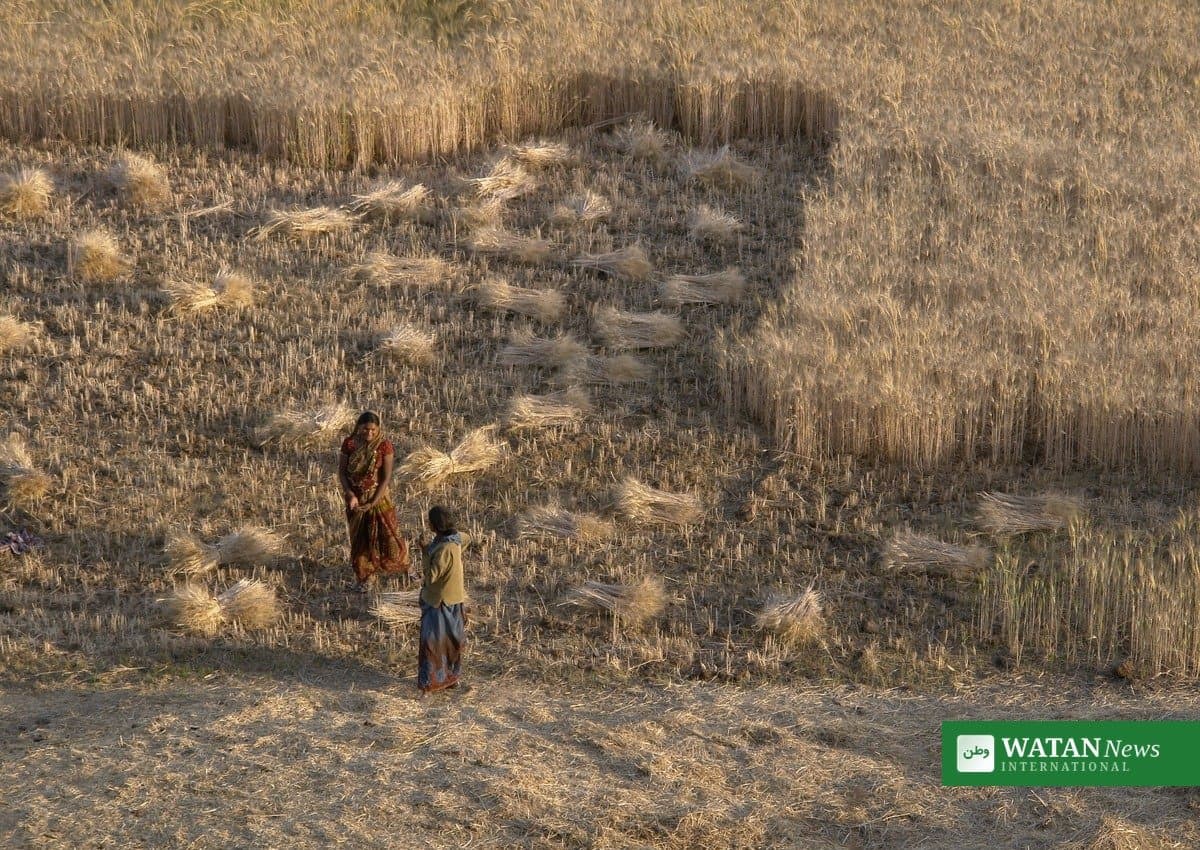
Global wheat prices are set for a sharp rise next year, the World Bank has warned, as disrupted Black Sea shipments and weaker harvests tighten supplies. In its latest Commodity Markets Outlook, published on Wednesday, the bank expects the benchmark United States hard red winter wheat price to average 311 dollars per metric ton in 2026, up from 243 dollars in 2025. That is a rise of about 28 percent, with a further 13.5 percent increase pencilled in for 2027, to 353 dollars a ton, before a partial easing to about 315 dollars in 2028.

Wheat is a staple for hundreds of millions of people, and higher grain costs feed quickly into bread and flour prices. Import-dependent countries are likely to feel the pressure first.

FAKTA

  • Wheat price forecast for 2026: 311 dollars per metric ton, against 243 dollars in 2025.
  • Further rise in 2027: 13.5 percent, to 353 dollars per metric ton.
  • Global wheat production: forecast down 3 percent in the 2026-27 season.
  • European Union output: projected to fall 20 percent, to its lowest in nearly two decades.
  • Russia and Ukraine together account for about 30 percent of world wheat exports.
  • Overall food prices: expected to rise just over 10 percent in 2026 and more than 7 percent in 2027.

Wheat prices in 2026: why supplies are tightening

The central driver is disruption to grain movement through the Black Sea, where attacks on shipping and port infrastructure linked to the war between Russia and Ukraine have interrupted exports. The two countries account for roughly three in every ten tons of wheat traded internationally, so any interruption there has an outsized effect.

Weather has added to the strain. World production is expected to fall 3 percent in 2026-27, with the European Union facing a 20 percent drop after heat and drought damaged crops. Output in Argentina, Brazil and the United States is also under pressure, while higher production in Russia, up 11 percent, and Ukraine, up 8 percent, should partly offset those losses.

What the rise means for food costs

The wheat outlook sits inside a broader warning: food commodity prices overall are expected to climb just over 10 percent in 2026 and more than 7 percent in 2027, a cumulative rise of nearly 18 percent, driven by Black Sea disruption and higher fuel and fertiliser costs.

Total grain supplies, including opening stocks, should stay about 3 percent higher than two years earlier, offering some cushion. But risks lean towards higher prices: prolonged conflict, extreme weather, high energy costs and an unusually strong El Nino could push costs above forecast, and in an adverse scenario food prices could end up 12 percent higher than expected.

For import-dependent countries, food prices look set to climb again in 2026, and the poorest households will bear the heaviest burden. Read more on Watan News.


Related Stories

Planet & environment

Climate & Sustainability

News, stories and solutions driving change towards a greener and more sustainable planet for future generations.

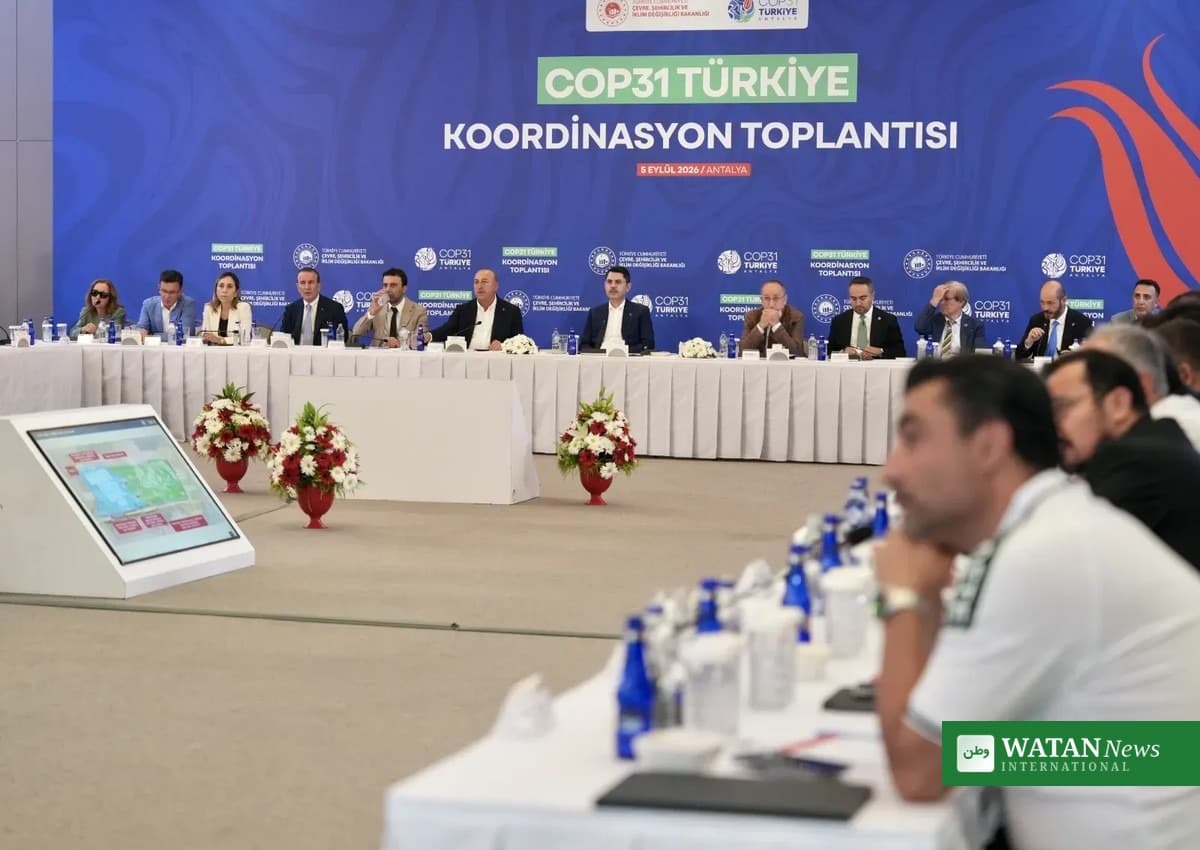
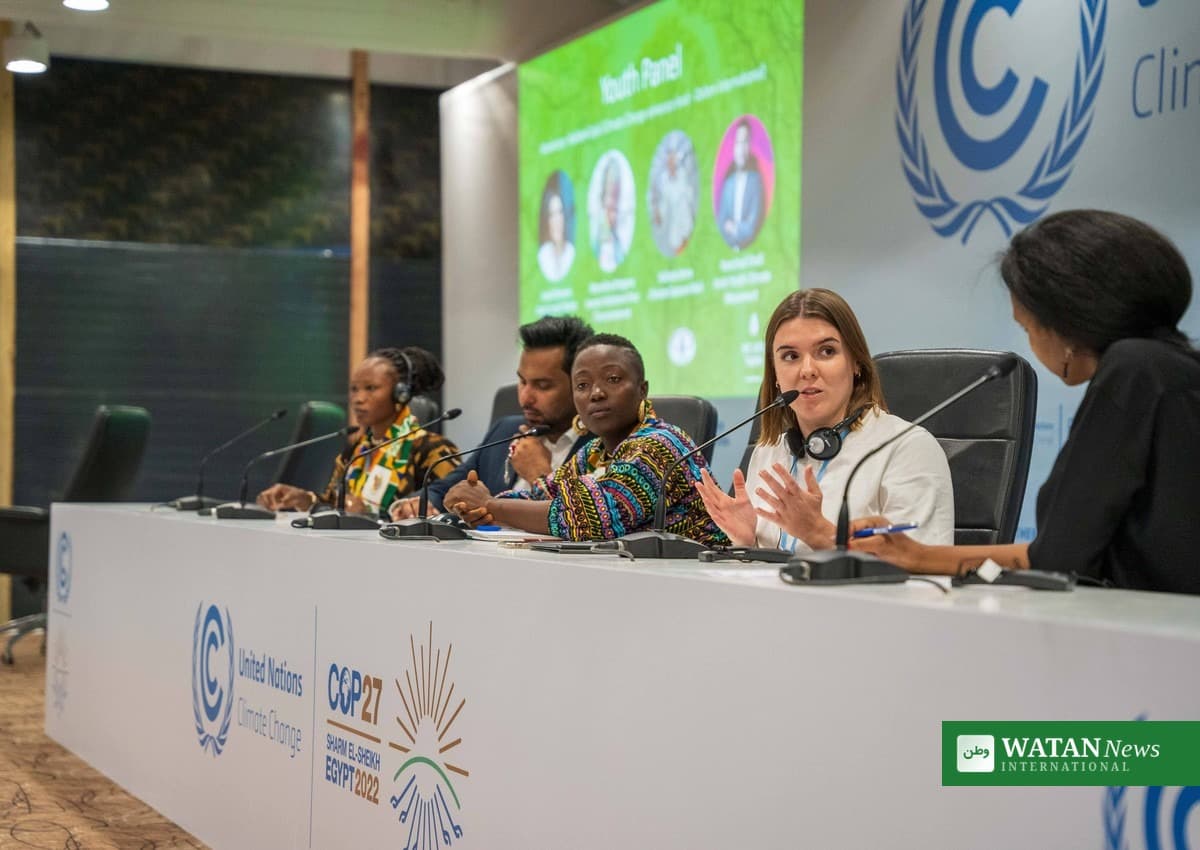
COP31’s Quiet Press Corps: Climate Journalism Is Shrinking as New Storytellers Take the Stage
Featured story

COP31’s Quiet Press Corps: Climate Journalism Is Shrinking as New Storytellers Take the Stage

Global climate coverage fell 14% in 2025 and keeps shrinking in 2026, MeCCO data shows — yet COP31's film festival and young reporters are finding new ways to tell the story.

Read full story

GREEN JOURNALISM

Every Action Counts

Small steps today, big impact tomorrow.

Explore more stories